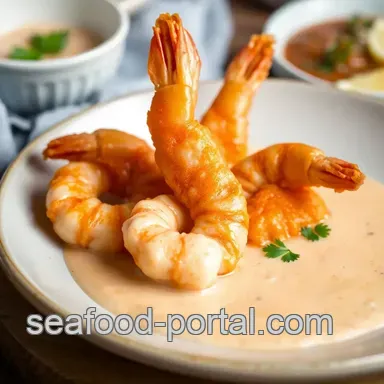
Fried Shrimp with Spicy Creamy Sauce
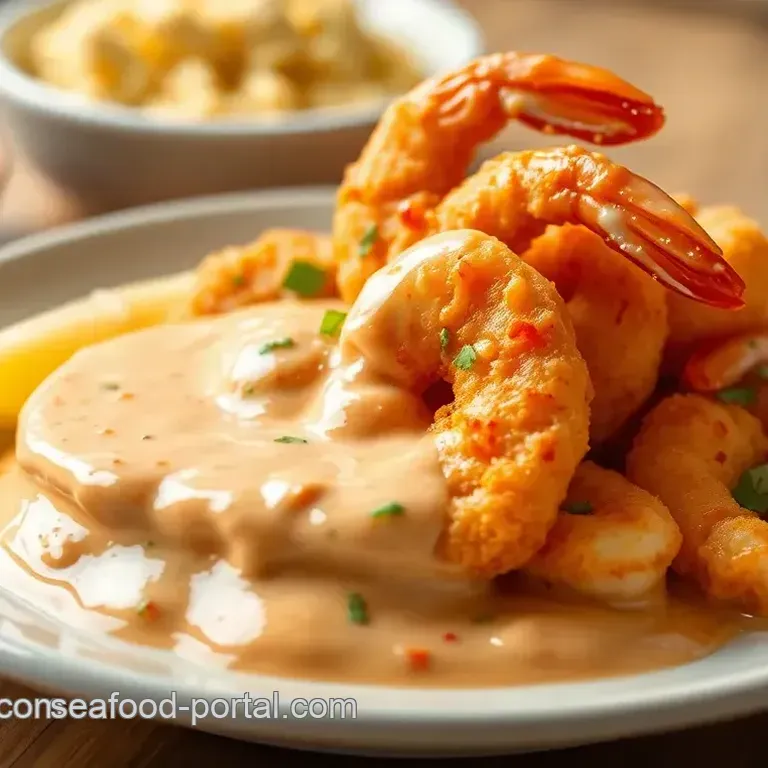
- Time: 15 min active + 15 min cook
- Flavor/Texture Hook: A brittle, golden-brown crust with a zesty, spicy dip
- Perfect for: Game day snacks or a rapid seafood dinner
There is a certain music to shrimp hitting 350°F oil. It begins with a sudden hiss, then transitions into a constant, bubbling crackle that signals the crust is setting perfectly.
When I first tried this at home, I used nothing but flour; the result was a pale, spongy coating that detached the moment it touched the sauce.
You don't need an industrial fryer or a chef's setup to get that professional level crunch. It's a common misconception that a heavy batter or intricate tempura is required. In reality, all you need is dry shrimp and a sprinkle of cornstarch.
This version of Fried Shrimp provides a shattering exterior and a bold dip. We layer the taste by adding smoked paprika to the coating and finishing it with a tangy, spicy zip from the sauce. It is a simple process that feels sophisticated without the stress.
How to Nail This Fried Shrimp
- Cornstarch Blend: Mixing cornstarch with flour creates a tighter lattice that blocks oil from soaking in.
- Dry Prep: Patting shrimp with paper towels removes surface moisture so the breading doesn't slide off.
- Oil Temp: Maintaining 350°F ensures the crust browns quickly before the shrimp overcooks and turns rubbery.
| Approach | Temp | Texture | Best For |
|---|---|---|---|
| Fast Pan Fry | Medium High | Lighter, uneven | Small batches |
| Classic Deep Fry | 350°F | Uniform, shattering | Parties |
Basic Recipe Specs
Let's go over the timing. This meal is built for speed, taking you from raw shrimp to a finished plate of Fried Shrimp in roughly 30 minutes. The secret is setting up your breading station before the oil starts heating.
If you delay the breading until the oil is hot, you'll risk a messy counter and oil that has already started to cool.
I've discovered that frying in batches of 6 to 8 shrimp works best. Adding too many at once will cause the oil to cool too quickly, which leads to greasy shrimp. Make sure they have plenty of room to sizzle.
Shopping List Breakdown
Select large shrimp for this recipe. They are meaty enough to hold up against the high heat of the fryer without shrinking too much. If you prefer jumbo shrimp, you may need to extend the cooking time by one minute.
What Each Ingredient Does
| Ingredient | Role | If You Don't Have It |
|---|---|---|
| Cornstarch | Maximum Crunch | Rice flour (comparable crispness) |
| Smoked Paprika | Deep Color | Sweet paprika (milder flavor) |
| Sriracha | Spicy Kick | Sambal Oelek (stronger pungency) |
| Honey | Sweet Contrast | Maple syrup (different flavor profile) |
Full Ingredient List
- 1 lb large shrimp, peeled and deveined Why this? Ideal size for quick frying.
- 1/2 cup all purpose flour Why this? Creates the foundation of the coating.
- 1/2 cup cornstarch Why this? Ensures a light, crisp finish.
- 1 tsp smoked paprika Why this? Gives a rich, reddish tone.
- 1/2 tsp garlic powder Why this? Adds a depth of savoriness.
- 1/2 tsp salt Why this? Enhances all the flavors.
- 1/4 tsp black pepper Why this? Provides a hint of warmth.
- 2 large eggs, beaten Why this? Helps the breading stick.
- 2 cups vegetable oil Why this? High smoke point and mild taste.
- 1/2 cup mayonnaise Why this? Creates a creamy dip base.
- 2 tbsp Sriracha Why this? Adds zesty, garlicky heat.
- 1 tbsp honey Why this? Balances the spicy elements.
- 1 tsp fresh lemon juice Why this? Cuts through the richness.
- 1/4 tsp cayenne pepper Why this? Adds a final touch of spice.
Quick Swaps Table
| Original Ingredient | Substitute | Why It Works |
|---|---|---|
| Vegetable Oil | Canola Oil | Similar neutrality and heat tolerance |
| Honey | Agave | Comparable thickness, more neutral |
| Smoked Paprika | Chili Powder | Adds color and heat, but less smoke |
Gear You Will Need
No professional gear is required. A Dutch oven or a heavy bottomed skillet is ideal since they retain heat far better than thin cookware, preventing the temperature from plummeting when the Fried Shrimp hit the oil.
A wire cooling rack is essential. Placing hot, fried seafood directly on paper towels traps steam underneath, making the bottom of your shrimp soggy within two minutes. The rack allows for proper air circulation, which keeps that mahogany crust crisp.
Lastly, rely on a digital thermometer. Guessing the oil's heat is a risk; if it's too low, the shrimp become greasy, and if it's too high, the exterior burns before the inside is fully cooked.
Key Steps
Setting Up the Breading Station
Arrange three shallow bowls. In the first, whisk together the flour, cornstarch, smoked paprika, garlic powder, salt, and black pepper. In the second, beat the eggs. The third bowl should contain another portion of the flour cornstarch mixture.
This double dredge technique ensures the Fried Shrimp coating adheres perfectly.
Prepping the Seafood
Thoroughly dry the shrimp with paper towels. This step is critical; if they remain damp, the flour will turn into a paste that peels away in the oil. Spend those extra two minutes ensuring they are completely dry.
Heating the Oil
Pour vegetable oil into your skillet. Heat over medium high until a thermometer reads 350°F (175°C). If you lack a thermometer, drop in a pinch of flour; an immediate sizzle indicates the oil is ready.
The Coating Process
Coat a shrimp in the seasoned flour, dip it into the egg, and then press it into the final flour mix. Shake off any surplus. You want a light, even layer rather than a thick cake of batter.
Executing the Fry
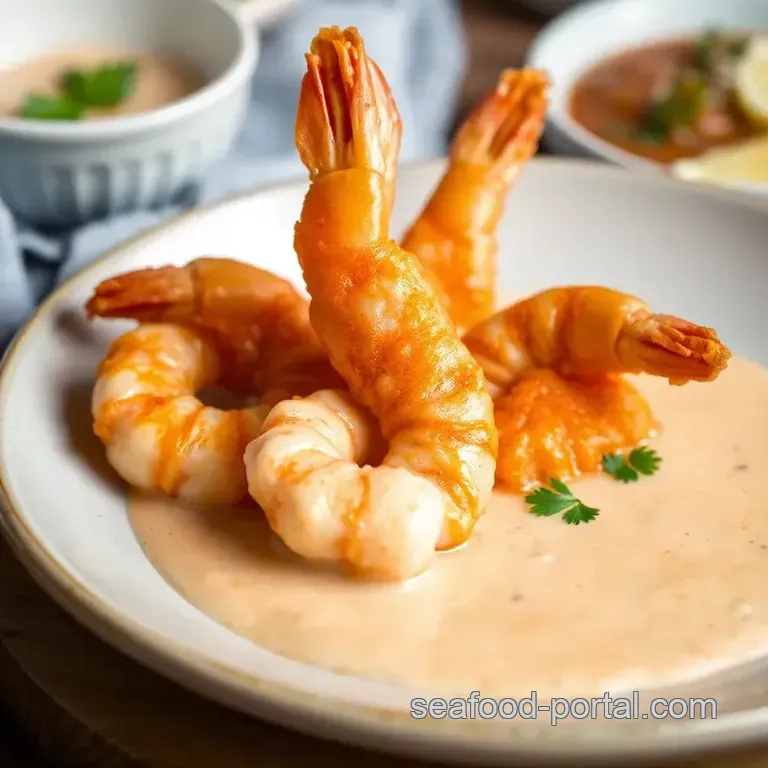
Carefully slide the shrimp into the oil in small batches. Fry for 2–3 minutes, flipping them once. Look for a mahogany gold exterior and an opaque center.
Cooling for Crispness
Transfer the Fried Shrimp immediately to a wire rack. Let them rest for a minute. This allows the residual internal heat to finish the cooking process without absorbing additional oil.
Whisking the Signature Sauce
While the shrimp rest, combine the mayo, Sriracha, honey, lemon juice, and cayenne in a bowl. Whisk until the consistency is smooth and velvety. Taste and add a tiny bit more honey if you prefer it sweeter.
Final Plating
Pile the hot shrimp on a platter and serve the Spicy Creamy Sauce in a side bowl. This ensures the shrimp stay crispy until the very last bite.
What Can Go Wrong
Preventing Breading Sloughing
If you see the coating sliding off in the oil, your shrimp were too wet or your egg wash was too thin. Always pat the seafood dry. Also, make sure you press the final flour layer firmly onto the egg coated shrimp.
Stopping the Oil Soak
Greasy Fried Shrimp happen when the oil temperature drops too low. This usually happens if you put too many shrimp in at once. Work in smaller batches and wait for the oil to climb back to 350°F between sets.
Taming Excessive Heat
If the Spicy Creamy Sauce is too aggressive for your guests, don't just add more mayo. Add a teaspoon of extra honey or a squeeze more lemon juice. The acidity and sweetness neutralize the capsaicin without making the sauce bland.
Avoiding Rubbery Texture
Overcooking is the enemy of seafood. As soon as the shrimp curl into a "C" shape and the crust is mahogany, pull them out. If they curl tightly into an "O", they've stayed in too long.
Perfect Complements
Fried Shrimp with Spicy Creamy Sauce needs something fresh to balance the richness. I love serving these with a crisp slaw featuring cabbage, shredded carrots, and a lime vinaigrette. The acidity cuts right through the fried coating.
For a heartier meal, try pairing them with a side of steamed jasmine rice or some grilled corn on the cob. If you're doing an appetizer spread, add some celery sticks and sliced cucumbers to the plate.
If you find yourself loving this flavor profile, you might also like my Bang Bang Shrimp recipe, which uses a similar spicy sweet logic but a different sauce application.
Decision Shortcut
- Extra tang? → Fold in 1 tsp lemon zest.
- More heat? → Add a pinch of cayenne to the flour mix.
- Lighter crust? → Use 70% cornstarch and 30% flour.
Make-ahead and Leftover Tips
Fried food doesn't love the fridge, but you can make it work. Store any leftover Fried Shrimp in a container with a piece of paper towel at the bottom to absorb excess moisture. They'll stay decent for about 2 days.
For the sauce, keep it in a sealed jar. It stays fresh for 3 to 4 days. In fact, the Spicy Creamy Sauce often tastes better the next day after the honey and Sriracha have had time to meld.
The Proper Reheat
Never use a microwave for leftovers. It turns the crust into a sponge. Instead, use a toaster oven or an air fryer at 375°F for about 3-5 minutes. This brings back the crunch without overcooking the shrimp.
Zero Waste Tip
Don't toss the shrimp peels and heads if you bought them whole. Throw them in a pot with some water, onion, and celery, and simmer for 20 minutes. You've just made a quick seafood stock that's great for risottos or chowders.
Mix It Up
Achieving a Panko Crunch
If you want a thicker, more jagged crust, replace the final flour dredge with Panko breadcrumbs. The process is the same: flour, egg, then Panko. This gives the Fried Shrimp a more traditional "shrimp basket" feel.
Creating a Honey Mustard Twist
You can swap the Sriracha in the sauce for Dijon mustard. Keep the honey and lemon juice, and you've got a sweet and tangy dip that feels a bit more classic and less fiery.
Switching to an Air Fryer
If you're avoiding the oil vat, you can air fry these. Toss the breaded shrimp in a light spray of oil and cook at 400°F for 8-10 minutes, flipping halfway through. They won't be as mahogany as the deep fried version, but they're still quite tasty.
For those who prefer a cold seafood option, you could try a Shrimp Salad for 6 recipe as a side for a summer party.
Going dairy-free
The mayo in the Spicy Creamy Sauce is the only dairy adjacent ingredient. Swap it for a vegan mayo or a thick Greek yogurt for a tangier, lighter version of the dip.
Adding a Zesty Kick
Try adding a pinch of cayenne pepper directly into the flour mixture. This builds the heat into the crust itself, making the Shrimp with Spicy Creamy Sauce feel like a cohesive heat experience from the first bite.
Right then, that's how you handle Fried Shrimp at home. It's all about that cornstarch ratio and keeping your oil hot. Once you stop fearing the fryer and start trusting your thermometer, you'll realize that the best seafood isn't always at a restaurant.
It's usually right in your own kitchen, smelling of smoked paprika and sizzling in a Dutch oven. Now, go get some shrimp and start frying.
Recipe FAQs
Why is my breading sliding off the shrimp?
Pat the shrimp completely dry with paper towels first. Surface moisture creates a barrier that prevents the flour and cornstarch from adhering firmly to the seafood.
How to avoid rubbery shrimp?
Fry for only 2 3 minutes at 350°F. Overcooking quickly toughens the meat; remove them from the oil as soon as they are opaque and mahogany gold.
Is it true I need a professional deep fryer for this crunch?
No, and here's why. A deep skillet or Dutch oven holds heat efficiently enough to achieve the same shattering crust without commercial equipment.
What happens if the oil is too cold?
The shrimp will absorb too much oil. Low temperatures prevent the crust from searing instantly, resulting in a greasy, soggy texture instead of a crisp shell.
Which dip pairs best with this recipe?
The Sriracha and honey blend is ideal. For a slightly different flavor profile, you can use a spicy mayo.
Does adding cornstarch ruin the traditional breading?
No, this is a common misconception. The cornstarch blend is essential for creating a tighter lattice that keeps the coating rigid and prevents oil soakage.
Irresistible Bang Bang Shrimp Recipe