Baked Grouper with Garlic Lemon Butter: Chefs Secret
Make the best Baked Grouper with Garlic Lemon Butter effortlessly. This recipe is one of the best gr...
25 Mins
Fish and shellfish recipes with clear steps, realistic times and doneness tips, from 30-minute dinners to grilled mains, pasta, soups and festive dishes.

Craving a Spicy Coconut Prawn Curry Delight? This Thai meal is ready in 30 minutes and includes a table explaining ingredient roles and substitute notes.
View Recipe
Make the best Baked Grouper with Garlic Lemon Butter effortlessly. This recipe is one of the best gr...
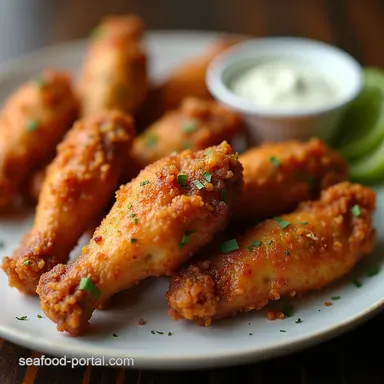
Get ridiculously Extra Crispy Baked Chicken Wings with this Run Lift Eat Repeat inspired recipe Cris...
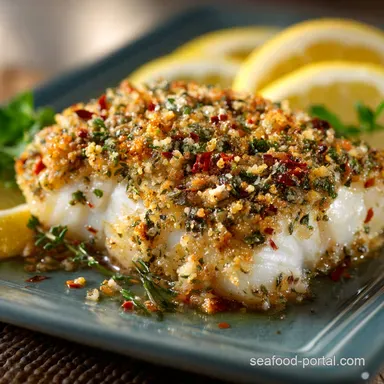
Our Baked Pollock Fish recipe guarantees moist, flaky fillets every time. Achieve a perfect, crunchy...

This Easy Grilled Salmon Fillet is a weeknight win. Try this Easy Grilled Salmon Recipe for a quick ...

Learn how to make perfectly tender Oven Baked Rockfish with a bright, crispy lemon-herb crust. This ...

Ready in 40 minutes, this Baked Crab Stuffed Salmon with Creamy Filling ensures a rich, cheesy resul...
Handpicked collections to inspire your next meal
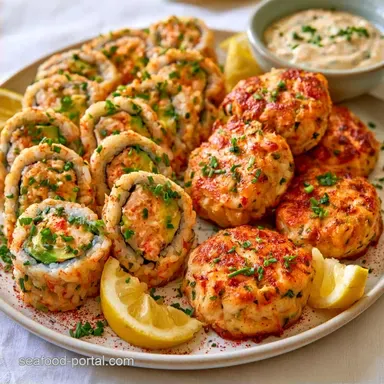
Find 22 imitation crab recipes, from homemade sushi and creamy salads to hot dips, crab boils, pasta…
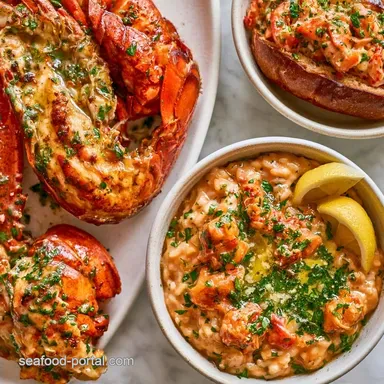
View Collection →Plan lobster for dinner with grilled tails, creamy pasta, lobster rolls, stews, and special occasion…
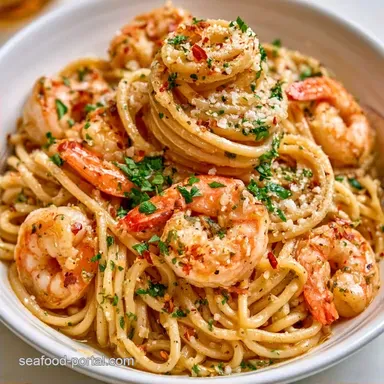
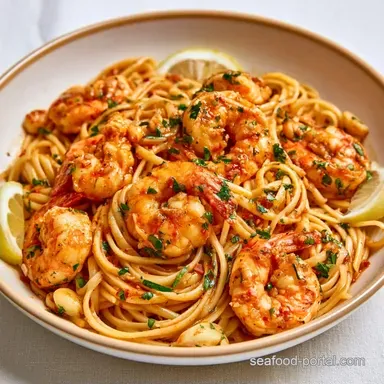
View Collection →Find creamy garlic Parmesan shrimp pasta, lemony spaghetti, spicy Cajun versions, tomato sauces, and…
View Collection →Find langostino tails pasta, garlic butter dishes, appetizers, casseroles, and salad ideas, includin…
View Collection →
Seafood dinners built around short cooking times, from 12-minute pan-fried salmon to garlic shrimp…

Crab, lobster, scallop, clam and shrimp recipes, from 15-minute pan dishes to bakes for company.

Seafood starters and finger foods for parties, game days and light bites before dinner.

Seafood cooked with East and Southeast Asian flavors, from miso cod and soy-ginger sea bass to…
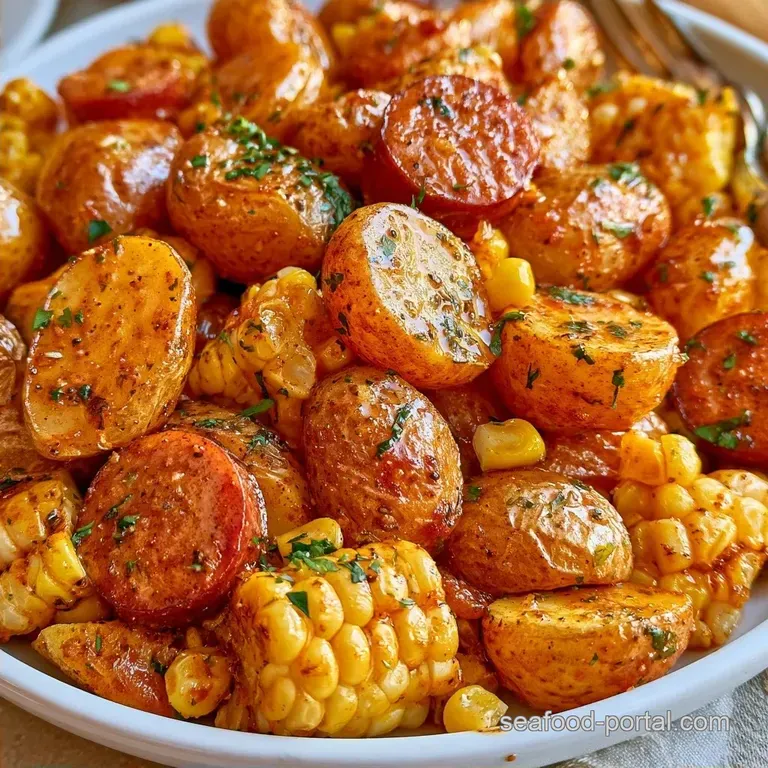
Phased boiling and a garlic butter finish keep this Imitation Crab Boil tender. Corn and potatoes go in first, crab last, all done in 30 minutes.

Make the *best* Easy Sushi Roll with Avocado and Imitation Crab! This simple, no-cook recipe is perfect for sushi lovers of all skills. Dive in for tips!
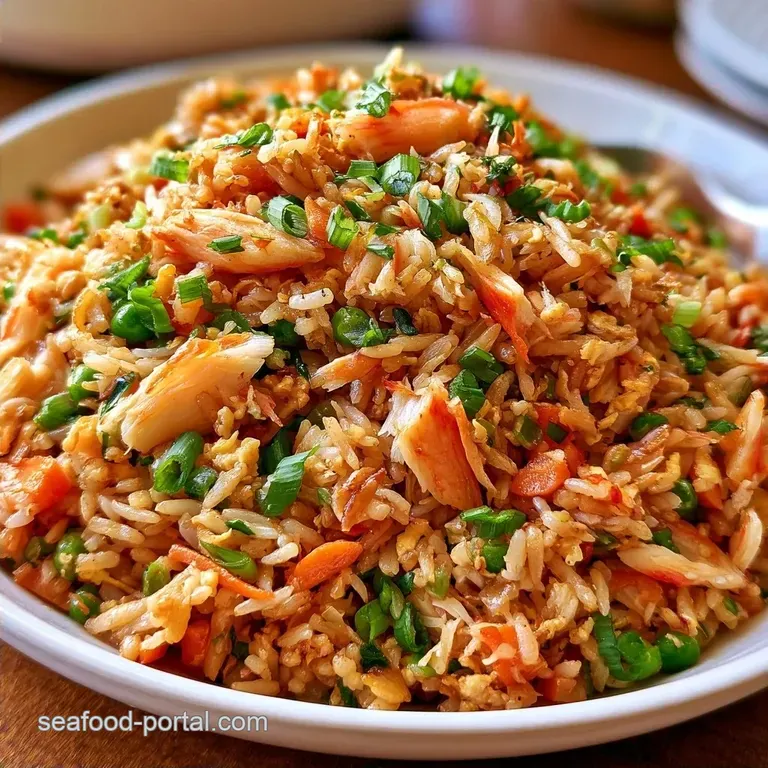
Salty, lightly charred Imitation Crab Fried Rice with sweet crab flakes and soft egg. Chilled rice stays separate in the wok. Serves 4 on weeknights.

This Joes Crab Shack Crab Dip copycat recipe is the ultimate baked appetizer Enjoy the Hot Crab and Cheese Bake at home Its an easy baked crab dip recipe…

Dive into Decadence Shrimp Crab Alfredo Lasagna RollUps This seafood lasagna rolls recipe is pure comfort food Creamy dreamy and surprisingly easy Get the…

Need a budgetfriendly seafood fix This imitation crab salad is creamy flavorful and ready in minutes Its proper good innit Get the recipe now
Four authors cover everyday fresh seafood, Asian street food, Mediterranean tapas and wild-caught fish, each with their own style of cooking.
See how our recipes are developed and checked before they are published.
Meet Our TeamSeafood Portal is a collection of fish and shellfish recipes written for home cooks. Some are ready in 15 minutes, like Best Garlic Shrimp in 15 Minutes or Tuna Rice Bowl Recipe in 15 Minutes. Others take a little more planning, like Foolproof Roasted Branzino with Garlic and Herbs in 40 Mins or Portuguese Caldo Verde Recipe in 40 Minutes.
Each recipe lists ingredients, times and temperatures, so you can judge whether a dish fits your evening before you start.
Browse by the kind of meal you want to make:
If you already know your main ingredient, the themed collections are a faster route. They gather one subject in one place, from shrimp spaghetti and tuna patties to air fryer cod, smoked salmon and clam chowder.
Read the whole recipe before you turn on the heat. Seafood cooks quickly, so have the sauce, garnish and side dishes ready first. Thin fillets and shrimp can go from done to dry in a minute or two. If a recipe gives a range, start checking at the early end.
Color and flaking are useful signs, but a thermometer is more reliable. The USDA recommends 145°F (63°C) for fish, measured at the thickest part. Shrimp, lobster and crab turn opaque and firm when cooked. Clams, mussels and oysters should open as they cook, and any that stay shut afterward should be discarded.
Fish of similar thickness and fat content usually swap well: cod for haddock or pollock, salmon for steelhead trout, tilapia for other mild white fillets. A thicker cut needs more time and a thinner one needs less, so adjust and keep checking. For shellfish, shrimp and langostino often stand in for each other in pasta and soups. Imitation crab is already cooked, so add it near the end to warm it through.
Recipes here are developed and then edited for clear, numbered steps, realistic cooking times and temperatures, sensible ingredient substitutions and food-safety notes. Stove tops, grills and ovens vary, and so does the thickness of a fillet, so treat times as a guide and rely on your own judgement. Use a thermometer to verify doneness, and adjust seasoning to your taste.
Four authors write for the site, each with a different focus. Laura Tide covers fresh, flavorful everyday seafood cooking. Lucas Kim focuses on Asian seafood street food. Marissa Duarte writes about seafood tapas and Mediterranean classics. Aidan Rivers works with wild-caught fish and food photography. You can find out more on the About Us page, or send a question or correction through the Contact Us page.
If you are new to cooking fish, try a quick pan-seared or grilled recipe with a firm fillet and few ingredients. If you are feeding a crowd, a one-pot dish such as Cajun Seafood Boil Foxy Your Ultimate OnePot Party or a soup from the collections keeps the work manageable. If you are planning a celebration, browse the festive recipes a few days ahead so you have time to shop and prepare.
Whatever you choose, buy seafood from a source you trust, keep it cold, and cook it just until done.