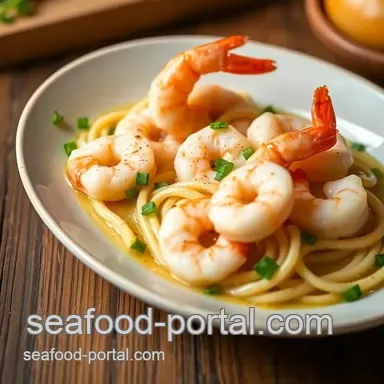
Sautéed Shrimp Scampi with Garlic Butter in 20 Minutes
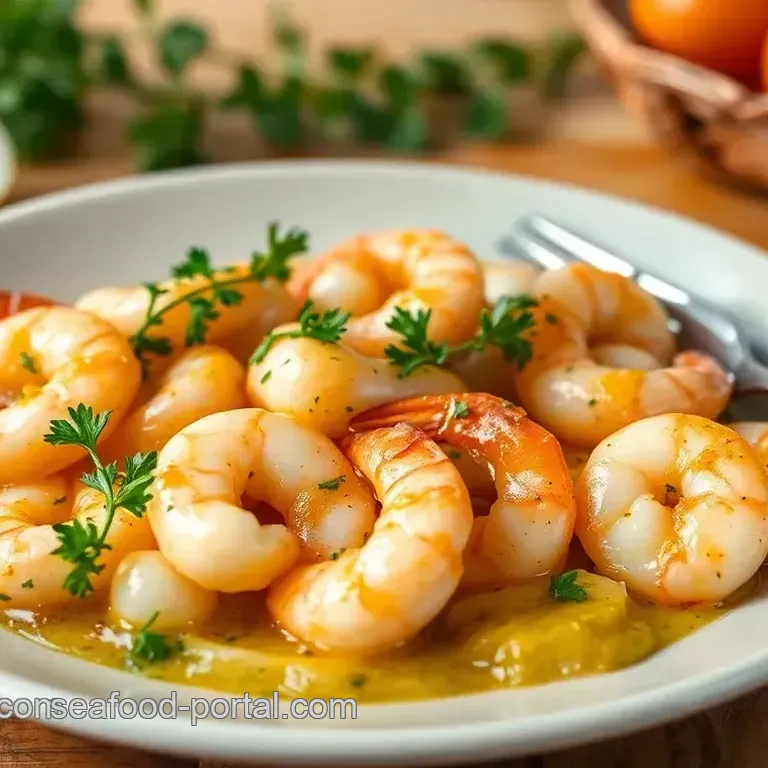
- Time: 10 min active + 10 min cook
- Flavor/Texture Hook: Zesty, buttery, and punchy garlic
- Perfect for: 20 minute weeknight dinner or a quick date night
That signature sizzle as the shrimp hit the hot skillet is the most satisfying moment. In the past, I once attempted this for several guests and made the mistake of crowding the pan, which scorched the garlic. The result was rubbery seafood and a bitter sauce reminiscent of burnt toast a total disaster.
I've since discovered that success comes down to managing the heat and the clock. Achieving a gourmet result doesn't require professional equipment, just a careful eye on the pan's temperature.
This Sautéed Shrimp Scampi with Garlic Butter is a quick triumph. It's fresh and vibrant, offering a high end experience on a budget. The key is the balance between the decadent butter and the acidic brightness of lemon and white wine.
Quick Recipe Specs
Efficiency is key here. You'll spend 10 minutes prepping and 10 minutes cooking to feed 4 people, relying on just a few high impact ingredients.
The taste profile is simple yet effective: the richness of butter, the zest of lemon, and the savory punch of garlic create a foolproof combination.
- For more sauce
- increase the white wine to 1/2 cup.
- For a spicy kick
- double the red pepper flakes.
- For a thicker glaze
- simmer the wine reduction for an additional 60 seconds.
Shopping List Breakdown
Prioritize fresh garlic for this recipe. Jarred, pre-minced options often carry a metallic edge that masks the dish's natural brightness. For the best results, mince a fresh bulb immediately before you begin cooking.
Choose large shrimp for this dish. They maintain their texture better during the searing process, whereas smaller shrimp tend to shrink and become rubbery too quickly.
- Dry White Wine
- Introduces depth and acidity, balancing the butter so the sauce doesn't feel too heavy. For a non-alcoholic alternative, a easy garlic scampi sauce method using chicken broth works well.
- Butter
- Creates a rich texture and ensures the sauce adheres to the seafood.
- Lemon
- Both the juice and zest provide the vibrant "top notes" essential for a fresh taste.
- Scampi Seasoning
- A savory blend, typically featuring onion powder and paprika, to provide a solid flavor base.
Ingredients & Substitutes
- 1 lb large shrimp, peeled and deveined Reason: Prevents overcooking (Sub: scallops)
- 1/2 tsp salt Reason: Fundamental seasoning (Sub: kosher salt)
- 1/4 tsp black pepper Reason: Mild warmth (Sub: white pepper)
- 1/2 tsp scampi seasoning Reason: Layers the flavor (Sub: Old Bay)
- 2 tbsp extra virgin olive oil Reason: Heat stability for searing (Sub: avocado oil)
- 3 tbsp unsalted butter Reason: Manages sodium levels (Sub: salted butter, omit extra salt)
- 5 cloves garlic, minced Reason: Primary flavor profile (Sub: garlic powder - use 1 tsp)
- 1/4 cup dry white wine Reason: Necessary acidity (Sub: dry vermouth or chicken broth)
- 1 tbsp lemon juice Reason: Cuts through the fat (Sub: white wine vinegar)
- 1 tsp lemon zest Reason: Potent citrus aroma (Sub: omit)
- 1/4 tsp red pepper flakes Reason: Lingering spicy finish (Sub: pinch of cayenne)
- 2 tbsp fresh parsley, chopped Reason: Crisp, herbal note (Sub: dried parsley)
- 2 tbsp grated Parmesan cheese Reason: Savory umami boost (Sub: Pecorino Romano)
| Original Ingredient | Substitute | Why It Works |
|---|---|---|
| Dry White Wine | Chicken Broth | Matches liquid volume. Note: Lacks the tartness of wine |
| Parmesan Cheese | Pecorino | Similar hard, salty cheese profile. Note: Slightly saltier |
| Scampi Seasoning | Paprika + Garlic Powder | Replicates primary notes. Note: Less complex |
Equipment Needed
Making Sautéed Shrimp Scampi with Garlic Butter doesn't require any fancy gear. The only essential tool is a large skillet. Be sure to leave plenty of space between the shrimp to prevent overcrowding; this ensures they sear beautifully rather than steaming.
While stainless steel or cast iron pans are ideal for developing a deep crust, a non-stick pan is a perfectly acceptable alternative. Just ensure you have tongs ready for quick flipping.
Additionally, grab a small bowl for the seasoning and a grater for the cheese and lemon zest. To keep things smooth, have everything measured and prepped before you turn on the heat.
How to Make It
Preparing the Protein
Use paper towels to thoroughly dry the shrimp. Note: If the shrimp are damp, they will boil rather than brown in the skillet. Combine them in a bowl with salt, pepper, and scampi seasoning, tossing until well coated.
Searing the Shrimp
Set a skillet over medium high heat with olive oil and 1 tablespoon of butter until it begins to bubble. Place the shrimp in the pan without overlapping and cook for 1-2 minutes each side until pink and opaque. Transfer the shrimp to a plate right away.
Building the Sauce
Lower the temperature to medium and melt the remaining 2 tablespoons of butter. Incorporate the minced garlic and red pepper flakes, cooking for 30-60 seconds until aromatic but not browned.
Finishing the Dish
Deglaze the pan by adding the white wine and lemon juice, stirring to loosen any browned bits from the bottom. Simmer for 2 minutes until the sauce is reduced by half. Put the cooked shrimp and any accumulated juices back into the skillet. Quickly toss for 30 seconds to glaze.
Take off the heat and mix in the lemon zest, fresh parsley, and Parmesan.
What Nobody Tells You
While many cooks simply toss everything into a pan, there is a logical reason for this specific approach.
The Dry Sear: Patting the shrimp dry and searing them first creates a light crust. This preserves the juiciness of the centers and provides a better surface for the sauce to cling to. Cooking the shrimp directly in the sauce from the start often results in a rubbery texture.
The Acid Balance: The lemon juice and wine serve as a balance to the richness of the butter. Without this acidity, the Sautéed Shrimp Scampi with Garlic Butter would taste like nothing more than melted fat. The reduction process intensifies the flavor, turning a thin liquid into a glossy glaze.
Temperature Control: Garlic can burn in a matter of seconds over high heat. Removing the shrimp and lowering the temperature before adding the garlic is essential to ensure a sweet, nutty flavor rather than a bitter one.
What Can Go Wrong (and How to Fix It)
Preventing Burnt Garlic
Garlic is delicate. If the pan is screaming hot from the shrimp sear, the garlic will blacken before you can even add the wine. If you see the garlic turning dark brown, immediately pour in your wine to drop the temperature.
Avoiding Rubbery Shrimp
Overcooking is the biggest enemy here. Shrimp only need a couple of minutes. The moment they turn from translucent to a solid pink "C" shape, they are done. If they curl into a tight "O", they've gone too far.
Fixing a Broken Sauce
If the butter separates and you see oil floating on top, your heat is likely too high. Remove the pan from the heat and whisk in a teaspoon of water or a bit more lemon juice to bring it back together.
| Problem | Fix |
|---|---|
| Bitter taste | Lower heat; don't brown garlic |
| Rubbery shrimp | Pull from pan the second they turn pink |
| Sauce too thin | Simmer wine reduction for 1 extra minute |
| Bland flavor | Add a pinch more salt or a squeeze of fresh lemon |
Preservation Secrets
I'll be honest: this dish is meant to be eaten the second it leaves the pan. The shrimp lose their texture in the fridge, and the butter sauce can get grainy. But if you have leftovers, store them in a sealed container for up to 2 days.
To reheat, don't use a microwave. It'll turn the shrimp into erasers. Instead, put the shrimp and sauce in a small skillet over low heat. Add a tiny splash of water or white wine to loosen the sauce back up, and heat just until warmed through.
For zero waste, don't toss the shrimp shells if you bought them whole. Throw them in the freezer in a bag. Once you have a few, boil them with some onion and celery to make a quick seafood stock for risotto.
Make It Your Own
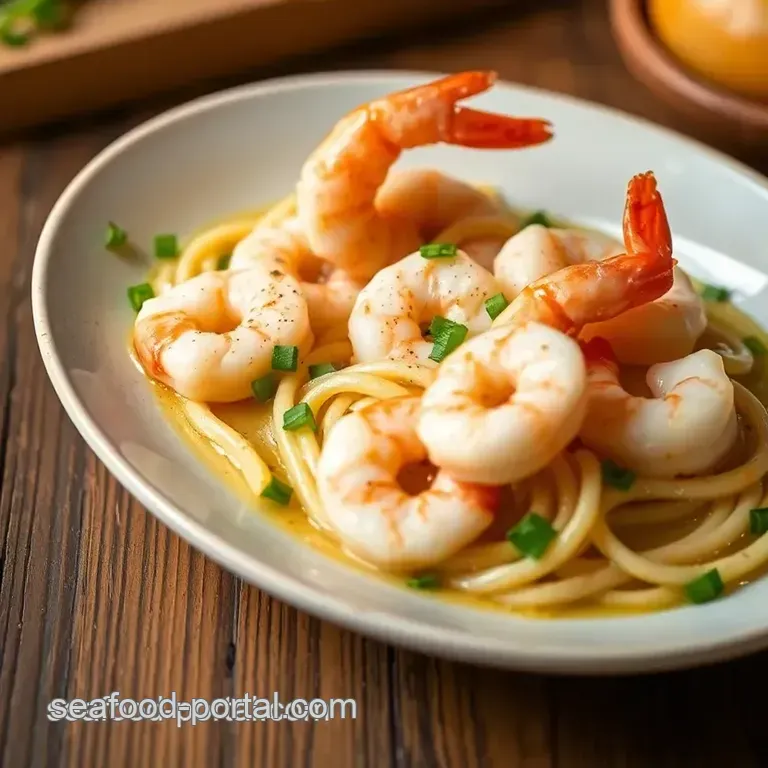
While this is great on its own, it's very versatile. For a more filling meal, I love tossing this with an Italian shrimp scampi pasta recipe using linguine or angel hair. The pasta absorbs that buttery sauce perfectly.
For those watching carbs, serve the Sautéed Shrimp Scampi with Garlic Butter over zoodles or sautéed spinach. The richness of the garlic butter makes the vegetables taste indulgent.
You can also swap the white wine for a splash of dry sherry for a deeper, nuttier flavor. If you want a creamy version, stir in a tablespoon of heavy cream at the very end before adding the parsley.
Pairing Ideas
Because this is quite rich, you want sides that offer a crisp contrast. A simple arugula salad with a sharp balsamic vinaigrette cuts through the butter. , try some roasted asparagus with a squeeze of lemon.
If you're serving it with bread, a toasted baguette is a must. You don't want to waste a single drop of that sauce. I usually brush the bread with a bit of olive oil and toast it in the oven for 5 minutes.
For a drink, stick with the wine you used in the sauce. A chilled Pinot Grigio or Sauvignon Blanc matches the citrus notes and keeps the meal feeling light and fresh.
Recipe FAQs
Which white wine works best for scampi?
Use a dry white wine like Pinot Grigio or Sauvignon Blanc. These options provide the necessary acidity without adding unwanted sweetness to the garlic butter sauce.
Why do my shrimp often turn out rubbery?
You are likely overcooking them. Sear for only 1-2 minutes per side until opaque and pink to maintain a tender texture.
How to stop the garlic from burning in the pan?
Reduce the heat to medium before adding the butter and garlic. Sauté for only 30-60 seconds until fragrant, then immediately pour in the wine to lower the pan temperature.
Is it true that I should simmer the shrimp in the sauce for several minutes?
No, this is a common misconception. Return the seared shrimp to the pan and toss rapidly for only 30 seconds to glaze them without overcooking.
What side dish pairs best with this meal?
Serve this over linguine or with a crusty baguette to soak up the lemon butter. If you enjoy these rich, buttery flavors, you might also like the velvet textures in our shrimp Newburg recipe.
Does drying the shrimp actually make a difference?
It ensures a proper sear. Excess moisture creates steam in the pan, which prevents the shrimp from browning and can lead to a boiled texture.
Can I make the flavor more spicy?
Double the amount of red pepper flakes during the garlic sauté step. This adds a punchy heat that cuts through the richness of the unsalted butter.
Delicious Shrimp Scampi In 30 Minutes