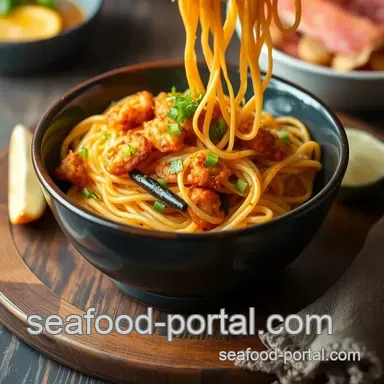
Restaurant-Style Crispy Seafood Noodles

- Time: 15 minutes prep + 25 minutes stovetop
- The Draw: Brittle, golden noodles paired with a silky seafood sauce
- Perfect for: Bringing authentic street-food vibes to your dinner guests
Making Crispy Seafood Noodles
There's something satisfying about that sharp hiss as the noodle nest hits the oil. I recall making this in a tiny kitchen years ago, with the aroma of toasting egg noodles drifting through every room.
It evokes the atmosphere of vibrant night markets, where steam fills the air and the rhythmic clank of metal spatulas echoes against woks.
The dried egg noodles are the centerpiece of this dish. While some might be tempted to boil them beforehand, avoid that mistake. Dropping them directly into the hot oil allows them to puff up into light, airy clouds. This technique ensures they maintain their structure under a rich sauce instead of turning into mush.
The resulting combination of textures is almost paradoxical. You get the snap of the shrimp, the tender bounce of the squid, and a loud, satisfying crunch from the noodles. It's a daring approach to seafood that feels far more dynamic than a traditional stir fry.
Quick Specs for This Meal
Let's start with the essentials. The key to this dish is efficiency once your prep is finished. With the seafood chopped and the sauce ready, the actual cooking is a quick whirlwind over high heat.
If you enjoy contrasting flavors, this recipe is a fantastic choice. It balances the saltiness of the oyster sauce against the sweetness of the scallops and the crispness of the bok choy. It's a stunning presentation that comes together in only 40 minutes.
Why the Textures Work
The magic happens because of how we handle the heat. It's not just about cooking the food, but about creating layers of different physical states on one plate.
- over High heat Puffing: Dropping dried noodles into 350°F oil causes the moisture inside the noodle to expand rapidly, creating those air pockets that give the base its crunch.
- Sauce Viscosity: Using a cornstarch slurry creates a thick, glossy coating that clings to the seafood and vegetables. This prevents the sauce from running straight through the noodles and making them soggy too fast.
When you're making a sauce like this, the thickness is key. If the gravy is too thin, it's like pouring water on crackers. But if it's thick, it sits on top of the noodle nest. For a different kind of flavor punch, you might like my ginger sauce recipe, which uses a similar balance of salt and zing.
| Noodle Choice | Fry Time | Texture Result | Best For |
|---|---|---|---|
| Dried Egg Nest | 30-60 seconds | Light, airy, shattering | Traditional crunch |
| Fresh Wide Noodles | 2-3 minutes | Chewy edges, crisp center | Heartier bite |
| Rice Vermicelli | 15-30 seconds | Thin, brittle, very crisp | Lighter feel |
The Main Ingredients
I've chosen a seafood medley here because the contrasting textures are the heart of the dish. You get a buttery sweetness from the scallops and a pleasant chew from the squid. Using a single protein would sacrifice that authentic street food complexity.
What Each Ingredient Does
| Component | Purpose | Substitute Notes |
|---|---|---|
| Dried Egg Noodles | Structural base | Rice sticks work, but puff less |
| Oyster Sauce | Deep umami salt | Hoisin adds more sweetness |
| Cornstarch | Thickens the gravy | Arrowroot is a great alternative |
| Bok Choy | Fresh, bitter crunch | Napa cabbage is a softer swap |
The Full Shopping List
- 1 lb dried egg noodles Why this? They puff up better than fresh noodles.
- 2 cups neutral oil (canola or vegetable)
- 1/2 lb shrimp, peeled and deveined Why this? Holds shape well under high heat.
- 1/2 lb squid, sliced into rings
- 1/2 lb sea scallops, halved horizontally
- 2 large eggs, lightly beaten
- 1 tbsp neutral oil (for the stir fry)
- 2 cups chicken or seafood broth
- 2 tbsp oyster sauce
- 1 tbsp soy sauce
- 1 tsp toasted sesame oil
- 1 tbsp cornstarch
- 2 tbsp water
- 1/2 tsp white pepper
- 3 cloves garlic, minced
- 1 small onion, thinly sliced
- 1 cup carrots, julienned
- 2 cups bok choy or napa cabbage, chopped
- 2 stalks green onions, sliced
Chef Note: If you can find frozen "bird's nest" noodles at an Asian grocer, grab those. They're pre shaped for frying and make the plating look professional without any effort.
Tools for the Job

A wok is a huge advantage, though you don't need a commercial setup. The high sides keep the seafood and vegetables contained as you toss them, preventing a mess on your stove. If you use a deep skillet instead, fry in smaller portions to avoid overloading the pan.
A spider skimmer is highly recommended. Trying to lift fried noodles with a slotted spoon often breaks the nests, while a spider allows for a quick lift and an easy shake to remove excess oil.
Finally, keep a wire rack handy. Putting piping hot noodles directly onto a plate traps steam underneath, which makes the bottoms soggy before you've even added the sauce.
Step by step Cooking
Let's get into it. The key to these Crispy Seafood Noodles is timing. You want the noodles fried and ready, and the sauce bubbling, so everything hits the plate while it's still hot.
Phase 1: Achieving the Golden Fry
- Heat 2 cups of oil in a wok until it reaches 350°F (175°C). Note: Use a thermometer to avoid burning the noodles.
- Carefully drop the dried noodle nests into the oil. Press them down slightly with a spatula for 30–60 seconds until they puff up and turn light golden brown.
- Remove with a spider skimmer and drain on a wire rack. Place each nest on a serving plate.
Phase 2: Searing the Seafood Medley
- Drain all but 1 tbsp of oil from the wok.
- Sear the scallops and shrimp for 1 minute per side until they are just opaque. Remove and set them aside on a plate.
- Sauté squid rings for 30 seconds until they curl and turn white, then remove.
- Pour in the beaten eggs and scramble quickly until they are just set. Remove the eggs from the pan.
Phase 3: Crafting the Velvet Sauce
- Sauté minced garlic and onion in the same wok until they are fragrant and translucent.
- Add carrots and bok choy, stir frying for 2-3 minutes until they are tender crisp.
- Pour in the broth, oyster sauce, soy sauce, sesame oil, and white pepper. Bring the mixture to a simmer.
- Mix cornstarch and water in a small bowl to create a slurry, then stir it into the sauce until it thickens into a glossy gravy.
Phase 4: The Final Assembly
- Return the cooked seafood and scrambled eggs to the wok. Toss quickly for 30 seconds until everything is coated in the sauce.
- Garnish with sliced green onions.
- Pour the mixture immediately over your Crispy Seafood Noodles.
Fixing Common Issues
The biggest struggle with this recipe is the "soggy factor." It's a race against time. The moment that sauce hits the noodles, the clock starts ticking. To keep the crunch, the sauce needs to be a thick coating, not a thin soup.
If your seafood is coming out rubbery, you're likely overcooking it. Squid, in particular, can go from tender to "pencil eraser" in about ten seconds. The high heat of the wok is meant for a quick sear, not a slow simmer.
For the sauce, if it doesn't thicken, you might not have let it reach a full simmer. Cornstarch needs heat to activate its thickening properties. If it's still watery, just keep it on the heat for another minute before adding the seafood back in.
Troubleshooting the Crunch and Texture
| Problem | Root Cause | Solution |
|---|---|---|
| Noodles go soggy fast | Sauce too thin or noodles under fried | Increase cornstarch slurry or fry noodles longer |
| Rubbery squid/shrimp | Overcooked during the sear phase | Reduce sear time to 30-60 seconds per side |
| Noodles won't puff | Oil temperature too low | Heat oil to exactly 350°F before adding nests |
| Sauce is lumpy | Cornstarch wasn't mixed with water first | Always create a slurry before adding to the pan |
Swaps and New Flavors
You can easily customize the flavor profile of these Crispy Seafood Noodles by tweaking the sauce. To increase the heat, stir in a tablespoon of chili garlic paste or a pinch of Szechuan peppercorns while sautéing the garlic. This adds a numbing spiciness that balances the richness of the fried noodles.
If you prefer a creamier texture, try substituting the broth with a light coconut milk base. While not traditional, it tastes wonderful. For another rich seafood and pasta combination, you might enjoy this shrimp Alfredo.
Customizing Your Plate
- For a Thai Style Flavor: Exchange oyster sauce for a blend of fish sauce and lime juice.
- For a Low Sodium Option: Opt for low sodium soy sauce, halve the oyster sauce, and add a splash of rice vinegar for brightness.
- For a Vegetarian Swap: Use fried tofu, shiitake mushrooms, and baby corn instead of seafood.
- For a firmer crunch
- Fry the noodles for an additional 15 seconds.
- For a thicker gravy
- Mix an extra teaspoon of cornstarch into your slurry.
- For a bolder seafood taste
- Sear the seafood in butter rather than neutral oil.
Keeping and Warming Leftovers
Honestly, these Crispy Seafood Noodles are meant to be eaten the second they leave the pan. Once the noodles sit in the sauce, they lose that shattering texture. If you have leftovers, you'll find that the noodles have softened into something more like a traditional noodle stir fry.
To store, seal the leftovers in a plastic bin and keep them chilled for up to 2 days. I wouldn't recommend freezing this dish, as the seafood and vegetables will lose their structure and the sauce will break when thawed.
When reheating, avoid the microwave if you can. Use a skillet over medium heat with a splash of water or broth to loosen the sauce. It won't be crispy anymore, but the flavors will still be there.
For zero waste, if you have leftover shrimp shells or scallop corals, don't toss them. Simmer them with a bit of onion and carrot to make a quick seafood stock for your next batch of noodles or a soup.
Best Ways to Serve
Plating is everything with this recipe. You want a shallow bowl or a wide plate so the noodle nest has plenty of room to spread out. Pour the seafood and gravy right into the center of the nest, letting some of it spill over the sides.
The contrast of the bright green bok choy and the orange carrots against the golden noodles makes this a visual win. I like to serve this with a side of sliced cucumbers marinated in rice vinegar and sesame oil to cleanse the palate between the rich, fried bites.
If you're serving a crowd, fry the noodle nests in advance and keep them on a wire rack. When it's time to eat, whip up the seafood gravy in one big batch and divide it among the plates. This ensures everyone gets that first, loud crunch.
Perfect Pairings
For a drink, something acidic works best. A cold glass of Riesling or a crisp sparkling water with lime cuts through the richness of the oil and the salt of the oyster sauce. If you're keeping it non alcoholic, a hot jasmine tea is the traditional and most refreshing choice.
According to USDA FoodData Central, incorporating vegetables like bok choy and carrots adds essential vitamins and fiber to a seafood heavy meal, making the dish more balanced.
Right then, you're all set. Just remember: hot oil, fast searing, and pour that sauce the moment it's thick. Your Crispy Seafood Noodles are going to be a hit.
Recipe FAQs
How to make the noodles puff up properly?
Heat oil to exactly 350°F. Carefully drop in the dried nests and press down slightly for 30–60 seconds until they turn light golden brown.
Do I need to boil the egg noodles before frying them?
No, and here's why. Boiling would make the noodles too soft to fry, preventing them from puffing into the signature crisp nest.
What prevents the seafood from becoming rubbery?
Limit searing to 30–60 seconds per side. Overcooking the shrimp and scallops during the initial sear phase is the primary cause of a tough texture.
Can I swap bok choy for other greens?
Yes, any firm green works. If you enjoyed mastering the tender-crisp texture of vegetables here, the same quick-sauté principle works in our Spicy Miso Ramen.
Is it true that the seafood should be simmered in the sauce until cooked?
Not true. Sear the seafood separately and toss it into the thickened gravy at the very end to maintain a tender bite.
Why do the noodles go soggy so quickly?
Thin sauce or under-frying are the usual culprits. Ensure your cornstarch slurry is sufficient to create a velvet gravy that clings to the noodles rather than soaking into them.
Which oil is best for frying the noodle nests?
Use a neutral oil. A high-smoke-point oil allows the noodles to fry quickly at 350°F without burning or introducing off-flavors.
Crispy Seafood Noodles for 4 Servings