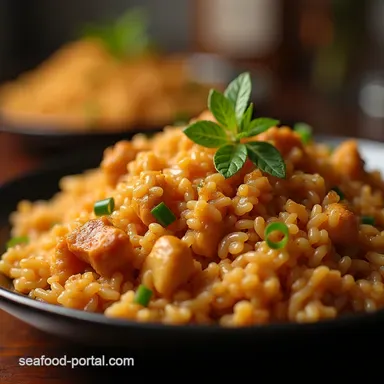
The Wok Star Treatment Authentic Restaurantstyle Chicken Fried Rice
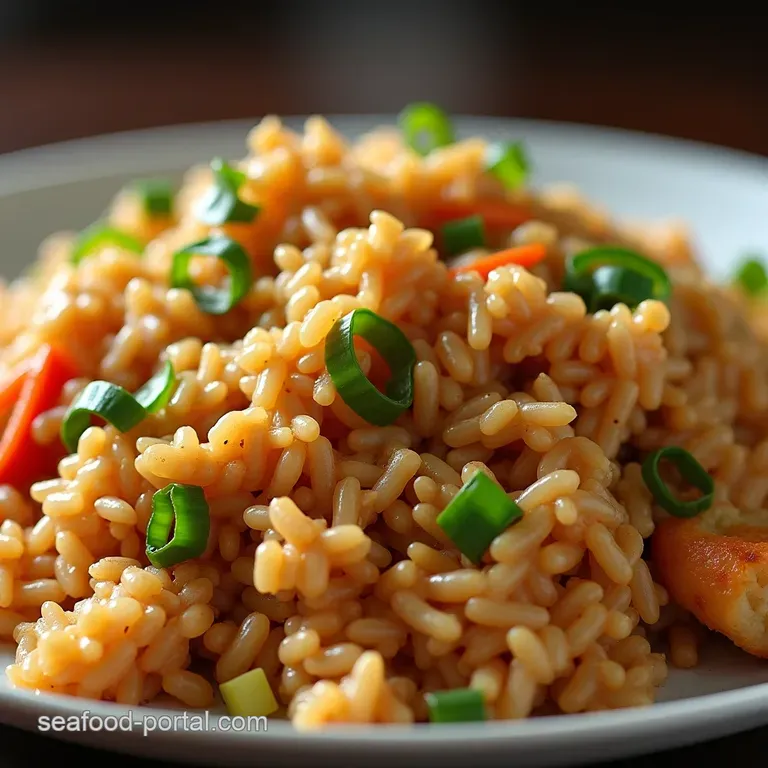
- Unlocking the Secret to Genuine Wok Hei in Your Kitchen
- Why This RestaurantStyle Chicken Fried Rice Beats Takeout Every Time
- The Culinary Toolkit: Essential Gear for Success
- Curating Your Flavor Foundation: What You Need to Make
- The Precision Dance: Step-by-Step Cooking Method
- Troubleshooting and Flavor Enhancements for Home Cooks
- Making the Most of Your Leftovers and Variations
- Serving Suggestions
- Recipe FAQs
- 📝 Recipe Card
Unlocking the Secret to Genuine Wok Hei in Your Kitchen
The quest for that perfect take out flavour, that smoky, intoxicating aroma known as Wok Hei (the breath of the wok), is often the defining difference between an average home stir fry and something truly memorable.
When chasing the Best Restaurant Style Chicken Fried Rice , Wok Hei is not optional it is the soul of the dish. Achieving this requires more than just good ingredients; it demands high heat, fast action, and respecting the process.
Forget those soggy, over sauced versions you might have encountered; we are here to master the art of perfectly dry, flavour infused grains that sing with complexity. This Restaurant Style Chicken Fried Rice Recipe is your backstage pass to making authentic Asian cuisine right on your stovetop.
Why This RestaurantStyle Chicken Fried Rice Beats Takeout Every Time
Home cooking always wins when it comes to freshness, and this Yummy Fried Rice Recipe is no exception. Commercial kitchens often use high powered gas burners that maintain intense, consistent heat, which is hard to replicate.
However, by focusing on preparation specifically, ensuring our rice is bone dry and our cooking surface is screaming hot we bridge that gap significantly. This Simple Chicken Fried Rice method prioritizes sequential cooking, ensuring every component from the tender marinated chicken to the crisp vegetables retains its integrity and distinct flavour profile before they marry in the final toss.
Demystifying the Smoky Char: The Essence of Great Fried Rice
Wok Hei is essentially the flavour imparted when oil vaporizes and coats the food rapidly over extreme heat, creating trace amounts of caramelization and char. To mimic this, we use a high smoke point oil and rely on the vigorous tossing motion in a large wok or skillet.
The key is not to overcrowd the pan; if ingredients steam instead of fry, you lose the char and introduce moisture, which is the enemy of great fried rice. This focused approach is what separates merely adequate fried rice from truly Authentic Chicken Fried Rice .
Your Journey to Perfect Grain Separation Starts Now
The single most important variable in achieving that light, fluffy texture is the rice itself. You cannot use freshly cooked rice for this recipe. The starch structure is too gelatinous and wet, resulting in a thick, sticky mass rather than individual, separated grains.
For this Restaurant Style Chicken Fried Rice , you must use cooked Jasmine rice that has been chilled in the refrigerator for a minimum of four hours, ideally overnight.
This dehydration process firms up the grains, allowing them to absorb the flavour of the sauce without breaking down during the aggressive stir frying.
Meet the Chef: My Obsession with Flawless Stir Fries
Having spent years refining techniques for quick Asian meals, I understand the frustration of a sticky wok. My dedication to precision, especially concerning timing and temperature, is what allowed me to transform a good dish into what I confidently call the Best Restaurant Style Chicken Fried Rice you'll ever make at home.
We will walk through every step methodically, ensuring your experience results in glossy, perfectly seasoned results every single time.
The Culinary Toolkit: Essential Gear for Success
While you don't need an entire professional kitchen, a few specific tools significantly elevate your stir fry game. The primary requirement is a large, heavy bottomed cooking vessel.
A carbon steel wok is traditional and ideal because its shape allows for high heat retention at the base while providing cooler sides for staging ingredients. If a wok isn't available, use the largest, heavy bottomed skillet you own.
Plus,, a flexible wok spatula (or Chuan) is invaluable for scraping the sides and lifting the rice vigorously without breaking the grains during the crucial tossing stage.
Curating Your Flavor Foundation: What You Need to Make
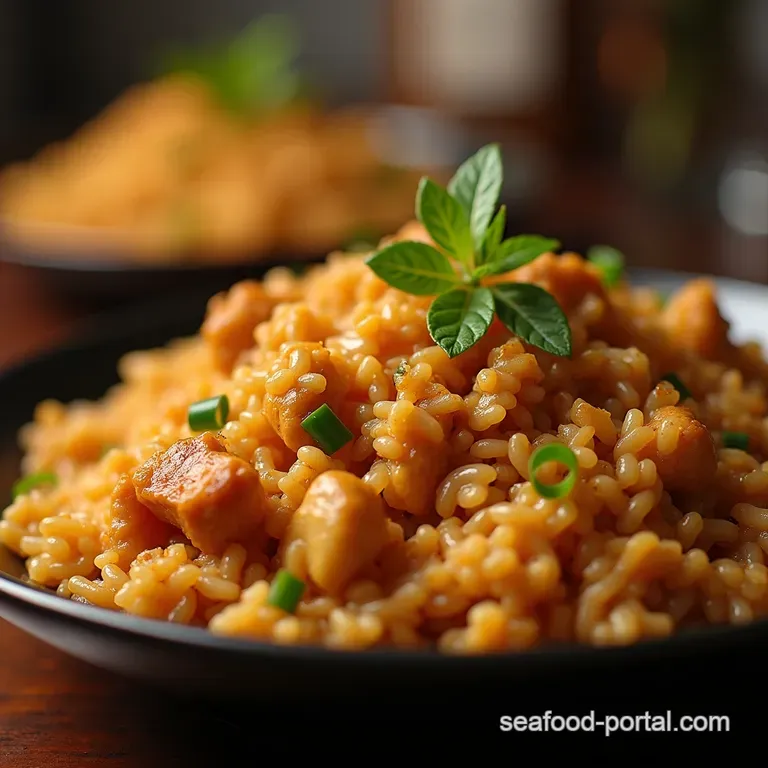
Before the heat goes on, organization is paramount. In stir frying, the cook time is so swift that you won't have time to measure or chop mid-cook. Everything must be prepped, seasoned, and within arm's reach a concept known as mise en place .
Sourcing Superior Chicken: Preparation for Maximum Tenderness
For this Chinese Restaurant Style Chicken Fried Rice , we opt for boneless, skinless chicken thighs rather than breasts. Thigh meat retains moisture better under high heat, ensuring a juicier result. Cut the chicken into uniform half inch cubes.
The crucial step here is the quick marinade: toss the chicken cubes with a teaspoon of light soy sauce, a teaspoon of cornstarch, and half a teaspoon of sesame oil. The cornstarch creates a thin coating that protects the meat from drying out and helps it brown beautifully.
The Sauce Alchemy: Balancing Savory and Umami Notes
The seasoning sauce is where depth is built. It must be mixed entirely ahead of time. The base relies on light soy sauce for saltiness, but the defining character comes from a touch of dark sweet soy sauce, which imparts a deep mahogany colour and a subtle molasses note, and oyster sauce, which delivers that essential savoury umami punch.
To balance the salt, a whisper of granulated sugar is added, along with the hallmark flavour of many great Chinese dishes: white pepper. This pepper provides warmth without the sharpness of black pepper, crucial for an Authentic Chicken Fried Rice profile.
Essential Produce: Selecting the Crispest Add-Ins
We keep the vegetables simple to allow the chicken and seasoning to shine. We rely on classic components: finely minced garlic and ginger for aromatic depth, diced yellow onion for sweetness, and the classic combination of small diced carrots and frozen peas/corn mix.
Using frozen vegetables is often better here because they are flash frozen at peak freshness, and because they are added toward the end, they heat quickly without releasing excessive water into the pan.
Don't forget your scallions we separate the white parts (for cooking with aromatics) from the green parts (for finishing).
Related Recipes Worth Trying
- GoldenBottomed pan fried Chicken Dumplings Recipe Juicy Crisp — Master the ultimate homemade pan fried Chicken Dumplings with this foolproof recipe Get a juicy filling and shatteringly crisp base every time Simple...
- The Crackerjack Crispy Authentic Southern Fried Catfish Recipe — Achieve that iconic craggy crust with this foolproof Southern Fried Catfish Recipe Our buttermilk brine ensures flaky fish every time Get cooking
- The Crispiest Catch Authentic Southern Fried Catfish Recipe — Stop serving soggy fish This Southern Fried Catfish recipe uses buttermilk and a perfectly seasoned cornmeal dredge for a guaranteed crackling crust Easy...
The Precision Dance: step-by-step Cooking Method
This is where timing is everything. We cook ingredients sequentially, pulling them out before they are fully done, knowing they will finish cooking when reintroduced later.
Prepping the Cold Rice: The Non-Negotiable First Step
Ensure your 4 cups of cold, day-old Jasmine rice are completely broken up into loose grains before you even turn on the stove. Use your fingers to gently separate any large clumps; this speeds up the heating process and ensures every grain gets exposed to the wok's heat.
The Sequential Sauté: Building Flavor Layers in the Wok
Begin by scrambling the three eggs quickly in 1 tablespoon of oil. They should be just set, not browned, then immediately removed. Next, cook the marinated chicken in another tablespoon of oil until it develops golden edges and is cooked through; remove and reserve.
Now, use the final tablespoon of oil to quickly sauté the aromatics: the white parts of the scallions, garlic, ginger, carrots, and onion. This step should take about one minute until fragrant.
The Final Toss: Integrating Sauce Without Soggy Results
Push the vegetables to one side of the wok. Turn the heat to its absolute highest setting. Add the cold, broken-up rice to the hot, clear side of the wok and begin tossing vigorously, allowing the rice grains to "fry" for two to three minutes, achieving that desirable light char.
Introduce the frozen peas and corn, then immediately pour your pre-mixed seasoning sauce evenly over the rice mixture. Toss rapidly for about a minute until the sauce has evaporated slightly and evenly coated the grains. Finally, return the cooked chicken and scrambled eggs to the wok.
Toss for one minute more to thoroughly combine and reheat everything before stirring in the reserved green parts of the scallions.
Troubleshooting and Flavor Enhancements for Home Cooks
Even with the best intentions, things can sometimes go awry in the kitchen. Understanding these common pitfalls allows you to save your dish or enhance it next time.
Pro Tips to Prevent Sticking and Ensure a Fluffy Finish
If your rice starts sticking aggressively to the pan, it’s usually one of two issues: either the heat is too low, or you added too much liquid (sauce) too fast. If it sticks lightly, simply use a bit more oil when tossing. To ensure that fluffy finish, remember: when you add the sauce, it must boil off quickly.
If you’re using a lower powered electric stove, you may need to add the sauce in two separate stages, letting the first bit evaporate before adding the second. This methodical approach ensures you achieve the texture required for excellent Restaurant Style Chicken Fried Rice .
Creative Protein Swaps and Vegetable Add-Ins
While this recipe focuses on Simple Chicken Fried Rice , feel free to adapt. Shrimp cooks incredibly fast and should be added at the same time as the chicken.
For vegetable lovers, bean sprouts or finely chopped Napa cabbage are excellent additions; they should be added right after the rice has begun to fry, as they require minimal cooking time to remain crisp.
Nutritional Breakdown: Understanding What You Are Eating
While undeniably delicious, fried rice is inherently higher in carbohydrates and sodium due to the rice base and the soy-heavy sauces. On average, this recipe yields around 500 calories per generous serving, with protein driven largely by the chicken and eggs.
The key nutritional adjustment at home is controlling your added salt intake; using low-sodium soy sauce can significantly lower the overall sodium count without sacrificing too much flavour complexity, making this a healthier version of your favourite Chinese Restaurant Style Chicken Fried Rice .
Optimal Storage Guidance for Next Day Enjoyment
This dish is actually fantastic the next day! Store leftovers in an airtight container in the refrigerator for up to three days. When reheating, avoid the microwave if possible, as it tends to steam the rice and make it soggy.
The best way to revive it is to toss the cold rice in a dry, non-stick skillet over medium heat for a few minutes, stirring until it loosens and heats through, restoring some of that characteristic fluffy texture.
Making the Most of Your Leftovers and Variations
The versatility of a good base recipe means you can easily pivot to different themes or proteins.
Creative Protein Swaps and Vegetable Add-Ins
If you prefer shrimp, gently sauté it first until pink and set aside; it cooks much faster than chicken. For a richer flavour, substitute the chicken thighs with pre-cooked, diced Char Siu (Chinese BBQ Pork).
For vegetables, try adding finely shredded cabbage or bean sprouts during the final toss to maintain maximum crunch against the soft rice grains.
Nutritional Breakdown: Understanding What You Are Eating
While undeniably delicious, fried rice is inherently higher in carbohydrates and sodium due to the rice base and the soy-heavy sauces. On average, this recipe yields around 500 calories per generous serving, with protein driven largely by the chicken and eggs.
The key nutritional adjustment at home is controlling your added salt intake; using low-sodium soy sauce can significantly lower the overall sodium count without sacrificing too much flavour complexity, making this a healthier version of your favourite Chinese Restaurant Style Chicken Fried Rice .
Optimal Storage Guidance for Next Day Enjoyment
This dish is actually fantastic the next day! Store leftovers in an airtight container in the refrigerator for up to three days. When reheating, avoid the microwave if possible, as it tends to steam the rice and make it soggy.
The best way to revive it is to toss the cold rice in a dry, non-stick skillet over medium heat for a few minutes, stirring until it loosens and heats through, restoring some of that characteristic fluffy texture.
Serving Suggestions
To truly complete the experience of enjoying superior Restaurant Style Chicken Fried Rice at home, consider the accompaniments. A side of steamed Gai Lan (Chinese Broccoli) tossed lightly with sesame oil provides a wonderful green contrast.
For those who crave heat, mix a spoonful of high-quality chilli garlic sauce with a splash of rice vinegar for a sharp, bright dipping sauce. Pair this incredibly flavourful meal with a crisp, cold lager or a simple, hot Jasmine tea to cleanse the palate between bites of this perfectly textured, smoky dish.
Recipe FAQs
Why does my Restaurant Style Chicken Fried Rice always end up soggy instead of fluffy?
That’s the million dollar question! The absolute non-negotiable secret is using cold, day-old rice straight from the fridge. Freshly cooked rice has too much moisture clinging to the grains, leading to a sticky pile rather than separate, distinct pieces.
Make sure your heat is also cranked up high when the rice hits the wok to encourage frying, not steaming.
What is "Wok Hei," and how can I get that smoky flavour in my Restaurant Style Chicken Fried Rice?
Wok Hei translates roughly to "the breath of the wok," giving that signature smoky char. You achieve this by cooking quickly over extremely high heat in a well seasoned wok, ensuring small amounts of oil or moisture vaporise instantly against the hot metal.
Don’t overcrowd the pan, and work fast when the rice is in!
Can I make this dish ahead of time, or how should I store leftovers properly?
The components (like the cooked chicken) can be prepped ahead, but fried rice is best eaten immediately after cooking for peak texture. If you have leftovers, cool them down quickly, then store them in an airtight container in the fridge for up to three days.
To reheat, spread the rice thinly on a baking tray and heat in a hot oven, or fry quickly in a little oil in a hot pan don't microwave it, or it’ll turn into paste!
I don't have Oyster Sauce; what's a good substitute for this Restaurant Style Chicken Fried Rice?
Oyster sauce provides that deep umami richness, but don't fret if you’re missing it or keeping things vegetarian. For a meat version, you can substitute it with a splash of high-quality fish sauce combined with a little extra sugar to balance the saltiness.
For a vegetarian alternative, look for a mushroom based "vegetarian oyster sauce" or use a bit more dark soy sauce for depth.
My chicken comes out tough every time how do I keep it tender in the high heat of the wok?
The trick here is in the marinade! We use a teaspoon of cornstarch, which creates a very thin protective coating around the chicken pieces during cooking this is called 'velveting.' Make sure you cook the chicken separately until just done, then remove it from the wok before adding the rice, ensuring it doesn't overcook while waiting for the final toss.
Wok Star Chicken Fried Rice