The Golden Standard Chefs Recipe for Perfectly Crispy Juicy Southern Fried Chicken
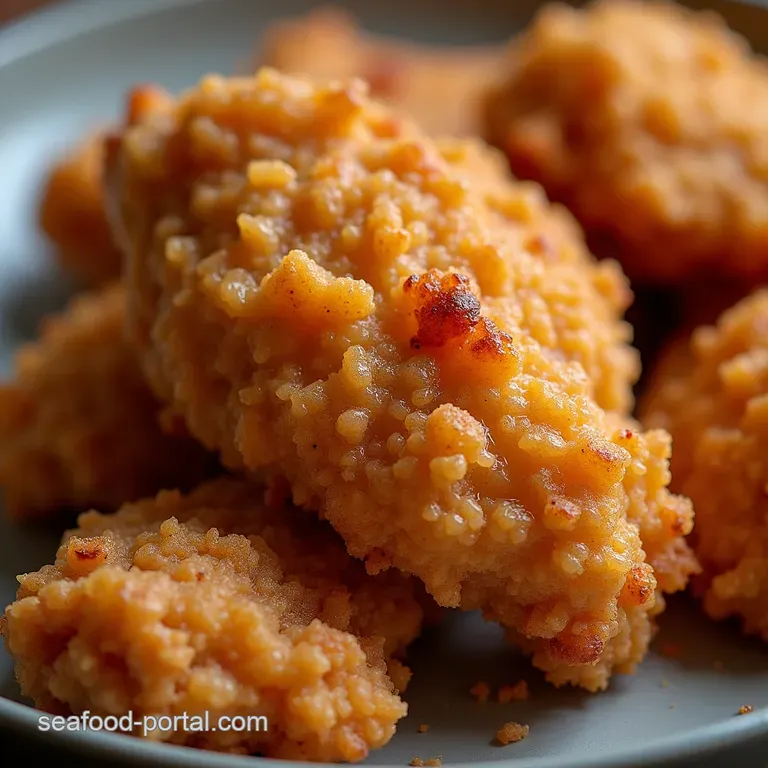
- The Golden Standard: Chef’s Guide to Unforgettable Classic Southern Fried Chicken
- Why This Recipe Perfects Southern Comfort Food
- Assembling Your Pantheon of Flavor: Essential Components
- Mastering the Marinade and Dredging Station
- The Alchemy of Preparation: From Prep to Plunge
- Achieving Peak Crispiness: The Frying Technique Explained
- Troubleshooting and Elevating Your Next Batch of Classic Southern Fried Chicken
- Serving Suggestions: Perfect Pairings for Your Masterpiece
- Recipe FAQs
- 📝 Recipe Card
The Golden Standard: Chef’s Guide to Unforgettable Classic Southern Fried Chicken
There are few dishes that evoke the warmth and tradition of American heritage quite like properly executed Classic Southern Fried Chicken . It’s more than just poultry; it’s an event, a memory, and the centerpiece of countless Southern Fried Chicken Sunday Dinner gatherings.
To achieve true greatness in this iconic dish, we must look past simple frying and understand the interplay between marinade, coating, and temperature. This method is designed to deliver shatteringly crisp, lacy Southern Fried Chicken Skin hugging meat that remains astonishingly moist, ensuring your result is instantly recognized as the Best Fried Chicken Recipe you’ve ever made.
Why This Recipe Perfects Southern Comfort Food
Our approach hinges on respecting the time honored techniques while applying modern temperature control for flawless results. We are aiming for a finish that is deeply golden brown, perfectly seasoned all the way through, and structurally sound enough to hold up to a hearty meal.
Achieving this level of textural perfection is easier than you might think when you follow these precise steps, transforming a simple meal into a culinary landmark.
Demystifying the Decadent Crust: What Makes Ours Different
The secret to achieving that sought after craggy, crunchy exterior lies in a specific two-step dredging process paired with the inclusion of a small amount of cornstarch in the dry mix. Most recipes stop at a simple toss in seasoned flour.
However, by giving the chicken a quick dip back into the buttermilk after the first flour coating a technique sometimes called the "wet-dry-wet-dry" method we create microscopic pools of moisture that, when hitting the hot oil, create thousands of little crispy shards.
This technique ensures that the coating adheres powerfully, resulting in supremely Crispy Fried Chicken that resists sogginess.
Selecting the Finest Poultry for Peak Flavor
For the most satisfying experience, select bone-in, skin-on chicken pieces totaling around 3 pounds (about 1.4 kg). Pieces like legs and thighs naturally have more intramuscular fat, which translates directly into superior moisture retention during the relatively long frying process required for fully cooked poultry.
If using breasts, ensure they are of similar thickness to the other cuts for even cooking. Always ensure the chicken is patted thoroughly dry before it enters the marinade, as excess surface moisture can interfere with the initial seasoning absorption.
A Culinary Inheritance: Honoring Tradition with Modern Precision
This Classic Fried Chicken Dinner respects the heritage by utilizing buttermilk, a staple of Traditional Southern Fried Chicken preparations.
The mild acidity in the buttermilk works diligently to break down muscle fibers, tenderizing the meat throughout the mandatory marinating period. While the flavour profile leans into deeply savory, classic notes garlic, onion, and pepper we introduce smoked paprika for a gentle background warmth that elevates the flavour without overwhelming the pure chicken taste.
This careful balance allows this to be classified as a truly Easy Fried Chicken Recipe once you master the timing.
Assembling Your Pantheon of Flavor: Essential Components
Before we dive into the process, gather your components. You will need 2 cups of full fat buttermilk and 3 lbs of chicken pieces for the soak. For the dry mix, combine 2 cups of all-purpose flour with 1/2 cup of cornstarch.
The seasonings require robust flavours: 1 tablespoon each of smoked paprika and kosher salt, 1 tablespoon of garlic powder, 1 1/2 teaspoons of freshly ground black pepper, 1 teaspoon each of onion powder and cayenne pepper.
Remember, the quality of your seasoning blend directly impacts the final flavour profile of your Classic Southern Fried Chicken .
Mastering the Marinade and Dredging Station

The success of this Classic Southern Fried Chicken Recipe hinges on the preparation stages before the heat is even turned on. The interplay between the acidic buttermilk and the layered flour coating is where the magic happens.
The Essential Spice Blend for Deep Flavor Penetration
When mixing your dry dredge, ensure you use a whisk. This is critical not just for combining the ingredients, but for aerating the flour slightly, which helps create a lighter crust. The blend must be uniformly seasoned; every single molecule of flour needs to carry the flavour of salt, pepper, and garlic.
Taste a tiny bit of the dry mix (if you are comfortable doing so) to ensure the salt level is sufficient remember, this coating is the only major source of seasoning for the exterior.
Buttermilk vs. Brine: Choosing the Juiciness Catalyst
While a pure salt brine can make chicken juicy, the buttermilk is superior here because it achieves two goals simultaneously: tenderization through lactic acid and providing the necessary sticky, wet surface for the flour to cling to aggressively.
You must submerge the chicken entirely and allow this to sit for a minimum of 4 hours, though overnight soaking truly locks in moisture and deepens the flavour profile necessary for authentic Southern Fried Chicken Skin .
The Unsung Heroes: Fats and Oils for the Perfect Fry
For frying, select a neutral, high smoke point oil like peanut, canola, or vegetable oil. You will need about 4 5 cups to achieve a 1.5 inch depth in your heavy bottomed skillet. Avoid olive oil or butter, as they break down too quickly at the required temperatures, leading to burnt flavour and reduced crispness.
Crucial Equipment Needed for Authentic Results
The single most important piece of equipment for this recipe is an instant read thermometer. Because chicken pieces vary in size, you cannot rely on time alone. Knowing the oil temperature before the chicken goes in, and monitoring it throughout the cook, is the difference between a greasy mess and perfectly rendered, Crispy Fried Chicken .
A cast iron skillet is preferred due to its excellent heat retention properties, which stabilize the oil temperature when cool chicken is added.
Related Recipes Worth Trying
- Authentic RestaurantStyle Chicken Fried Rice That Actually Tastes Right — Stop ordering sad takeaway This recipe nails the smoky flavour and perfect texture for Restaurant Style Chicken Fried Rice Master the simple steps to the...
- GoldenBottomed pan fried Chicken Dumplings Recipe Juicy Crisp — Master the ultimate homemade pan fried Chicken Dumplings with this foolproof recipe Get a juicy filling and shatteringly crisp base every time Simple...
- The Crackerjack Crispy Authentic Southern Fried Catfish Recipe — Achieve that iconic craggy crust with this foolproof Southern Fried Catfish Recipe Our buttermilk brine ensures flaky fish every time Get cooking
The Alchemy of Preparation: From Prep to Plunge
Once the chicken has marinated, the next phase requires methodical movement. Remove the pieces from the buttermilk, letting the thick excess drip off do not rinse them. Immediately plunge them into the seasoned flour mixture, ensuring you press the flour firmly onto every nook and cranny.
Next, the quick return to the buttermilk (a 5-second dip maximum) followed by the final return to the flour. This second dredge requires light scrunching motions to build those desirable, craggy peaks. Once coated, place the pieces on a wire rack and let them rest for 15 minutes.
This resting period allows the flour to hydrate slightly and bond to the chicken, guaranteeing a robust crust that won't flake off prematurely during frying.
Achieving Peak Crispiness: The Frying Technique Explained
Frying is where precision pays off. It’s about managing heat transfer to cook the interior thoroughly while crisping the exterior perfectly, ensuring you achieve the hallmark of a great Classic Southern Fried Chicken Recipe .
The Soaking Ritual: Why Time in the Dairy Matters
That long soak in buttermilk isn’t just flavour; it is structural preparation. The proteins in the buttermilk coagulate slightly around the meat fibers, creating a barrier that helps seal in the natural juices during the rapid high heat cooking stage.
This is the primary defense against dry meat often found in lesser attempts at this dish.
Building the Signature Craggy Coating: The Flour Technique
During that crucial second dredge, work quickly. The goal is surface chaos those little peaks and valleys in the flour are what create the shatteringly thin, crisp texture we associate with superior Crispy Fried Chicken .
Don't pat the flour flat; actively try to build texture onto the surface before setting the pieces aside to rest.
Temperature Control: The Non-Negotiable Key to Non-Greasy Chicken
Start heating your oil slowly until it registers a steady 325° F ( 160° C). As you add the chicken, the temperature will drop.
It is essential to manage your burner to keep the oil hovering between 300° F and 325° F ( 150° C– 160° C).
If the temperature drops below 300° F, the coating will become saturated with oil, leading to a heavy, greasy result.
Draining and Resting: Securing the Golden Exterior
Once the chicken reaches an internal temperature of 165° F ( 74° C) in its thickest part, remove it immediately. Resist the temptation to place it directly onto paper towels. Instead, place the pieces on a wire rack set over a sturdy baking sheet.
This allows air to circulate completely around the entire surface, including the bottom, preventing steam build-up that causes sogginess. A light sprinkle of finishing salt while the exterior is still glistening helps the seasoning adhere perfectly.
Troubleshooting and Elevating Your Next Batch of Classic Southern Fried Chicken
If your crust is falling off, it usually means one of two things: either the oil was too hot (burning the surface before it could set), or the chicken wasn’t properly rested after the final dredge.
If your chicken is cooked but lacks that rich golden colour, the oil was likely too cool, meaning it cooked slowly without achieving the Maillard reaction necessary for deep flavour.
For your next batch of Traditional Southern Fried Chicken , focus intensely on maintaining that 325° F sweet spot.
Serving Suggestions: Perfect Pairings for Your Masterpiece
The richness of this Classic Fried Chicken Dinner demands bright, acidic, or creamy counterpoints.
Preventing Soggy Skin: Expert Tips for Long Lasting Crunch
The resting phase on the wire rack is your best defense. If you must stack the chicken for serving a large crowd, place parchment paper between the layers, but aim to serve as soon after draining as possible. Never cover the freshly fried chicken tightly with foil, as this traps steam instantly.
Storage Secrets: Keeping Leftovers Gloriously Crisp
For truly great leftovers, allow the chicken to cool completely uncovered at room temperature. When storing in the refrigerator, use an airtight container layered with paper towels.
The best reheating method is not the microwave, but a short blast in a 375° F ( 190° C) oven on a wire rack this reactivates the crispness beautifully.
Flavor Twists: Introducing Regional Spice Variations
To explore different regional profiles for your next Classic Southern Fried Chicken Recipe , consider these additions to the dry dredge: For Nashville heat, brush the finished, hot chicken with melted butter mixed with liberal amounts of cayenne and brown sugar paste.
For a lighter, brighter profile, add a teaspoon of dried lemon zest to the flour mix.
Nutritional Snapshot: Understanding the Indulgence
While this Classic Southern Fried Chicken is an indulgence, it provides excellent lean protein. However, due to the frying process, it is inherently high in fats and sodium.
Enjoying this masterpiece as the centerpiece of a hearty Southern Fried Chicken Sunday Dinner means balancing it with lighter, vegetable forward sides to create a satisfying, well rounded meal experience.
Recipe FAQs
What is the absolute best way to get that iconic craggy, crispy coating on my Classic Southern Fried Chicken?
That shatteringly crisp texture comes down to the double dredge technique and resting time. After coating the chicken in flour, give it a quick, second dip back into the buttermilk, and then press it firmly back into the flour mixture.
Let the coated pieces rest on the rack for about 15 minutes; this "sets" the flour crust so it doesn't wash off in the hot oil, leading to those lovely crags!
My chicken always ends up dry inside! How can I guarantee juicy meat with this Classic Southern Fried Chicken recipe?
The secret weapon here is the overnight buttermilk soak; the lactic acid tenderizes the meat beautifully. Crucially, ensure your oil temperature stays steady between 300°F and 325°F (150°C 160°C) and always cook to an internal temperature of 165°F (74°C).
A thermometer is your best mate here don't just guess!
Can I cook this chicken ahead of time, or how should I reheat leftovers without losing the crunch?
It's best eaten fresh, but leftovers are a dream. Store cooled chicken in the fridge in a single layer. To reheat, skip the microwave, which makes it soggy! Instead, place the pieces on a wire rack over a baking sheet and bake at 375°F (190°C) for about 15 20 minutes until piping hot and crispy again.
I’m nervous about deep frying. What oil is best, and how do I manage the heat so it doesn't burn?
For frying, you need a neutral oil with a high smoke point Canola or Peanut oil are crackerjack choices. The golden rule is using a thermometer to nail that initial 325°F (160°C) entry temperature.
If the oil smokes, it's too hot; if it starts rapidly cooling when the chicken goes in, add less chicken next time. Keep it steady!
I don't have buttermilk. Can I substitute it in this Classic Southern Fried Chicken recipe, or is it a must have?
While buttermilk is the traditional way to get that perfect tang and tenderness, you can make a decent substitute in a pinch. Simply take two cups of whole milk and stir in two tablespoons of white vinegar or lemon juice.
Let it sit for about ten minutes until it just starts to look a bit curdled it’ll do the job nearly as well!
Crispy Southern Fried Chicken