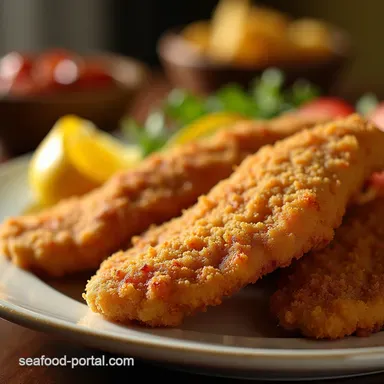
The Crackerjack Crispy Authentic Southern Fried Catfish with Cornmeal Magic
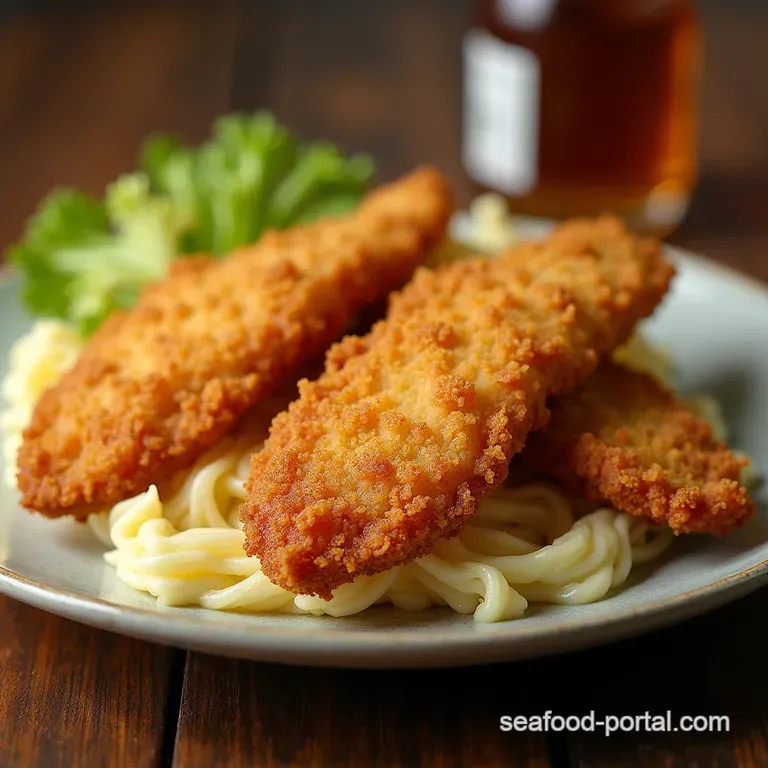
- Unlocking the Soul of Southern Cooking: Our Definitive Catfish Approach
- Why This Craggy Crust Recipe Defines Flavor
- Sourcing Superior Components for Flawless Fried Fish
- The Essential Dry Mix: Architecting Maximum Crunch
- The Critical Pre-Fry Process: Flavor Infusion and Drying
- Mastering the Hot Oil Bath: Achieving Golden Perfection
- The Step-by-Step Path to Classic Southern Fried Catfish
- Elevating Your Plate: Pairing Suggestions for Your Fried Feast
- Troubleshooting and Long-Term Texture Retention
- Variations on the Theme: Spice and Substitution Insights
- Recipe FAQs
- 📝 Recipe Card
Unlocking the Soul of Southern Cooking: Our Definitive Catfish Approach
There is a certain reverence reserved for perfectly executed Classic Southern Fried Catfish . It’s more than just pan-fried fish; it’s a culinary cornerstone, steeped in tradition, bringing with it the warmth of family gatherings and the comfort of familiar, time tested techniques.
Achieving that signature, deep golden brown exterior that shatters pleasingly between your teeth, revealing moist, flaky white meat beneath, is an art form. This comprehensive guide aims to demystify that process, ensuring your efforts result in the Best Fried Catfish Recipe you’ve ever made right in your own kitchen.
Why This Craggy Crust Recipe Defines Flavor
A Warm Welcome to the Ultimate Comfort Food Experience
If you’ve ever been disappointed by a soggy batter or fish that tastes overwhelmingly of oil, rest assured: that stops today. The goal here is an Old Fashioned Southern Fried Catfish experience, focusing intensely on texture and flavour integration.
We are aiming for that iconic "craggy" crust those tiny peaks and valleys in the coating that catch the hot oil just right, creating maximum crunch. This Fried Catfish Recipe Southern style respects the subtle, sweet flavour of quality freshwater fish, enhancing it rather than masking it with heavy seasoning.
What Makes This Recipe the Gold Standard for Home Cooks
This particular blueprint which we’ve affectionately dubbed "The Crackerjack Crispy" is renowned because it relies on foundational techniques often skipped in quicker recipes.
The cornerstone of success lies in the crucial marinating time in buttermilk and the precise use of fine cornmeal in the dredge. It’s a medium difficulty recipe not because the steps are complicated, but because mastering the oil temperature requires focused attention, yet the payoff is undisputed.
You will be proud to serve this signature Southern Fried Fish Recipe .
Setting the Stage: What You’re About to Master
In the coming sections, we will meticulously cover sourcing impeccable ingredients, architecting a seasoned dry mix that adheres perfectly, and achieving optimal oil conditions. We detail the importance of pressing that crust firmly onto the fillet and managing batch frying to guarantee consistently Crispy Fried Catfish every single time.
This is How To Make Fried Catfish the way generations before us have perfected it.
Sourcing Superior Components for Flawless Fried Fish
The quality of your starting materials dictates the final taste. For the centerpiece, seek out skinless, boneless catfish fillets, ideally around six ounces each. Freshness is paramount; the fish should smell clean, like fresh water, not 'fishy.' For our brine, full fat buttermilk is essential.
Its lactic acid tenderizes the firm fish proteins beautifully while simultaneously providing the perfect tacky surface for our dredge to cling to. For the frying medium, a neutral oil with a high smoke point like peanut or canola oil is non-negotiable for maintaining clean flavour and achieving high heat.
The Essential Dry Mix: Architecting Maximum Crunch
The magic of Southern frying often resides in the coating. We aren't aiming for a thick, pancake like batter; we seek a thinner, texture rich crust that clings tight and delivers that signature shattering crunch.
Selecting Your Catfish: Freshness and Fillet Preparation
Start by taking your four fillets and patting them absolutely bone dry using paper towels. Any residual moisture on the fish surface will repel the dry coating, leading to patchy spots or premature separation in the hot oil. Once dry, they are ready for the transformative bath.
The Magic Moisture Bath: Buttermilk's Role Explained
The buttermilk marinade is where tenderness begins. In a non-reactive dish glass or ceramic combine two cups of buttermilk with one teaspoon of salt and a dash of your preferred hot sauce. Submerge the dried fillets completely.
This gentle acid bath works its magic over at least an hour, though chilling for up to four hours yields superior results. The slight thickness of the buttermilk is the glue that holds our crunchy layer on.
The Cornerstone: Precision Measurements for Your Dredge
While the fish soaks, assemble the Southern Fried Catfish Recipe dry mix. In a wide, shallow dish perfect for dredging whisk together one cup of all-purpose flour and one cup of fine yellow cornmeal. The cornmeal is vital for the authentic texture.
To these base flours, incorporate one tablespoon of smoked paprika for rich colour, one teaspoon each of cayenne pepper, garlic powder, and onion powder, alongside half a teaspoon of dried thyme and freshly ground black pepper, and one final teaspoon of salt.
Whisk everything vigorously until the spices are evenly distributed throughout the flour and cornmeal blend.
Essential Hardware: Tools Needed for Perfect Frying
Success in frying relies heavily on maintaining temperature. You must have a deep, heavy bottomed pot or Dutch oven to hold heat efficiently. More importantly, a reliable deep fry or candy thermometer is essential; guesswork simply won't yield reliable results for this dish.
Finally, have a wire rack set over a baking sheet ready this is for draining, allowing air to circulate underneath and prevent steaming, which ruins crispness.
The Critical Pre-Fry Process: Flavor Infusion and Drying
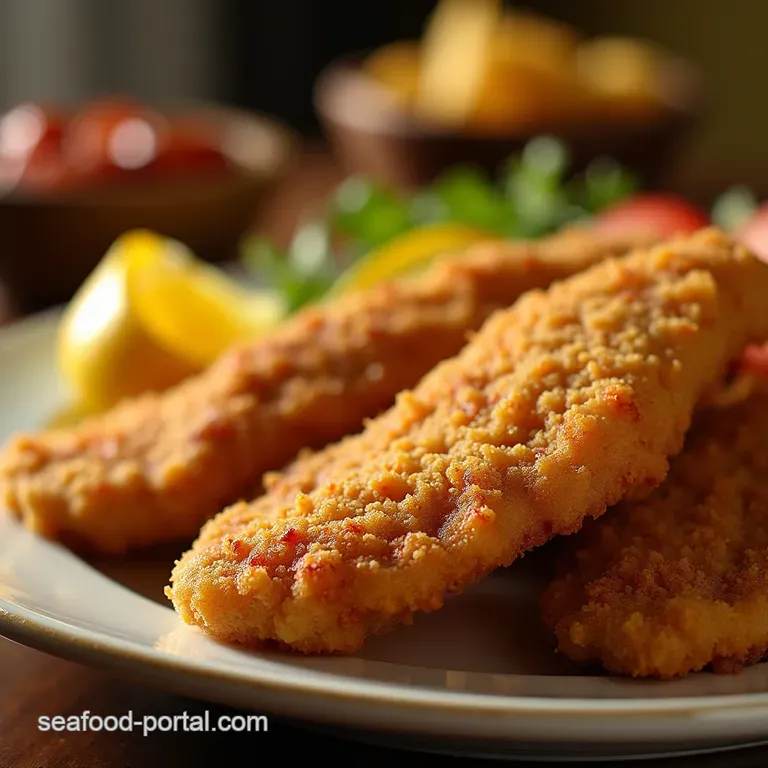
Once the minimum soaking time is complete, remove the fillets from the buttermilk. Do not rinse them, but hold each piece up momentarily, allowing the heavy excess buttermilk to drip back into the bowl. This residual dampness is what activates the dredge coating.
Related Recipes Worth Trying
- The Crispiest Catch Authentic Southern Fried Catfish Recipe — Stop serving soggy fish This Southern Fried Catfish recipe uses buttermilk and a perfectly seasoned cornmeal dredge for a guaranteed crackling crust Easy...
- The Best Homemade Fried Shrimp Po Boys Recipe Crispy Easy — Forget soggy bread Learn how to make authentic Fried Shrimp Po Boys with a shatteringly crisp crust and the best zesty remoulade sauce This easy Po Boy...
- Foolproof Crispy Fried Wontons with Dipping Sauce Recipe — Master the art of truly Crispy Fried Wontons with this foolproof recipe Includes a punchy homemade Wonton Sauce Recipe for dipping
Mastering the Hot Oil Bath: Achieving Golden Perfection
The oil should be heated gently until it registers precisely 350° F ( 175° C) on your thermometer. This temperature is the sweet spot hot enough to instantly sear the coating and lock in moisture, but cool enough to allow the heat to penetrate the fillet without burning the spices.
As you introduce the fish, the temperature will drop, so monitoring is key to keeping it within the 325° F to 350° F range.
The step-by-step Path to Classic Southern Fried Catfish
Following the initial prep, the assembly and frying steps must be executed with efficiency to ensure a beautiful final product.
Step 1: Marinating for Maximum Tenderness
Ensure your catfish has rested in the seasoned buttermilk for at least sixty minutes. This infusion period is crucial not just for flavour saturation but for tenderizing the protein matrix of the fish itself.
Step 2: Coating Technique The Secret to the Craggy Exterior
Dip the dripping fillet into the dry dredge. Crucially, use your hands to firmly press the cornmeal mixture onto all sides of the fish. For that truly rugged, rustic texture often seen in the best establishments, employ a quick double dip: a brief return to the buttermilk, followed immediately by a second, thorough press into the dry mix.
Place the fully coated fillets on a clean plate, ensuring they aren’t touching.
Step 3: Temperature Control The Golden Rule of Frying Oil
Carefully lower two or three coated fillets into the established hot oil, ensuring you don’t overcrowd the vessel, which would cause a rapid temperature plunge. Fry for about four to six minutes per side.
The goal is a deep, even golden brown crust that feels firm to the touch, indicating the inside is perfectly cooked and flaky.
Step 4: The Final Drain and Seasoning Application
Using tongs, lift the fillets gently and place them immediately onto your prepared wire rack. This pause in draining is vital. While the surface is still glistening with hot oil, sprinkle lightly with fine salt this adheres better than seasoning before frying and finishes the flavour profile instantly.
Let them rest for five minutes to allow the residual heat to finish cooking the center and redistribute the juices before serving.
Elevating Your Plate: Pairing Suggestions for Your Fried Feast
A magnificent plate of Classic Southern Fried Catfish demands equally comforting companions. The traditional approach favours textural contrast.
The Ideal Sides That Complete the Southern Experience
Nothing complements rich, fried fish better than a crisp, slightly tart coleslaw perhaps one dressed with a vinegar base rather than heavy mayonnaise. Creamy grits, fluffy mashed potatoes, or perfectly seasoned french fries provide an excellent starchy foundation.
For a touch of green, buttered, slightly overcooked collard greens offer that signature Southern earthiness.
Troubleshooting and Long Term Texture Retention
The most common pitfall is a soggy crust. If this happens, your oil temperature was too low when the fish entered the pot. The oil must be hot enough to instantly set the coating. If the crust seems to be burning before the fish cooks, your oil is too hot.
Next,, always drain on a rack; draining on paper towels traps steam underneath, softening the underside of your hard earned crispness.
Variations on the Theme: Spice and Substitution Insights
While the classic profile is wonderful, culinary exploration is always encouraged.
Handling Leftovers: Safe Storage Protocols
If you are fortunate enough to have leftovers, cool them completely on the rack before storing them in an airtight container in the refrigerator for up to three days. When reheating, avoid the microwave entirely, as it guarantees sogginess.
The best method is to reheat them in a 400° F ( 200° C) oven for 8– 10 minutes, or ideally, flash fry them in fresh hot oil for 60 seconds to reawaken the crispness.
Alternative Flour Blends for Dietary Flexibility
For those seeking different textural elements or dietary accommodations, you can experiment with the dry dredge. Replacing the all-purpose flour with an equal amount of fine almond flour creates a lower carb, nuttier version.
For a truly different crunch, pulse cornflakes in a food processor until they resemble coarse breadcrumbs and substitute them for the entire flour/cornmeal mix.
Reheating Wisdom: Keeping the Crispness Alive Post Fry
To restore the texture of day-old fish, the oven is your friend, or a quick dip back into the 375° F oil if you prefer maximum crispness revival, but remember to watch closely as the already cooked crust will brown rapidly.
Recipe FAQs
How do I make sure my Classic Southern Fried Catfish crust stays super crispy and doesn't get soggy?
The secret lies in two steps: first, patting the fish absolutely bone dry before the buttermilk soak, and second, ensuring your oil temperature is spot-on at 350°F (175°C). Soggy crust usually means the oil wasn't hot enough to instantly set the coating.
Can I prepare the fish ahead of time, or does it need to be fried immediately after dredging?
While you should definitely soak the fish in buttermilk for at least an hour, you shouldn't let the fully dredged fillets sit around for too long. After dredging, fry them within 15 minutes, or you risk the moisture from the fish starting to turn the cornmeal coating gummy.
My oil keeps dropping temperature when I add the fish what’s the proper way to manage the heat for frying?
This is where most home cooks trip up; you must fry in small batches, only 2 or 3 fillets at a time, so you don’t shock the oil. Use a deep fry thermometer and be prepared to adjust your burner up slightly between batches to recover the lost heat quickly.
What’s the best way to store leftovers, and can I reheat them without losing all the crunch?
Store any leftover catfish in the fridge in a single layer on paper towels inside an airtight container, but honestly, it’s best eaten the day it’s made. For reheating, skip the microwave use a 400°F (200°C) oven or an air fryer for about 8 10 minutes to crisp that crust back up, just like magic!
I'm not keen on catfish; can I use a different type of fish for this exact recipe?
Absolutely! This robust cornmeal dredge works a treat on many firm white fish. Try swapping the catfish for cod, sole, or even thick cut strips of onion or zucchini if you fancy a veggie option. Just keep the thickness consistent for even cooking times.
Crispy Cornmeal Fried Catfish