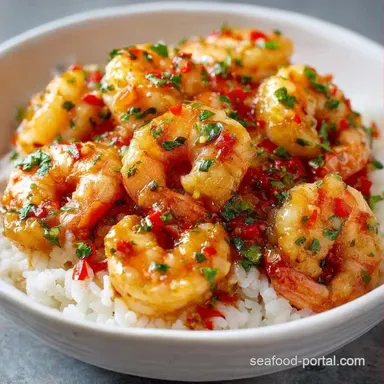
One Pot Shrimp Rice: Fluffy and Flavorful
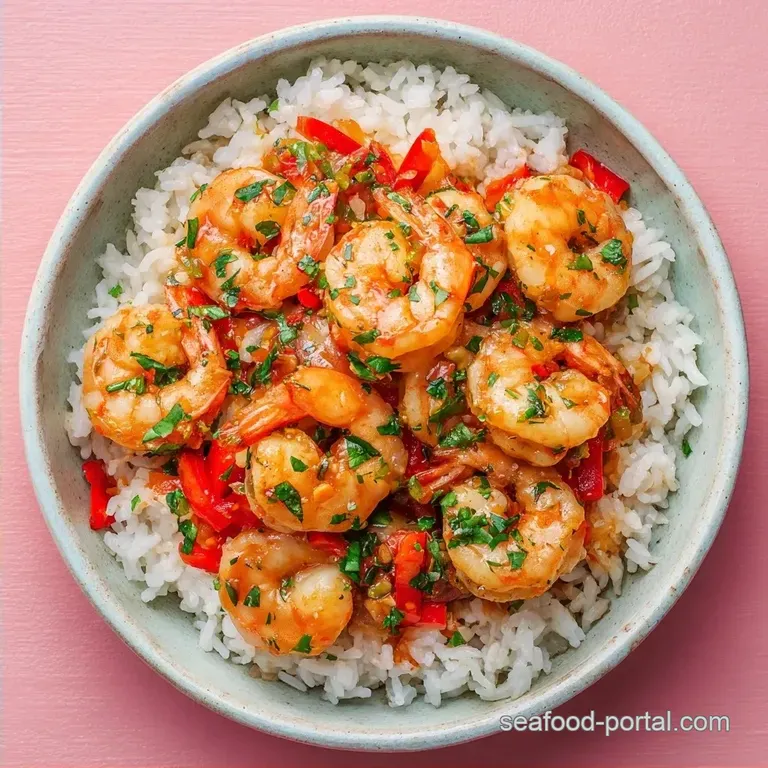
- Time: 10 min active + 20 min cooking
- Flavor/Texture Hook: Nutty toasted rice with snap tender coral shrimp
- Perfect for: Busy weeknights when you want a fancy feel without the mountain of dishes
- Easy One Pot Shrimp Rice
- Why the Method Works
- Component Analysis
- The Building Blocks
- Needed Kitchen Gear
- The Cooking Process
- Solving Common Issues
- Troubleshooting Common Issues
- Different Flavor Twists
- Adjusting Your Batch Size
- Debunking Rice Myths
- Storage and Waste
- Best Side Pairings
- Recipe FAQs
- 📝 Recipe Card
Easy One Pot Shrimp Rice
The sound of butter hitting a hot pan is the official start of my favorite kind of evening. You know those Tuesdays where your brain is fried, but you can't stomach another boring sandwich? That's when I lean on this dish.
I remember the first time I tried to make a shrimp and rice combo, I just threw everything in a pot and hoped for the best. The result was a soggy, grey mess that tasted like wet cardboard.
I spent a few months messing around with the order of operations. I realized the mistake was treating the rice like a sponge rather than a grain that needs its own moment to shine. Once I started toasting the rice in butter before adding the liquid, everything changed.
The aroma shifts from plain starch to something that smells like toasted popcorn and warmth.
This One Pot Shrimp Rice is all about those contrasts. You've got the deep, savory notes of smoked paprika and seafood broth hitting the bright, zingy pop of fresh lemon zest. It's a meal that feels like a vacation on a plate but takes less than 30 minutes from start to finish.
Trust me, your kitchen will smell incredible.
Why the Method Works
Instead of a long lecture, here is the actual logic behind why these steps matter.
Grain Toasting: Frying the rice in butter coats the starch, which prevents the grains from sticking together and creates a nutty base.
Steaming Finish: Placing the shrimp on top of the rice allows them to steam gently, meaning they cook in 5-7 minutes without getting rubbery.
Acid Balance: Adding lemon juice at the very end prevents the acid from breaking down the rice texture while brightening the heavy butter notes.
Liquid Ratio: Using a tight lid keeps the moisture trapped, ensuring the rice absorbs the broth evenly without needing extra water.
Right then, before we get into the ingredients, let's look at how this differs from the traditional slow simmered versions you might find in old cookbooks.
| Feature | Fast One Pot Method | Classic Slow Simmer |
|---|---|---|
| Total Time | 30 minutes | 1-2 hours |
| Rice Texture | Distinct, fluffy grains | Softer, porridge like |
| Shrimp Prep | Steamed on top | Sautéed and removed |
| Effort | Low (one pan) | Medium (multiple steps) |
I've found that for a weeknight, the fast method is almost always better. You don't lose any flavor, and you save yourself from scrubbing three different pots.
Component Analysis
I don't just pick ingredients because they're on a list. Everything here has a specific job to do in the pan.
| Ingredient | Science Role | Pro Secret |
|---|---|---|
| Long Grain Rice | Structure | Rinse it first to remove excess surface starch for fluffier results |
| Smoked Paprika | Depth | Use a brand with a deep red color for the best visual contrast |
| Seafood Broth | Umami | A splash of soy sauce added to the broth deepens the "ocean" flavor |
| Lemon Zest | Aroma | Zest the lemon before juicing it; the oils are where the scent lives |
Now, let's talk about what you actually need to get this on the table.
The Building Blocks
Gather these up before you turn on the heat. I hate it when I'm halfway through and realize I'm out of garlic.
- 2 tbsp (28g) unsalted butter Why this? Adds richness and helps toast the rice. (Substitute: Ghee for a higher smoke point)
- 1 tbsp (15ml) olive oil Why this? Prevents the butter from burning. (Substitute: Avocado oil)
- 1 medium (110g) yellow onion, finely diced (Substitute: Shallots for a milder taste)
- 1 medium (120g) red bell pepper, diced (Substitute: Orange pepper for a sweeter profile)
- 4 cloves (12g) garlic, minced (Substitute: 1 tsp garlic powder, though fresh is better)
- 1 ½ cups (300g) long grain white rice, uncooked Why this? Holds its shape better than short grain. (Substitute: Basmati rice)
- 2 ¾ cups (660ml) seafood or chicken broth Why this? Provides the primary seasoning. (Substitute: Vegetable broth)
- 1 tsp (5g) dried oregano (Substitute: Dried thyme)
- ½ tsp (3g) smoked paprika Why this? Adds a subtle "grilled" flavor. (Substitute: Sweet paprika)
- salt to taste
- black pepper to taste
- 1 lb (450g) raw shrimp, peeled and deveined Why this? Quick cooking time. (Substitute: Scallops or chunks of firm white fish)
- 1 tbsp (15ml) lemon juice (Substitute: Lime juice)
- 1 tsp (5g) lemon zest (Substitute: Lime zest)
- 2 tbsp (8g) fresh parsley, chopped (Substitute: Fresh cilantro)
If you're looking for a more complex flavor profile for a party, you might check out this Prawn Creole recipe, but for a Tuesday, this One Pot Shrimp Rice is the way to go.
Needed Kitchen Gear
You don't need a professional kitchen for this, but the right pot makes a difference.
- Heavy Bottomed Pot or Deep Skillet: Use something with a thick base, like a Dutch oven or a cast iron skillet with a lid. Thin pots create hot spots that burn the rice at the bottom.
- Tight Fitting Lid: This is non negotiable. If steam escapes, your rice will be hard in the center. If your lid is loose, place a piece of foil over the pot before putting the lid on.
- Fine Mesh Strainer: For rinsing the rice.
- Fork: For the final fluffing. Don't use a spoon, or you'll mash the grains.
The Cooking Process
Let's get into the actual work. Pay attention to the smells and colors, as those are your real timers.
Sautéing the Base
Melt the butter and oil over medium heat. Add the diced onion and red bell pepper. Sauté them until they are translucent and slightly golden. This usually takes about 5 minutes. Once they soften, stir in the minced garlic for exactly 30 seconds.
If the garlic turns dark brown, it'll taste bitter, so keep it moving.
Toasting the Rice
Add the uncooked rice to the pan. Stir constantly for 2-3 minutes. You're looking for the edges of the grains to become translucent while the center stays white. It should smell nutty, almost like popcorn.
This is the most important part of the One Pot Shrimp Rice process because it locks in the texture.
Simmering the Grains
Pour in the broth and stir in the dried oregano and smoked paprika. Crank the heat up to bring it to a boil. As soon as it bubbles, reduce the heat to low. Cover with your tight fitting lid and simmer for 12-15 minutes. Don't peek!
Every time you lift the lid, you lose the steam that's cooking the rice.
Steaming the Shrimp
Lift the lid carefully. Scatter the raw shrimp evenly across the top of the rice. Press them down slightly so they make contact with the grains. Replace the lid and cook for another 5-7 minutes. You'll know they're done when the shrimp are opaque and have turned a bright coral pink.
Finishing the Dish
Remove the pot from the heat. Drizzle the lemon juice over the top and sprinkle with lemon zest and chopped parsley. Gently fluff the rice with a fork, folding the shrimp into the grains. The residual heat will finish the seasoning.
Chef Note: Always pat your shrimp dry with a paper towel before adding them to the pot. If they're too wet, they'll release extra water and make the top layer of rice mushy.
Solving Common Issues
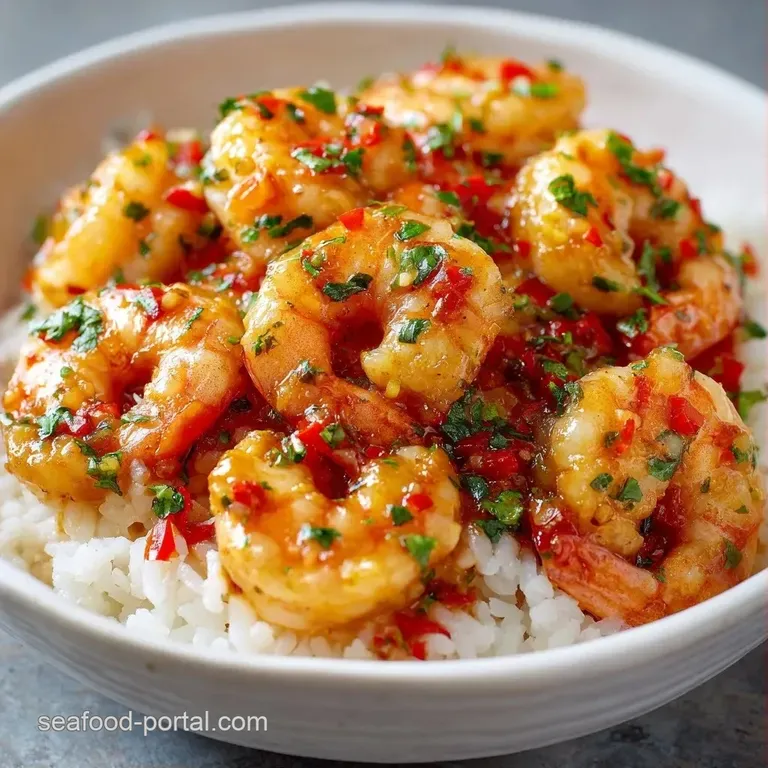
Even the best cooks hit a snag sometimes. Usually, it comes down to heat management or liquid ratios.
Troubleshooting Common Issues
| Issue | Solution |
|---|---|
| Why Your Rice is Mushy | This usually happens if you skip the toasting step or use too much broth. If you use short grain rice instead of long grain, the extra starch makes it stickier. |
| Why Your Shrimp are Rubbery | Overcooking is the culprit here. Shrimp cook incredibly fast. If you leave them in for 10 minutes instead of 5-7, they'll shrink and get a "bouncy" texture. |
| Why the Bottom is Burnt | This is a sign of a pot with a thin bottom or heat that was too high during the simmer. Keep the burner on the lowest setting possible. |
Quick Fix Checklist:
- ✓ Did you rinse the rice to remove starch?
- ✓ Is the lid airtight?
- ✓ Did you toast the grains until they smelled nutty?
- ✓ Did you remove the pot from heat immediately once shrimp turned pink?
- ✓ Did you use a heavy bottomed pot?
Different Flavor Twists
Once you've mastered the basic One Pot Shrimp Rice, you can start playing with the flavor map. The base of butter and lemon is very flexible.
Creating a Cajun Twist
Swap the oregano for a blend of thyme, cayenne, and plenty of black pepper. Add a diced celery stalk to the sauté phase with the onions. This turns it into a simplified jambalaya style dish. If you like a lot of heat, a dash of hot sauce at the end is brilliant.
Making it Lemon Garlic
Double the garlic to 8 cloves and add a tablespoon of capers during the final fluffing. This leans into a more Mediterranean profile. For an even richer taste, stir in a tablespoon of cold butter right before serving.
Using a Rice Cooker
If you have a One Pot Shrimp Rice Cooker setup, you can sauté the veggies in the "brown" setting. Add the rice and broth, then start the normal cycle. Set a timer for 10 minutes before the cycle ends, then quickly open the lid, add the shrimp, and let the machine finish the job.
Healthy Version
Swap the white rice for brown rice. Note that brown rice takes much longer to cook (usually 40-45 minutes) and requires about 25% more broth. You'll need to add the shrimp much later in the process. This version is a bit heartier and has a chewier texture.
If you're in the mood for something with a bit more kick, you might enjoy a Bang Bang Shrimp recipe for an appetizer before this meal.
Adjusting Your Batch Size
Cooking for one or cooking for a crowd requires more than just multiplying the numbers.
Scaling Down (Half Batch): Use a smaller saucepan to keep the liquid depth consistent. Reduce the simmer time by about 2-3 minutes since there's less mass to heat.
I recommend beating one egg in a bowl and using half of it if you decide to add a protein bind, though this recipe doesn't require it.
Scaling Up (Double or Triple Batch): Don't just double the salt and spices; start with 1.5x and taste at the end. Liquids can be tricky; reduce the total broth by about 10% when doubling, as less moisture evaporates from a larger, crowded pot.
Work in batches for the sauté phase so you don't crowd the pan, which would cause the vegetables to steam instead of brown.
For those making a huge party batch, check out the shopping tips in this guide to third culture cookbooks to find the best bulk ingredients.
| Batch Size | Pot Type | Liquid Adjustment | Time Change |
|---|---|---|---|
| Single | Small Saucepan | Exact ratio | -20% simmer time |
| Standard | Dutch Oven | Exact ratio | Standard |
| Double | Extra Large Pot | -10% Broth | +5 mins simmer |
Debunking Rice Myths
There are a lot of "rules" about rice that just aren't true. Let's clear some of those up.
Myth: You must stir rice while it simmers. Truth: Stirring releases starch and makes the rice gummy. Once the lid goes on, leave it alone. The steam does all the work.
Myth: Searing shrimp "locks in" the juices. Truth: Searing creates flavor through browning, but it doesn't stop moisture loss. Steaming the shrimp on top of the rice actually keeps them more moist than frying them in a pan.
Myth: All white rice is the same. Truth: Long grain and short grain rice have completely different starch structures. If you use sushi rice for this One Pot Shrimp Rice, you'll get a sticky clump instead of fluffy grains.
Storage and Waste
Don't let your leftovers go to waste. Rice is great, but it can get dry if not handled correctly.
Refrigeration: Store the rice in an airtight container for up to 3 days. To reheat, add a teaspoon of water or a knob of butter per serving. Microwave on medium power or heat in a pan with a lid to bring the moisture back.
Freezing: You can freeze this dish for up to 2 months. Freeze it in flat bags to save space. Thaw in the fridge overnight before reheating. Note that the shrimp might lose a bit of their "snap" after freezing.
Zero Waste Tips:
- Shrimp Shells: If you bought shrimp with shells, don't toss them. Simmer the shells with a bit of water and onion to make your own seafood broth for the next time you make this.
- Onion Scraps: Save the onion skins and pepper ends in a freezer bag. When the bag is full, boil them for a basic vegetable stock.
- Lemon Halves: Squeeze every last drop out of your lemons. If you have leftover rinds, zest them and freeze the zest in a small jar for future recipes.
Best Side Pairings
Since this dish is quite rich and filling, you want sides that provide a fresh, acidic contrast.
The Fresh Contrast
A simple cucumber salad with rice vinegar and sesame oil cuts through the butter of the rice. The crunch of the cucumber balances the softness of the grains. Another great option is a zesty Fish Taco Sauce recipe served on the side as a dipping sauce for the shrimp.
The Classic Side
Steam some snap peas or sautéed spinach with a squeeze of lemon. Keep the greens simple so they don't compete with the smoked paprika. A side of sliced avocado also works well, adding a creamy texture that complements the seafood.
Right then, you've got everything you need to nail this One Pot Shrimp Rice. It's a simple, honest meal that proves you don't need a lot of fancy equipment to get high end flavor. Just remember to toast those grains, keep that lid tight, and don't overcook your shrimp. Happy cooking!
Recipe FAQs
What are the best sides to serve with one-pot shrimp rice?
Fresh steamed greens or a crisp side salad. The acidity of a light vinaigrette balances the richness of the butter and smoked paprika in the rice.
What sauce works best when cooking shrimp in a pan?
A garlic-butter base with citrus. If you want a creamier, tropical profile, our coconut shrimp sauce is an excellent alternative.
Which vegetables pair best with shrimp and rice in one pot?
Diced onion and red bell pepper. These provide a sweet aromatic base and vibrant color when sautéed in butter and oil before adding the rice.
How can cooked shrimp rice be used up if there are leftovers?
Reheat in a pan with a knob of butter. Add a teaspoon of water per serving to restore moisture and heat on medium power until warmed through.
Can I add more garlic to make this taste like a scampi?
Yes, increase the minced garlic to 6-8 cloves. This boosts the pungent, savory profile without disrupting the one-pot cooking method.
Why are my shrimp coming out rubbery?
You likely overcooked them. Shrimp only need 5-7 minutes to become opaque and coral pink; exceeding this time creates a bouncy, tough texture.
Is it true I can skip toasting the rice to save time?
No, this is a common misconception. Stirring the rice for 2-3 minutes until the edges are translucent prevents mushiness and adds a critical nutty flavor.
One Pot Shrimp Rice in 30 Minutes