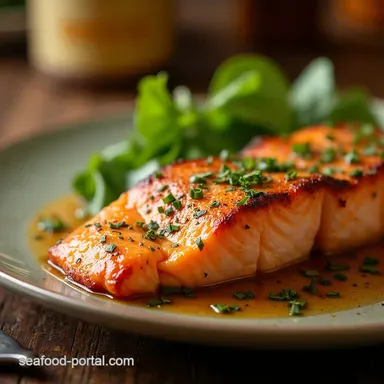
The Sunday Best Weeknight Salmon Foolproof Baked Salmon with Zesty Lemon Herb Glaze
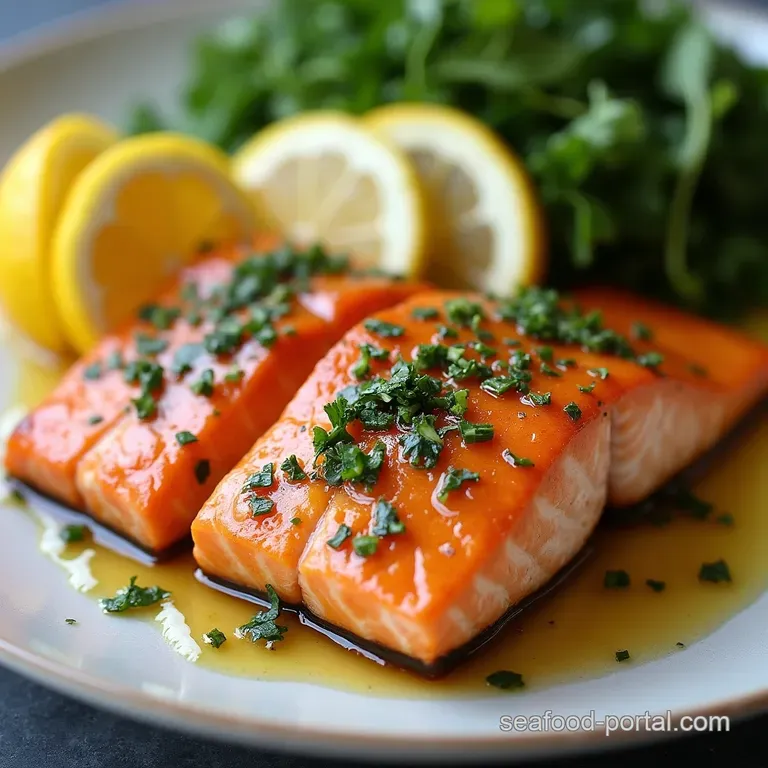
- Unveiling the Chef’s Secret to Fail-Proof Weeknight Feasts
- Why This Lemon-Dill Glaze Makes All the Difference
- Assembling Your A-List Components for Optimal Flavor Delivery
- The Essential Gear: Tools You Need for Baking Perfection
- The Step-by-Step Journey to Flawlessly Baked Salmon
- Mastering the Oven Environment for Superior Results
- Elevating Your Plate: Sides That Harmonize with Baked Fish
- Troubleshooting & Preservation: Keeping Your Leftovers Sublime
- Recipe FAQs
- 📝 Recipe Card
Unveiling the Chef’s Secret to Fail Proof Weeknight Feasts
Welcome to the intersection of speed and sophistication in your kitchen. As an expert in making weeknight meals feel like a special occasion, I’m thrilled to share my definitive guide to OvenBaked Salmon .
We aren't talking about dull, dried out fish here; we are aiming for succulent, flaky perfection every single time. This recipe, which I call the ‘Sunday Best’ Weeknight Salmon, utilizes a high heat and a vibrant glaze to ensure that whether you’re a novice cook or a seasoned home chef, you’ll achieve results worthy of a restaurant reservation, all while keeping the cleanup virtually nonexistent.
This is the key to consistently successful Cooking Salmon In Oven sessions.
Why This Lemon Dill Glaze Makes All the Difference
The secret weapon in this Easy Oven Baked Salmon approach lies entirely in the simple yet potent glaze. While plain salt and pepper are fine, they don't create that memorable exterior crust and moist interior we desire.
By pairing bright acidity with aromatic herbs and a touch of fat, we create a flavour shield that locks in moisture while delivering an explosion of taste upon every bite.
The Culinary Philosophy Behind Our Classic OvenBaked Salmon
My philosophy centers on respecting the ingredient. Salmon, rich in healthy fats, needs careful handling to prevent it from seizing up. This recipe is built around balancing flavour components acidity from the lemon, sharpness from Dijon, and herbaceous freshness from the dill which not only season the fish but also help tenderize the exterior slightly as it cooks.
This thoughtful combination ensures the final product is the Best Oven Baked Salmon you’ve ever made at home.
A Nod to Elegance: Achieving Restaurant Quality with Minimal Effort
Many people believe achieving restaurant quality requires complex techniques like searing or poaching, but that couldn't be further from the truth when it comes to great Baked Salmon Fillets Oven . We rely on the consistent, ambient heat of the oven.
By utilizing a specific temperature which we’ll discuss in detail we gently coax the protein to cook through without scorching the delicate surface, leaving you with a beautifully structured fillet every time.
Setting the Stage: What Makes This Recipe a Weeknight Hero?
This preparation clocks in with a mere 10 minutes of active preparation time. That efficiency is paramount for a Tuesday evening meal. You mix the glaze while the oven preheats, brush it on, and then step away while the magic happens.
This minimal hands-on time means you can focus on side dishes or, better yet, simply relax. This entire process answers the fundamental question of How To Bake Salmon In Oven successfully when time is short.
Assembling Your A-List Components for Optimal Flavor Delivery
Before we touch the heat, we must ensure our ingredients are ready to perform. For four generous servings, we need four approximately 6-ounce salmon fillets, ideally about an inch thick, whether skin-on or skinless based on your preference.
The seasonings are simple: just kosher salt and freshly ground black pepper to start. The true excitement comes from the glaze, which combines 3 tablespoons of extra virgin olive oil, 2 tablespoons of freshly squeezed lemon juice, 1 tablespoon of Dijon mustard, 1 teaspoon of bright lemon zest, 1 tablespoon of finely chopped fresh dill, and one finely minced clove of garlic.
To balance the brightness, I often sneak in half a teaspoon of brown sugar it helps the glaze caramelize ever so slightly.
The Essential Gear: Tools You Need for Baking Perfection
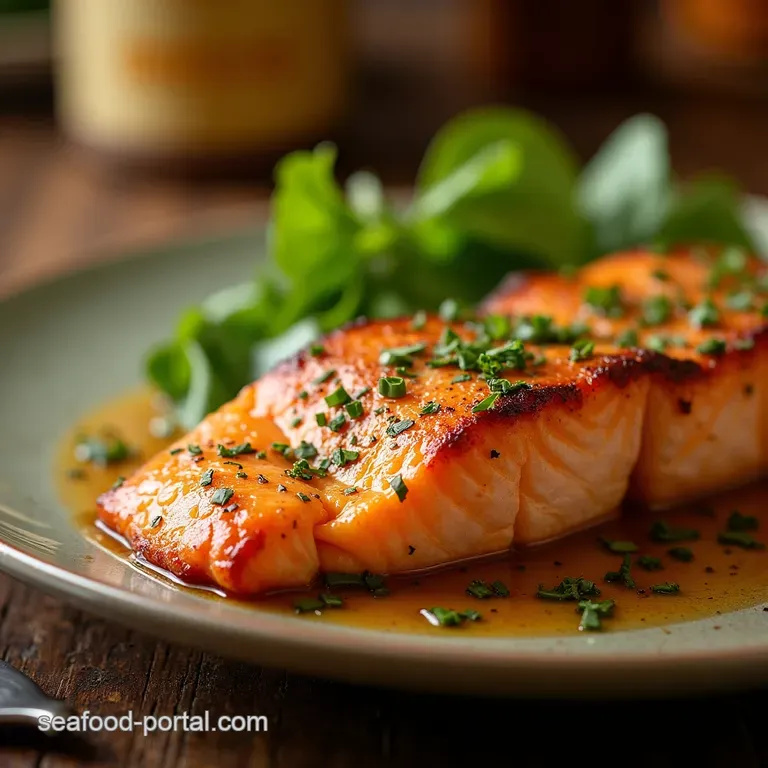
You don’t need a professional kitchen for this, but a few key tools will ensure smooth sailing. You’ll need a standard baking sheet or a shallow roasting pan. Critically, line this tray with either parchment paper or aluminum foil. This is non-negotiable for the easiest cleanup possible.
Beyond that, you only need a small bowl and a whisk or fork for combining your glaze ingredients, and, ideally, a zester or microplane to capture that essential lemon oil from the zest.
Selecting Salmon Fillets: Thickness, Cut, and Sourcing Insights
When buying your fish, aim for fillets that are uniform in thickness; this is the single biggest factor in achieving even cooking. If you have a mix of thick and thin pieces, the thin ones will inevitably dry out waiting for the thick ones to finish.
If sourcing, look for vibrant colour and a clean, oceanic smell freshness matters most. Whether you keep the skin on or not is personal preference; keeping the skin on acts as a wonderful, slightly crispy barrier against the hot pan.
Crafting the Zesty Infusion: Measuring the Glaze Components Precisely
Precision matters when blending fats and acids. When whisking your glaze mixture, start by incorporating the Dijon mustard and lemon juice into the olive oil. This helps create a slight emulsion.
Don't worry if it doesn't look perfectly smooth; the goal is simply to ensure the garlic and dill are distributed evenly throughout the oily mixture so every part of the salmon receives that lovely, bright flavour.
Pantry Checks: Substitutions When Your Herb Garden is Bare
If you find yourself without fresh dill, don't panic! Tarragon or chives make excellent, though slightly different, aromatic substitutes. If you’re completely out of fresh citrus, you can use bottled lemon juice, but double the zest measurement if you happen to have a fresh lemon on hand, as the zest holds the most volatile oils.
Should you lack brown sugar, a tiny drizzle of maple syrup serves the same balancing purpose in the glaze.
Related Recipes Worth Trying
- The Ultimate Grilled Salmon Cobb Salad Recipe Fresh Summer Dinner — Elevate your dinner with this stunning Grilled Salmon Cobb Salad recipe Featuring flaky smoked paprika salmon and tangy lemondijon dressing A healthy salmon...
- The Proper Salmon Salad Light LemonDill Capers Recipe — Elevate your lunch with this bright nonsoggy Salmon Salad Sandwich Recipe Made with crème fraîche and fresh dill for incredible flavour Get the easy recipe
- Blackened Salmon with Creamy Dijon Sauce 30 Min — Forget takeout This Blackened Salmon Recipe delivers a fiery crust and a silky Dijon Cream Sauceperfect for a healthy weeknight dinner
The step-by-step Journey to Flawlessly Baked Salmon
With your ingredients measured and your pan lined, we move to the application process. This journey to perfect Oven Baked Salmon 400 Degrees results in incredible texture and flavour balance.
Mastering the Oven Environment for Superior Results
The foundation of this successful method lies in controlling the heat and prep work leading up to cooking.
Prepping the Fish: Patting Dry and Initial Seasoning Strategy
This is arguably the most critical step: taking paper towels and thoroughly patting every surface of the salmon fillets dry. Excess moisture steams the fish, preventing the glaze from adhering and inhibiting good texture development.
Once dry, place the fillets on your prepared sheet and season them simply but generously with salt and black pepper before adding the glaze.
Glazing Techniques: When to Apply the First Coat and the Final Brush
Apply the prepared lemon dill glaze generously across the top surface of each fillet, ensuring you coat the edges as well. We apply all the glaze upfront for this method. The combination of the fat and the mild acidity protects the fish beautifully during the bake time.
There is no need for an intermediate application unless you are cooking a very thick portion (over 1.5 inches).
Calculating Cooking Time: Ensuring Salmon Reaches Ideal Doneness
For optimal results when Cooking Salmon In Oven , preheat your oven to 400° F ( 200° C). The ideal Oven Baked Salmon Temp and Time for average 1 inch thick fillets is between 12 and 15 minutes.
Always check doneness internally with a fork or thermometer. The fish is perfect when it flakes easily and reaches an internal temperature of 145° F ( 63° C). Thicker cuts will push closer to the 15-minute mark.
The Crucial Rest Period: Allowing Juices to Redistribute Post Bake
Resist the urge to plate the fish the second it leaves the oven. Remove the baking sheet and allow the salmon to rest directly on the pan for just two minutes. This brief rest allows the muscle fibres to relax and redistribute the internal moisture, ensuring that when you serve it, every piece remains tender and juicy, maximizing the benefits of this reliable Oven Baked Salmon Recipe .
Elevating Your Plate: Sides That Harmonize with Baked Fish
A dish this bright and herbaceous begs for simple, grounding accompaniments. For starch, fluffy Basmati rice is excellent for soaking up any residual, flavourful pan juices, or consider creamy mashed potatoes for a richer experience.
On the green side, quickly steamed asparagus spears tossed with a touch of butter and sea salt provide the perfect crisp counterpoint. For a beverage pairing, a chilled, crisp Sauvignon Blanc beautifully echoes the lemon notes in the glaze.
Troubleshooting & Preservation: Keeping Your Leftovers Sublime
Even the best intentions sometimes lead to slight miscalculations, or perhaps you simply made too much! Understanding how to adapt and store this dish ensures consistent success moving forward.
Variations on the Theme: Spice Swaps for Your Next OvenBaked Salmon Adventure
If you find yourself craving variety for your next OvenBaked Salmon session, consider the Mediterranean variation: swap the dill for fresh parsley and oregano, and toss halved cherry tomatoes onto the tray to roast alongside the fish.
Alternatively, for a sweet and smoky twist, replace the brown sugar with maple syrup and add a dash of smoked paprika to the glaze base. These small tweaks keep the simple baking method fresh.
Nutritional Snapshot: The Health Benefits of This Simple Preparation
Beyond the fantastic flavour profile, this preparation method is incredibly healthy. Salmon is renowned for its high concentration of Omega-3 fatty acids, essential for heart and brain health.
Since we are baking rather than frying, we minimize added fats, keeping the calorie count reasonable around 350 to 400 kcal per serving, depending on the fillet size, making this a powerhouse meal.
Shelf Life Secrets: Storing and Reawakening Leftover Flavors
Leftover Baked Salmon Fillets Oven recipes are gold for quick lunches. Store cooled leftovers in an airtight container in the refrigerator for up to three days. To gently reheat, avoid the microwave if possible, as it can quickly dry the fish out.
Instead, try wrapping the portion loosely in foil and placing it in a 300° F oven for about 8- 10 minutes until warmed through. A final spritz of fresh lemon before serving will revive those bright, zesty notes beautifully.
Recipe FAQs
Oven baked salmon marinade
For this vibrant OvenBaked Salmon, whisk the glaze ingredients until emulsified before brushing generously over the fillets. Storing leftovers requires airtight containers in the refrigerator for up to three days.
If fresh dill is unavailable, use one teaspoon of dried dill, remembering to increase the lemon zest slightly for balance.
Oven baked salmon in foil
For the most tender OvenBaked Salmon, ensure your fillets are around one inch thick to achieve that perfect 12 to 15-minute cook time. If you don't have fresh dill, a half teaspoon of dried dill will suffice, though the fresh herb offers superior brightness.
Leftovers store beautifully in the refrigerator for up to three days, sealed tightly.
Oven baked salmon skin on
Baking salmon skin-on is an excellent choice; the skin protects the delicate flesh from drying out during cooking. For the crispiest results, place the fillets skin side down on a parchment lined baking sheet and ensure the oven is fully preheated.
Leftovers, if any, will keep well refrigerated in an airtight container for up to three days.
Best baked salmon recipe in the world
For this exquisite OvenBaked Salmon, ensure your fillets are about one inch thick for a perfect 12-15 minute cook time, which guarantees a moist interior. If you prefer a substitution, a touch of honey or maple syrup can replace some of the olive oil in the glaze for added caramelized sweetness.
Leftovers store beautifully in an airtight container in the refrigerator for up to three days.
Is it best to cook salmon at 350 or 400?
For beautifully moist OvenBaked Salmon, I recommend cooking at 400°F. This higher temperature ensures the salmon cooks quickly, setting the glaze nicely while keeping the interior flaky and tender. Plan for about 12 to 15 minutes depending on the thickness of your fillets.
How long to leave salmon in the oven at 400 degrees?
For OvenBaked Salmon cooked at 400 degrees Fahrenheit, plan for 12 to 15 minutes, adjusting for fillet thickness; aim for an internal temperature of 145 degrees Fahrenheit for perfect flakiness. Salmon around one inch thick will generally fall into the shorter end of that window.
Ensure your oven is fully preheated before placing the seasoned fillets inside to achieve that desired texture.
Easy Lemon Dill Oven Salmon