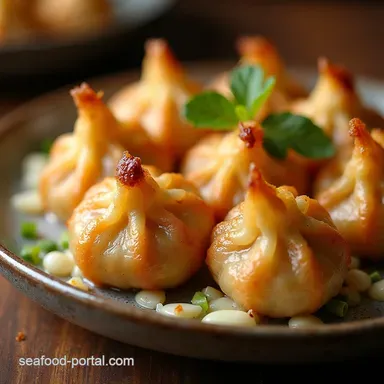
Goldenbottomed Chicken Dumplings Juicy Filling Ultimate Crisp
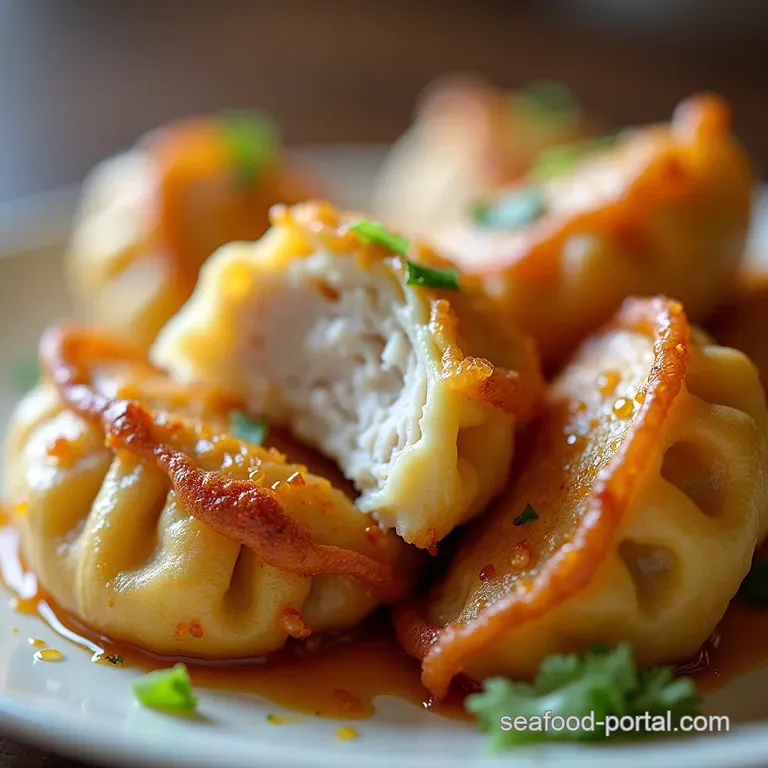
- Unlocking the Secret to the Ultimate Crispy-Bottomed Chicken Potsticker
- Why This PanFried Chicken Dumplings Recipe Stands Above the Rest
- Essential Components for the Savory Chicken Filling
- Mastering the Filling Assembly: Mixing for Optimal Flavor Distribution
- The Art of Folding: Creating the Perfect Pleated Seal
- Executing the Pan-Fry: Achieving the Signature Steam-Fry Finish
- Serving Suggestions: Dipping Sauces That Elevate the Experience
- Troubleshooting Common Pan-Frying Pitfalls
- Recipe FAQs
- 📝 Recipe Card
Unlocking the Secret to the Ultimate Crispy-Bottomed Chicken Potsticker
There are few culinary triumphs as satisfying as achieving that perfect pan fried Chicken Dumplings texture: a blisteringly crisp, deeply caramelized base yielding to a soft, steaming wrapper, all encapsulating a flavourful, juicy interior.
These golden-bottomed pockets of deliciousness, often referred to as potstickers or gyoza , transform simple ground chicken into an extraordinary meal. While the process involves a few distinct stages, mixing, folding, and the crucial steam-fry, mastering this pan fried Chicken Dumplings Recipe elevates your home cooking repertoire instantly.
We are aiming for a truly authentic experience that rivals your favourite Asian restaurant, all accomplished right in your own kitchen.
Why This PanFried Chicken Dumplings Recipe Stands Above the Rest
This particular approach focuses heavily on moisture retention within the filling and precise heat management during the final crisping phase. Achieving success with Homemade pan fried Chicken Dumplings hinges on understanding the synergy between the filling ingredients and the cooking vessel.
Forget limp, soggy bottoms; we are chasing that shatteringly crisp exterior that defines a superior pan fried Dumplings experience.
The Allure of Texture: Silky Wrapper Meets Golden Crust
The contrast in textures is what makes these addictive. The wrapper, made either from scratch using hot water dough or expertly sourced store-bought varieties, should be delicate enough to nearly melt in your mouth.
The bottom, however, needs time on the hot surface to develop deep Maillard reactions, transforming simple starch into complex, nutty flavour. This textural dance is the hallmark of exceptional pan fried Chicken .
A Deep Dive into Authentic Japanese Gyoza Technique
Our methodology borrows heavily from Japanese gyoza traditions, particularly the two-stage cooking process. We aren't just frying; we are utilizing steam to ensure the filling cooks perfectly without burning the delicate bottoms.
This precise technique guarantees that every bite of your pan fried Japanese Chicken Dumplings is fully cooked, tender, and perfectly seasoned throughout.
Setting Expectations: What Makes These Dumplings 'Perfect'?
Perfection in this context means three things: 1) A filling that bursts with savoury, umami flavour, remaining moist despite the high-heat frying; 2) A wrapper that is uniformly sealed, preventing any leakage; and 3) That signature crisp bottom that requires only a light tap to shatter.
This Chicken Dumpling Recipe is designed specifically to deliver on all three fronts, resulting in truly Healthy Homemade Dumplings when portion sizes are considered.
Essential Components for the Savory Chicken Filling
The heart of any great dumpling lies in the filling. For our purposes, we are using ground chicken, but choosing the right cut is paramount. Dark meat ground chicken is highly recommended as its higher fat content ensures the filling remains succulent even after frying.
The goal is an emulsified, bouncy texture, not a loose scramble of meat.
Precise Measurements for Juicy Ground Chicken
We start with one pound of ground chicken. To this, we incorporate finely minced and aggressively squeezed Napa cabbage, about one cup’s worth. Squeezing out the cabbage moisture is perhaps the single most crucial step to prevent a watery filling that compromises both flavour and sealing ability.
A small teaspoon of cornstarch acts as a binder, helping to lock in the juices released during cooking.
The Aromatic Trinity: Ginger, Garlic, and Scallion Ratios
A balanced aromatic profile prevents the chicken from tasting flat. We utilize a generous tablespoon of freshly grated ginger, two minced cloves of garlic, and half a cup of finely sliced scallions (using primarily the green parts for colour and milder flavour).
These aromatics are complemented by low-sodium soy sauce for depth, toasted sesame oil for nutty richness, a dash of rice vinegar for brightness, and a light seasoning of white pepper.
Must-Have Equipment for Successful Assembly
While you can certainly purchase pre-made wrappers, if you choose to make your own dough (using two cups of flour mixed with hot water), a reliable rolling pin is essential for achieving the necessary thinness. For assembly, a small bowl of water for sealing edges is non-negotiable.
Crucially, for cooking, you must have a large, heavy-bottomed non-stick skillet that comes with a tight-fitting lid, this lid is indispensable for the steaming phase.
Mastering the Filling Assembly: Mixing for Optimal Flavor Distribution
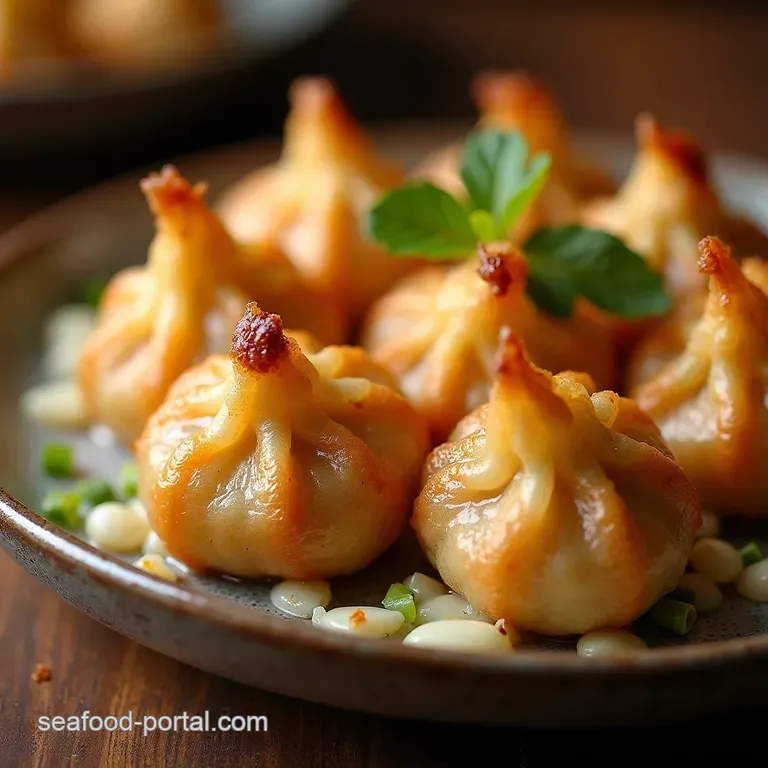
Once all your components are measured and prepared, cabbage squeezed, aromatics minced, combine them in a large bowl with the ground chicken and seasonings. The technique here is as important as the ingredients themselves.
You must mix the filling vigorously and, importantly, always in the same direction . Whether clockwise or counter-clockwise, maintain consistency. This repetitive motion develops the protein strands in the meat, creating a cohesive, slightly sticky texture that ensures the filling doesn't crumble when cooked, leading to wonderfully Juicy Ground Chicken in every bite.
Mix until you can lift a portion of the filling and it holds its shape without easily falling apart.
Related Recipes Worth Trying
- Explosive Crunch Crispy Bang Bang Chicken Recipe Air Fryer — Make restaurantquality Crispy Bang Bang Chicken at home This baked or air fryer recipe guarantees a shatteringly crisp coating and addictive sweet heat sauce
- Nonnas City Chicken Recipe Crispy ItalianAmerican Croquettes — Dont let roast chicken go to waste Learn how to cook City Chicken into flavourful crispy croquettes This authentic Italian American recipe is pure comfort
- The Zesty Alfresco Best Grilled Chicken Marinade Recipe — Whip up my goto Sunshine Grilled Chicken Marinade for juicy flavourful results This easy recipe is perfect for summer grilling
The Art of Folding: Creating the Perfect Pleated Seal
Folding is often the area that trips up beginners. Take one of your 3-inch wrapper circles, whether homemade or store-bought—and place a scant teaspoon of filling in the centre. Do not overfill. Dip your finger in water and lightly moisten the entire outer rim of the wrapper.
Bring the wrapper edges up to meet over the filling, creating a half-moon shape. Now, starting from one side, create small, neat pleats along one edge, pressing each pleat firmly against the smooth, unpleated edge to create that classic, crimped seal.
Ensure the finished dumpling sits flat on its base; this flat surface is critical for developing the golden crust later.
Executing the Pan-Fry: Achieving the Signature Steam-Fry Finish
This final stage is where the magic happens, transforming simple wrapped meat into glorious pan fried Chicken Dumplings . It requires heat control and timing.
Prepping Vegetables: Ensuring No Excess Moisture
While this point relates primarily to the filling preparation, it’s worth reiterating: if your cabbage was not thoroughly squeezed, the moisture released during frying will immediately turn to steam before the initial crisping stage, leading to steamed bottoms instead of fried ones.
Make sure all vegetables are bone dry before mixing them in.
Techniques for Wrapping Dumplings Without Tearing the Skin
If you notice tearing, it often indicates the wrappers are too dry or your rolling pin created edges that were too thin and brittle. When sealing, use water sparingly, just enough to create tackiness.
If using commercial wrappers, ensure they are fresh and haven’t dried out on the counter for too long before filling.
The Dual-Phase Cooking Method for PanFried Chicken Dumplings
Heat two tablespoons of a neutral oil (like canola or vegetable) in your non-stick skillet over medium-high heat. Arrange the sealed dumplings flat-side down in a single layer, leaving a small gap between each one.
Fry undisturbed for about two to three minutes until the bottoms achieve a deep, beautiful golden-brown hue. This is the crisp layer setting.
Creating the Starch Slurry for the Crisp Base
Once the bottoms are golden, stand back and carefully pour about half a cup of water into the hot pan, expect a significant cloud of steam. Immediately cover the pan with its tight-fitting lid.
Reduce the heat to medium and allow the dumplings to steam vigorously for five to seven minutes until the internal chicken temperature is safe (around 165° F/ 74° C). Finally, remove the lid completely and crank the heat back up to medium-high.
Allow the residual water to evaporate completely, letting the bottoms crisp up again for another minute or two until they are perfectly crackly. Remove promptly to prevent overcooking.
Serving Suggestions: Dipping Sauces That Elevate the Experience
A spectacular dumpling demands an equally stellar dipping companion. While a simple mixture works wonders, taking a moment to craft an intentional sauce elevates the entire dish from snack to spectacle.
Crafting the Umami-Rich Dipping Elixir
The best accompaniment is often the simplest. Combine three parts quality low-sodium soy sauce with one part rice vinegar. Add a very small dash of toasted sesame oil, it’s potent, so restraint is key.
For those who enjoy heat, a few thin slices of red chili or a drizzle of high-quality chili crisp oil cuts through the richness of the pan fried Chicken beautifully.
Troubleshooting Common Pan-Frying Pitfalls
Even with the best intentions, things can occasionally go awry. Being prepared for these common issues ensures your next batch is flawless.
Freezing Uncooked Dumplings: A step-by-step Guide
If you make a large batch, freezing them uncooked is the best route. Place the fully folded, un-cooked dumplings on a baking sheet lined with parchment paper, ensuring they don't touch. Flash freeze them for an hour until solid, then transfer them to a sealed freezer bag.
When cooking from frozen, skip the initial crisping step slightly and add an extra two minutes to the steaming time, as the internal temperature starts much lower.
When Your Bottoms Are Burning Before the Filling Cooks
This is a sign that your heat is too high during the steaming phase, or you are trying to cook too many at once, crowding the pan and causing uneven heat distribution. If you notice them darkening too quickly during the steam, immediately reduce the heat to low, lift the lid slightly for a moment to release intense steam, and check the internal temperature.
For subsequent batches, start on slightly lower heat.
Creating exquisite pan fried Chicken Dumplings at home is an exercise in patience and layering flavour, culminating in that signature crisp texture. By respecting the importance of a dry filling, mastering the tight pleat, and executing the crucial steam-fry method, you are guaranteed to produce a batch of Homemade pan fried Chicken Dumplings that will have everyone reaching for seconds.
Enjoy the ultimate textural reward!
Recipe FAQs
How do I stop my pan-fried Chicken Dumplings from sticking to the bottom of the pan?
Sticking is usually down to two things: too little oil or insufficient heat management during the initial fry. Ensure your non-stick skillet is properly heated before adding the oil, and make sure the dumplings are placed into hot oil.
Once you add the water for the steaming step, cover the pan quickly to create that initial steam barrier before the bottoms burn.
My filling is bland. How can I make the flavour in these pan-fried Chicken Dumplings really sing?
The secret lies in mixing the filling aggressively in one direction until it gets sticky; this ensures a juicy texture. For flavour, don't skimp on the fresh aromatics, lots of ginger and scallions are key!
A splash of rice vinegar in the mix before folding adds brightness, much like a good squeeze of lemon brightens up a Sunday roast.
Can I make a big batch of these dumplings ahead of time? How should I store them?
Absolutely! Dumplings freeze brilliantly, which is handy for batch cooking. Lay the uncooked, well-separated dumplings on a parchment-lined baking sheet and freeze solid. Once hard, transfer them to a sealed freezer bag; they will keep for up to three months.
When cooking from frozen, skip the initial fry and place them directly into a hot, oiled pan, adding extra time for the steam phase.
What’s the best way to get that signature crispy bottom without overcooking the chicken filling?
That perfect crisp is achieved using the classic steam-fry method. Fry the bottoms on medium-high heat until golden (about 3 minutes), then immediately add water and cover to steam until the internal temperature is safe.
Finally, remove the lid and cook off the remaining moisture to re-crisp the base, it’s a three-stage process that ensures the inside is cooked through while the bottom is spot on.
I used store-bought wrappers, but they seem to be tearing when I try to seal them. What gives?
Store-bought wrappers can dry out quickly while you’re wrapping, making them brittle. Keep the stack you aren't using under a slightly damp tea towel, this prevents them from going cracker-dry. Also, only moisten the edges with a tiny bit of water, not too much, as soggy edges tear easily under pressure.
GoldenBottomed pan fried Chicken Dumplings Recipe Juicy Crisp