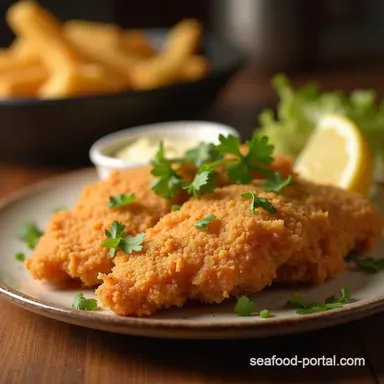
The Crispiest Catch Authentic Southern Fried Catfish with Buttermilk Cornmeal Crunch

- Unlocking the Legend: Why This Southern Fried Catfish Recipe Reigns Supreme
- The Soul of the South: A Deep Dive into Flavor Integrity
- Assembling Your Crispy Coating Components
- The Two-Stage Coating Technique for Maximum Adhesion
- Mastering the Oil Temperature for Authentic Southern Fried Catfish
- Troubleshooting Common Frying Mistakes
- Recipe FAQs
- 📝 Recipe Card
Unlocking the Legend: Why This Southern Fried Catfish Recipe Reigns Supreme
There’s something almost magical about the sound of hot oil crackling around a perfectly coated fillet. It’s the sound of comfort, community, and decades of culinary tradition wrapped up in one fantastic dish.
When we talk about authentic, soul satisfying comfort food, the Southern Fried Catfish stands tall among the greats. This isn't just food; it’s an experience a moment where crispy, savory perfection meets tender, mild white fish.
Many home cooks shy away from frying, viewing it as complicated or messy, but I'm here to demystify the process. With the right technique, you can easily master this classic and create a Homemade Fried Seafood Recipe that rivals any lakeside shack.
The Soul of the South: A Deep Dive into Flavor Integrity
The key to an unforgettable fried fish isn't just about how long you cook it; it’s about the preparation leading up to that crucial moment in the hot oil. We are aiming for integrity: a crust that stays firmly attached, full of bold seasoning, contrasting beautifully with the flaky, moist meat inside.
This comprehensive Southern Fried Catfish Recipe is built on two non-negotiable steps: a proper soak and an expertly balanced dredge.
Beyond the Bayou: A Modern Take on Tradition
While the roots of this dish stretch deep into Louisiana Fish Fry culture, our approach modernizes the process slightly by emphasizing temperature control and ingredient quality.
We are using readily available, high-quality catfish fillets rather than whole fish, making this an accessible meal for any evening, not just a weekend special. We treat the marinade with respect it’s designed to tenderize the protein just enough while creating a surface sticky enough to accept the dry coating completely.
What Makes This Crust Unbeatably Golden?
The coveted golden brown crust on great fried seafood comes down to the cornmeal. Yellow cornmeal, specifically the fine grind, provides that signature texture it absorbs just the right amount of oil to become wonderfully crisp without becoming greasy.
When combined correctly with flour, it creates a matrix that fries quickly and locks in the fish’s moisture. The seasoning blend, featuring robust garlic and onion powder alongside smoky paprika, ensures that every bite delivers a punch of savory depth, transforming simple dredging into a spectacular Catfish Batter Recipe .
A Quick Look at the Journey Ahead
To achieve success with this Easy Fried Fish Preparation , you need to commit about 20 minutes of active prep time, followed by a mandatory minimum of one hour for chilling. This rest period is vital for crust adhesion.
Once that’s done, the actual cooking is swift, clocking in around 10 to 15 minutes total. We’ll guide you through setting up your frying station, getting that oil temperature locked in, and executing the perfect two-stage coating for your Southern Fried Catfish Fillets .
Assembling Your Crispy Coating Components
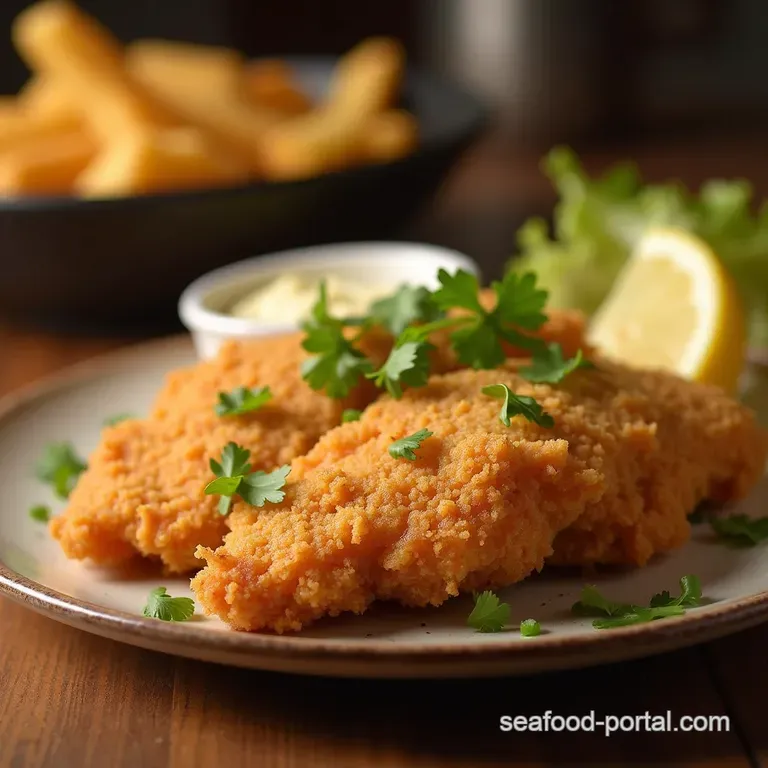
Before we even think about lighting the stove, we must meticulously prepare the elements that form the barrier between the mild flesh and the hot oil. A superior crust starts with proper hydration and seasoning distribution.
The Buttermilk Bath: Secret to Tenderness
The marinade is far more important than many home cooks realize. For our four generous servings, we begin by submerging the skinless, patted dry catfish fillets in 2 cups of full fat buttermilk, mixed with 1 teaspoon of hot sauce and 1 teaspoon of kosher salt.
The lactic acid in the buttermilk begins the tenderizing process, breaking down proteins slightly, which results in exceptionally moist fish. These fillets must now rest in the refrigerator, fully submerged, for at least one hour, though up to four hours yields even better results.
This chilling time also firms up the fish, making handling easier later on.
Crafting the Ultimate Seasoned Cornmeal Blend
While the fish chills, we assemble the dry dredge. This mixture forms the backbone of the crunch for our Fried Fish Recipe Instructions . In a wide, shallow dish, combine 1 cup of fine yellow cornmeal with 1 cup of all-purpose flour.
To this base, we add powerful aromatics: 2 tablespoons of smoked paprika for color and depth, 1 tablespoon each of garlic powder and onion powder, 1 tablespoon of freshly ground black pepper, and 1 tablespoon of kosher salt. For those who enjoy a little fire, feel free to introduce 1 teaspoon of cayenne pepper here.
Whisk this dry mixture thoroughly; homogeneity is key so that every piece of fish receives the same flavor intensity.
Selecting and Preparing Your Catfish Fillets
For this recipe, we are working with four approximately 6-ounce catfish fillets. Whether using fresh or thawed fish, the absolute first step before marinating is ensuring they are pat dry. Excess surface moisture will break down the buttermilk soak and lead to a weaker coating.
Once marinated and rested, remember to allow the excess buttermilk to drip off before moving the fillets to the dredge we want the coating to stick to a slightly damp, but not dripping, surface.
Related Recipes Worth Trying
- The Best Homemade Fried Shrimp Po Boys Recipe Crispy Easy — Forget soggy bread Learn how to make authentic Fried Shrimp Po Boys with a shatteringly crisp crust and the best zesty remoulade sauce This easy Po Boy...
- Foolproof Crispy Fried Wontons with Dipping Sauce Recipe — Master the art of truly Crispy Fried Wontons with this foolproof recipe Includes a punchy homemade Wonton Sauce Recipe for dipping
- The Proper Crispy Wonton Golden Fried Prawn Pork Parcels — Tired of soggy takeaway Master these Homemade Fried Wontons with a rich prawn and pork filling Follow my foolproof frying technique for ultimate crunch
The Two-Stage Coating Technique for Maximum Adhesion
Many beginners simply dredge the fish once and fry, leading to frustrating crust loss. Our technique ensures the Southern Fried Catfish Nuggets Recipe coating adheres tenaciously.
After the buttermilk bath, you press the fillet firmly into the seasoned cornmeal/flour blend, coating it completely. Then, instead of frying immediately, we place the coated pieces on a separate clean plate.
For an even superior crust, some chefs prefer a second dip back into the buttermilk for just a second, followed by another press into the dry dredge. This builds thickness.
Crucially, after the final coat, let these pieces rest on the plate at room temperature for about 10 to 15 minutes before frying. This resting period allows the moisture from the buttermilk to hydrate the flour and cornmeal just enough so that the crust sets, preventing it from washing off in the oil.
Mastering the Oil Temperature for Authentic Southern Fried Catfish
The difference between good fried fish and spectacular Southern Fried Catfish lies almost entirely in thermal management. Fat should be hot enough to cook the outside quickly, setting the crust before the interior overcooks.
Prepping the Dredging Stations: step-by-step Assembly
Ensure your workspace is efficient. You need your soaking station (buttermilk), your dredging station (cornmeal mix), and a holding station (a wire rack set over a baking sheet ready for draining). Efficiency is vital when moving from the dredge to the hot oil to maintain momentum and temperature stability.
Achieving the Ideal 'Shaggy' Texture on the Fish
When pressing the fillet into the cornmeal mixture, don’t just roll it; press it firmly. The texture you are aiming for is slightly "shaggy" meaning there are small crags and ridges of the cornmeal mixture adhering to the surface.
These peaks are what become incredibly crisp when fried, providing that delightful textural contrast.
Frying Secrets: How Long to Achieve Perfection
Pour 4 to 6 cups of a neutral high heat oil (like canola or peanut oil) into a heavy bottomed Dutch oven, ensuring it is 1.5 to 2 inches deep. Insert your deep fry thermometer and heat the oil steadily until it hits a consistent 350° F ( 175° C) .
Carefully lower just one or two fillets at a time into the oil using a spider strainer never overcrowd the pot, as this will cause the oil temperature to plummet. Fry for approximately 4 to 6 minutes per side.
The fish is done when the exterior is deep golden brown and the internal temperature registers 145° F ( 63° C).
Draining and Holding for Peak Crispness
As soon as the fish is cooked, lift it out and place it immediately on the prepped wire rack set over a baking sheet. This setup is crucial because it allows air to circulate completely around the fillet, preventing the bottom from steaming and getting soggy.
A quick sprinkle of fine salt over the hot, just drained fish enhances the flavor immediately. Work quickly to cook the remaining batches, readjusting the heat between rounds to bring the oil back up to 350° F before adding the next pieces.
Troubleshooting Common Frying Mistakes
Even with the best intentions, frying can present small challenges. Knowing how to pivot ensures your Catfish Dinner is salvaged.
Why Did My Crust Fall Off? Fixing Frying Fails
If the crust separates during frying, it's almost always due to one of two issues: either the fish was too wet when it entered the buttermilk (preventing the coating from adhering), or the oil temperature was too low.
If the oil isn't hot enough, the coating has time to soften and detach before it has a chance to cement itself onto the fish. For future attempts, ensure your temperature gauge is accurate and that you let the dredged fish rest for those crucial 10 minutes before frying.
Spice Level Adjustments: Customizing Your Flavor Profile
If you want to dial up the heat beyond the suggested cayenne in the dredge, consider infusing the frying oil itself. Add a few dried chili peppers or a teaspoon of chili flakes to the cold oil and allow them to infuse as the oil heats up, then strain them out before adding the fish.
This adds a subtle background heat that permeates the crust beautifully.
Ideal Partners: Sides That Complement Fried Catfish
The perfect plate for Southern Fried Catfish demands balance. Creamy coleslaw provides a cool, tangy contrast to the hot, rich fish. Hushpuppies are traditional, offering another fried element that plays well with the main protein.
A simple side of slow cooked collard greens or creamy grits completes this quintessential Southern meal.
Can You Air Fry This Classic? (Spoiler Alert!)
While this recipe is dedicated to the authentic deep fried texture, you absolutely can adapt this flavor profile for an air fryer. For the best results, follow all prep steps, but lightly mist the coated fillets with cooking spray before air frying at 380° F ( 195° C) for 12– 15 minutes, flipping halfway.
The texture won't match the crackle of true frying, but it provides a delicious, lower fat alternative while still honoring the deep flavors of the Southern Fried Catfish Recipe .
Recipe FAQs
Why does my Southern Fried Catfish crust keep falling off into the oil?
This is usually down to two things: inadequate drying or rushing the process. Make sure your fillets are patted bone dry before they go into the buttermilk marinade, and crucially, allow the dredged fillets to rest for about 15 minutes before frying.
This rest lets the moisture from the marinade hydrate the cornmeal mixture, cementing that lovely crust in place.
What’s the secret to getting that authentic, crispy texture without the fish tasting greasy?
The secret lies entirely in the oil temperature; you must use a deep fry thermometer and keep the oil steady at 350°F (175°C). If the oil drops too low when you add the fish, it'll soak up oil like a sponge and turn greasy.
Also, make sure you drain the cooked fish on a wire rack, not paper towels, to allow air circulation around the crust.
Can I prepare the Southern Fried Catfish ahead of time, or does it need to be eaten straight from the pan?
Honestly, this dish is best enjoyed piping hot, fresh from the rack that’s when the crunch is at its peak! If you must reheat, avoid the microwave entirely as it turns the crust soggy.
The best method is to spread the cooled fish on a baking sheet and reheat in a hot oven (around 400°F or 200°C) for 8 10 minutes until heated through and slightly crisp again.
I’m nervous about deep frying; can I pan-fry the catfish instead?
Absolutely! While deep frying gives the most uniform result, pan-frying is a perfectly acceptable substitute, especially if you're only cooking a couple of fillets. Just ensure you use a heavy skillet and maintain at least half an inch of oil depth.
You'll need to flip the fish more carefully and may need slightly longer cooking times per side.
What’s the best kind of oil to use for this recipe?
You want a neutral oil with a high smoke point, as we are frying quite hot. Peanut oil is the traditional choice down South and gives a fantastic flavour, but high heat vegetable or canola oil works a treat too. Avoid olive oil or butter blends as they smoke and burn far too easily at frying temperatures.
Crispy Buttermilk Catfish