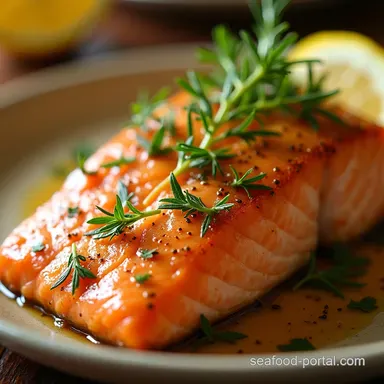
The Foolproof 15Minute Flake Perfectly Baked Lemondill Salmon
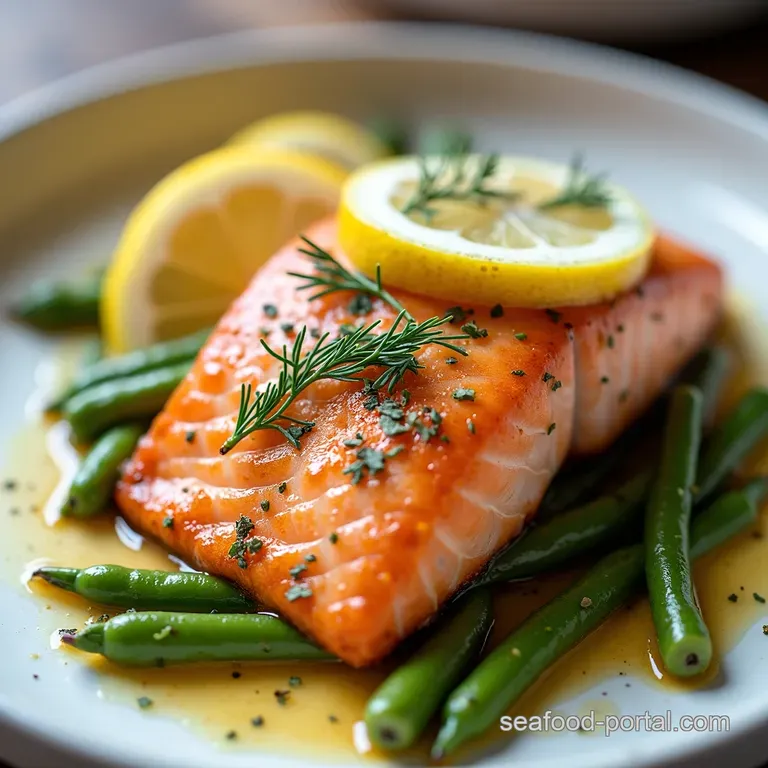
- Why This Lemon-Dill Approach Reinvents Home-Baked Salmon
- The Secret to Achieving Juicy, Restaurant-Quality Baked Salmon
- Curating Your Simple, High-Impact Ingredient List
- Executing the Bake: Precise Temperature and Timing Protocols
- The Final Flourish: Resting and Serving Techniques
- Elevating Your Experience: Variations and Troubleshooting
- Frequently Asked Questions
- 📝 Recipe Card
Why This Lemon Dill Approach Reinvents Home Baked Salmon
There’s a quiet confidence that comes from knowing how to properly cook a beautiful fillet of fish, and for many home cooks, that confidence revolves around mastering the art of Baking Salmon .
Too often, this otherwise magnificent protein ends up dry, disappointing, or clinging stubbornly to the pan. But fear not; our approach rooted in the bright, clean synergy of lemon and dill strips away the complexity and focuses purely on texture and immediate flavour impact.
We are aiming for a finished product so moist it practically melts, transforming this staple into the highlight of your week. This isn't just another recipe; it's a technique upgrade designed to deliver maximum flavour with minimal effort, positioning it perfectly as your go-to Easy Baked Salmon solution.
The Secret to Achieving Juicy, Restaurant Quality Baked Salmon
The difference between a mediocre baked fillet and one that elicits sincere compliments lies in controlling two variables: surface moisture and ambient heat. Our strategy ensures that the aromatics infuse deeply while the exterior is shielded from immediate drying.
The resulting Baked Salmon Fillets Oven experience is consistently tender, making this Baking Salmon Recipe a true staple.
Tired of Dry Fish? This Method Guarantees Moisture.
The number one cause of dryness is overcooking, but the number two cause is a lack of protective fat and seasoning applied before the heat hits. We combat this by utilizing a simple but effective olive oil and herb rub applied generously to the flesh side.
This fat barrier locks in the natural juices as the high oven temperature works quickly to cook the interior. On top of that,, by strictly adhering to visual cues rather than guessing we guarantee that succulent, Flaky Baked Salmon texture every single time.
A Weeknight Wonder: From Prep to Plate in Under 20 Minutes
When life gets busy, flavour shouldn't suffer. This preparation is engineered for speed. With only about 10 minutes of hands-on time required for chopping dill, zesting lemon, and mixing the rub, you can have dinner ready to serve shortly after the kettle boils.
This quick turnaround solidifies its status as an ideal Healthy Salmon Dinner option when time is scarce.
Understanding the Power of Fresh Aromatics Over Marinades
While deep marinades can be wonderful for tougher meats, delicate salmon benefits most from surface application. Heavy marinades, especially those high in acid, can begin to "cook" the exterior prematurely, leading to a slightly mushy texture.
Our method uses fresh aromatics garlic, dill, lemon zest, and juice combined with oil. This ensures the flavour penetrates just enough without compromising the delicate muscle structure of the fish during its Salmon Cooking Time Oven cycle.
Curating Your Simple, High Impact Ingredient List
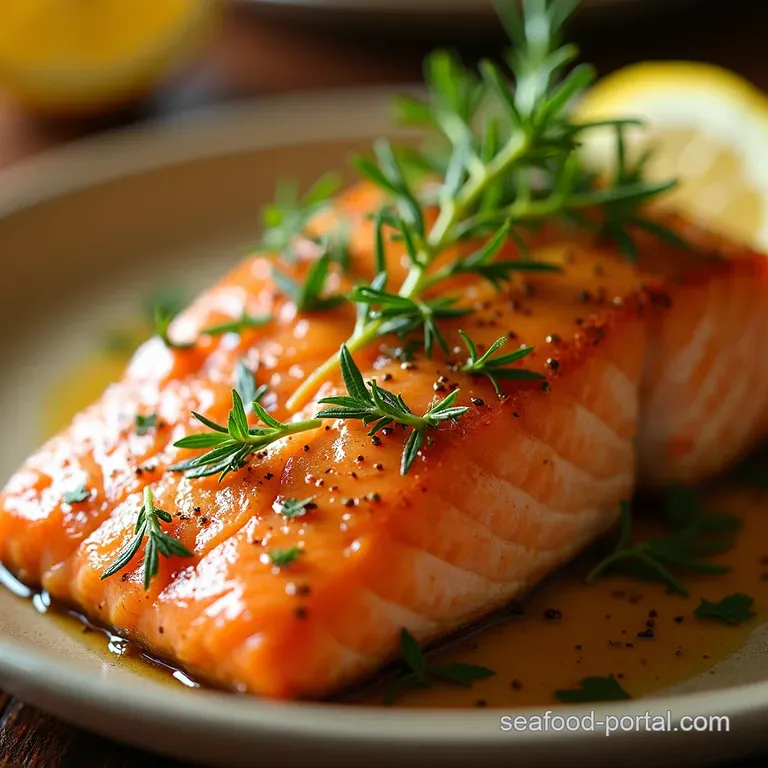
Success in cooking often hinges on the quality of a few key components. For this preparation, we’ve narrowed down the list to essentials that offer the biggest punch without requiring a trip to a specialty market.
Selecting the Best Cut: Fresh vs. Frozen Fillets
Whether you begin with fresh or previously frozen salmon is less important than how you prepare it. If using frozen, ensure it is fully thawed and, crucially, pat it thoroughly dry with paper towels before seasoning. A dry surface allows the seasoning to adhere beautifully and prevents the fish from steaming itself.
Aim for fillets that are relatively uniform in thickness, which helps ensure everything cooks evenly together.
The Core Four: Flavor Builders for Your Baking Salmon
Our primary flavour components are Extra Virgin Olive Oil, fresh Garlic, bright Dill, and zesty Lemon. The oil provides the essential richness and heat protection. Garlic introduces depth, while dill brings its signature cooling, herbaceous note.
The lemon zest delivers concentrated citrus oil essence, which is far more aromatic than the juice alone. We balance this with a generous amount of coarse sea salt and freshly cracked black pepper to season through the flesh.
Prep Work Essentials: Mise en Place for Speed
To keep our total time under 20 minutes, ensure your mise en place is complete before the oven is even turned on. This means having your 2 cloves of garlic minced, the 2 tablespoons of dill chopped, the 1 teaspoon of zest grated, and the baking sheet lined with parchment paper.
Once the pre-heating is done, the assembly stage becomes a swift two-minute task.
Related Recipes Worth Trying
- The Grand Salmon Celebration Cake A Savoury Fish Birthday Cake — Forget sponge Learn how to make a spectacular savoury Fish Birthday Cakea layered salmon terrine so elegant it works for adults or kids Easy assembly tips...
- Easy Homemade Fish Cakes Super Crispy Cod Salmon Recipe — Master how to make crispy fish cakes that taste like the seaside This easy homemade fish cakes recipe uses cod or salmon for moist centres and Panko for crunch
- Garlic Butter Baked Salmon Flaky Fast in 30 Minutes — The absolute best Garlic Butter Baked Salmon recipe for flaky moist fillets every time This easy oven baked salmon takes just minutes of prep Get cooking
Executing the Bake: Precise Temperature and Timing Protocols
The methodology here focuses on a hot, fast cook that respects the thin nature of the fillet. This higher temperature is key to achieving that beautiful texture we’re after.
The Final Flourish: Resting and Serving Techniques
The final moments before serving can make or break the perceived quality of your dish. A few small adjustments here ensure your salmon lands perfectly on the plate.
Oven Pre-heating: Setting the Stage for Success
We mandate a strong, consistent temperature for Baking Salmon At 400 Degrees Fahrenheit (approximately 200° Celsius). This heat level ensures that the exterior begins to set quickly, trapping moisture inside.
Never place salmon into a lukewarm oven; it needs that initial blast of heat.
Assembling the Fillets: Layering Herbs and Citrus for Infusion
Once the fillets are patted dry and placed skin side down on the parchment lined sheet, take your mixture of olive oil, garlic, dill, zest, juice, salt, and pepper. Use a spoon to coat the entire top surface generously. As a final touch, place one or two very thin slices of fresh lemon directly atop the seasoned flesh.
These slices infuse steam and moisture directly into the centre as they bake.
Monitoring Doneness: Visual Cues for Perfect Flakiness
The critical question in How Long To Bake Salmon is how to know when to pull it out. While the recipe outlines a 12 15 minute window for standard 6-ounce fillets, the true indicator is texture, not time. Look for the salmon to lose its glossy translucence and become opaque throughout.
When gently prodded with a fork at its thickest point, it should separate easily into large, moist flakes. For utmost accuracy, an instant read thermometer inserted into the thickest part should register 145° F ( 63° C).
Resting Matters: Why You Shouldn't Serve Immediately After Baking Salmon
Even though it’s a quick cook, salmon benefits from a brief rest, similar to a steak. Remove the baking sheet from the oven and allow the fillets to sit undisturbed on the pan for two minutes.
This short reprieve allows the internal proteins to relax and redistribute the precious moisture throughout the fillet, preventing all the juice from running out onto the plate the moment you cut into it.
Elevating Your Experience: Variations and Troubleshooting
Once you master the foundational technique of Oven Baked Salmon using this profile, you can begin to experiment with confidence.
Flavor Swaps: Alternative Herbs and Zests to Explore
While dill is classic, don't hesitate to swap it out. For a distinctly robust flavour, use fresh rosemary and a touch of smoked paprika. Alternatively, if you enjoy a slight Asian influence, try substituting the dill with finely minced fresh ginger and a splash of tamari in your oil mixture.
These small changes keep the meal feeling new and exciting week after week.
Storage Insights: Keeping Leftover Baked Salmon Fresh
Any leftovers from your Baking Salmon session should be promptly cooled and stored in an airtight container in the refrigerator. It is best consumed within two to three days.
For reheating, avoid the microwave if possible; instead, reheat gently in a pan over very low heat with a splash of water or broth, or enjoy it cold flaked over a salad the next day.
Nutritional Snapshot: Health Benefits of This Simple Preparation
This preparation stands as an exceptional choice for health conscious diners. Salmon is renowned for its high content of Omega-3 fatty acids, vital for heart and brain health. By using minimal oil and relying on fresh herbs for flavour, we keep the preparation light, ensuring this remains a protein packed, low-carb, and decidedly wholesome meal option.
Frequently Asked Questions
How do I know if my Baking Salmon is cooked properly and not dry?
The secret to avoiding dry salmon is checking for flakiness it should separate easily when gently prodded with a fork near the thickest part. For precision, aim for an internal temperature of 145°F (63°C).
If you're worried, take it out around 140°F, as it will continue to cook slightly after leaving the oven, much like a Sunday roast!
What's the best temperature and time for Baking Salmon fillets?
We recommend preheating your oven to a relatively high heat, around 400°F (200°C). This helps achieve a lovely texture quickly without drying out the centre. For average 1 inch thick fillets, this usually takes between 12 to 15 minutes. Always adjust time based on thickness; thin cuts are ready much faster!
Can I bake salmon without using foil or parchment paper, and what happens if I do?
Yes, you absolutely can bake salmon directly on a greased baking tray, though we always advise using parchment for an easy clean-up nobody fancies scrubbing baked-on fish skin!
If you bake it bare, you might get a slightly crispier bottom layer, which some people love, but be sure to oil the tray generously to prevent sticking.
I only have frozen salmon fillets. Can I still use this Baking Salmon method?
You certainly can, but you must defrost them properly first never bake fish from frozen unless the recipe specifically calls for it, as the cooking times become unpredictable. Thaw them slowly overnight in the fridge, pat them thoroughly dry, and then proceed with the recipe as usual.
They might cook just a minute or two quicker.
How should I store leftovers from my baked salmon?
Leftovers should be chilled in an airtight container within two hours of cooking. Properly stored, baked salmon is splendid for lunch the next day, perhaps flaked over a fresh salad or mixed into some mayonnaise for a posh sandwich filling. It should be enjoyed within 3 to 4 days for the best quality.
Are there good alternative flavourings if I don't like dill?
Absolutely! Dill is classic, but feel free to mix things up. Try swapping it out for fresh rosemary and thyme for a more robust, earthy flavour, or go for a Mediterranean style using oregano and capers. A touch of brown sugar added to the olive oil creates a lovely, slightly sticky glaze too!
Lemon Dill Baked Salmon