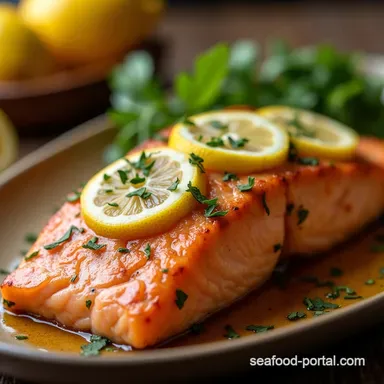
The Effortless Crowdpleaser Perfectly Flaky Ovenbaked Salmon with Lemon Herbs
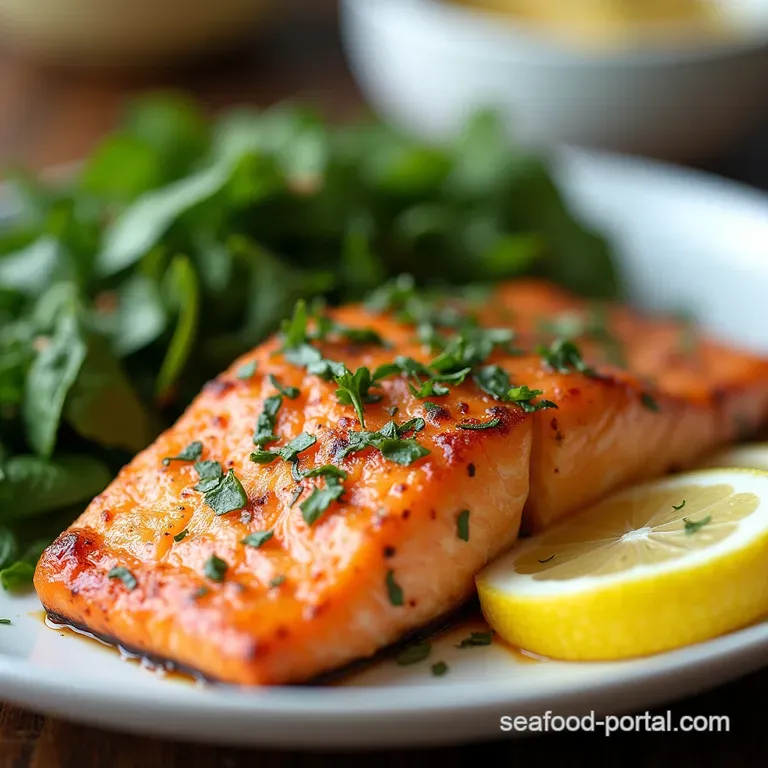
- Why This OvenBaked Salmon Recipe Deserves Top Billing
- Assembling Your Essential Salmon Bake Components
- Step-by-Step Mastery: Creating Your OvenBaked Salmon Masterpiece
- Navigating the Cooking Process with Precision
- Elevating Your Baked Salmon Experience: Pro Tips and Pairings
- Recipe FAQs
- 📝 Recipe Card
Why This OvenBaked Salmon Recipe Deserves Top Billing
There are countless ways to prepare seafood, but few methods rival the sheer elegance and simplicity of a well executed OvenBaked Salmon . This isn't just about cooking fish; it’s about delivering a meal that manages to be simultaneously nourishing, deeply satisfying, and ready in under half an hour.
Forget the notion that achieving perfectly cooked fish requires restaurant level skill; this foundational Oven Baked Salmon Recipe strips away the complication, leaving behind only pure, flaky flavour.
We are focusing on delivering that perfect centre while keeping the skin crisp a texture contrast that elevates any simple fillet into something truly special.
The Ultimate Weeknight Dinner Solution
The beauty of this preparation lies in its practicality. When life gets busy, having a fail safe option is essential, and this dish fits the bill perfectly. It requires only 10 minutes of active preparation time, meaning you can have four perfectly portioned Salmon Fillets In Oven and cooking before you’ve even decided what playlist to put on.
Because the cooking process is entirely hands off once the tray is loaded, it frees you up to focus on vibrant side dishes or simply enjoy a moment of calm before dinner. This straightforward method solidifies its status as The Best Baked Salmon option for busy individuals.
Flaky Texture Guaranteed: Beyond Dry Fish Myths
Perhaps the most common fear when baking salmon is ending up with a dry, chalky result. We are banishing those sad, overcooked memories! Our chosen technique, utilizing a moderate heat environment, ensures the proteins cook gently and evenly.
By targeting an internal temperature that allows for carry over cooking, we guarantee a Flaky Baked Salmon Recipe where the flesh separates easily with just a gentle nudge from a fork.
This gentle approach is far superior to high heat searing for beginners, ensuring moist results every single time.
A Simple Flavor Profile That Shines
Great seafood doesn't need a complex cloak of sauces or heavy marinades to shine. For this dish, we rely on the brightness of fresh citrus, the aromatic punch of dill, and the foundational elements of good salt and pepper.
The olive oil not only aids in flavour transfer but also helps create a slight barrier to prevent moisture loss. This minimalist approach means the inherent richness of the salmon takes centre stage, proving that Easy Oven Baked Salmon can indeed be synonymous with sophisticated flavour.
Assembling Your Essential Salmon Bake Components
To achieve excellence in this cooking method, careful component selection is key. We are aiming for four substantial portions, ideally centre cut fillets around one inch thick, as uniformity in thickness is crucial for even cooking times.
While the method is forgiving, starting with quality ingredients sets the stage for success.
Procuring the Best Fish for Baking Success
When selecting your fish, aim for centre cut portions if possible; these tend to be thicker and more consistent than the tail ends, which can dry out faster. Whether you choose skin-on or skin off is a matter of preference, but if you’re aiming for that crispy texture, leave the skin on it acts as an insulator protecting the delicate flesh underneath.
The total prep time for four 6-ounce portions should clock in around 10 minutes, including preparing your flavour base.
The Flavor Foundation: Herbs, Citrus, and Seasoning Ratios
Our flavour mixture hinges on balancing acidity and herbaceousness. We’ll use the juice and slices from one fresh lemon, paired with about two tablespoons of chopped fresh dill. For seasoning, a teaspoon of kosher salt and half a teaspoon of freshly ground black pepper provide the necessary punch.
Adding one teaspoon of garlic powder deepens the savoury notes without the risk of fresh garlic burning during the bake. A mere quarter teaspoon of paprika is optional, used purely to lend a lovely blush of colour to the finished product.
Necessary Kitchen Gear for Optimal Heat Distribution
Preparation of the cooking surface is vital for both flavour and cleanup. Line your standard baking sheet with parchment paper this is the easiest route to success and ensures nothing sticks.
Alternatively, you can utilize Oven Baked Salmon in Foil , which traps moisture beautifully if you prefer a very tender result over crispy skin. Beyond the tray, you simply need a small bowl to whisk your oil, lemon juice, and spices together before coating the fillets.
Ingredient Substitutions for Dietary Flexibility
While the core recipe leans on lemon and dill, flexibility is encouraged. If you find yourself out of dill, fresh thyme or parsley make wonderful stand ins. For those needing a lower sodium option, simply omit the added salt and rely heavily on high-quality black pepper and an extra squeeze of lemon juice; the fish flavour will still sing.
Should you be avoiding olive oil, melted unsalted butter provides a rich, golden finish.
Related Recipes Worth Trying
- The Viral Spicy Salmon Sushi Bake Recipe Creamy Easy — Get the recipe for the Viral Spicy Salmon Sushi Bake This easy comfort food sushi bake no roll method is perfect for a weeknight dinner hero
- Perfect Salmon Nigiri Authentic Recipe Tutorial — Demystify homemade Salmon Nigiri Learn the essential technique for perfect sushi rice and meltinyourmouth salmon today
- The 20Minute Wonder Air Fryer Salmon Tacos with Slaw — Get perfectly flaky crispy Air Fryer Salmon Tacos in under 30 minutes Topped with zesty lime slaw this Easy Salmon Tacos recipe is a weeknight winner
Step-by-step Mastery: Creating Your OvenBaked Salmon Masterpiece
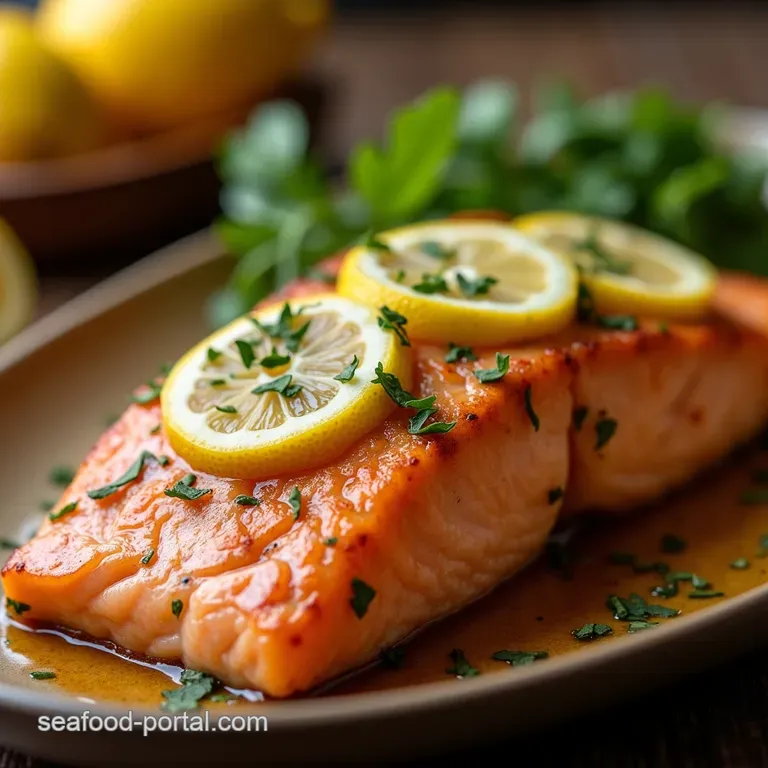
The process moves quickly once the oven is hot. Precision in preparation prevents any scrambling during the crucial baking window.
- First, set your oven to Oven Baked Salmon 400 °F (approximately 200° C). This moderate-to-high heat is ideal for quickly setting the exterior while gently cooking the interior. Line your baking sheet thoroughly with parchment paper.
- Next, focus intently on the salmon itself: Use paper towels to pat every surface of the fillets completely dry. Moisture is the enemy of texture, so get them as dry as possible. Arrange them neatly on your prepared tray.
- In your small bowl, combine the two tablespoons of olive oil with the juice from half your lemon, the chopped dill, garlic powder, salt, pepper, and paprika. Whisk until it forms a slightly emulsified, fragrant mixture.
- Evenly spoon this aromatic blend over the top surface of each fillet, gently encouraging it to coat the sides as well.
- Take the remaining half of your lemon, slice it thinly, and artfully arrange these bright rounds on top of or nestled beside the seasoned fish.
Navigating the Cooking Process with Precision
The timing required for Oven Baked Salmon Temp and Time is highly dependent on the thickness of your chosen portions, but the goal remains consistent: moist, tender perfection.
Prepping the Fillets: From Tray to Tepid Temperament
Once seasoned and garnished, the fillets are ready for their journey. Place the tray into the preheated oven, ensuring the fillets are positioned centrally for the most balanced heat exposure. Do not open the oven door unnecessarily, as this causes temperature fluctuations that can disrupt the cooking process.
Achieving Crispy Skin: The High Heat Finish Technique
If you opted for skin-on fillets and truly desire a shatteringly crisp base, employ a simple two-stage process. Bake the fish as directed for about two-thirds of the total time. Then, if your oven has a broiler function, carefully move the tray to the top rack and switch the broiler on low for 1 to 3 minutes.
Watch this stage like a hawk, as the natural oils can cause flare ups and the skin can burn quickly this short blast sets the skin beautifully without overcooking the flesh.
Determining Doneness Without Guesswork
For perfect results every time, an instant read thermometer is your best friend. Oven Baked Salmon Temp and Time converges beautifully when you aim for an internal temperature of 145° F ( 63° C) at the thickest point.
If you don't have a thermometer, the classic fork test works well: insert a fork into the centre and gently twist. If the fish separates easily into distinct flakes, it is done. Remember, it will continue to cook slightly after removal from the heat.
Elevating Your Baked Salmon Experience: Pro Tips and Pairings
Once the fish is out of the oven and has rested for a couple of minutes, consider how to enhance the presentation and overall meal experience.
Complementary Sides to Complete Your Meal
This Baked Salmon Sheet Pan Dinner concept pairs wonderfully with simple, robust sides. Classic accompaniments include roasted asparagus tossed with a little extra olive oil and sea salt, or creamy, slow cooked mashed potatoes that provide a comforting contrast to the flaky fish.
For something lighter, a vibrant side of couscous studded with dried cranberries and toasted slivered almonds adds welcome texture and sweetness.
Storage Secrets for Maintaining Peak Freshness
Any leftovers should be cooled quickly and stored in an airtight container in the refrigerator. Properly stored, cooked salmon remains excellent for up to three days. When reheating, the microwave is often too harsh; instead, gently warm portions in a low-temperature oven (around 275° F or 135° C) or even cold, flaked over a fresh green salad the next day.
Creative Twists: Spice Rubs and Glaze Alternatives
While our classic lemon herb profile is superb, don't hesitate to experiment. For an Asian inspired take, swap the olive oil/lemon mixture for a glaze made of soy sauce, honey, fresh grated ginger, and sesame oil.
Alternatively, for a smoky kick, use a dry rub incorporating smoked paprika, cumin, and a pinch of cayenne pepper before baking. These variations ensure that this staple preparation never becomes monotonous.
Recipe FAQs
How do I stop my Oven Baked Salmon from drying out? That’s always my main worry!
The secret to wonderfully moist salmon is twofold: patting it bone dry before seasoning, and ensuring you don't overcook it. Aim for an internal temperature of 145°F (63°C), but pull it out when it looks just done, as it will carry over cook for a few minutes once out of the oven.
A little healthy fat like olive oil also helps keep things succulent.
What temperature should the oven be for this Oven Baked Salmon, and how long should it take?
We recommend a fairly hot oven, preheated to 400°F (200°C / Gas Mark 6). For typical 1 inch thick fillets, this usually means a cooking time between 12 and 18 minutes. If your fillets are significantly thicker, start checking them around the 12-minute mark to avoid ending up with something drier than last week's scones!
Can I use frozen salmon fillets instead of fresh ones for this recipe?
Absolutely, but you must thaw them first never bake salmon from frozen unless the recipe specifically calls for it. Thaw them overnight in the fridge, and then make sure to pat them exceptionally dry before seasoning, as thawing releases a lot of moisture.
My salmon has skin on; how can I make sure the skin gets nice and crispy?
To get that proper crispiness that rivals the best chip shop, the skin side must be dry seriously, pat it down well! After the initial bake, place the tray under a hot grill (broiler) for the final two minutes.
Keep a close eye on it though; the skin can go from perfect to burnt quicker than you can say 'Jolly good show!'
I need to make this ahead of time; how should I store leftover baked salmon?
Leftovers should be stored in an airtight container in the fridge and are best eaten within 2 to 3 days. It’s brilliant cold on top of a salad the next day, or you can reheat it gently in the microwave for about 30-60 seconds just don't blast it, or it will definitely dry out!
Can I substitute the dill for other herbs if I don't have any on hand?
Yes, feel free to mix and match based on what you’ve got in the herb rack! Thyme or Rosemary are fantastic, robust alternatives that pair beautifully with lemon and roast fish. If you prefer something milder, even flat leaf parsley works a treat for a fresh lift.
Easy Flaky Oven Baked Salmon