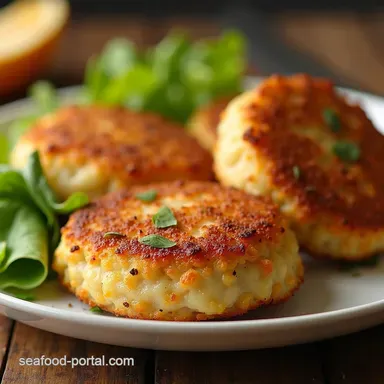
Nannys Secret Super Simple Crispycoated Homemade Fish Cakes
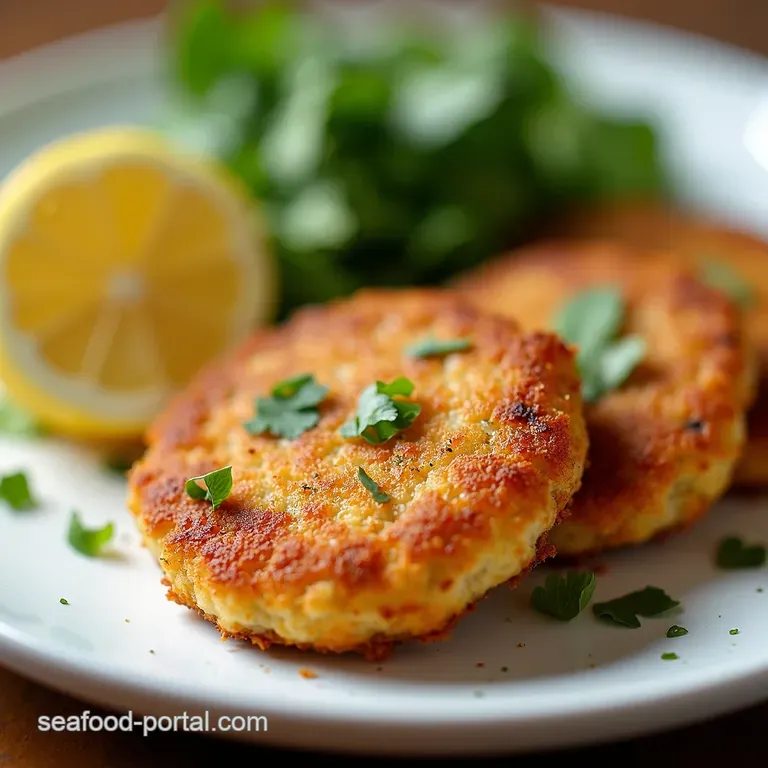
- Unlocking the Charm: Why These Are the Best Easy Homemade Fish Cakes You'll Ever Make
- The Seaside Secret: Achieving That Perfect Golden Crust
- Stocking Your Pantry: Components for Flavorful Fish Cakes
- Selecting Your Catch: Fish Choices and Alternatives
- Crafting Your Easy Homemade Fish Cakes: A Sequential Guide
- The Art of Shaping and Crusting for Consistency
- Elevating Your Fish Cake Experience: Serving and Storage Mastery
- Troubleshooting and Customizing Your Batch
- The Cornerstone: Ingredient Spotlight: Choosing Your Fish
- Getting the Texture Spot On: Mixing for Masterpiece Fish Cakes
- Frying Pan vs. Oven: Choosing Your Crispy Destiny
- Sauces and Sides: Making Your Fish Cakes Sing
- Frequently Asked Questions
- 📝 Recipe Card
Right then! Fish cakes are a brilliant bit of cooking a proper taste of seaside nostalgia, whether you're in Brighton or Broadstairs. They’re wonderfully versatile, filling, and don't require you to be a Michelin starred chef to nail them.
Here is the blueprint for a fantastic, user friendly recipe that will have even the most hesitant cook turning out golden, flavourful little beauties. When the frying pan starts to hiss and that aroma of lemon zest and hot oil hits the air, you know you’re onto a winner.
Unlocking the Charm: Why These Are the Best Easy Homemade Fish Cakes You'll Ever Make
Let’s be honest, sometimes you just need comfort food that doesn’t take all day. That’s where these beauties shine. They are fast, filling, and taste miles better than anything you’d grab in a sad plastic tray from the supermarket.
Why Ditch store-bought? The Freshness Factor
Look, pre-made ones are handy, I get it. But they are often full of filler and look a bit beige, don’t they? Making your own Easy Homemade Fish Cakes means you control the flavour.
We are using proper, flaky cooked fish think cod or haddock mixed with creamy mash and bright herbs. That fresh ingredient punch makes all the difference. You can really taste the sea! Plus, they freeze brilliantly for those days when you need a proper meal in minutes.
A Nostalgic Bite: Flavor Profile Explained
What are we aiming for here? It’s that perfect balance. You want the subtle sweetness of the white fish, a creamy interior from the buttery mash, and a lovely zing from the fresh parsley and lemon zest. That tiny bit of Dijon mustard we sneak in? It just wakes everything up.
If you've ever had a proper pan-fried Salmon Cakes Recipe or cod version from a good chippy, this is that feeling, but better. It’s familiar but elevated.
Perfect for Busy Weeknights: Quick Prep Time Revealed
You might think making fish cakes from scratch is a whole Sunday affair, but nope! Active prep time here is barely 20 minutes. Sure, you need to boil the potatoes, but while they’re bubbling away, you’re already flaking the fish and chopping your herbs.
The main thing is the chilling time you must chill them for 30 minutes. Trust me on this; I learned the hard way that warm fish cakes just crumble into the pan. Resist the urge to rush that chill!
The Seaside Secret: Achieving That Perfect Golden Crust
This is the part that separates the decent fish cake from the truly legendary one. We are aiming for that satisfying crunch when you bite into it. This is How To Make Crispy Fish Cakes .
The key here is the triple decker breading station: flour, egg white, and Panko. The flour gives the egg something to stick to. The egg white acts as super glue. And the Panko breadcrumbs?
They are big, sharp Japanese crumbs that puff up when they hit the hot oil, giving you those incredible Crispy Fish Cakes everyone raves about. If you’re making Cod Fish Cakes , the white colour of the fish really shows off that gorgeous golden shell.
Just make sure your oil is hot enough about a medium high simmer before they go in, otherwise, they get soggy, and nobody wants a soggy bottom on their dinner!
Related Recipes Worth Trying
- Easy Smoky Southern Fried Cabbage with Crispy Bacon — Stop making soggy cabbage This Southern Fried Cabbage Recipe uses bacon fat and a splash of vinegar for the perfect tendercrisp side dish So easy
- Classic Gefilte Fish Grandmas Perfect Sweet Savoury Recipe — Ditch the jar This Homemade Gefilte Fish Recipe delivers traditional taste with tender texture Learn the secrets for the Best Gefilte Fish centerpiece here
- Homemade Gefilte Fish Magic Tender Authentic Recipe — Forget rubbery jars This Homemade Gefilte Fish Magic recipe delivers tender flavourful fish quenelles poached to perfection Discover the secrets to the best...
Right then! Fish cakes are a brilliant bit of cooking a proper taste of seaside nostalgia, whether you're in Brighton or Broadstairs. They’re wonderfully versatile, filling, and don't require you to be a Michelin starred chef to nail them. We’re going for a beautifully crisp, golden exterior today.
Forget those sad, pale imitations from the supermarket freezer! These Easy Homemade Fish Cakes are moist, flavourful, and packed with fresh ingredients. They’re perfect for a cosy mid-week supper.
Stocking Your Pantry: Components for Flavorful Fish Cakes
This section is all about getting the basics right. Getting the balance between the potato, the fish, and the binder is key to achieving that perfect texture. You want them firm enough to hold shape but light enough to melt in your mouth.
The Core Components: Fish, Potato, and Binding Agents
For the ultimate flavour, you want starchy potatoes. Think Maris Piper or King Edwards, about 300g (roughly 3 medium ones). Boil them until they are properly soft. Once mashed with 30g of butter and 45ml of milk, they form the backbone.
The fish itself 450g (1lb) is a good metric should be cooked white fish like Cod or Haddock. If you want to try a pan-fried Salmon Cakes Recipe , that works just as well! The egg yolk is crucial; it helps bind everything together so your cakes don't crumble when they hit the heat.
Aromatic Enhancers: Herbs and Citrus Zest Checklist
Flavour town is reached with herbs, believe me. You need about 1/4 cup (25g) of finely chopped fresh parsley and 2 tablespoons of chives. These give that fresh, green lift. Also, don’t forget the zest of half a lemon. That little bit of citrus cuts right through the richness.
If you don’t have fresh herbs, dried parsley is a poor substitute here; try to grab some fresh ones! Mustard (1 teaspoon of Dijon) adds a lovely background warmth to these Easy Fish Cakes .
Selecting Your Catch: Fish Choices and Alternatives
Choosing your main ingredient dictates the final character of your Homemade Fish Cakes Recipe . While classic Cod Fish Cakes are lovely and mild, you have room to play.
The Ultimate Coating: Breadcrumb Choices for Maximum Crunch
This is how you nail How To Make Crispy Fish Cakes . You need three bowls for the classic three stage dredge. Flour first, then the egg white wash (just the white, whisked lightly the yolk is already in the mix!), and finally, the coating.
I swear by Panko breadcrumbs about 1 cup (75g). They are lighter and create an amazing crunch that standard breadcrumbs just can’t match. If you want truly Crispy Fish Cakes , do not skimp on the quality of the breadcrumb or the heat of the oil!
Essential Equipment for Seamless Preparation
You don't need anything too fancy to learn How to make homemade fish cakes . You'll need a large saucepan for the potatoes, of course, and a good potato masher (or a ricer if you’re feeling posh). A large mixing bowl is essential for bringing it all together gently.
Most importantly, you need a large, heavy bottomed frying pan. When frying, make sure you have enough vegetable oil about 1 inch deep so the cakes can properly shallow fry, not just sit in a thin film of oil.
Remember, chill the mixture for 30 minutes before shaping; this small step is the secret handshake for successful shaping!
Right then! Fish cakes are a brilliant bit of cooking a proper taste of seaside nostalgia, whether you're in Brighton or Broadstairs. They’re wonderfully versatile, filling, and don't require you to be a Michelin starred chef to nail them. Forget those sad, pale imitations from the supermarket freezer!
These Easy Homemade Fish Cakes are moist, flavourful, and packed with fresh ingredients bound together with just enough potato to hold their shape. We’re aiming for a beautifully crisp, golden exterior.
They’re brilliant served with a dollop of tartare sauce and a pile of chips, perfect for a cosy mid-week supper. This Homemade Fish Cakes Recipe is dead simple, honestly.
Crafting Your Easy Homemade Fish Cakes: A Sequential Guide
Getting the base mix right is half the battle. If your mash is too wet, you’ll be fighting a losing battle when it comes to shaping later. Think of this stage as setting the foundation for your Crispy Fish Cakes .
Preparing the Flake: Gentle Mashing Technique
First up, the potatoes. Boil your chopped, starchy potatoes until they are fork tender. Now, listen closely: drain them completely . I mean, drain them like you’re trying to save a sinking ship! Tip them back into the hot saucepan for one minute over low heat.
That gets rid of the steam and residual water. Mash them until they are smooth as silk, then stir in the butter and milk. Don't overwork them, or they get gluey.
While that cools a touch, tackle your cooked fish (cod or haddock is brilliant here). You want flakes, not baby food. Place the cooked fish in a separate bowl and gently break it apart with a fork. I learned the hard way years ago if you mash the fish with the potato, you lose all that lovely texture.
Keep them separate for now.
Incorporating Binders Without Losing Structure
Once your potato mash has cooled down it should still be warm, not hot it’s time to bring everything together. Tip the flaked fish into the potato bowl. Now add your flavour heroes: the chopped parsley, chives, that zingy lemon zest, and the Dijon mustard.
Don't forget that single egg yolk; that’s your main binder, keeping things nicely cohesive.
Now, mix it gently. I mean gently . Just enough so you can’t see streaks of white potato anymore. Over mixing at this stage activates the starch too much, and you end up with dense, rubbery fish cakes instead of light, airy ones. Season it generously now you can’t fix blandness later!
Here’s a top tip for making Easy Fish Cakes : Cover the whole lot and stick it in the fridge for 30 minutes . Seriously, don't skip the chill time. It firms the mixture right up, which makes shaping a doddle.
If you try shaping warm mixture, it’ll stick everywhere, and you’ll end up with lopsided lumps.
The Art of Shaping and Crusting for Consistency
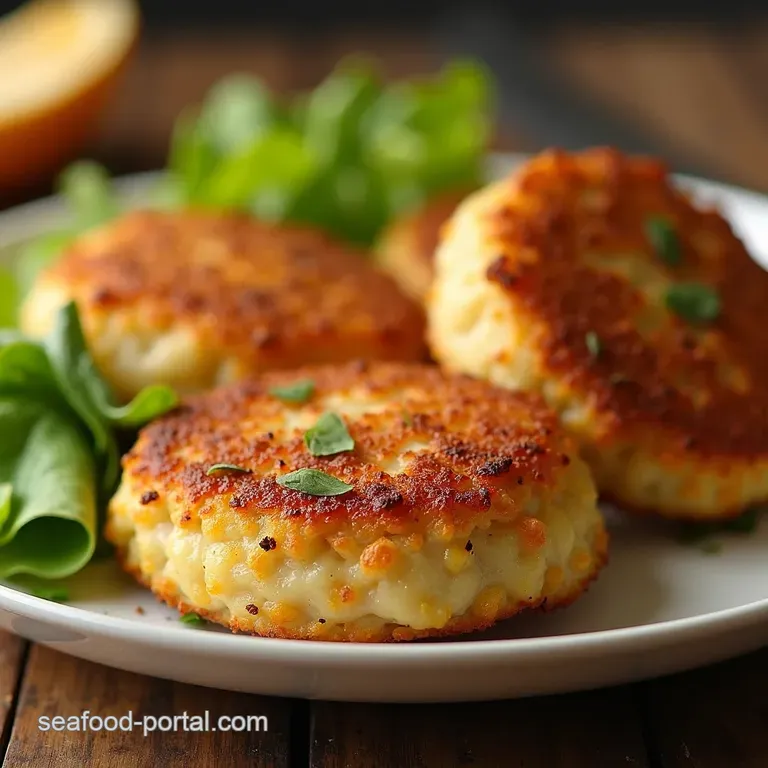
Once chilled, the mixture should feel firm enough to handle, almost like cold playdough. Divide the mix into 8 equal balls and gently shape them into patties, about an inch thick. These need to be uniform so they cook evenly.
If you want the ultimate pan-fried Salmon Cakes Recipe , make sure they are sturdy now.
The Three Stage Crumb Coating Method
This is where we get serious about crunch. Set up your breading station like a little production line. Bowl one: plain flour. Bowl two: the reserved egg whites, lightly whisked. Bowl three: Panko breadcrumbs. Panko is the secret weapon for How To Make Crispy Fish Cakes that sing!
Take one patty and lightly dust it in the flour shake off the excess like you’re dusting off an unwelcome relative. Next, dunk it into the egg white wash, making sure the whole surface is coated. Finally, press it firmly into the Panko crumbs. You want a complete, even coating. Repeat for all 8.
Frying Secrets: Achieving Golden Perfection Without Oiliness
Time to cook. Get your frying pan on medium high heat and pour in enough oil to come about an inch up the side of your cakes. You need the oil to be hot enough test it by dropping a stray crumb in; if it sizzles right away, you're good to go.
The oil temperature should be hot enough to crisp immediately but not so hot it burns the outside before the middle heats up.
Carefully place the fish cakes in the hot oil, but don’t pack the pan; give them space. Fry them for about 3 to 4 minutes per side . You’re looking for that deep, satisfying golden brown colour.
Once they look perfect, lift them out with a slotted spoon and place them on a wire rack or paper towel to drain off any excess oil. If you’re making a big batch, you can keep the finished Cod Fish Cakes warm in a low oven (around 100° C/ 200° F) while you finish the rest.
These are best served piping hot, maybe with a squeeze of fresh lemon. That’s how to make homemade fish cakes that taste like you slaved all day!
Elevating Your Fish Cake Experience: Serving and Storage Mastery
So, you’ve mastered the mix, you’ve got them perfectly golden, and the aroma is making your neighbours nosey brilliant work! Now, how do we serve these beauties and, crucially, how do we save the leftovers for a rainy Tuesday lunch?
Making Easy Homemade Fish Cakes is one thing; serving them like a pro is another.
Brilliant Accompaniments: Sauces That Sing
Don't just slap a blob of whatever’s in the fridge next to your perfect Crispy Fish Cakes . These deserve a partner in crime. Tartare sauce is the obvious choice, the dependable old friend of any good fish dish.
If you are making your own, remember the secret ingredient: finely chopped capers and a good squeeze of fresh lemon juice. That acidity is what cuts through the oiliness of the frying process.
For something a bit different, try a lemon and dill yogurt dip. It’s dead simple. Whisk Greek yogurt with heaps of fresh dill, a good grating of lemon zest (we used some in the mix, remember?), and a splash of olive oil.
It’s fresh, it's zesty, and it really complements that pan-fried Salmon Cakes Recipe variation if you went down that route. Honestly, a great sauce elevates the whole experience from 'nice dinner' to 'proper grub.'
Freezing Instructions: Best Practices for Future Meals
This is where batch cooking pays off. Once you’ve perfected How To Make Crispy Fish Cakes , you should always make double. Once the cakes are cooked and cooled completely —this is important you can freeze them.
Lay the cooled cakes in a single layer on a baking sheet lined with parchment paper. Pop the whole tray into the freezer until they are rock solid, usually about two hours. This stops them sticking together in one giant fishy brick.
Once solid, transfer them into a large freezer bag or airtight container, placing a small piece of parchment between each layer just to be safe. They’ll keep happily for up to three months.
Flavor Twists: Incorporating Smoked Fish or Spice
We briefly touched on variations, but let’s talk specifically about adding depth. If you’ve got some lovely smoked haddock or even a bit of smoked trout lying around, swap out about a third of the white fish in your Homemade Fish Cakes Recipe for the smoked variety.
The smokiness is incredible; it adds a real depth that screams quality. You might find you need slightly less salt, so taste before you season heavily.
If you’re looking for heat, I learned the hard way that stirring chili powder straight into the mix can sometimes lead to uneven spice distribution. A better bet for bold flavour is adding finely diced jalapeños (seeds removed for less heat) or using smoked paprika alongside regular seasoning.
This gives a lovely, gentle warmth throughout the Easy Fish Cakes .
Troubleshooting and Customizing Your Batch
Even the best recipes sometimes throw a wobbly. Don't panic if your cakes look a bit sad pre-fry, or if they fall apart once they hit the heat. That’s just cooking!
Why are my cakes breaking up during frying? Nine times out of ten, this comes down to one of two things: either your mixture was too warm, or you didn't use enough binder (the egg yolk and potato). If the mixture is too soft, it can't hold its structure under the heat of the oil.
Next time, make sure you chill the mixture for the full 30 minutes, and don't skimp on the breading that coating is structural support! If you are using a leaner fish like plaice, adding an extra teaspoon of Dijon mustard can help with binding.
How do I reheat leftovers properly? Never, ever use the microwave if you value crispiness! Microwaves turn lovely fried coatings soggy faster than you can say "Fish Cakes Recipe Lemon." The best way to reheat cooked Cod Fish Cakes is in a moderate oven or an air fryer.
Set your oven to 180C (Gas Mark 4) and bake them on a tray for about 10– 12 minutes until heated through. For that just fried crunch, a quick three minutes in the air fryer works wonders.
Nutritional Nudges: Making Them Lighter If you’re watching fat intake, you don't have to ditch the recipe. Instead of shallow frying, try baking them, but you need to cheat the crispness.
Brush the coated cakes generously with a light oil spray (like olive or avocado) before putting them in the oven. They won't be quite as rich as the pan-fried version, but they still achieve a lovely golden shell.
For those aiming for heart health, using sweet potato instead of white potato is a fantastic, slightly sweeter swap, though it will alter the final texture slightly. Remember, these are still incredibly satisfying meals, even with slight modifications.
They are miles healthier than anything frozen, that much is certain!
The Cornerstone: Ingredient Spotlight: Choosing Your Fish
Right then! Before we even think about mashing potatoes or chopping herbs, we have to talk turkey or rather, fish. Choosing the right fish is, quite frankly, half the battle won when you’re aiming for stellar Easy Homemade Fish Cakes .
If you get this wrong, you’re stuck with something drab and frankly, a bit sad. We’re not having that, are we?
We’re aiming for texture and flavour here. You want a fish that flakes beautifully but doesn't turn to paste when you mix it. This is essential for nailing that lovely, rustic texture in your Homemade Fish Cakes Recipe .
What Works Best for Flavour and Flake?
When I first started fiddling about trying to perfect my Easy Fish Cakes , I used whatever was cheapest. Big mistake. It tasted like... well, nothing much, really. The lesson learned? Spend a little more time deciding on the fish.
For the absolute best result, you want firm white fish. My personal go-to, and the one I recommend for classic results, is Cod . It’s mild, it flakes up in satisfying chunks, and it loves soaking up the lemon and chives we’re adding later.
Haddock is another superb choice, often slightly sweeter. If you’re looking for something richer, and perhaps you’re trying out a pan-fried Salmon Cakes Recipe variation, that works great too, though the final flavour will be much stronger.
The secret, often whispered down through generations of cooks, is that the fish must be cooked first. You cannot use raw fish here, or you'll end up with a safety hazard rather than a supper. Poaching or steaming is ideal because it keeps the fish moist.
Fresh vs. Frozen: The Great Debate
Now, the big question: Should you buy fresh or frozen? Look, if you’re making a Fish Cakes Recipe Lemon style dish for a Sunday lunch, grab the freshest fillets you can find from your local fishmonger. Ask them what’s good that morning. That’s always the gold standard.
However, let’s be realistic. Most of us are whipping up Easy Homemade Fish Cakes on a Tuesday night. Frozen fish works perfectly well, provided you thaw it properly.
Never, ever try to cook frozen fillets straight from the bag they release way too much water during cooking, which turns your final mash watery and ruins the structure.
My top tip for using frozen? Thaw it slowly in the fridge overnight. Then, before cooking (steaming or poaching), gently pat every single piece bone dry with kitchen paper. Getting rid of that surface moisture means you’ll get those gorgeous Crispy Fish Cakes we’re after, not soggy discs.
Dealing with Texture: Don’t Overwork It!
This is where many people stumble when learning How to make homemade fish cakes . Once your fish is cooked and flaked, and your potatoes are mashed, you’ve got to treat them gently. Think of it like whispering sweet nothings to a sleeping baby very delicate handling required.
When you mix the fish, potato, herbs, egg yolk, and seasoning, stop mixing the moment everything is just incorporated. If you mash it all down until it’s uniform and smooth, you lose that beautiful variance in texture. You want soft potato hugging slightly firmer flakes of fish.
That difference in texture is what makes the bite exciting, especially when followed by that crunch from the Panko coating. A good, firm mixture that holds its shape easily is the sign you’ve done it right before chilling.
Trust me, an under mixed, slightly crumbly texture that chills well is miles better than a smooth, sloppy mess. These steps are why we get truly exceptional Easy Homemade Fish Cakes .
Getting the Texture Spot On: Mixing for Masterpiece Fish Cakes
Right then! You’ve got your lovely cooked fish, your smooth mash ready, and all those fragrant herbs waiting in the wings. Now comes the real magic the mixing. This is where so many people accidentally turn what should be a light, fluffy interior into a dense, heavy brick. We don't want bricks, do we?
We want Easy Homemade Fish Cakes that just melt in the mouth.
Don't Go Full Aggressive Mixer
I learned this the hard way early on. If you start mashing everything together like you’re trying to glue the mixture back together with sheer force, you’re asking for trouble. When you overwork the potato starch, it gets gummy. It’s just chemistry, innit?
When you combine that over worked potato with the fish and egg, you end up with something tough, not tender. The goal here is "just combined." Think gentle folding, not vigorous beating. You want to see flecks of white fish and streaks of green parsley.
That slightly uneven texture is what gives you those lovely little bursts of flavour and moisture in the finished cake. It’s the key to a genuinely great Homemade Fish Cakes Recipe .
Potato Prep: Drier is Drier!
Before we even talk about mixing, let's talk about the potatoes. If your mash is swimming, your cakes will be sloppy, and you'll be tempted to add tons of flour to compensate. Resist that urge! Flour weighs things down.
After you drain your boiled potatoes, put them back in the hot, empty saucepan over low heat for just a minute or two. Give them a little shake around. That step evaporates the excess water, making them beautifully fluffy and absorbent rather than soggy.
When you mash them, mash them well we want creamy potatoes but make sure they aren't wet before you introduce the fish. A dry base equals a stable cake, especially if you’re aiming for Crispy Fish Cakes .
The Chill Factor: Patience Pays Off
Once everything is gently folded together the fish, the herbs, the zest, that lovely rich egg yolk the mixture will feel soft. Almost too soft. This is where you take a deep breath and walk away.
Cover that bowl and stick it in the fridge for at least 30 minutes, preferably an hour. Trust me on this one. Chilling is not optional for achieving perfect shapes. It lets the mixture firm up, making it easy to handle and shape into those gorgeous little rounds.
If you try to shape them warm, they'll stick to your hands, sag on the breading station, and generally make a fuss. A cold mixture is a cooperative mixture, which makes How to make homemade fish cakes a breeze.
When they are firm, you can handle them confidently, press them into the Panko, and get ready for frying. This step is what separates a competent cook from one who is serving slightly slumped fish patties.
We are aiming for perfectly formed cakes that will turn into beautiful pan-fried Salmon Cakes Recipe stars!
Frying Pan vs. Oven: Choosing Your Crispy Destiny
Right then! Now we get to the crucial bit. We’ve got this gorgeous, perfectly seasoned mixture ready for shaping, but how do we cook it? For our Easy Homemade Fish Cakes , you have two main paths: the classic sizzle of the frying pan, or the more hands off approach of the oven.
Choosing the right method is what separates a good fish cake from a truly brilliant one.
The Joy of Pan-Frying: Maximum Crisp Factor
When I’m making my Homemade Fish Cakes Recipe , I almost always lean towards the pan. Why? Because nothing beats that satisfying crunch when you bite through the crust.
This is how most traditional chippies get their glorious colour, and it’s the best way to achieve those gorgeous, golden brown edges.
Pan-frying means shallow frying in about an inch of oil. It cooks fast. You’re looking for the heat to be just right hot enough to seal the outside quickly, but not so hot that the outside burns before the middle warms through.
I always test my oil by dropping a single breadcrumb in; if it starts sizzling instantly but doesn't immediately turn dark brown, you're good to go. This method is perfect if you want that classic, slightly richer texture, especially when using smoked fish.
It’s the secret to those legendary Crispy Fish Cakes . My biggest lesson learned here? Don't crowd the pan! Give those cakes space, or the oil temperature will drop, and you’ll end up with soggy bottoms. We want texture, not oil sponges!
Baking: The Lighter, Easier Way to Make Fish Cakes
Now, don't get me wrong, baking has its place. If you’re batch cooking, watching your fat intake, or just can't be bothered with the splatter of shallow frying, the oven is your pal. Baking requires slightly different prep, mind you.
For baking, I recommend lightly spraying the shaped cakes after they've been breaded, naturally with a little cooking spray or a drizzle of olive oil. Pop them onto a wire rack placed over a baking sheet. This lets the air circulate underneath, preventing a damp bottom.
Bake them at around 200° C ( 400° F) . They will take longer, probably 18 to 20 minutes , flipping halfway.
While baking gives you a lovely, firm result, it usually doesn't achieve the deep, intense crispness you get from the pan. It’s still tasty, perfect if you are making a large batch for lunchboxes or freezing for later.
If you’re aiming specifically for a pan-fried Salmon Cakes Recipe style, though, stick to the oil!
Making the Final Call for Your Fish Cakes Recipe Lemon
Ultimately, the choice comes down to your goal. For the ultimate, flavour packed experience that screams "fresh from the coast," stick with the pan. If you’re after simplicity and a slightly healthier profile while learning how to make homemade fish cakes , the oven is a solid backup.
Either way, ensuring those fish cakes are beautifully coated in Panko is half the battle won. When they come out golden whether sizzling or baking you’ll know you’ve cracked the code for fantastic Easy Fish Cakes . Remember, texture is everything!
Sauces and Sides: Making Your Fish Cakes Sing
Right then! Now that you’ve mastered Easy Homemade Fish Cakes —those lovely, golden beauties we need to talk about what actually goes with them. Making the cakes is half the battle; the other half is making sure you serve them up proper.
Think about it: a perfect, fluffy centre and that satisfying, crispy shell deserve the right dressing. Don't let all your hard work go to waste by just slapping them on a plate!
The Essential Dips for Homemade Fish Cakes Recipe
I’ve tried making these Homemade Fish Cakes Recipe successes with every sauce imaginable, but some pairings just work better than others. The key here is contrast. Your fish cake is rich, savoury, and comforting. You need something sharp, acidic, or cooling to cut through that richness.
First up, you absolutely must have a good tartare sauce. It’s the law, isn’t it? You can buy tubs of it, sure, but making your own is laughably simple and tastes a million times better. Seriously, it takes two minutes.
Just mix good quality mayonnaise with capers, finely chopped gherkins, a squeeze of lemon juice, and a bit of fresh dill or parsley. That little bit of acidity is what lifts the whole dish. This is essential if you are aiming for truly Crispy Fish Cakes .
If you made these with salmon, perhaps leaning toward a pan-fried Salmon Cakes Recipe vibe, you could try a spicy mayonnaise. Just mix mayo with a dash of your favourite hot sauce I often use something smoky. It adds a lovely little kick without overpowering the delicate fish flavour.
Making it a Proper Meal: Sides That Go the Distance
Serving these Easy Fish Cakes as just a snack is criminal, in my book. They are crying out to be the centrepiece of a proper meal.
If you’re feeling nostalgic, you know what to do: get the oven on for chips. Proper, thick cut chips, double cooked if you’re feeling ambitious! That combination salty, vinegary chips alongside a hot fish cake is pure British seaside joy, whether you're near the coast or stuck in the drizzle back home.
But if you want something a bit faster, something that says, "I need dinner on the table quickly," I turn to salad. Don't scoff! A simple salad works wonders. Use rocket (arugula), add some crunchy cucumber, and dress it with a punchy lemon vinaigrette.
The sharpness of the Fish Cakes Recipe Lemon zest you put inside the cake is echoed beautifully in the dressing. It’s light, it’s fresh, and it proves you don’t need hours in the kitchen to eat well.
Learning how to make homemade fish cakes means you can whip this up any Tuesday night.
A Quick Tip on Reheating and Serving Temperature
When serving up these beauties, always make sure they are piping hot. If you’re reheating leftovers, don't be tempted by the microwave it ruins the lovely crisp coating we worked so hard to achieve. The best way to revive them?
A quick blast in a hot oven or an air fryer at about 180° C ( 350° F) for about 6– 8 minutes. They’ll crisp right back up.
Whether you used cod or had a mix of fish for your Easy Homemade Fish Cakes , reheating properly ensures the texture remains brilliant. Enjoy!
If you're craving more ideas, explore Easy Smoked Salmon Tartlets with Dill Crème Fraîche , FiveStar Fried Rice Easy Takeout FakeOut Recipe and Easy OnePan Coconut Curry Weeknight Dinner Rescue .
Frequently Asked Questions
Can I make these Easy Homemade Fish Cakes ahead of time, and how should I store them?
Absolutely! You can prepare the fish cake mixture, shape them, and coat them completely a day ahead just keep them tightly covered in the fridge. For the best results, only fry them right before serving, as that glorious crispness fades quickly once cooled.
They’ll keep well in the fridge for up to 24 hours before cooking.
My fish cakes keep falling apart in the pan what am I doing wrong?
That’s a common frustration, usually down to two things: either your potatoes were too watery, or you skipped the chilling stage. Ensure your mash is bone dry and always chill the mixture for the recommended 30 minutes; this firms everything up perfectly.
Also, make sure the oil is hot enough before they go in, or they risk losing structural integrity.
Can I bake or air-fry these instead of shallow frying them for a healthier option?
Yes, you certainly can, you health conscious modern cook! To bake, place them on a lightly oiled baking sheet and bake at 200°C (400°F) for about 20 minutes, flipping halfway, until golden. For an air fryer, spritz them with a little oil spray and cook at 180°C (350°F) for 12 15 minutes.
They won't be quite as richly golden as the fried version, but they'll still be smashing!
What kind of fish is best for the most flavourful Easy Homemade Fish Cakes?
For that traditional flavour, stick to firm white fish like Cod or Haddock, which have a delicate flavour that lets the herbs shine through. If you fancy something richer, mixing in some flaked, cooked salmon is brilliant it adds colour and omega-3s, turning them into a proper treat!
My mixture seems too bland; how can I jazz up the flavour profile?
Don't be shy with seasoning; fish needs a good kick! Try adding a dash of Worcestershire sauce or a splash of fresh lemon juice right into the mix for brightness. Alternatively, swapping the parsley for fresh dill, or stirring in finely grated mature cheddar cheese, can give them a lovely depth of flavour.
Can I freeze uncooked fish cakes?
Yes, freezing them raw works a treat, just make sure they are perfectly shaped and coated first. Lay them flat on a baking tray lined with parchment paper and freeze until solid, then transfer them to a freezer bag this stops them sticking together like an awkward family holiday photo!
Cook them straight from frozen, adding a few extra minutes to the cooking time.
Nannys Secret Super Simple Crispycoated Homemade