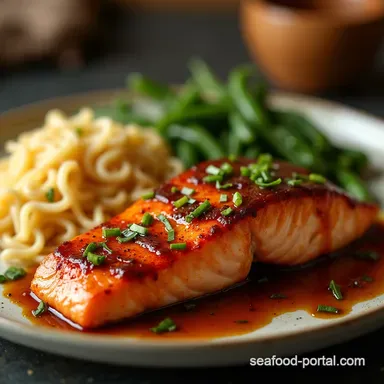
Sticky Speedy Baked Teriyaki Salmon Your New Weeknight Hero
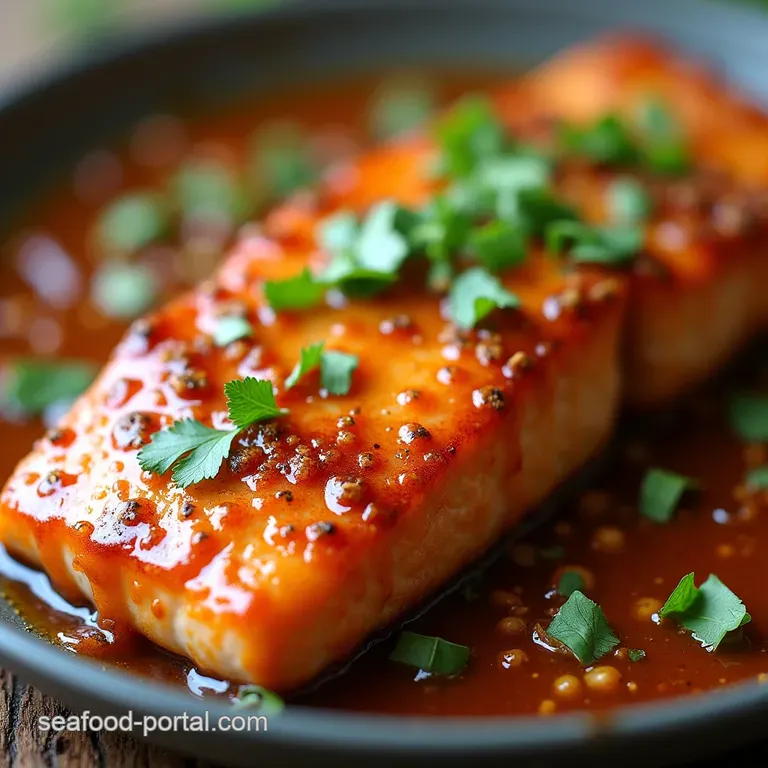
- The Allure of Ultra-Glossy Baked Teriyaki Salmon
- Why This Recipe Outshines Takeaway Options
- Assembling Your Teriyaki Powerhouse Components
- Mastering the Homemade Teriyaki Sauce Base
- The Step-by-Step Guide to Flawless Baked Teriyaki Salmon
- Elevating Your Meal: Brilliant Serving Suggestions
- Maximizing Freshness and Storing Leftover Baked Teriyaki Salmon
- Recipe FAQs
- 📝 Recipe Card
The Allure of Ultra Glossy Baked Teriyaki Salmon
There’s something inherently comforting and exciting about a perfectly glazed piece of fish. When that glaze is a rich, sticky, umami packed teriyaki, you’ve struck gold.
This Baked Teriyaki Salmon Recipe Easy guide transforms four humble salmon fillets into a show stopping meal, blending the best of Japanese inspired flavours with the simplicity of oven baking.
This isn't just another weeknight meal; it's your new go-to centerpiece for those evenings when you crave something deeply satisfying without spending hours in the kitchen. We are aiming for moist, flaky internal flesh juxtaposed with a sweet, caramelized exterior that truly sings.
Why This Recipe Outshines Takeaway Options
Many commercial teriyaki sauces are laden with high fructose corn syrup and artificial flavourings. By taking control of the glaze right here at home, we achieve a superior depth of flavour.
This approach to Asian Baked Salmon ensures the balance between sweet, salty, and sour is meticulously calibrated to your taste. On top of that,, the controlled, dry heat of the oven provides a far more gentle cooking environment than pan-frying, ensuring the delicate Omega-3 rich salmon doesn't dry out before the glaze sets.
This is an exceptional example of the best Baked Salmon Dishes you can master.
Unlocking Weeknight Dinner Glory in Under 30 Minutes
If you think a recipe with this much flavour demands excessive time, think again. The entire process, from whisking the sauce to pulling the finished Baked Teriyaki Salmon Fillet from the oven, clocks in right around 25 minutes.
This rapid turnaround is the secret weapon for busy schedules, meaning you can swap out the usual rotation for this intensely flavourful option without sacrificing your evening downtime.
Prep time is minimal just 10 minutes of active work to assemble your sauce components before it heads into the oven.
The Perfect Balance: Sweet, Savoury, and Umami Depth
The success of any true teriyaki lies in its complexity. We build ours using low-sodium soy sauce for the requisite saltiness and deep colour, balanced precisely against brown sugar (or maple syrup for an alternative sweetener) to promote that essential caramelisation.
Mirin, the sweet Japanese rice wine, lends a unique floral sweetness, while fresh garlic and grated ginger provide aromatic sharpness. The final drizzle of sesame oil, added off the heat, rounds out the profile with a nutty warmth that completes the authentic experience.
Setting the Stage: Essential Equipment for Success
You don't need specialty gear to make stellar Baked Teriyaki Salmon . The critical items are simple: a small saucepan for briefly simmering the glaze, a whisk for emulsification, and a reliable baking sheet. However, one item is strongly recommended for a spotless cleanup: parchment paper.
Lining your sheet prevents the sugary glaze from sticking and burning onto the metal, saving you a significant scrubbing chore later.
Assembling Your Teriyaki Powerhouse Components
Every great dish starts with quality components. For this recipe, yielding four generous servings, we focus on balancing the raw ingredients before they meet the oven’s heat. We start with four approximately 6-ounce portions of salmon.
Whether you choose skin-on or skin off is purely preference skin-on offers a slightly richer flavour and easier handling, but skin off allows the glaze to penetrate the top surface more effectively.
Related Recipes Worth Trying
- Easy Baked Teriyaki Salmon Glossy Tender Dinner in 25 Mins — Forget takeout This Baked Teriyaki Salmon recipe creates a deeply flavourful glossy glaze thats foolproof for a speedy weeknight dinner Get the secrets here
- The Ultimate Crispy Baked Tofu Recipe OvenBaked Crunch — Ditch the frying Learn how to bake tofu crispy at home with just cornstarch magic This easy baked tofu stays crunchy for your favourite bowls
- Properly Crisp Oven Baked Tofu The Secret to Crunch — Banish soggy tofu forever This easy Crispy Oven Baked Tofu recipe uses simple pressing and cornstarch for unbelievable crunch Perfect for weeknight bowls
Mastering the Homemade Teriyaki Sauce Base
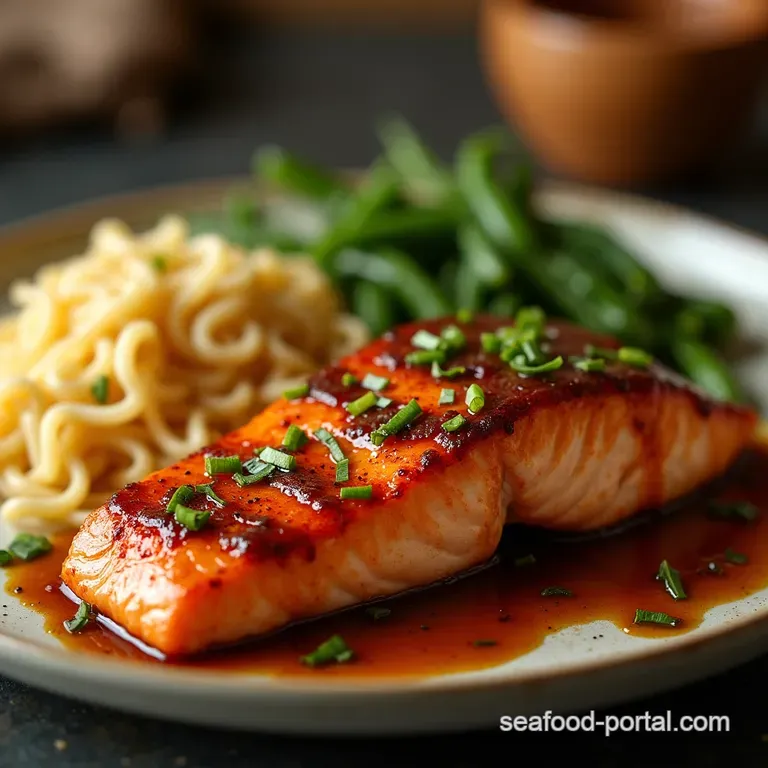
Forget the jarred stuff; crafting the glaze takes mere minutes and elevates the entire dish. To achieve that signature thickness and shine, we combine ½ cup of low-sodium soy sauce, ⅓ cup of mirin, ¼ cup of packed brown sugar, 2 tablespoons of rice vinegar, 1 tablespoon of freshly grated ginger, and 2 minced cloves of garlic in a small saucepan.
The Salmon Cut: Selection Criteria for Optimal Flakiness
When purchasing your fish, look for fillets that are vibrant in colour, firm to the touch, and show no signs of dullness. Thickness matters: aim for fillets that are roughly uniform in thickness, which ensures they all finish cooking simultaneously.
If your portions vary wildly in size, consider cutting the larger pieces slightly to match the smaller ones to guarantee that perfect, tender flakiness across the board.
Essential Pantry Staples for Authentic Flavour Profiles
The key to authenticity here lies in the Japanese trio: soy sauce, mirin, and rice vinegar. Mirin, specifically, is crucial as it's less acidic and sweeter than standard cooking wines, providing that foundational gloss.
While dried ginger and garlic powder can work in a pinch, using fresh grated ginger and minced garlic infuses a sharper, brighter aroma that cuts beautifully through the richness of the baked salmon.
Gluten-free Swaps and Low-Sodium Considerations
This recipe is easily adaptable. For our gluten-free friends, simply substitute the regular soy sauce with an equal measure of Tamari, which is traditionally brewed without wheat. If you are managing sodium intake, using a dedicated low-sodium soy sauce is a good start, and you can reduce the added salt/pepper seasoning on the fish itself.
You can also adjust the sweetness level using maple syrup instead of brown sugar for a refined sugar-free alternative.
The step-by-step Guide to Flawless Baked Teriyaki Salmon
Once your ingredients are gathered, the cooking process is linear and satisfyingly quick. First, preheat your oven to a steady 400° F ( 200° C) and line a baking sheet with parchment paper to prevent sticking a mandatory step for easy serving and cleanup.
Prepping the Fillets and Setting Up the Baking Dish
Before glazing, the salmon fillets must be thoroughly patted dry with paper towels. This step is non-negotiable; residual moisture prevents the glaze from adhering properly and leads to steaming rather than baking.
Once dry, brush the four fillets lightly with a neutral oil like canola or vegetable oil, followed by a very light dusting of sea salt and black pepper. Place them centrally on your prepared baking sheet.
The Crucial Glazing Timeline: When to Apply the Sauce
The flavour infusion happens in stages. Take half of your prepared, slightly cooled teriyaki glaze and brush it generously over the top and sides of the prepared salmon. Place the sheet into the preheated oven and bake for 8 minutes.
This initial bake allows the fish structure to firm up before introducing the concentrated sugar glaze again. After those 8 minutes, pull the tray out and apply the remaining half of the glaze.
This second coat builds the necessary thickness for that beautiful caramelised crust, essential for any top-tier Teriyaki Salmon Recipe .
Determining Doneness: Avoiding Overcooked Seafood
Salmon is famously easy to overcook, resulting in dry, tough results. The goal is an internal temperature of 145° F ( 63° C). Since the sugar in the glaze can obscure visual cues, rely on a fork test: gently press the thickest part of the fillet.
If it flakes easily without significant resistance, it’s done. For those looking to incorporate vegetables, baking Baked Teriyaki Salmon and Broccoli concurrently is simple; add your pre-cut florets to the tray after the first glaze application, ensuring they are tossed in a little oil beforehand.
Elevating Your Meal: Brilliant Serving Suggestions
This rich, flavourful main course begs for simple, clean accompaniments that can absorb any leftover delicious glaze drippings. Steamed Jasmine rice is the quintessential pairing, ready to soak up the savoury sauce.
For a greener option that complements the Baked Teriyaki Salmon beautifully, lightly steam or quickly blanch Bok Choy or crisp asparagus spears. The textural contrast between the soft fish and slightly crisp green vegetables is highly rewarding.
Maximizing Freshness and Storing Leftover Baked Teriyaki Salmon
Leftovers keep wonderfully. Once cooled, store the fish and any residual glaze in an airtight container in the refrigerator for up to three days. Reheating is best done gently a quick five minutes in a low-temperature oven or even carefully microwaved under a damp paper towel will revive the moisture without drying it out.
Creative Topping Ideas to Add Texture and Zing
While the basic garnish of toasted sesame seeds and thinly sliced scallions provides necessary colour and crunch, you can always push the flavour boundaries further. Consider adding finely julienned fresh ginger right before serving, or sprinkling on a few toasted pine nuts for a buttery crunch.
For those who enjoy making small bites, this recipe scales perfectly for Teriyaki Salmon Bites served with toothpicks as an appetizer.
Nutritional Perks: Why Salmon is a Protein Superstar
Beyond the incredible flavour profile, salmon is a nutritional powerhouse. It’s an excellent source of lean, high-quality protein, vital for muscle maintenance and satiety. Crucially, it’s packed with anti inflammatory Omega-3 fatty acids, supporting heart and brain health.
Even with the added sugar from the glaze, this remains a far healthier choice than many fried alternatives.
Troubleshooting Common Baking Issues (Too Sticky? Too Dry?)
If you find your glaze is becoming excessively sticky or looks like it might burn before the fish is cooked, immediately tent the salmon loosely with aluminum foil. This traps steam and slows down the caramelisation process.
Conversely, if your fish seems dry, it’s likely that the oven temperature was too high or you skipped the final glaze application. Next time, ensure you are using parchment paper and keep a close eye on that 145° F target.
Quick Variations: Spicy Kick or Ginger Infusion Ideas
To introduce immediate heat that complements the sweet salty profile, stir a teaspoon of Sriracha or chili garlic paste directly into your glaze mixture before simmering. Alternatively, for a brighter, fresher note, skip the dried ginger and double the amount of fresh ginger, and finish the dish by squeezing the juice of half a lime over the hot fillets just before garnishing.
This vibrancy turns a comforting classic into something spectacularly fresh.
Recipe FAQs
How do I stop my Baked Teriyaki Salmon from drying out? It always seems to go rubbery on me!
Ah, the eternal struggle with fish! The main secret is knowing when to pull it out aim for an internal temperature of 145°F (63°C). Since the glaze contains sugar, it will caramelise quickly, so watch closely during the final few minutes.
If you notice the top browning too fast, just loosely tent it with foil, like putting a tiny umbrella over it, to finish cooking gently.
Can I make this Baked Teriyaki Salmon recipe ahead of time, or can I freeze leftovers?
It’s best enjoyed fresh, as the texture is sublime right out of the oven. However, leftovers store beautifully in an airtight container in the fridge for up to two days. To reheat, use a low oven setting or microwave briefly; avoid high heat, as that will dry it out fast we don't want anything tough!
What can I use instead of Mirin if I don't have any kicking around my pantry?
No worries, Mirin adds a lovely sweetness and depth, but you can certainly improvise. A good substitute is dry white wine (like Pinot Grigio) mixed with a teaspoon of regular granulated sugar or maple syrup for every quarter cup of wine you use.
It won't be identical, but it keeps that necessary balance of sweet and savoury intact.
My glaze is burning on the salmon quickly; should I reduce the oven temperature for the Baked Teriyaki Salmon?
That’s the sugar content getting ambitious! It’s usually better to keep the heat high to cook the salmon properly, but adjust when you glaze. Don't apply the last layer of glaze until the fish is nearly cooked through.
If burning starts before it's done, tent it with foil as mentioned, or pull the temperature down to 375°F (190°C) for the last 5 minutes.
I'm trying to cut back on sugar can this teriyaki glaze be made healthier?
Absolutely, you can make this recipe much lighter without losing the flavour punch. Swap the brown sugar for pure maple syrup or honey, which often cooks down a bit gentler. You can also boost the umami by increasing the grated ginger and garlic slightly, which allows you to use a touch less sweetener overall.
Easy Baked Teriyaki Salmon 2