The Cast Iron King Perfectly Blackened Salmon with a Rich Tangy Dijon Drizzle
- Igniting Flavour: Why This Blackened Salmon Recipe is Your New Weeknight Star
- The Magic Behind the Crust: Achieving That Signature Spice Blend
- Assembling Your Arsenal: Essential Components for Supreme Taste
- Mastering the Spice Rub: Components of the 'Blackened' Magic
- Step-by-Step Symphony: Crafting the Flavourful Blackened Salmon
- The Silky Finish: Whipping Up the Tangy Dijon Drizzle
- Maximizing Freshness: Storage and Reheating Guidelines
- Culinary Adventures: Creative Twists on the Classic Pairing
- Recipe FAQs
- 📝 Recipe Card
Igniting Flavour: Why This Blackened Salmon Recipe is Your New Weeknight Star
There are certain culinary techniques that instantly elevate a simple piece of protein into something truly memorable. Blackening is certainly one of them. This method, famously rooted in Louisiana cooking, involves coating fish or meat in a proprietary spice blend and searing it in a searing hot, buttered cast iron pan until a deep, flavourful crust forms.
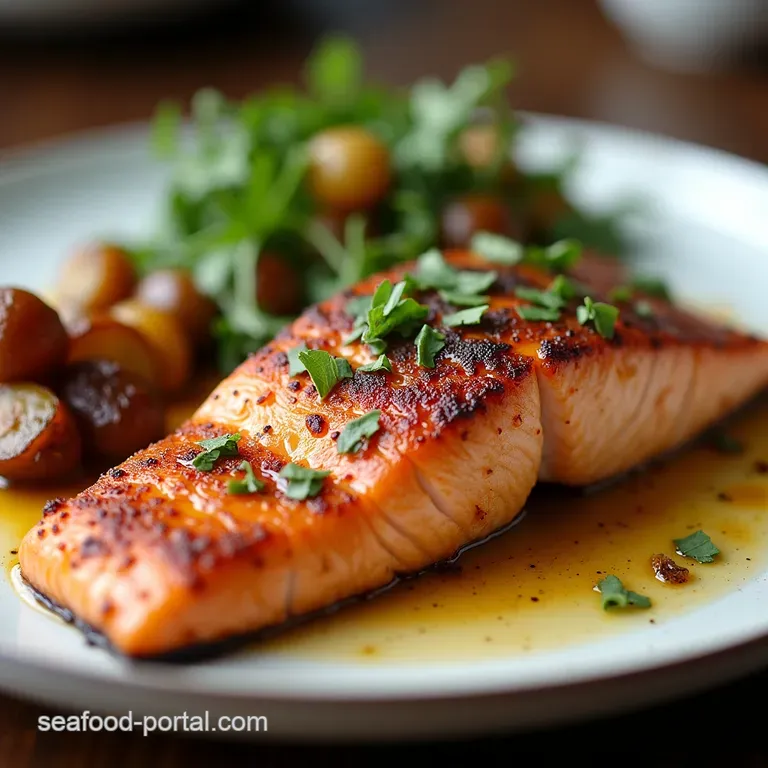
When applied to rich salmon, the result is spectacular: a beautifully charred exterior giving way to succulent, flaky flesh. Paired with a rich, velvety Creamy Dijon Sauce Recipe , this dish moves beyond the realm of the everyday.
This particular combination of smoky heat and creamy tang is precisely what makes this Blackened Salmon with Creamy Dijon Sauce recipe a standout choice for a Healthy Weeknight Dinners rotation.
It’s fast enough for busy evenings yet sophisticated enough to impress any guest.
The Magic Behind the Crust: Achieving That Signature Spice Blend
The allure of a perfectly executed Blackened Salmon Recipe lies entirely in that dark, flavour dense crust. It’s not burning; it’s a rapid, high heat caramelization of herbs and spices that locks in moisture and provides incredible textural contrast.
We’re aiming for deeply savoury, slightly smoky, and warmly spicy notes that play perfectly against the richness of the fish. Getting this right transforms a simple fillet into a powerhouse of flavour.
From Kitchen Novice to Cajun Chef: Setting Expectations
While the process might sound intimidating, achieving that desirable blackened finish is primarily about heat management. The key difference between a successful sear and a burnt mess is understanding your skillet.
We utilize a heavy bottomed pan ideally cast iron because it retains heat like no other material, ensuring that when the cold fish hits the pan, the temperature doesn't plummet.
The whole process, from initial sizzle to flip, is brisk, usually taking less than five minutes per side, meaning you need your mise en place ready to go before that butter starts smoking.
What Makes This Creamy Dijon Sauce the Perfect Counterpoint
A spicy element, like our robust blackening rub, always demands a cooling, balancing counterpart. Enter the Dijon Cream Sauce . This isn't just heavy cream mixed with mustard; it's a sophisticated drizzle built on a quick deglazing technique using a touch of dry white wine (or chicken stock) to lift those flavourful browned bits from the pan.
The sharp, vinegary punch of the Dijon mustard cuts through the richness of the cream and the heat of the salmon, ensuring every bite is perfectly balanced. This quick Dijon Cream Sauce elevates the entire Spicy Salmon Dinner experience.
Prep Time Snapshot: How Fast Can You Get to Dinner?
One of the most appealing aspects of this recipe is its speed. With just 15 minutes allocated for initial prep which includes patting the salmon dry, mixing the spice blend, and perhaps mincing a shallot you are ready to cook.
The actual searing and sauce making take another 15 minutes combined. This means you can serve up a restaurant quality plate of Seared Salmon with Dijon in about 30 minutes total, making it an excellent candidate for a Quick Fall Dinner when you crave warmth without spending hours in the kitchen.
Assembling Your Arsenal: Essential Components for Supreme Taste
Success in blackened cooking relies heavily on the quality of your ingredients and the tools you employ. For this particular Blackened Salmon with Creamy Dijon Sauce , we focus on a potent spice blend, pristine salmon fillets, and the right dairy base for that luxurious sauce.
Mastering the Spice Rub: Components of the 'Blackened' Magic
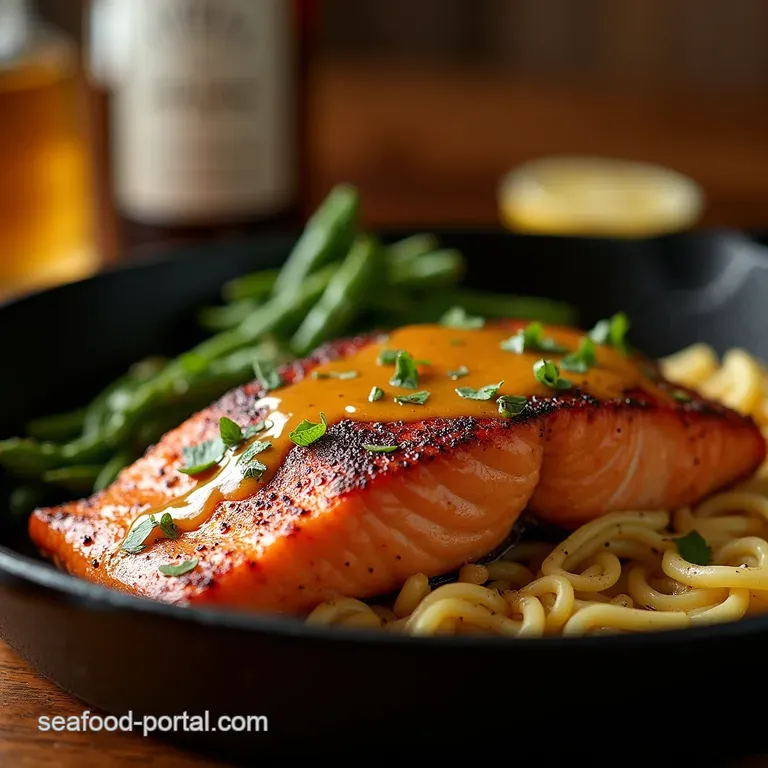
The foundation of our crust requires a careful balance of earthy, pungent, and fiery elements. We rely on a generous amount of smoked paprika for colour and depth, balanced by the aromatics of garlic powder and onion powder.
Thyme and oregano provide an herbaceous backbone, while cayenne pepper delivers the necessary heat. A good measure of kosher salt and freshly ground black pepper bind everything together. When mixed, this blend should smell intensely flavourful even before it touches heat.
The Salmon Selection: Skin-On vs. Skin Off Recommendations
For the best results in achieving a crisp texture, skin-on salmon fillets are highly recommended, provided you are using a quality cast iron pan. When cooked skin side down first, the skin crisps up beautifully and helps stabilize the fillet while the intense heat forms the crust on the flesh side.
If you prefer skinless, ensure your fillets are uniform in thickness; however, you will need to pay extra attention to your heat management to prevent sticking, as the skin acts as a natural barrier.
Dairy Details: Choosing the Right Cream Base for the Dijon Sauce
The texture of your sauce is paramount. To achieve that enviable silkiness in the Creamy Dijon Sauce Recipe , use heavy cream (35% fat content). Lower fat options, like half and-half, often curdle or refuse to thicken properly when boiled slightly, which is necessary for reducing the wine and incorporating the mustard.
The fat content here is essential for a stable emulsion.
Essential Kitchen Gear for Perfect Blackened Salmon with Creamy Dijon Sauce
A truly heavy skillet is your non-negotiable tool here. A cast iron skillet distributes the intense heat needed to properly blacken the spices rapidly without burning them through to ash.
Beyond the skillet, you need sturdy tongs for safe flipping and a small whisk handy for quickly incorporating the cream and mustard into the deglazed pan juices when finishing the Blackened Salmon Sauce .
Related Recipes Worth Trying
- The Best Mediterranean Salmon Bowl Recipe 45 Mins — Whip up this SunDrenched Mediterranean Salmon Bowl for an easy salmon recipe packed with feta olives and zesty lemon Perfect for a healthy weeknight dinner
- Zesty LemonDill Maple Salmon Marinade Recipe for Grilling — Transform your weeknight fish with this easy Salmon Marinade recipe Balancing bright lemon and umami soy its perfect for grilling or baking Get that...
- The Best Easy Grilled Texas Roadhouse Salmon Recipe — Recreate that smoky flaky Copycat Texas Roadhouse Salmon at home Our simple dry rub ensures perfect char and flavour for an easy weeknight grilled dinner
Step-by-step Symphony: Crafting the Flavourful Blackened Salmon
The cooking phase moves quickly and requires focus. Begin by thoroughly mixing your spice blend until the colours are uniformly distributed. Take your dry salmon fillets and I mean bone dry —and press the seasoning mix firmly onto all surfaces. This adhesion is crucial for crust development.
Prepare your searing surface next.
The Silky Finish: Whipping Up the Tangy Dijon Drizzle
While the salmon rests briefly, the focus shifts entirely to the pan drippings, which hold untold flavour potential. This is where we create the luxurious Seared Salmon with Dijon finish.
Applying the Rub: Ensuring Maximum Surface Adhesion
Do not merely sprinkle the seasoning; treat the spice mix like a breading. Press it firmly, ensuring every nook and cranny of the salmon flesh is covered. This thick layer of spices is what will create the dark, complex flavour profile without the interior of the fish overcooking.
Heat Control Secrets: How to Blacken Without Burning
Heat the butter in your skillet until it shimmers vigorously it should be hot enough that the spices hiss immediately upon contact. Place the salmon in the pan away from you. Allow the first side to sear undisturbed for 4– 5 minutes.
If you notice smoke billowing excessively before the 3-minute mark, slightly lower the heat. We want a crust, not a bonfire. Flip carefully and reduce the heat just slightly for the final cook time, allowing the interior to reach a perfect medium.
Emulsifying the Sauce: Achieving Unbroken Creaminess
Once the salmon is plated, return the skillet (or a small saucepan) to a medium low heat. Sauté your minced shallots briefly before adding the splash of white wine to deglaze the pan scraping up all those fond particles is essential flavour building.
Once reduced slightly, whisk in the heavy cream and the Dijon mustard until smooth. Let it simmer gently until it coats the back of a spoon, signifying that beautiful, unbroken emulsion that defines a great Dijon Cream Sauce . Stir in fresh lemon juice right at the end to lift the final taste.
Plating Perfection: Arranging Your Blackened Salmon with Creamy Dijon Sauce
Presentation matters, even for a weeknight meal. Arrange the beautifully crusted salmon, perhaps atop a bed of wild rice or creamy polenta. Drizzle the luscious Blackened Salmon Sauce artfully over the top or alongside the fillet.
A final scattering of fresh chopped parsley adds a necessary pop of colour and brightness to contrast the dark crust.
Maximizing Freshness: Storage and Reheating Guidelines
The flavour of this dish truly shines on the first day, but leftovers can certainly be enjoyed. If you have remaining Blackened Salmon with Creamy Dijon Sauce , store the fish and the sauce separately in airtight containers in the refrigerator.
The sauce, being cream based, should be consumed quickly.
Dietary Adjustments: Making This Dish gluten-free or Lower Fat
This recipe is naturally gluten-free, assuming your spice blend contains no fillers. For lower fat versions, substitute the heavy cream with half and-half, understanding that the final sauce will be noticeably thinner and less rich.
You can also use avocado oil instead of butter, though the high smoking point of butter is ideal for the blackening process itself.
Pairing Pointers: The Best Sides to Complement the Spice
To truly complement the complex flavours of the Spicy Salmon Dinner , opt for sides that offer textural contrast or simple earthiness. Roasted root vegetables, like sweet potatoes or parsnips, offer sweetness that counters the heat, while simple, buttery mashed potatoes are perfect for soaking up that wonderful Blackened Salmon Sauce .
Troubleshooting Common Setbacks: Why Isn't My Crust Blackening Properly?
If your crust is merely brown rather than deep black, the skillet wasn't hot enough. The high heat is required to instantly 'set' the spices. If the fish tastes bitter or scorched, you kept the heat too high for too long, or perhaps you used too much seasoning, causing the outer layer to burn before the interior cooked.
Shelf Life: How Long Does Leftover Blackened Salmon Last?
For optimal quality and food safety, leftover cooked salmon should be consumed within three to four days when properly refrigerated. The sauce should be used within two days, as dairy components degrade quickly once cooked and cooled.
Culinary Adventures: Creative Twists on the Classic Pairing
While the combination of spicy, blackened fish and smooth Dijon is classic, experimenting can yield exciting new results. Consider infusing the cream sauce with a touch of tarragon for an herbaceous lift, or perhaps substituting the shallot with finely minced ginger for an Asian inspired twist on the Dijon Cream Sauce .
Enjoy this expert pairing!
Recipe FAQs
My salmon crust keeps burning before the fish is cooked through. What am I doing wrong with the "blackening" process?
This is a classic rookie error you’re likely using heat that’s too high for too long, or perhaps your pan isn't heavy enough. For a proper crust without incinerating the fillet, use a screaming hot cast iron skillet, but be prepared to reduce the heat slightly after the first two minutes on the first side.
You want a deep, dark crust, not charcoal!
Can I make the Creamy Dijon Sauce ahead of time for this Blackened Salmon with Creamy Dijon Sauce?
While you can certainly prep the shallots and mix the Dijon sauce ingredients, it’s best to finish the sauce right before serving. Cream based sauces can sometimes "break" or separate if reheated too aggressively.
It only takes about five minutes to whip up after the salmon is cooked, so keep the components ready and assemble it fresh for the best silky texture.
I’m not keen on spicy food. How can I dial down the heat in the blackening spice blend?
Fear not, you don't need the full fire of the Bayou! The cayenne pepper is entirely adjustable; I'd recommend omitting it completely for a mild version, or just using a mere pinch if you want a subtle warmth.
Be sure to keep the smoked paprika, as that’s what delivers that beautiful, deep colour and flavour without the aggressive heat.
I don't have white wine for the sauce; what's a decent substitution for that flavour boost?
If you’re avoiding alcohol, simply substitute the dry white wine with an equal amount of good quality chicken or vegetable stock. The stock provides the necessary liquid to deglaze the pan and scrape up those lovely browned bits, which form the foundation of the sauce's depth.
A squeeze of extra fresh lemon juice at the end can help brighten the flavour back up.
How should I store leftovers, and can I reheat this dish without ruining the crispy crust?
Store leftover salmon and sauce separately in airtight containers in the fridge for up to two days they’ll keep a treat! Reheating the salmon is tricky, as the crust will soften; the best bet is to gently warm the fish in a non-stick pan over medium low heat, or, if you’re in a rush, a very brief stint in a low oven.
Reheat the sauce separately on the stovetop.
Blackened Salmon Dijon