Glazed Perfection Effortless Baked Miso Salmon
- Umami Bomb: Why This Glazed Perfection is Your New Weeknight Star
- Decoding the Magic: The Soul of Japanese Miso in a Simple Bake
- Assembling Your Essential Miso Marinade Components
- Mastering the Marination: Infusing Deep Flavour into the Fish
- Elevating the Plate: Pairing Suggestions for Your Baked Miso Salmon
- Chef’s Secrets: Troubleshooting and Storing Leftovers
- Recipe FAQs
- 📝 Recipe Card
Umami Bomb: Why This Glazed Perfection is Your New Weeknight Star
Welcome to the recipe that will fundamentally change how you think about preparing fish at home. This Baked Miso Salmon is more than just dinner; it’s a masterclass in simplicity married to profound flavour.
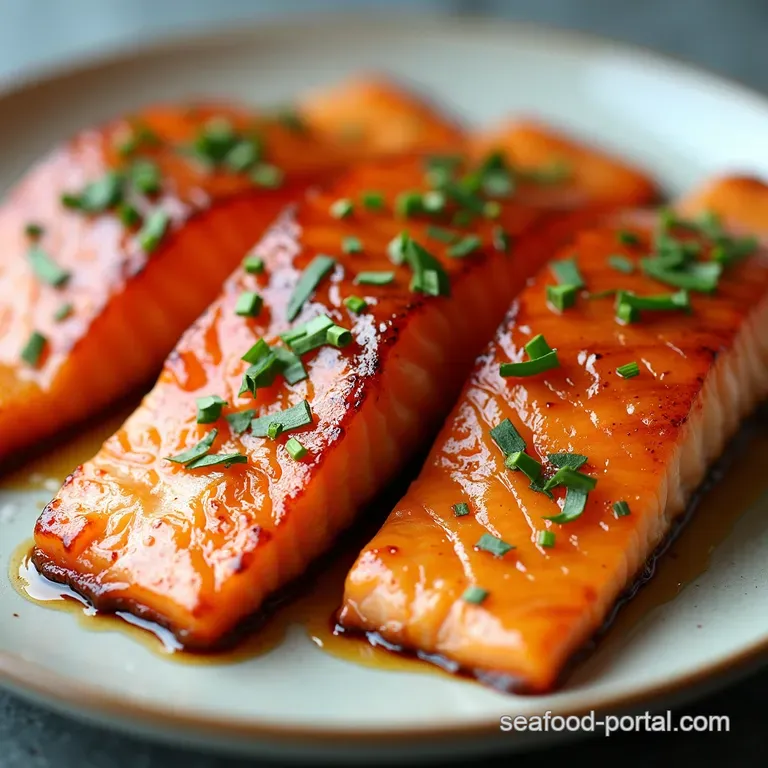
We are taking inspiration from the traditional Japanese Saikyo Yaki , where fish is marinated in sweet miso before being delicately grilled or baked. The result? An unbelievably moist, flaky texture beneath a gorgeous, savoury sweet caramelised crust.
This Baked Miso Salmon Recipe is quick enough for a Tuesday night when you need a flavour hit without fuss, yet elegant enough to proudly present when guests drop by.
It’s inherently clean, deeply satisfying, and proves that the best food often requires the fewest, highest quality ingredients.
Decoding the Magic: The Soul of Japanese Miso in a Simple Bake
The foundation of this dish lies in the transformative power of miso paste. This fermented soybean paste provides an intense depth that salt alone cannot replicate. When combined with sweet and acidic counterparts, it creates a complex Miso Salmon Marinade that tenderises the fish while layering flavour deep into the flesh.
This method turns ordinary salmon into something truly extraordinary.
The Flavour Profile: Sweet, Savoury, and Stunningly Simple
What makes this specific preparation so universally loved? It’s the delicate equilibrium. The natural salinity and robust umami of the miso paste are perfectly countered by the sweetness of mirin and sugar, while a splash of sake adds an aromatic lift.
This balance ensures that even those who might shy away from stronger fermented flavours will find this dish utterly addictive. It hits all the high notes sweet, salty, sour (a touch from the fermentation itself), and savoury in one unforgettable bite of Oven Baked Miso Salmon .
From Saikyo Yaki to Your Table: An Accessible Culinary Journey
Traditional Saikyo Yaki often involves marinating fish for several days, a commitment few home cooks can manage midweek. Our approach streamlines this time honoured technique without sacrificing the essential characteristics.
By focusing on the right proportions in the Baked Miso Salmon Glaze , we achieve that sought after caramelisation in a fraction of the time. This adaptation makes a historically significant Japanese Salmon Recipe genuinely accessible to everyone.
Why Miso Elevates Standard Salmon Fillets
Salmon, being an oily, rich fish, stands up beautifully to assertive marinades. The miso doesn't just sit on the surface; it penetrates slightly, imparting flavour throughout the Baked Miso Salmon Fillet .
On top of that,, the enzymes in the paste help keep the fish incredibly moist during the baking process, preventing the dryness that can plague lesser prepared fish dishes. It’s this combination of flavour infusion and moisture retention that cements this as a truly Healthy Miso Salmon option.
Assembling Your Essential Miso Marinade Components

Creating the perfect glaze requires selecting ingredients that complement the earthy miso without overpowering the delicate flavour of the salmon. Remember, quality matters here, especially when dealing with just a handful of components.
Selecting the Ideal Miso Paste for Maximum Depth
For this recipe, we specifically recommend White Miso Paste (Shiro Miso) . This variety is fermented for a shorter period, resulting in a milder, sweeter, and creamier profile.
Darker miso pastes, like red or barley miso, are intensely salty and overpowering, often leading to a burnt glaze before the fish cooks through. Sticking to white miso ensures that rich, delicate umami that defines this dish.
Balancing the Glaze: Ratios of Sweetener to Acidity
The key to a successful Sake Miso Salmon Recipe glaze is balance. We need sweetness to counteract the saltiness of the miso. Mirin, a sweet Japanese rice wine, is crucial as it provides both sweetness and a glossy finish.
A small addition of granulated sugar (or maple syrup) deepens this sweetness, while a touch of soy sauce adds necessary background seasoning rather than dominating the flavour.
Pro Baker’s Checklist: What You Need Before You Start
To execute this flawlessly, gather your supplies: Four 6-ounce salmon fillets (centre cut is excellent), the miso paste, mirin, sake, sugar, a teaspoon of soy sauce, and freshly grated ginger. Crucially, make sure you have good quality parchment paper.
This item is your best friend, preventing the caramelized glaze from fusing irrevocably to your baking sheet.
Related Recipes Worth Trying
- Sticky Miso Honey Salmon Quick 30Minute One Pan Dinner — Need quick weeknight dinners This Easy Miso Salmon recipe features a sticky glaze baked perfectly on a sheet pan with roasted vegetables Foolproof flavour...
- The Proper Job Speedy Baked Beans Recipe — Transform humble Canned Bean Baked Beans into something smoky and rich This jazzed up baked beans recipe uses Worcestershire sauce for unbelievable depth in...
- Effortless LemonGarlic Butter Baked Tilapia Ready in 25 Minutes — Meet your new weeknight favourite This Easy Garlic Butter Oven Baked Tilapia recipe creates perfectly flaky fish every time Simple prep and incredible...
Mastering the Marination: Infusing Deep Flavour into the Fish
Marination is where the flavour development truly begins. It’s a patient game, but one that pays dividends in the final product.
Step-by-step Mixing: Whipping Up the Signature Glaze
Start by combining your miso paste in a medium bowl. It can be stiff, so have your mirin, sake, sugar, soy sauce, and grated ginger ready. Whisk these liquids in gradually. The goal is a completely smooth, homogenous mixture no gritty pockets of unmixed miso paste should remain.
This smooth consistency ensures an even coating across the salmon surface.
Optimal Soaking Times: How Long to Marinate for Best Results
For this Easy Miso Salmon Recipe , a minimum of 30 minutes is necessary just to warm the fish slightly and allow surface flavour absorption. However, the ideal window for deep flavour infusion is between two and four hours in the refrigerator.
While you can go longer, avoid pushing past 12 hours. The high salt content inherent in miso can begin to chemically break down the delicate protein structure of the fish, leading to a mushy texture rather than firm flakiness.
Oven Configuration Secrets for Even Cooking and Browning
Preheat your oven to a moderately high 400° F ( 200° C). Lining your baking sheet with parchment paper is non-negotiable for easy cleanup. Before placing the salmon on the sheet, pat the fillets gently with paper towels.
You only want a thin, sticky film of marinade remaining; wiping off the thick excess prevents the glaze from burning prematurely beneath the fish while it cooks. Place the salmon skin side down for maximum stability and even cooking.
The Final Broil: Achieving That Irresistible, Charred Edge
The initial bake takes about 12 to 15 minutes, depending on the thickness of your Baked Miso Salmon Fillet . You are looking for the fish to flake easily and for the surface to show deep golden brown caramelisation.
If, after that time, the centre is cooked but the top lacks that signature dark char, switch your oven to the broiler (grill) setting. This step must be executed with vigilance watch it constantly! One or two minutes under the broiler is usually all it takes to achieve that slightly charred, complex crust.
Elevating the Plate: Pairing Suggestions for Your Baked Miso Salmon
This rich, savoury fish requires sides that offer textural contrast or brightness to cut through the umami.
Serving Suggestions: The Perfect Sides to Complement the Umami
For a truly authentic experience, serve your Baked Miso Salmon over fluffy steamed short grain rice. This allows the delicious glaze to seep into the grains. Accompany this with quickly blanched greens, such as tender asparagus or vibrant Bok Choy, seasoned simply with a drizzle of sesame oil.
Pickled ginger (gari) on the side offers a sharp, palate cleansing element that works wonderfully against the richness of the fish.
Variations on the Theme: Adjusting Spice or Sweetness Levels
If you prefer a little heat, incorporate a teaspoon of togarashi directly into your Miso Salmon Marinade before chilling. For a brighter flavour profile that balances the richness beautifully, add the zest of one lemon to the glaze mixture.
This introduces a fresh citrus lift that complements the fatty salmon perfectly.
Chef’s Secrets: Troubleshooting and Storing Leftovers
Even the best recipes sometimes need fine tuning, and knowing how to store your culinary triumphs ensures they taste just as good the next day.
Maximizing Freshness: Fridge Life and Refreezing Tips
Leftover Baked Miso Salmon keeps wonderfully. Store it in an airtight container in the refrigerator for up to three days. The flavour often deepens slightly overnight! If you anticipate having too much, consider freezing individual portions immediately after cooling.
Wrap tightly in plastic wrap followed by foil to prevent freezer burn. Thaw overnight in the refrigerator before reheating gently in a 300° F oven until warmed through.
Nutritional Snapshot: Understanding the Health Benefits of Miso Coated Fish
Beyond the incredible flavour, this dish offers significant nutritional value. Salmon is rich in heart healthy Omega-3 fatty acids. Miso, being a fermented food, introduces beneficial probiotics which support gut health.
While the soy sauce contributes sodium, the dish remains an excellent source of high-quality lean protein, making this an exceptionally delicious and Healthy Miso Salmon preparation.
Recipe FAQs
How long should I marinate the salmon for the best flavour in this Baked Miso Salmon?
For a decent flavour kick, aim for at least 30 minutes, but ideally, let it sit in the fridge for 2 to 4 hours. Any longer than 12 hours, and the salt in the miso can start affecting the texture of the fish, turning it a bit too soft. Don't leave it out on the counter, though; it must stay chilled!
My miso glaze seems to be burning before the fish is cooked what’s the trick?
That's a common snag! The sugar in the glaze caramelises quickly. Before baking, gently scrape off the thickest layer of marinade, leaving just a thin coating on the fish. If you notice it browning too fast mid-bake, you can loosely tent the salmon with foil for a few minutes.
Can I use a different type of miso paste, like red miso, instead of white miso?
You can, but be warned red miso (Aka Miso) is significantly saltier and more robust in flavour than the milder white (Shiro) miso this recipe calls for. If you must substitute, definitely halve the amount of sugar in the glaze to keep things balanced, otherwise, it'll taste like licking a salt block!
What’s the best way to store leftover Baked Miso Salmon, and can I freeze it?
Store leftovers in an airtight container in the fridge for up to three days; it’s lovely cold the next day on a fresh salad. While you can freeze it, the texture of the cooked fish might soften slightly upon thawing and reheating.
If you do freeze it, reheat gently in a low oven rather than the microwave to preserve moisture.
My fillets are very thick; should I adjust the baking time for this recipe?
Absolutely, always cook to thickness, not just the clock! If your salmon is chunkier than 1.5 inches, expect the bake time to creep up towards 16 18 minutes at 400°F (200°C). The main goal is that beautiful flaky texture, so check for doneness with a fork around the 12-minute mark.
Is this dish considered healthy, given the sugar and soy sauce in the glaze?
It’s a brilliant source of high-quality protein and those essential omega-3 fatty acids we all need, which is a definite win. However, because miso and soy sauce are quite high in sodium, this recipe tends to be saltier than a standard baked fish dish.
Balance it out by serving it with plenty of fresh, non-salted vegetables, like steamed greens.
Effortless Baked Miso Salmon