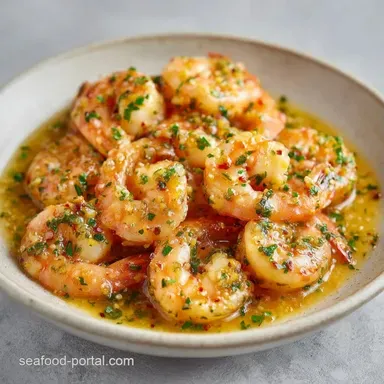
Quick Garlic Shrimp: Velvety and Seared
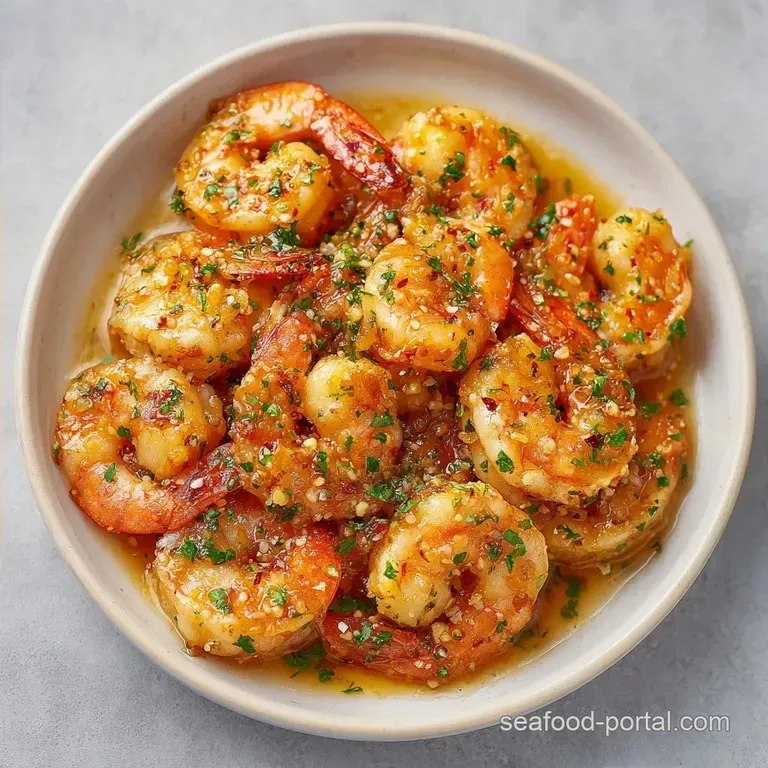
- Time: 5 min active + 7 min cooking
- Flavor/Texture Hook: Velvety garlic butter with a golden, seared crust
- Perfect for: Weeknight dinners, date nights, or beginner cooks
That sharp, pungent scent of garlic hitting hot oil is practically a universal signal that something great is happening in the kitchen. Whether it's the famous shrimp trucks on Oahu's North Shore or a small tapas bar in Madrid, garlic shrimp is a global love language.
It's one of those rare dishes that feels sophisticated but is actually just a handful of basic ingredients doing their best work.
I remember the first time I tried making this at home. I just tossed everything in the pan at once, and I ended up with grey, rubbery shrimp and burnt garlic. It was a disaster. But once I realized that temperature control and timing are everything, this became my go to move for when I have zero energy but still want a meal that tastes like it cost 30 dollars at a bistro.
This Quick Garlic Shrimp is about speed and precision. We aren't simmering things for hours. We're using a heavy pan to get a hard sear on the protein and then finishing with a cold butter emulsion that coats everything in a glossy, rich glaze. It's fast, it's fragrant, and it honestly beats takeout.
Quick Garlic Shrimp: 12 Minute Dinner
Why This Method Actually Works
Getting a restaurant style finish at home isn't about fancy gear, it's about how the ingredients react to the heat.
- Surface Dryness: Moisture is the enemy of a sear. When shrimp are damp, they steam instead of brown, which is why we pat them bone dry before they hit the pan.
- The Cold Butter Trick: Adding chilled butter at the end creates a thicker, silkier sauce. The cold fat emulsifies with the lemon juice and shrimp juices rather than just melting into a thin oil.
- Staggered Aromatics: Garlic burns in seconds at high heat. By searing the shrimp first and then adding the garlic when the heat is lowered, we get that sweet, nutty flavor without the bitter burnt taste.
- Carryover Cooking: Shrimp go from "perfect" to "rubber" in about 30 seconds. Removing them from the heat the moment they curl into a "C" shape lets the residual heat finish the job.
If you enjoy this kind of over high heat technique, you might also like my Pan Seared Tilapia recipe, which uses a similar sear to get a great crust.
Comparison: Fast vs. Classic
| Feature | Quick Method | Classic Slow Sauté |
|---|---|---|
| Searing Temp | High (Sizzling) | Medium |
| Butter Timing | End (Cold) | Start (Melted) |
| Texture | Golden Crust | Uniformly Pink |
| Best For | Weeknights | Slow paced meals |
Component Analysis
| Ingredient | Science Role | Pro Secret |
|---|---|---|
| Jumbo Shrimp | Main Protein | Use frozen (thawed) for more consistent texture |
| Chilled Butter | Emulsifier | Keep it in the fridge until the very last second |
| Lemon Juice | Acid Balance | Cuts through the fat and brightens the garlic |
| Garlic | Flavor Base | Mince by hand for a more irregular, flavorful release |
Basic Recipe Details
When you're making this Quick Garlic Shrimp, keep the ingredients prepped and ready. Because this cooks in 7 minutes, you don't have time to mince garlic while the pan is smoking.
- 1 lb (450g) jumbo shrimp, peeled and deveined Why this? Larger shrimp stay juicy longer
- 4 tbsp (57g) unsalted butter, chilled and cubed Why this? Cold cubes emulsify better
- 1 tbsp (15ml) extra virgin olive oil Why this? Higher smoke point than butter
- 5 cloves (15g) garlic, minced Why this? Fresh is non negotiable here
- 1/2 tsp (3g) kosher salt Why this? Coarser grains distribute evenly
- 1/4 tsp (1g) black pepper Why this? Basic heat and depth
- 1/4 tsp (1g) red pepper flakes Why this? Adds a subtle back end warmth
- 1 tbsp (15ml) fresh lemon juice Why this? Fresh lemon beats bottled every time
- 2 tbsp (8g) fresh parsley, chopped Why this? Adds color and a clean, grassy finish
| Original Ingredient | Substitute | Why It Works |
|---|---|---|
| Unsalted Butter | Ghee | Higher smoke point. Note: Lacks the milk solids for a creamy emulsion |
| Jumbo Shrimp | Scallops | Similar searing properties. Note: Cook for slightly longer |
| Lemon Juice | White Wine | Adds acidity and depth. Note: Best for a more "French" style sauce |
| Parsley | Fresh Cilantro | Similar freshness. Note: Changes the flavor profile to be more zesty/citrusy |
Essential Kitchen Tools
You don't need a professional kitchen for this, but the pan choice really matters.
I always reach for a 12 inch heavy skillet. A stainless steel or cast iron pan is best because they hold onto heat much better than non stick. When you drop the shrimp in, you want to hear a loud sizzle, not a quiet hiss.
If the pan isn't hot enough, the shrimp will leak their juices, and you'll end up boiling them in shrimp water.
A good fish spatula or tongs are also helpful. You want something that can flip the shrimp quickly without tearing the delicate flesh. Also, have a plate ready nearby to move the shrimp to if you're worried about overcooking them.
Step-by-step Cooking Guide
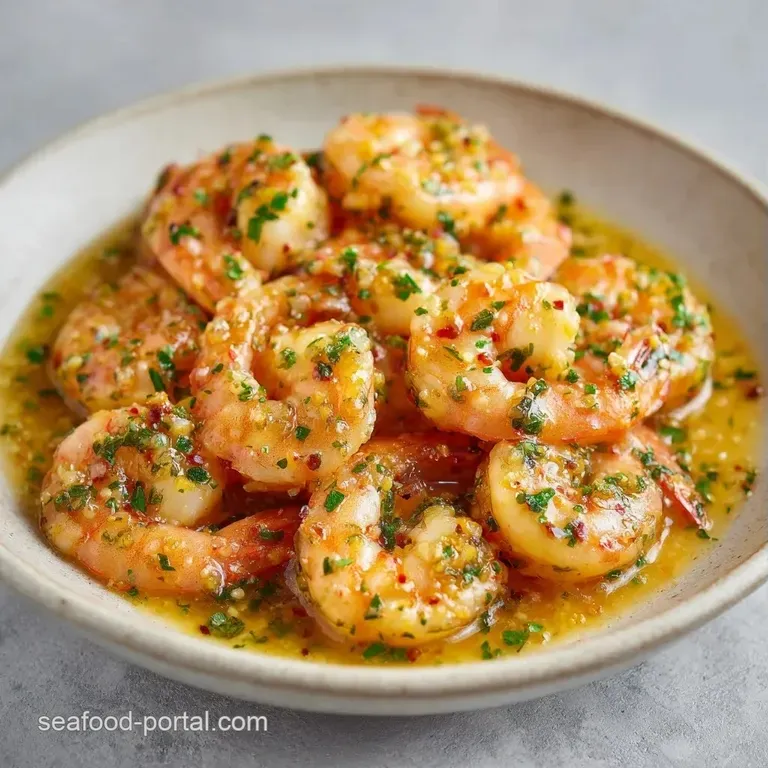
Right then, let's get into it. Make sure your butter is cubed and in the fridge before you start.
- Pat the shrimp completely dry with paper towels. Season evenly with salt and black pepper. Note: Dry shrimp equals a golden crust.
- Heat olive oil in a 12 inch heavy skillet over medium high heat. Wait until the oil shimmers and just begins to smoke.
- Place shrimp in a single layer. Cook undisturbed for 90 seconds until golden brown, then flip.
- Reduce heat to medium. Add minced garlic and red pepper flakes. Sauté for 30-60 seconds until the garlic is fragrant and translucent.
- Immediately stir in the chilled butter cubes and lemon juice. Swirl the pan until the butter melts into a velvety sauce.
- Remove from heat immediately. Fold in the fresh chopped parsley.
Chef's Note: If you see the garlic starting to turn dark brown, pull the pan off the heat instantly. Burnt garlic is bitter and will ruin the whole batch.
Solving Common Shrimp Issues
The biggest hurdle with this recipe is timing. Shrimp are incredibly sensitive to heat.
Why Your Shrimp are Rubbery
This usually happens because of overcooking. If the shrimp curl into a tight "O" shape, they've gone too far. You're looking for a "C" shape. This often happens if the pan is too crowded, which drops the temperature and forces you to cook them longer to get a sear.
Why Your Garlic is Bitter
Garlic has a low burn point. If you add it while the oil is smoking hot, it will carbonize in seconds. Always drop your heat to medium before adding the garlic.
| Problem | Root Cause | Solution |
|---|---|---|
| Shrimp are grey | Pan wasn't hot enough | Heat oil until it shimmers before adding shrimp |
| Sauce is oily/split | Butter added too early | Use chilled butter at the very end of cooking |
| No browning | Shrimp were too wet | Pat them completely dry with a paper towel |
Common Mistakes Checklist
- ✓ Did I pat the shrimp dry? (Crucial for the sear)
- ✓ Is the butter chilled? (Necessary for the velvet texture)
- ✓ Did I wait for the oil to smoke? (Prevents sticking)
- ✓ Did I remove the pan before the garlic browned? (Prevents bitterness)
- ✓ Are the shrimp in a single layer? (Prevents steaming)
Flavor Variations and Substitutes
This Quick Garlic Shrimp is a great base. Once you've got the technique down, you can really play around with the flavors.
If you want something a bit more indulgent, you can stir in a tablespoon of my Rich Buttery Seafood Boil Sauce at the end. It adds a deeper, spicy punch that works great if you're serving the shrimp with corn or potatoes.
The "Honey Garlic" Twist
Add 1 tablespoon of honey and a splash of soy sauce during step 5. This creates a sticky, sweet glaze that's a huge hit with kids.
The "Creamy Garlic" Twist
Stir in 2 tablespoons of heavy cream right before the parsley. This turns the sauce into a rich, restaurant style cream sauce.
Low Carb/Keto Swap
This recipe is naturally keto friendly. Just avoid serving it with pasta and stick to steamed asparagus or zoodles.
Dairy-free Alternative
Use a high-quality vegan butter stick (kept chilled) instead of dairy butter. The emulsification still works, though the flavor is slightly less creamy.
Storing and Reheating Tips
Seafood is tricky. It doesn't always love being reheated, but you can still make it work if you're careful.
Fridge Storage
Store your leftovers in an airtight container for up to 2 days. The sauce might solidify in the fridge, which is normal.
Freezing
I don't recommend freezing this specific recipe. The lemon juice and butter sauce can separate and become grainy, and the shrimp often become rubbery upon thawing.
Reheating Instructions
Avoid the microwave if you can. Instead, put the shrimp in a skillet over medium low heat with a tiny splash of water or extra butter. Heat just until warmed through (about 2-3 minutes). Overheating them again will turn them into rubber bands.
For more food safety guidance on handling seafood, visit foodsafety.gov.
Best Ways to Serve
How you serve this dish depends on how hungry you are.
The Pasta Route Toss this Quick Garlic Shrimp directly into a bowl of linguine or angel hair pasta. The butter sauce acts as the dressing. Add a splash of the pasta water to the pan at the end to help the sauce cling to the noodles.
The Low Carb Route Serve the shrimp over a bed of sautéed spinach or roasted cauliflower. The acidity of the lemon cuts through the richness of the butter, making it feel light but satisfying.
The Classic Route You can't go wrong with a crusty piece of sourdough bread. The whole point of the butter sauce is to soak it up with bread once the shrimp are gone.
Decision Shortcut If you want a full meal → serve over pasta If you want a light dinner → serve with steamed broccoli If you want an appetizer → serve with toasted baguette slices
Recipe FAQs
What is the best method for cooking garlic shrimp for a golden crust?
Pat the shrimp completely dry before seasoning. Surface moisture creates steam, which prevents the shrimp from searing properly in the olive oil.
What is the quickest way to cook shrimp without overcooking them?
Sauté them in a single layer over medium high heat. Cook undisturbed for 90 seconds before flipping to ensure a fast, even sear.
How to cook garlic buttered shrimp step by step?
Sear seasoned shrimp in hot olive oil for 90 seconds per side. Reduce heat to medium, sauté minced garlic and red pepper flakes for 60 seconds, then stir in chilled butter and lemon juice before folding in parsley.
Why do my shrimp turn out rubbery?
You likely cooked them for too long. Shrimp cook rapidly; remove them from the heat the moment they turn opaque and curl into a "C" shape.
What are some other great shrimp options for hosting parties?
Serve a variety of styles, from buttery to zesty. If you enjoyed the fast sear here, see how the same high heat principle works in our shrimp francese.
Do I need to peel the shrimp before cooking?
Yes, for this specific recipe. Using peeled and deveined jumbo shrimp allows the garlic butter sauce to coat the meat directly.
How should I store leftover garlic shrimp?
Place them in an airtight container in the refrigerator. Reheat gently over low heat to prevent the proteins from toughening.
Quick Garlic Shrimp