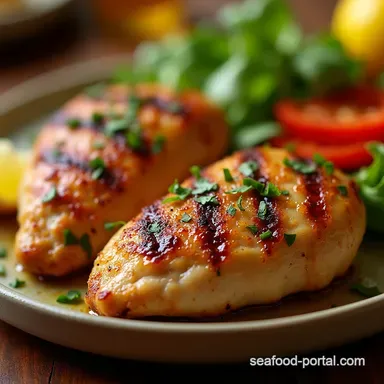
The Zesty Alfresco My Goto Sunshine Marinade for Perfectly Grilled Chicken
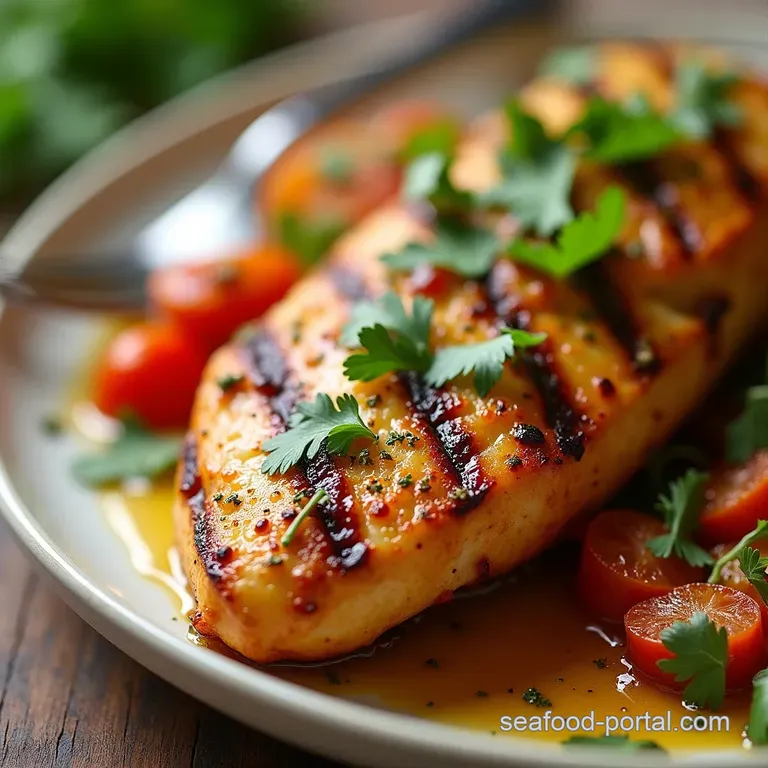
- Unlocking Peak Flavour: Why This Sunshine Blend Beats All Other Grilled Chicken Marinade Recipes
- The Essence of Summer Grilling: A Mediterranean-Inspired Zest
- Assembling Your 'Sunshine' Components: A Curated Ingredient List
- The Aromatics Arsenal: Herbs and Spices That Define This Marinade
- Crafting the Ultimate Sunshine Grilled Chicken Marinade: Step-by-Step Assembly
- The Alchemy of Time: Marinating Chicken for Optimal Tenderness
- Beyond the Barbecue: Alternative Cooking Methods for This Marinade
- Maximizing Flavour Retention and Storage Solutions
- Recipe FAQs
- 📝 Recipe Card
Unlocking Peak Flavour: Why This Sunshine Blend Beats All Other Grilled Chicken Marinade Recipes
When it comes to summer cooking, achieving that coveted smoky char and impossibly juicy interior on chicken can feel like a culinary tightrope walk. So many recipes promise perfection but deliver dry, lackluster results. That ends today.
We are diving deep into what I genuinely believe is the Best Grilled Chicken Marinade formula you will ever use. This isn't just about throwing ingredients in a bag; it’s about understanding how acid, fat, and aromatics interact to tenderize the protein and lock in moisture before it even hits the heat.
If you are looking for truly impactful Marinades For Grilling Chicken , this "Sunshine Blend" is your new champion.
The Essence of Summer Grilling: A Mediterranean Inspired Zest
This particular recipe, which I call The Zesty Alfresco , pulls its inspiration from the bright, sun-drenched flavours of the Mediterranean coast. It’s designed to provide maximum impact with minimal hands-on fuss, making it the quintessential Easy Grilled Chicken Marinade perfect for impromptu gatherings.
Ditching the Dull: A Promise of Golden, Succulent Bites
The primary goal of any great Grilled Chicken Marinade is dual purpose: flavour infusion and textural improvement. We achieve this by utilizing the perfect balance of sharp citrus and high-quality oil.
The resulting chicken has a beautiful golden hue when cooked, a direct result of the paprika and the slight caramelization fostered by the acidic elements reacting with the heat. This recipe ensures the final product is succulent, a far cry from the rubbery texture that often plagues home grilling efforts.
The Secret to Achieving That All-Day Marinated Taste Instantly
Many people associate deep flavour with long soaking times, but the secret weapon here is Dijon mustard. This ingredient acts as a fantastic emulsifier, helping the oil and lemon juice combine more intimately, and it also introduces subtle enzymes that help break down the surface proteins quickly.
This unique combination allows the flavour profile to penetrate the meat effectively within a manageable timeframe, delivering that deep, slow cooked taste in just a few hours ideal for a quick weeknight meal or an impromptu Summer Grilled Chicken Marinade .
Visualizing the Perfect Char: Setting the Stage for Success
Before we even mix a thing, visualize the final product: perfectly parallel grill marks contrasted against golden brown skinless meat. This marinade is formulated to encourage that beautiful crust without burning. The key is managing the liquids. We want the chicken coated, not swimming.
Once coated, we must ensure excess marinade is wiped away before grilling; this critical step prevents steaming and promotes genuine caramelization, leading directly to that coveted char texture.
Assembling Your 'Sunshine' Components: A Curated Ingredient List
Creating an exceptional Grilled Chicken Marinade Recipe is about intentional selection. We are focusing on freshness and potency. For this recipe, we are preparing enough to beautifully season approximately 1.5 kg (about 3 lbs) of your preferred poultry cuts breasts or thighs work wonderfully here.
The total active preparation time clocks in at a swift 15 minutes, though remember that flavour maturation requires a minimum of 2 hours in the refrigerator.
The Aromatics Arsenal: Herbs and Spices That Define This Marinade
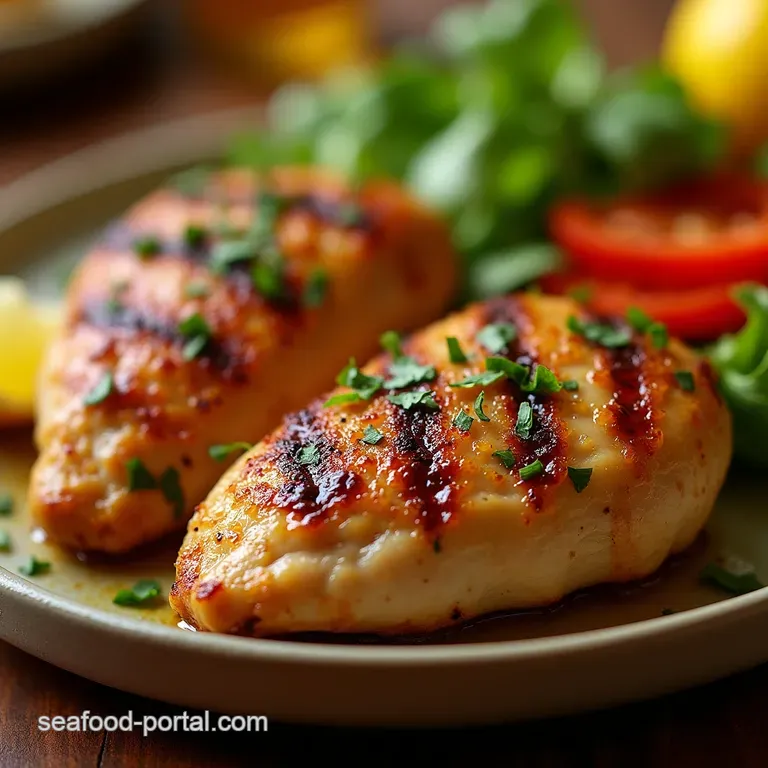
The flavour foundation rests heavily on dried herbs, chosen for their robustness under heat. We incorporate a full tablespoon of dried oregano, which brings that earthy, peppery backbone essential to this style. This is balanced by one teaspoon of dried thyme for subtle woodsy notes.
The real visual and flavour punch comes from smoked paprika; it’s not just for colour, it imparts a gentle, smoky depth that mimics long cooking over charcoal, even if you're using a gas grill.
Selecting the Acid and Oil Base for Maximum Penetration
The acid component is non-negotiable: freshly squeezed lemon juice. You need a full half cup (120 ml) of this bright citrus. Freshness is paramount here; bottled juice simply won't deliver the necessary zing.
To balance this acidity and ensure the flavour compounds can penetrate the chicken fibres, we use one-third cup (80 ml) of good quality extra virgin olive oil. This fat acts as the delivery vehicle for all the flavourings.
Essential Tools: What You Need to Mix and Marinate
You don't need fancy equipment for this recipe. A large, non-reactive bowl and a simple whisk are perfect for combining the liquids. However, for storage and minimizing mess, a sturdy, zip-top freezer bag is highly recommended for the actual marination process, as it allows you to massage the marinade evenly over the meat.
A reliable instant read thermometer is your greatest ally for guaranteeing safety and perfection post grilling.
Precision Measuring: Ensuring Perfect Flavour Balance in Your Blend
To hit that sweet spot between savoury, bright, and herbaceous, precision matters. Alongside the herbs, we incorporate four cloves of finely minced fresh garlic please do not substitute dried garlic powder here, as the fresh aroma is vital.
We also add one tablespoon of Dijon mustard, which serves to slightly thicken the mixture and help bind the oil and acid. Finally, we season assertively with one teaspoon of coarse sea salt and a half teaspoon of freshly ground black pepper.
Related Recipes Worth Trying
- Zesty LemonDill Maple Salmon Marinade Recipe for Grilling — Transform your weeknight fish with this easy Salmon Marinade recipe Balancing bright lemon and umami soy its perfect for grilling or baking Get that...
- The Best Easy Grilled Texas Roadhouse Salmon Recipe — Recreate that smoky flaky Copycat Texas Roadhouse Salmon at home Our simple dry rub ensures perfect char and flavour for an easy weeknight grilled dinner
- The Best Grilled Cheese Sandwich Buttery Bliss Gooey Melt — Master the Best Grilled Cheese Recipe using three cheeses for a foolproof gooey centre and that perfect shattering golden crust A classic comfort food sandwich
Crafting the Ultimate Sunshine Grilled Chicken Marinade: step-by-step Assembly
The assembly process moves swiftly. Begin by combining the wet elements in your bowl: the lemon juice, olive oil, and Dijon mustard. Whisk these vigorously until they start to come together you are looking for a slightly thickened emulsion.
Next, incorporate the minced garlic, oregano, thyme, smoked paprika, salt, and pepper. Whisk until the mixture is uniform in colour and texture, ensuring no clumps of spice remain. This blended liquid is your flavour masterpiece, ready to transform the poultry.
The Alchemy of Time: Marinating Chicken for Optimal Tenderness
The process that follows is where the magic truly happens, elevating this from a simple dressing to a potent Grilled Chicken Marinade .
Blending the Base: Creating a Smooth Emulsion
As mentioned, ensuring the oil and lemon are properly emulsified is the first goal. If they separate too quickly, the acid will attack some areas of the chicken aggressively while other parts remain untouched by the flavour. A good, vigorous whisk ensures a consistent coating sticks to the poultry.
Prepping the Poultry: Cutting Techniques for Even Cooking
For the most predictable results, aim for uniformly sized pieces. If using breasts, consider butterflying them or pounding them to an even thickness (about 3/4 inch). This prevents thin edges from drying out while waiting for the thicker centre to reach safe temperatures.
For thighs, ensure any excess fat is trimmed away.
The Minimum Chill Factor: How Long Chicken Must Soak
This particular blend requires time for the lemon to work its tenderizing magic without making the texture mealy. You must allow a minimum of 2 hours chilling time.
However, for the absolute best results the kind that elicits oohs and aahs from your guests aim for 4 to 6 hours. It is important to note that you should never exceed 12 hours; the high acidity can begin to break down the proteins too much, resulting in a soft, almost spongy texture upon grilling.
Grill Master Secrets: Achieving High Heat Perfection Post Marination
Once the marinating time is complete, remove the chicken from the refrigerator about 20– 30 minutes prior to grilling. This crucial step, called tempering, allows the meat to warm slightly, ensuring it cooks evenly.
Preheat your grill to a solid medium high, around 400° F ( 200° C). Scrape and oil those grates well. Then, before placing the meat down, gently wipe off any heavy drips of the marinade.
This prevents flare ups and ensures you get beautiful sear marks rather than scorched herbs. Grill 6 to 9 minutes per side until the internal temperature hits a safe 165° F ( 74° C).
Beyond the Barbecue: Alternative Cooking Methods for This Marinade
While designed for the open flame, this flavour profile translates beautifully to other cooking methods. It works exceptionally well for pan-searing indoors, resulting in that same golden crust, though you'll need to use a slightly higher cooking oil than the marinade’s olive oil base for higher heat tolerance.
On top of that,, these flavour notes are fantastic when used in oven baking or air frying, offering succulent results for those times when the weather doesn't permit an outdoor barbecue. This adaptability makes it one of the most versatile Grilled Chicken Marinade Ideas out there.
Maximizing Flavour Retention and Storage Solutions
The ultimate success of any Chicken Marinade For Salad or main course lies in respecting the final steps: resting and avoiding cross contamination.
Troubleshooting: Avoiding Common Grilled Chicken Marinade Pitfalls
The most common error is under salting or over marinating. If your chicken tastes bland, you likely needed more salt in the blend itself acid and fat need sufficient salt to carry their flavour. If it tastes aggressively citrusy or mushy, you over marinated, breaching the 12-hour mark.
Always remember to discard the raw marinade used on the poultry; never baste with it after the chicken has been removed from the bag or container.
Spice Level Adjustment: Customizing the Heat Profile
If you find yourself craving more intensity, this base is incredibly receptive to customization. For a vibrant, warm heat, incorporate a half teaspoon of cayenne pepper into the dry spice mix.
Alternatively, for a deeper, slow burn heat, infuse the olive oil with dried chili flakes for an hour before mixing the full marinade. This adaptability allows you to fine tune the heat profile to your exact liking.
Make-ahead Magic: Storing Excess Marinade Safely (For Non-Chicken Use)
If you whip up a double batch of this fantastic blend, you can certainly save the excess, provided it hasn't touched raw chicken. Store unused marinade in an airtight container in the refrigerator for up to five days.
This saved portion is magnificent used as a dressing for grains or beans, or perhaps even whisked into yogurt to create an instant Steakhouse Chicken Marinade -style creamy topper for vegetables.
Serving Suggestions: Pairing Sides That Complement the Citrus Kick
This bright, robust flavour sings alongside cooling, fresh accompaniments. Think cool cucumber raita or a crisp coleslaw dressed lightly in vinegar rather than heavy mayonnaise. For a complete holiday feeling, serve this with perfectly grilled sweet potatoes, where the smoky char of the chicken contrasts beautifully with the sweetness of the vegetable, cementing this as a true crowd pleaser.
Recipe FAQs
How long should I actually marinate the chicken using this recipe? Can I leave the Grilled Chicken Marinade on overnight?
For this zesty, lemon heavy marinade, aim for a sweet spot of 4 to 6 hours. While you can technically leave it overnight (up to 12 hours), the acidity of the lemon starts to break down the chicken proteins too much beyond that point, potentially leading to a slightly mushy texture.
Remember, we want tender, not stringy, chicken!
My chicken is sticking to the grill grates! Is this the marinade causing it, and how do I prevent it?
It's often a combination of things, but yes, excess oil and sugary components in any marinade can encourage sticking or burning. The absolute key here is step 7: thoroughly wipe off any dripping excess marinade before it hits the heat.
Also, ensure your grill grates are fiercely hot and well oiled just before placing the chicken down a clean, hot grate is your best defence against sticking!
I only have boneless, skinless chicken breasts will this marinade keep them from drying out, or should I use thighs?
Chicken breasts are notoriously tricky, but this marinade will certainly help them stay juicy thanks to the olive oil and tenderising acids. However, if you’re a beginner or worried about timing, chicken thighs are far more forgiving.
If you stick with breasts, pull them off the grill right at that 165°F (74°C) mark and let them rest that resting period is crucial for retaining moisture!
Is it safe to reuse the leftover Grilled Chicken Marinade as a basting sauce while the chicken is cooking?
Good heavens, no! Never reuse marinade that has touched raw poultry as a basting sauce or dipping sauce later that’s a surefire way to bring on a bout of food poisoning, which would certainly spoil the garden party vibe.
If you want a sauce for basting, you must reserve a portion of the marinade before adding the raw chicken, or boil the leftover marinade vigorously for several minutes to kill any bacteria first.
What’s the best way to store extra marinade if I want to make a double batch for later?
Since this recipe uses fresh lemon juice, it’s best used relatively soon after mixing. You can store the unused portion in a sealed, non-reactive container in the fridge for up to 3 days.
For longer storage, you could freeze it the olive oil will separate, but it will be perfectly usable once thawed and whisked well before using it on your next batch of chicken!
Sunshine Grilled Chicken Marinade