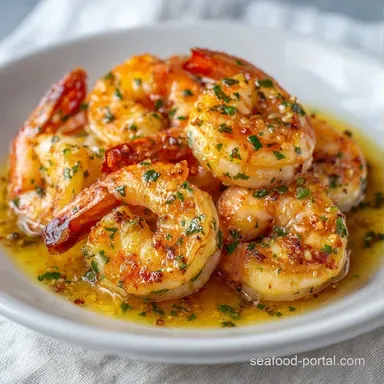
Weeknight Shrimp: Velvety Garlic Lemon
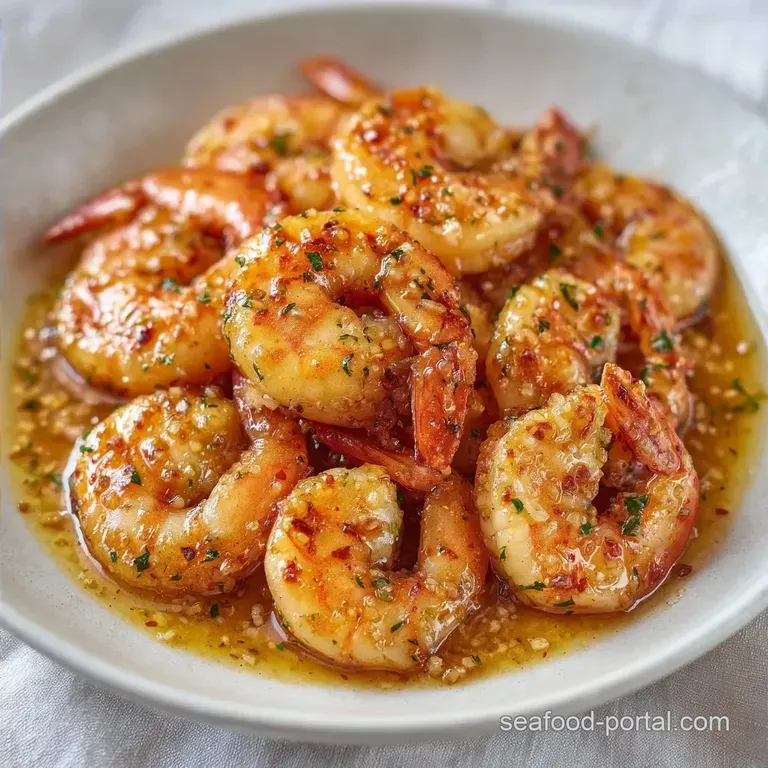
- Time: 5 min active + 10 min cooking
- Flavor/Texture Hook: Velvety garlic lemon sauce with a golden sear
- Perfect for: Fast Tuesday dinner or a romantic date night
That sharp, citrusy scent of fresh lemon hitting hot, bubbling butter is enough to make anyone hungry. I remember the first time I tried to make a quick seafood dinner. I was so worried about undercooking the shrimp that I left them in the pan way too long.
They turned into tiny, rubbery bouncy balls that were almost impossible to chew. It was a total disaster.
The trick is all in the timing and the temperature. You want a high heat for a quick sear, then a sudden drop in temperature to build the sauce without burning the garlic. This is how you get that golden crust while keeping the center tender.
If you've been looking for a reliable way to do Weeknight Shrimp, this is it. We're focusing on a simple method that gives you a restaurant style glaze in under 15 minutes. No fancy equipment, just a hot pan and a few fresh ingredients.
Searing the Perfect Weeknight Shrimp
Right then, let's talk about why this actually works. Most people make the mistake of crowding the pan or using butter too early. Butter has a low smoke point, meaning it burns quickly at the high temperatures needed to sear seafood.
By starting with avocado oil and adding chilled butter at the very end, we get the best of both worlds: a deep golden crust and a creamy, rich finish.
The result is a dish where the shrimp have a slight snap to them, and the sauce isn't watery or broken. It's a Simple Weeknight Shrimp recipe that doesn't cut corners on flavor.
Moisture Control: Patting shrimp dry prevents them from steaming. Dry protein browns in 2 minutes, while wet protein just boils in its own juices.
The Butter Mount: Adding chilled butter cubes at the end creates an emulsion. This makes the sauce velvety instead of just oily.
Temperature Shift: Dropping the heat before adding garlic prevents the cloves from turning bitter. Garlic burns in seconds at high heat.
Visual Cues: Shrimp curl into a "C" shape when they are done. If they curl into an "O", they are overcooked and will be tough.
| Method | Time | Texture | Best For |
|---|---|---|---|
| Stovetop | 10 mins | Golden sear, snappy | Speed and flavor intensity |
| Oven | 12 mins | Uniformly cooked, softer | Larger batches, less mess |
Component Analysis
Understanding what each ingredient does helps you adjust the recipe on the fly. For this Weeknight Shrimp, we aren't just adding things for flavor, but for how they react in the pan.
| Ingredient | Science Role | Pro Secret |
|---|---|---|
| Avocado Oil | over High heat medium | Allows searing without smoking |
| Chilled Butter | Emulsifier | Keeps the sauce from separating |
| Lemon Juice | Acid balance | Cuts through the butter's richness |
| Garlic | Aromatics | Add last to keep the flavor sweet |
The Shopping List
I'm a big fan of using high-quality butter here because it really makes the sauce. Don't bother with the low-fat stuff, as it won't emulsify the same way.
- 450g (1 lb) large shrimp, peeled and deveined Why this? Consistent size ensures even cooking
- 2.5g (1/2 tsp) kosher salt Why this? Coarser grains are easier to control
- 1.25g (1/4 tsp) cracked black pepper Why this? Freshly cracked has more punch
- 15ml (1 tbsp) avocado oil Why this? Stable at high heat
- 42g (3 tbsp) unsalted butter, chilled and cubed Why this? Cold butter creates a thicker glaze
- 4 cloves garlic, minced Why this? Fresh is non negotiable here
- 15ml (1 tbsp) fresh lemon juice Why this? Brighter than bottled juice
- 5ml (1 tsp) lemon zest Why this? Contains the essential oils
- 8g (2 tbsp) fresh parsley, finely chopped Why this? Adds a fresh, grassy finish
Substitution Options:
| Original Ingredient | Substitute | Why It Works |
|---|---|---|
| Avocado Oil | Grapeseed Oil | Similar high smoke point. Note: Neutral flavor |
| Unsalted Butter | Salted Butter | Same fat content. Note: Reduce added salt by 1/4 tsp |
| Fresh Parsley | Fresh Chives | Similar green profile. Note: Adds a mild onion note |
| Lemon Juice | White Wine | Adds acidity and depth. Note: More "sophisticated" taste |
Essential Kitchen Gear
You don't need a professional kitchen for this, but the pan matters. I always reach for a 12 inch cast iron or stainless steel skillet. These hold heat much better than non stick pans, which is how you get those beautiful brown edges on the shrimp.
If you only have non stick, it'll still work, but you might find the shrimp don't brown as deeply. Also, make sure you have a good set of paper towels handy. Trust me on this, drying the shrimp is the most important part of the prep.
Step by step Guide
Let's get into the cooking. The goal here is speed and precision. We want to hit the pan hard and fast.
- Pat the shrimp thoroughly dry with paper towels. In a medium bowl, toss the shrimp with salt and pepper until evenly coated. Note: Any leftover moisture will steam the shrimp
- Heat the avocado oil in a 12 inch skillet over medium high heat until it begins to shimmer.
- Add the shrimp in a single layer. Sear for 2 minutes without moving them until the bottoms are golden brown.
- Flip the shrimp and cook for another 1–2 minutes until they form a 'C' shape and are opaque.
- Reduce heat to medium. Add the minced garlic and sauté for 30 seconds until the kitchen smells fragrant and nutty.
- Stir in the chilled butter cubes and lemon juice.
- Swirl the pan constantly for about 1 minute until the butter melts into a velvety glaze.
- Remove the pan from the heat immediately.
- Fold in the lemon zest and chopped parsley. Note: Heat destroys the delicate flavor of the zest and parsley
Fixing Common Issues
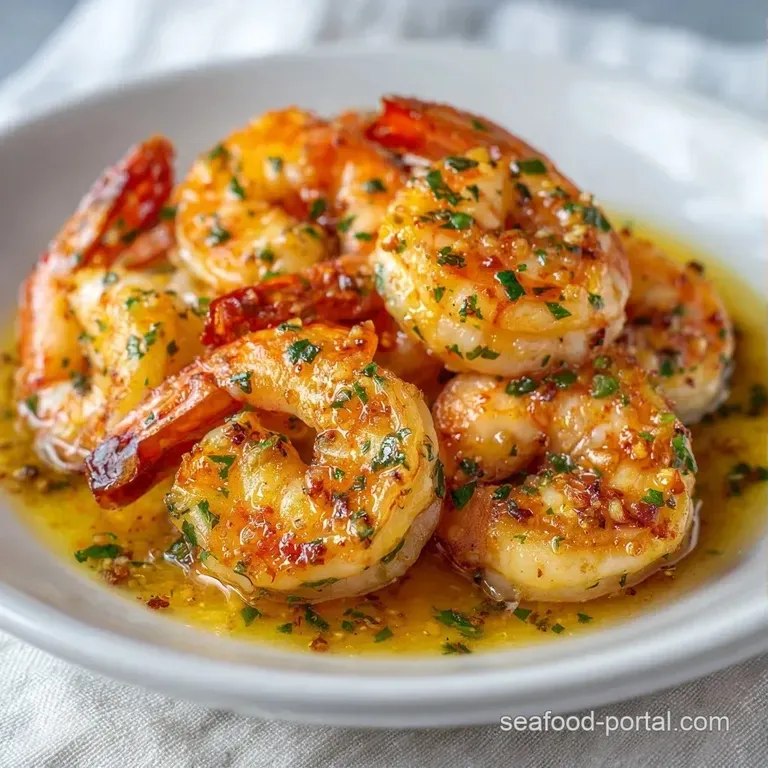
The most common problem with Weeknight Shrimp is the texture. If they feel like rubber, they've spent too much time in the heat. Remember, seafood continues to cook for a minute after you take it off the stove, so pull them early.
Troubleshooting Common Issues
| Issue | Solution |
|---|---|
| Why Your Shrimp Are Rubbery | This usually happens because of overcooking or overcrowding the pan. |
| Why Your Garlic Is Bitter | If your garlic is dark brown or black, the heat was too high. Garlic has very little water content and burns almost instantly. Always drop the heat before adding it. |
| Why Your Sauce Is Watery | This happens if the shrimp weren't dried properly or if you used frozen shrimp that weren't fully thawed and patted dry. |
Common Mistakes Checklist:
- ✓ Shrimp are bone dry before hitting the oil
- ✓ Pan is shimmering hot before adding protein
- ✓ Shrimp are placed in a single layer (not piled)
- ✓ Butter is added chilled, not melted
- ✓ Pan is removed from heat before adding herbs
Flavor Tweaks and Swaps
Once you've got the base down, you can really play around with this. If you're in the mood for something with more heat, my Bang Bang Shrimp uses a similar sear but a different, creamier sauce.
For a more earthy vibe, try adding a pinch of smoked paprika to the salt and pepper mix. It adds a subtle wood fired flavor that goes great with the lemon. If you want to make this a more filling dinner, serve these over a bed of sautéed spinach or with some crusty sourdough bread to soak up every drop of that butter sauce.
| Premium Choice | Budget Choice | Impact | Savings |
|---|---|---|---|
| Jumbo Shrimp | Medium Shrimp | Slightly less "snap" | ~20% cheaper |
| European Butter | Store Brand Butter | Less creamy finish | ~30% cheaper |
| Fresh Lemons | Bottled Juice | Less brightness/aroma | ~10% cheaper |
Truths About Seafood
There are a few things people always tell you about shrimp that aren't actually true. For one, some say you can't use frozen shrimp for a sear. That's a myth. As long as they are thawed completely and patted dry, flash frozen shrimp are often fresher than the "fresh" ones at the counter, which have been sitting on ice for days.
Another common misconception is that you need to "seal in the juices" by searing. In reality, searing is about flavor and texture, not locking in moisture. The browning you see is actually the sugars and proteins reacting to heat, which creates that savory depth.
Saving and Storing
If you happen to have leftovers, store them in an airtight container in the fridge for up to 2 days. When reheating, do it gently in a pan over low heat with a tiny bit of extra butter. If you microwave them, they'll likely turn back into those rubber bands I mentioned earlier.
For zero waste, don't throw away the shrimp shells if you bought them whole. Toss them in the freezer in a bag. Once you have enough, simmer them with an onion and a carrot to make a quick seafood stock. It's a great base for a risotto or a chowder.
Serving Your Meal
This Weeknight Shrimp is incredibly versatile. I love serving it over a bed of fluffy jasmine rice or toss it with some linguine for an easy pasta. For a more hearty version, you could try a Prawn Creole which uses a rich tomato base for a different flavor profile.
If you're keeping it low carb, serve the shrimp over zoodles or steamed asparagus. The lemon butter sauce acts as a dressing for the vegetables, making the whole meal feel cohesive. Just remember to pour every single bit of that pan sauce over the top.
Since this is a quick Weeknight Shrimp dish, keep the sides simple. A quick side salad with a light vinaigrette balances the richness of the butter perfectly. Right then, you've got a dinner that tastes like a luxury meal but only took 15 minutes of your time. Enjoy!
Recipe FAQs
Is it true that you can cook shrimp directly from frozen?
No, this is a common misconception. You must thaw and pat them thoroughly dry first to prevent steaming and ensure a golden-brown sear.
How to stop my shrimp from becoming tough and rubbery?
Avoid overcrowding the pan and monitor cook time. Cook the shrimp in a single layer and remove them as soon as they form a 'C' shape and become opaque.
How can cooked shrimp be used up if there are leftovers?
Toss them into pasta or salads. If you enjoy the creamy profiles of our chicken shrimp alfredo, you can stir these leftovers into a similar pasta dish.
How to make seafood sauce for shrimp?
Sauté minced garlic for 30 seconds, then stir in chilled butter and lemon juice. Swirl the pan constantly until the butter melts into a velvety glaze.
What are delicious shrimp dishes for parties?
Serve these lemon butter shrimp as an appetizer. Their quick 15-minute total time makes them ideal for hosting without spending all night in the kitchen.
Why is my shrimp sauce watery?
This usually happens if the shrimp weren't dried properly. Any leftover moisture from the shrimp or improper thawing will dilute the butter glaze.
How do I know when to flip the shrimp?
Wait 2 minutes without moving them. Flip once the bottoms are golden-brown to ensure a proper sear.
Weeknight Shrimp in 15 Minutes