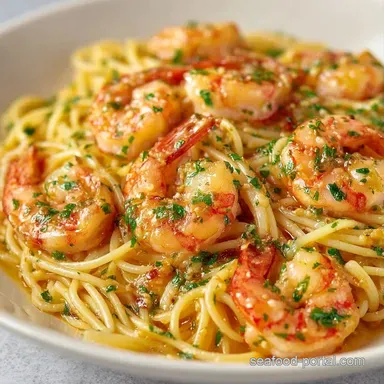
Shrimp Scampi: Quick Garlic Butter
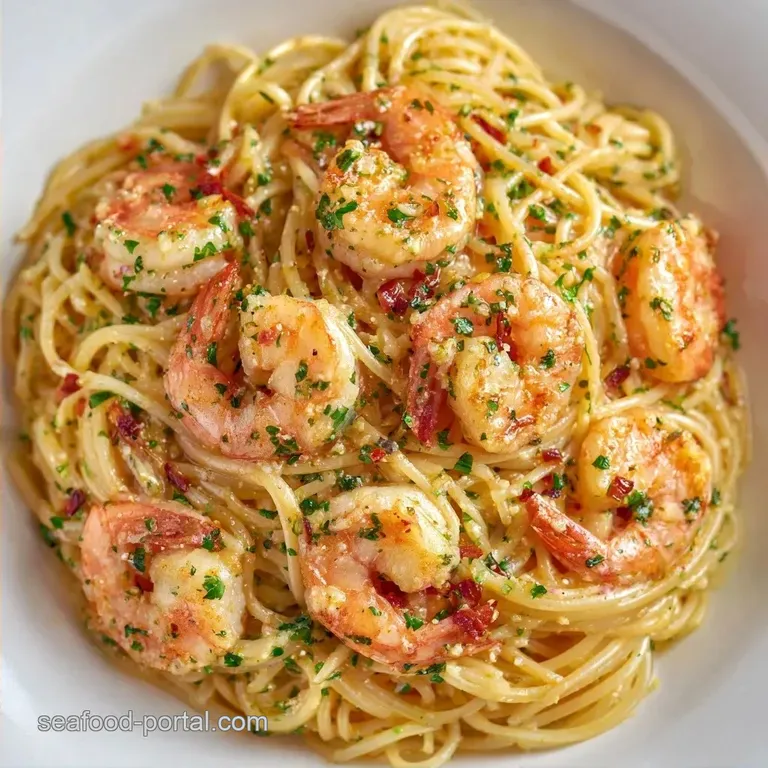
- Time: 5 min active + 10 min cook
- Flavor/Texture Hook: Velvety garlic butter with a bright lemon zing
- Perfect for: A fancy feeling weeknight dinner that doesn't take all night
Imagine the smell of garlic hitting hot butter in a heavy skillet. That sharp, pungent aroma softens into something sweet and nutty in about sixty seconds. It's the smell of a classic Italian American kitchen on a Friday night.
When I first started cooking this, I thought it was just "shrimp with butter," but it's actually a study in balance. You have the heavy fat of the butter, the sharp acidity of the lemon and wine, and the heat from a pinch of red pepper flakes.
The term "scampi" actually comes from the Italian word for langoustines, which are like tiny lobsters. But in the US, we swapped them for shrimp because they're easier to find and cheaper. It became a staple in those old school red sauce joints where the tablecloths were checkered and the garlic was plentiful.
Now, it's the go to for anyone who wants a meal that feels like a treat but takes almost no effort.
Expect a dish that is bright, savory, and feels a bit luxurious. The key is not to overthink it. We aren't trying to make a complex reduction. We're just making a fast, punchy sauce that coats angel hair pasta like a silky glaze. Trust me, once you get the timing down, you'll make this once a month.
Classic Garlic Butter Shrimp Scampi
The secret to a great Shrimp Scampi is the sequence of events. If you throw everything in the pan at once, you get boiled shrimp and raw garlic. By searing the shrimp first, you lock in that golden color and keep the centers tender. Then, you use the leftover shrimp juices to flavor the garlic and wine.
It's all about layering those flavors.
Most people make the mistake of overcooking the shrimp. Seafood is temperamental. One minute it's a perfect curl, and the next it's a rubber band. The goal is a light pink hue and a snap when you bite into it.
When you combine that with the starch from the pasta water, the sauce transforms from a greasy puddle into a velvety coating.
Right then, let's look at why this specific method works. It's not magic, just some simple kitchen physics.
The Secret to Velvety Sauce
Starch Binding: The reserved pasta water contains gelatinized starch. This acts as a bridge between the fat (butter/oil) and the liquid (wine/lemon), stopping the sauce from separating.
Acidity Balance: The lemon juice and dry white wine cut through the richness of the butter. This prevents the dish from feeling too "heavy" on the palate.
Controlled Browning: Searing the shrimp separately prevents them from releasing too much moisture. This allows the pan to stay hot enough to brown the garlic without steaming it.
Fat Emulsion: Adding cold butter at the end, rather than the start, creates a thicker, creamier sauce. The butter melts slowly into the reduction, creating a smooth finish.
| Method | Time | Texture | Best For |
|---|---|---|---|
| Pan Sear | 15 mins | Silky & Snappy | Classic dinner |
| Oven Baked | 25 mins | Softer | Large crowds |
| Slow Cooker | 4 hours | Very tender | Hands off prep |
Component Analysis
| Ingredient | Science Role | Pro Secret |
|---|---|---|
| Unsalted Butter | Emulsifier | Use cold chunks at the end for a thicker glaze |
| Dry White Wine | Deglazer | Use Sauvignon Blanc for a crisp, citrusy bite |
| Garlic | Aromatic | Mince by hand, not a press, for better flavor control |
| Pasta Water | Binder | Always reserve more than you think you'll need |
The Essential Ingredient List
For the Pasta - 1 lb (450g) angel hair pasta (or linguine) Why this? Thin strands pick up the light sauce perfectly - 1 tbsp (15ml) salt (for boiling water) Why this? Seasons the pasta from the inside out
For the Shrimp & Sauce - 1.5 lbs (680g) large shrimp, peeled and deveined Why this? Consistent size ensures even cooking - 4 tbsp (56g) unsalted butter, divided Why this? Provides the rich, velvety base - 2 tbsp (30ml) extra virgin olive oil
Why this? Raises the smoke point so butter doesn't burn - 5 cloves (15g) garlic, minced Why this? The primary aromatic driver - ½ cup (120ml) dry white wine Why this? Adds depth and acidity - 1 tbsp (15ml) fresh lemon
Juice Why this? Brightens the entire dish - ¼ tsp (1.5g) red pepper flakes Why this? Adds a subtle, back of-the throat heat - ¼ cup (15g) fresh parsley, chopped Why this? Freshness to cut through the fat -
½ tsp (3g) kosher salt Why this? Enhances all other flavors - ¼ tsp (1g) black pepper Why this? Basic earthy warmth
Substitution Guide
| Original Ingredient | Substitute | Why It Works |
|---|---|---|
| White Wine (½ cup) | Chicken Broth + Lemon | Similar saltiness. Note: Lacks the fermented depth of wine |
| Angel Hair Pasta | Spaghetti | More bite. Note: Requires 2-3 extra minutes of boiling |
| Unsalted Butter | Ghee | Higher smoke point. Note: Slightly nuttier, less creamy finish |
| Fresh Parsley | Fresh Cilantro | Similar look. Note: Changes flavor profile to something more zesty/bright |
Step by step Cooking
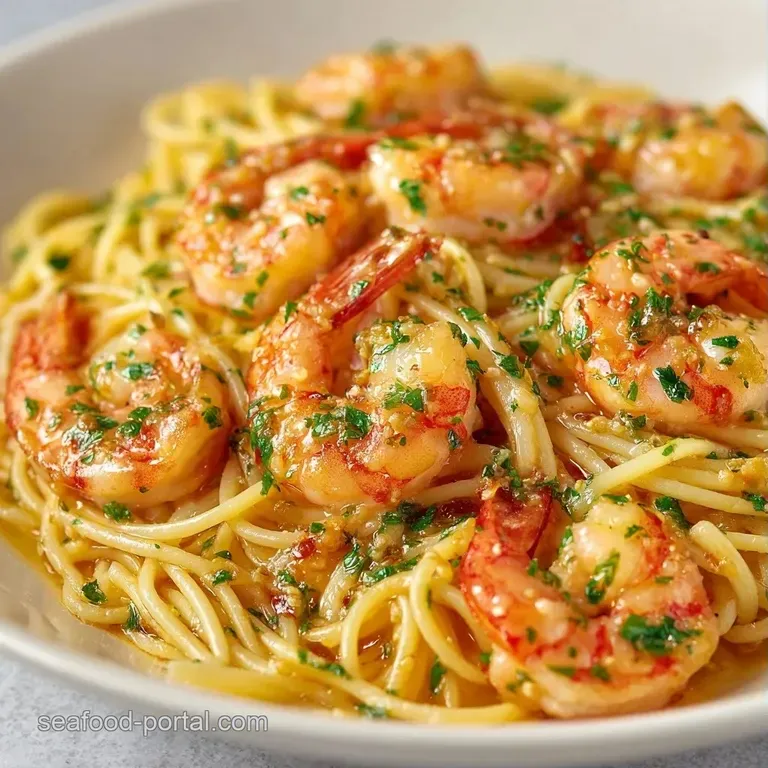
Bring a large pot of salted water to a boil. Add the angel hair pasta and cook according to package directions until al dente. Reserve ½ cup (120ml) of the starchy pasta water before draining. Note: This water is liquid gold for the sauce.
Heat 2 tbsp (30ml) of olive oil and 1 tbsp (14g) of butter in a large skillet over medium high heat. Add the shrimp in a single layer and sear until they turn opaque and pink (about 1-2 minutes per side). Remove shrimp from the pan and set aside.
Note: Don't crowd the pan or they'll steam instead of sear.
Lower heat to medium and add the remaining olive oil and garlic to the same skillet. Sauté until fragrant (about 1 minute). Note: If the garlic turns dark brown, it's bitter; start over.
Pour in the white wine and lemon juice, scraping the bottom of the pan to release brown bits. Simmer for 2-3 minutes until the liquid reduces by half.
Stir in the remaining butter, red pepper flakes, salt, and pepper until a velvety sauce forms. Note: The butter should melt and emulsify, not separate into oil.
Return the shrimp to the skillet and add the cooked pasta. Toss gently to coat.
Add the reserved pasta water a tablespoon at a time until the sauce is fluid and glossy.
Fold in the fresh parsley just before serving. Note: Parsley loses its color if cooked too long.
Chef's Note: If you're using frozen shrimp, thaw them completely in a bowl of cold water and pat them bone dry with paper towels. If they're wet, they won't sear, and you'll lose that golden crust. For a better look, check out this shrimp guide for the best prep.
Fixing Common Kitchen Errors
Getting the timing right is the hardest part. If you've ever ended up with a pool of oil at the bottom of your plate, it's usually because the emulsion broke. This happens if the heat is too high when you add the butter or if you didn't use enough pasta water.
Another common issue is the "rubber" effect. This happens when shrimp are cooked too long or cooked in a pan that's too crowded. When shrimp are crowded, the temperature of the pan drops, and they release water, essentially boiling in their own juices. This ruins the texture of your Shrimp Scampi.
If you prefer a version without alcohol, you can easily pivot. I've found that using a mix of chicken stock and a bit of extra lemon juice works well, and you can find a full guide for an easy garlic scampi sauce if you want to skip the wine entirely.
Rubbery Shrimp
This happens when the proteins tighten too much from overexposure to heat. You'll see the shrimp curl into a tight "O" shape rather than a loose "C."
Broken Sauce
When the fat separates from the liquid, you get oil slicks. This is usually due to overheating the butter or lacking starch from the pasta water.
Bitter Garlic
Garlic burns quickly. If it spends too long in the pan or the heat is too high, the natural sugars carbonize and turn acrid.
| Problem | Root Cause | Solution |
|---|---|---|
| Shrimp too tough | Overcooked | Remove from heat the second they turn pink |
| Sauce too thin | Not enough reduction | Simmer wine for 1-2 minutes longer |
| Sauce too oily | High heat / No starch | Whisk in 1 tbsp of pasta water over low heat |
Success Checklist
- ✓ Shrimp are shaped like a "C", not an "O"
- ✓ Garlic is pale gold, not dark brown
- ✓ Sauce clings to the pasta without pooling
- ✓ Pasta is al dente with a slight bite
Adjusting Portion Sizes
When you're making a bigger batch of Shrimp Scampi, don't just double everything in one pan. The most important rule is the surface area. If you put 3 lbs of shrimp in a standard skillet, they will release too much moisture, and you'll end up with a soggy mess.
Scaling Down (½ or ¼) Use a smaller skillet to keep the sauce from evaporating too quickly. Reduce the cooking time for the wine reduction by about 20% since there's less liquid to boil off.
If the recipe calls for a fraction of an egg (not here, but in others), beat it first and measure by tablespoon.
Scaling Up (2x-4x) Work in batches. Sear the shrimp in two or three turns, removing them as they finish. For the sauce, increase the salt and red pepper flakes to 1.5x only, as these flavors can become overpowering. Reduce the overall liquid by about 10% to avoid a soupy consistency.
| Ingredient Type | Scaling Rule | Logic |
|---|---|---|
| Proteins | Batch Cook | Prevents steaming and ensures browning |
| Aromatics | 1:1 Ratio | Garlic flavor scales linearly |
| Spices/Salt | 1.5x Ratio | Prevents over seasoning in large volumes |
| Liquids | 0.9x Ratio | Reduction takes longer in larger volumes |
Busting Seafood Misconceptions
A lot of people think that searing shrimp "seals in the juices." This is a myth. Moisture loss happens regardless of how you sear the meat. The actual purpose of the sear is the flavor. The browning creates a complex, savory taste that you just don't get from boiling or steaming.
Another common belief is that frozen shrimp are inferior to fresh. Honestly, in many places, "fresh" shrimp at the counter were frozen on the boat anyway. The real difference is how they were frozen. If they were flash frozen (IQF), they're just as good as fresh. Just make sure to thaw them properly.
Finally, some believe you need a very expensive bottle of wine for the sauce. You don't. You just need something dry. A cheap Pinot Grigio or Sauvignon Blanc is actually better because you want the acidity, not a complex vintage flavor that might clash with the garlic.
Storage and Scrap Tips
Since this dish has a butter based sauce and delicate pasta, it doesn't keep as well as a hearty stew. I recommend eating Shrimp Scampi fresh. But if you have leftovers, store them in an airtight container in the fridge for up to 3 days.
When reheating, don't use the microwave on high, or the shrimp will turn into rubber. Instead, put the pasta in a pan over medium low heat and add a splash of water or a tiny knob of butter to loosen the sauce back up.
For zero waste, don't throw away the shrimp shells if you peeled them yourself. Toss them in the freezer in a bag. Once you have enough, simmer them with an onion and a carrot to make a quick seafood stock. This stock is brilliant for risotto or a seafood chowder. If you're looking for other ways to use seafood, my Marry Me Salmon is another great way to keep your freezer stocked with versatile options.
Serving Your Meal
To get the most out of your Shrimp Scampi, serve it in warmed bowls. Because the sauce is a butter emulsion, it can thicken or "seize" as it cools. A warm bowl keeps the sauce fluid for longer.
Garnish with an extra sprinkle of fresh parsley and a wedge of lemon on the side. Squeezing a bit of fresh lemon over the plate right before eating wakes up all the flavors. Pair this with a crusty piece of sourdough or a baguette to soak up every last drop of that garlic butter.
If you want to make it a full feast, serve it alongside some roasted asparagus or a simple arugula salad with a lemon vinaigrette. The bitterness of the greens balances the richness of the butter perfectly. Now, get in the kitchen and get that garlic sizzling.
Recipe FAQs
What are the ingredients for shrimp scampi?
Shrimp, angel hair pasta, butter, olive oil, garlic, white wine, lemon juice, red pepper flakes, parsley, salt, and pepper. These components combine to create a bright, buttery sauce that coats the noodles.
What are some common mistakes to avoid when making shrimp scampi?
Overcooking the shrimp and crowding the pan. Searing shrimp for more than 2 minutes per side makes them rubbery, and overcrowding prevents them from browning properly.
What can I substitute for white wine in shrimp scampi?
Use extra lemon juice or a splash of chicken broth. For a different take on a zesty butter sauce, try the technique used in our shrimp francese.
How do you make scampi from scratch?
Sear the shrimp in butter and oil, then sauté garlic and deglaze the pan with white wine and lemon juice. Toss the cooked angel hair pasta and shrimp back into the reduced sauce with fresh parsley.
How to make seafood sauce for shrimp?
Sauté minced garlic in olive oil and butter, then simmer white wine and lemon juice until the liquid reduces by half. Stir in red pepper flakes and remaining butter to create a velvety emulsion.
Is it true that you should boil the shrimp in the pasta water?
No, this is a common misconception. Shrimp should be seared separately in a skillet to develop a golden crust and maintain a tender texture.
What can I do with cooked shrimp leftovers?
Store them in an airtight container in the fridge for up to 3 days. Reheat in a pan over medium low heat with a splash of water or butter to keep the shrimp from becoming rubbery.
Quick Shrimp Scampi Pasta