The Ultimate Crispy Canned Salmon Patties Better Than Grandmas

- Reinventing the Humble Tin: Why These Canned Salmon Patties Reign Supreme
- The Secret to Achieving Perfect Texture in Your Fish Cakes
- Assembling Your Flavor Toolkit: What You Need to Make Salmon Patties
- Crafting the Ultimate Canned Salmon Patties: Step-by-Step Mastery
- The Searing Technique for Maximum Exterior Crunch
- Elevating the Meal: Side Dishes That Pair Beautifully
- Mastering Storage and Future Enjoyment of These Patties
- Recipe FAQs
- 📝 Recipe Card
Reinventing the Humble Tin: Why These Canned Salmon Patties Reign Supreme
There is something undeniably comforting about a meal made from pantry staples, and few dishes evoke nostalgia quite like perfectly crafted fish cakes. However, let’s be honest: many attempts at this classic result in patties that crumble upon contact or taste suspiciously dry.
We are here to banish that culinary memory forever. These Canned Salmon Patties are not just a budget friendly meal; they are a testament to how maximum flavour can be achieved with minimal effort.
We’ve perfected the ratio of binder to fish, ensuring that every bite delivers a satisfyingly crisp exterior and a succulent, flavour packed interior. Get ready to discover the Best Canned Salmon Patties you will ever encounter.
The Secret to Achieving Perfect Texture in Your Fish Cakes
The difference between an ordinary fish cake and an extraordinary one lies entirely in managing moisture and structure. We are aiming for a texture that feels substantial enough to hold up as a robust Salmon Burger Recipe but tender enough to melt in your mouth.
This requires a thoughtful approach to every component we add to that humble tin of fish.
Banish the Dry Disaster: Our Promise of Moist Interiors
The primary enemy of a great patty is dehydration. Since we are starting with already cooked, canned salmon, our job is to reintroduce moisture while securing the structure. The combination of lightly beaten eggs and Dijon mustard plays a dual role: the egg acts as a primary binder, while the mustard introduces a necessary liquid element and a subtle sharpness that prevents the flavour profile from becoming flat.
On top of that,, ensuring the salmon is meticulously drained pressing out every last drop of packing liquid is non-negotiable. This allows our added moisture sources to integrate properly rather than simply thinning out the mixture.
A Flavour Kick That Elevates Pantry Staples
While texture is crucial, flavour is what makes you crave these again and again. We are moving far beyond just salt and pepper. The inclusion of finely minced red onion provides a necessary, pungent aromatic base that mellows beautifully when cooked.
This is brightened significantly by the addition of fresh parsley, offering a fresh, green counterpoint. Most importantly, finely grated lemon zest provides an immediate aromatic lift; this acidity cuts beautifully through the richness of the salmon and oil, ensuring the resulting Easy Canned Salmon Patties taste vibrant, not heavy.
What Makes This Recipe A Comfort Food Essential?
Beyond flavour and texture, these patties earn their comfort food status through speed and reliability. This Canned Salmon Patties Recipe is designed for the weeknight warrior.
With minimal active time, you transform an inexpensive shelf stable ingredient into a high protein, deeply satisfying main course. They possess that delightful nostalgic quality the sound of the gentle sizzle as they fry, the aroma filling the kitchen making them an ideal candidate for quick family dinners or satisfying lunches.
Assembling Your Flavor Toolkit: What You Need to Make Salmon Patties
To create truly memorable Moist Salmon Patties , gathering the right components is key. Our recipe relies on balancing primary binders with assertive aromatics and sharp flavour agents.
You will need one 14.75 oz (418g) can of salmon, ensuring it’s drained thoroughly this step alone sets the stage for success. We use two large eggs, which provide the necessary coagulation to hold the patty together, especially crucial if you are attempting Salmon Patties No Egg variations later, as the structure needs a robust foundation here.
Essential Components Beyond the Fish Base
The structural integrity largely comes from flour and breadcrumbs. We incorporate ¼ cup of all-purpose flour directly into the mix to act as a filler and absorbent agent, helping everything adhere.
This is complemented by ½ cup of Panko breadcrumbs; Panko’s airy, light structure creates superior crispness on the exterior compared to denser traditional crumbs. For seasoning, ½ teaspoon of salt and ¼ teaspoon of freshly ground black pepper are essential starting points.
The Zesty Additions: Herbs, Acid, and Spice Ratios
To achieve the bright, clean flavour profile, we rely heavily on aromatics. Finely minced red onion (about ¼ cup) offers sweetness once cooked, while a full teaspoon of finely grated lemon zest provides immediate zestiness.
Don't forget the tablespoon of Dijon mustard; this emulsifies slightly during mixing and adds a welcome tanginess that balances the fishiness inherent in canned salmon. Two tablespoons of freshly chopped parsley add freshness without overpowering the main ingredient.
Must Have Equipment for Perfect Patty Formation
While this is a simple recipe, the right tools help immensely. You will need a large mixing bowl and a fork for gently combining ingredients avoid over mixing! A whisk is handy for lightly beating the eggs before adding them.
The star piece of equipment, however, is a large, sturdy non-stick skillet or cast iron pan for that critical searing phase. Finally, always have a wire rack ready to place the finished patties on, which allows air circulation and prevents the bottoms from becoming soggy while draining.
Related Recipes Worth Trying
- Easy Salmon Patties Recipe Quick Fluffy Weeknight Dinner — Need quick family dinners salmon These easy salmon patties use canned fish for a moist golden finish Perfect for busy weeknights Get the foolproof recipe
- Easy Texas Roadhouse Style Baked Salmon Recipe — Get that sweet garlicky Texas Roadhouse Style Baked Salmon flavour in under 30 minutes This easy baked salmon recipe nails the copycat taste perfectly
- Effortless Baked Salmon with Zesty Lemon Dijon Sauce 25 Mins — Need a cracking Seafood Dinner Inspiration This Easy Baked Salmon with Lemon Dijon Sauce is foolproof and ready faster than queuing at the Post Office See...
Crafting the Ultimate Canned Salmon Patties: step-by-step Mastery
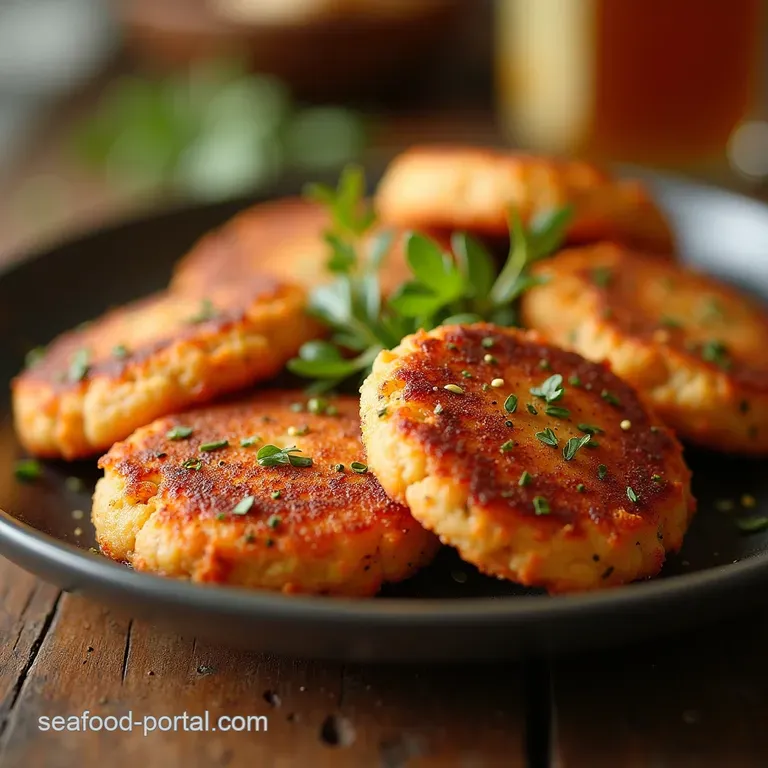
Creating these delightful cakes is a straightforward process, provided you respect the chilling time. First, prepare your salmon. After draining the can meticulously, flake the fish into your mixing bowl, ensuring any large, undesirable bones or tough skin pieces are discarded.
Next, introduce your wet binders and flavour agents: the two lightly beaten eggs, Dijon mustard, lemon zest, parsley, and minced red onion. Use a fork to gently incorporate these elements before adding the dry components.
Sprinkle in the ¼ cup of flour, salt, and pepper, mixing just until streaks of flour disappear. Finally, fold in the ½ cup of Panko breadcrumbs. Remember, overworking this mixture is the quickest route to tough patties.
Preparing the Mixture: Ensuring Proper Binding Agents
The mixture should feel moist but cohesive enough to clump when squeezed gently. If it seems excessively wet often due to how well the initial can was drained add one more tablespoon of Panko, but no more.
Once mixed, the entire bowl needs covering and immediate refrigeration for a minimum of 30 minutes. This chilling period firms up the egg and flour matrix, which is the absolute key to non-breaking patties later.
Forming and Chilling: The Key to Non-Crumbly Patties
After chilling, it’s time to shape. Divide the mixture into 8 equal portions. Working quickly so the mixture doesn’t warm up too much, gently form each portion into a patty approximately ¾ of an inch thick. Take care not to compress them too tightly; keep them relatively light.
Prepare a shallow plate containing the remaining ½ cup of flour designated for dredging. Lightly coat each formed patty in this flour, tapping off any significant excess. This light dusting creates the perfect base for a golden crust.
Optimal Frying Temperatures for Golden Perfection
Place your neutral oil canola or vegetable works perfectly into your skillet to cover the bottom about ¼ inch deep. Heat this oil over medium heat. You know the temperature is correct when a tiny sprinkle of flour sizzles immediately but doesn't instantly brown; if it smokes, the pan is too hot.
Carefully place the flour dredged patties into the shimmering oil, working in batches to avoid overcrowding the pan, which drastically lowers the oil temperature.
The Searing Technique for Maximum Exterior Crunch
Frying is where these Canned Salmon Patties truly shine. The goal is to achieve that satisfying, audible crunch upon the first bite. Maintain that medium heat consistently. Allow the first side to cook undisturbed for 5 to 6 minutes.
You are looking for a rich, deep golden brown colouration. Once achieved, carefully flip each patty using a sturdy, thin spatula. The second side usually cooks slightly faster, requiring another 5 minutes until it matches the first side in colour and the interior is heated through.
Promptly remove the cooked patties and place them on a wire rack over paper towels. This dual draining method rack followed by paper towel ensures any residual surface oil drips away, keeping the crust crispy.
Elevating the Meal: Side Dishes That Pair Beautifully
These versatile patties are fantastic served simply, but pairing them with the right accompaniments transforms them into a complete dining experience. For a traditional, hearty supper, pair them with creamy mashed potatoes and a side of bright green steamed asparagus or peas.
If you are aiming for a lighter lunch, these work wonderfully placed inside a toasted brioche bun, topped with crisp lettuce and sliced tomato, effectively making them a quick Salmon Burger Recipe .
Their inherent richness handles bold, acidic sides very well, so a sharp coleslaw or a vinegary cucumber salad makes an excellent contrast.
Mastering Storage and Future Enjoyment of These Patties
One of the joys of cooking in batches is enjoying leftovers, and these patties reheat remarkably well. For immediate leftovers (within 3 4 days), store the cooled patties in an airtight container lined with paper towels in the refrigerator.
When you are ready to eat them again, the best method is to reheat them in a toaster oven or a regular oven at 350° F ( 175° C) for about 10 minutes. This gently warms the inside while refreshing the exterior crispness.
Creative Twists for Your Next Batch
Once you master the basic technique, feel free to experiment. Adding a teaspoon of hot sauce or finely chopped pickled jalapeños can infuse a pleasant background heat into your patties.
Even swapping out the breadcrumbs entirely for crushed saltine crackers creates an interesting texture making excellent Canned Salmon Patties with Crackers .
Serving Suggestions: Sauces That Complete the Dish
A truly exceptional patty demands an exceptional sauce. While classic tartar sauce is always welcome, try blending plain Greek yogurt with fresh dill, capers, and a generous squeeze of lemon juice for a lighter, brighter topping.
A simple aioli spiked with roasted garlic also proves to be a decadent partner for these savoury fish cakes.
Freezing Protocols for Long Term Freshness
If you plan to keep them for longer than four days, freezing is the way to go. After they have been cooked and completely cooled, place the patties on a baking sheet lined with parchment paper, ensuring they don't touch. Freeze them solid for about an hour.
Once frozen individually, transfer them to heavy duty freezer bags, separating layers with wax paper. They will keep beautifully for up to three months, ready to be reheated directly from frozen in a moderate oven.
Gluten-free Adaptations and Binder Swaps
For those needing a gluten-free option, adapting this recipe is simple. Ensure you substitute the all-purpose flour with a quality 1:1 gluten-free blend (like Bob’s Red Mill 1-to-1) and use gluten-free breadcrumbs instead of Panko.
If you find yourself without eggs an occasional hurdle when making Salmon Patties No Egg versions you can substitute the two eggs with ¼ cup of unsweetened applesauce mixed with 2 tablespoons of extra flour/breadcrumb binder to achieve a similar moist, cohesive result.
Recipe FAQs
What is the secret to making sure my Canned Salmon Patties don't fall apart in the pan?
The two non-negotiable secrets are draining the salmon aggressively and chilling the mixture. Make sure every drop of liquid is out, as wet salmon ruins the structure. Then, chilling the formed patties for at least 30 minutes firms up the binder so they hold their shape beautifully when they hit the hot oil.
Can I bake these instead of frying them? I’m trying to keep the fat down.
Absolutely, you can bake them for a healthier take, though they won't have quite the same crisp crust. Lightly spray the flour dredged patties with cooking spray and bake them on a rack set over a baking sheet at 400°F (200°C) for about 18 to 20 minutes, flipping halfway through until golden.
How long do these patties last in the fridge, and can I freeze them for later?
Cooked patties are grand for leftovers; they keep well in an airtight container in the fridge for up to three days perfect for a quick lunch the next day. For longer storage, let them cool completely, then freeze them in a single layer on a tray before transferring them to a freezer bag; they’ll last a good two months.
My patties always turn out dry. What am I doing wrong with the texture?
Dryness usually comes from overcooking or having too much dry binder. Make sure your heat is only medium, so they don't cook too fast; aim for that lovely golden brown colour, which usually takes 5-6 minutes per side.
Also, avoid overmixing the ingredients once the breadcrumbs are added, as this makes them tough and dry.
I don't have Panko; what’s the best substitute for the breadcrumbs in this recipe?
If you haven't got Panko, regular fine dried breadcrumbs will do the job nicely, though you might need an extra tablespoon since Panko is often lighter. Alternatively, crushed plain salted crackers or even finely ground oats work surprisingly well as a substitute binder if you're in a pinch.
Moist Canned Salmon Patties