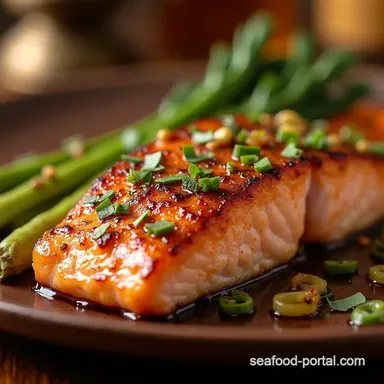
The Rattlesnake Ridge Salmon Easy Texas Roadhouse Style Baked Fish
- Capturing the Legendary Steakhouse Flavor: Why This Baked Salmon Wins
- Decoding the Secret Behind Roadhouse's Signature Seasoning
- Assembling the Bounty: Your Essential Ingredient List
- Mastering the Roadhouse Rub: Component Breakdown
- The Step-by-Step Path to Steakhouse Excellence
- Achieving Peak Flavor Through Proper Preparation
- Elevating Your Meal: Side Dish Pairings
- Ensuring Longevity: Storage and Reheating Advice
- Recipe FAQs
- 📝 Recipe Card
Capturing the Legendary Steakhouse Flavor: Why This Baked Salmon Wins
There’s a certain magic that happens when you dine at a great steakhouse it’s not just the perfectly cooked protein, but the comforting, robust flavours that accompany it.
Texas Roadhouse has mastered this culinary alchemy, and while their steaks get most of the spotlight, their salmon preparation is an unsung hero. If you’ve ever wondered how to cook Texas Roadhouse salmon and replicate that signature taste, you’re in the right place.
We are demystifying the process to deliver the Texas Roadhouse Style Baked Salmon that rivals any restaurant experience, all from the simplicity of your own oven.
This iteration, which we’ll call "The Rattlesnake Ridge Salmon," focuses on achieving that moist, flaky interior enveloped in a sweet, garlicky crust. It’s truly an easy salmon bake recipe disguised as an indulgent steakhouse treat.
Decoding the Secret Behind Roadhouse's Signature Seasoning
What gives this dish its magnetic appeal? It’s the balance. It's the interplay between richness (butter), sweetness (brown sugar), savoury depth (Worcestershire and paprika), and sharp aromatic notes (fresh garlic).
Unlike heavily breaded or heavily seared fish, this method relies on a direct, flavourful topping baked right onto the fillet, creating a beautiful caramelization. This approach ensures the final product has that complex Texas Roadhouse Salmon flavor profile we crave sweet and savory salmon perfection.
The Allure of Texas Roadhouse Style Baked Salmon at Home
Bringing this Texas Roadhouse Salmon Copycat recipe into your kitchen eliminates waiting times and high prices, offering incredible value without sacrificing quality. The core beauty of this particular baked salmon recipe oven preparation is its simplicity.
We aren’t looking for complicated sauce reductions; we are leveraging foundational flavours that meld beautifully under controlled heat. This makes it a reliable option for busy weeknights when you want something that tastes spectacular but demands minimal active attention.
Why Baking is the Ultimate Technique for This Preparation
For this specific flavour goal, baking is non-negotiable. Searing introduces too much crust and risks drying the delicate fish before the glaze can properly adhere and cook through.
Baking at a moderately high temperature allows the butter in the glaze to penetrate the surface of the salmon while the heat gently cooks the interior through convection. This guarantees that essential moistness, resulting in a truly tasty salmon recipe .
Setting the Stage: What Makes This Recipe Authentic?
Authenticity here hinges on a few key flavour anchors: smoked paprika for that subtle Texan depth, the sharp hit of fresh garlic, and the perfect ratio of butter to sugar to achieve that slight crust without becoming heavy.
Using quality, center cut salmon fillets ensures they cook evenly, preventing one end from drying out while the other remains underdone. This approach keeps the preparation straightforward true to the spirit of a fast, flavourful steakhouse side.
Assembling the Bounty: Your Essential Ingredient List
Creating this fantastic Texas Roadhouse Style Baked Salmon requires surprisingly few components, most of which you likely already have stocked. We are aiming for four generous 6-ounce portions, perfect for a family dinner. For the salmon itself, four fillets, around 6 ounces each, are ideal.
For the crucial glaze, gather four tablespoons of unsalted butter, melted down to act as our flavour carrier. You’ll need four large cloves of garlic, minced as finely as possible to disperse evenly.
For the signature sweetness and depth, procure two tablespoons of firmly packed brown sugar, one teaspoon of bold smoked paprika, one tablespoon of fresh lemon juice, and a splash of Worcestershire sauce (about one teaspoon). A sprinkle of kosher salt and black pepper will season the fish prior to glazing.
Mastering the Roadhouse Rub: Component Breakdown

The magic lives entirely within the topping we brush over the fish. Once you understand how these components interact, you can master any garlicky baked salmon recipe .
Core Components for Perfectly Flaky Salmon
The foundation is the melted butter, which hydrates the surface and prevents the glaze from burning prematurely. The fat helps conduct heat, ensuring the interior cooks beautifully. Lemon juice is crucial; its acidity brightens the richness of the butter and sugar, providing balance so the dish doesn't taste too heavy.
The Must Have Spice Blend Ratios
The relationship between the sugar and the smoked paprika dictates the final taste. Two tablespoons of brown sugar provide the necessary caramelization and subtle molasses note characteristic of this style.
Paired with a full teaspoon of smoked paprika not sweet or hot paprika, but smoked —you achieve that subtle, woodsy undertone reminiscent of a Texas grill, even though we are using the oven.
The Worcestershire sauce adds a crucial hit of umami and fermentation that deepens the overall savoury profile.
Essential Kitchenware for Seamless Execution
Keep it simple. You need a standard baking sheet, ideally lined with parchment paper or heavy duty aluminum foil for near zero cleanup, a small bowl for whisking the glaze, and a pastry brush or the back of a spoon for application.
This low-tech setup reinforces just how accessible this Texas Roadhouse Style Baked Salmon Recipe truly is.
Related Recipes Worth Trying
- Effortless Baked Salmon with Zesty Lemon Dijon Sauce 25 Mins — Need a cracking Seafood Dinner Inspiration This Easy Baked Salmon with Lemon Dijon Sauce is foolproof and ready faster than queuing at the Post Office See...
- The Ultimate Juicy Garlic Butter Baked Chicken Breast Recipe — Tired of dry chicken This easy baked chicken breast oven recipe delivers tender meat bathing in aromatic garlic butter Ready in 40 minutes Perfect for...
- Foolproof Juicy Oven Baked Chicken Breast Recipe 400F — Tired of dry dinners Learn the secret to succulent Oven Baked Chicken Breast cooked at 400 degrees This easy baked chicken breast recipe is perfect for a...
The step-by-step Path to Steakhouse Excellence
Now that our components are ready, let’s move to the assembly phase. This entire process, from preheating to serving, should take about 30 minutes, making it a fantastic centerpiece for a quick meal.
Achieving Peak Flavor Through Proper Preparation
Prepping the Fish: Cleaning and Marinating Tips
First, always preheat your oven to 400° F ( 200° C). Line your baking sheet. Next, the salmon preparation is vital: use paper towels to pat the fillets aggressively dry. Excess moisture steams the fish instead of baking it cleanly.
Once dry, place the fillets on the prepared sheet and lightly season both sides with salt and pepper; remember, the glaze carries significant flavour, so don't oversalt at this stage.
The Art of the Roadhouse Glaze Application
While the oven heats, prepare the glaze. Melt your four tablespoons of butter. In your small bowl, whisk together the melted butter, finely minced garlic, brown sugar, smoked paprika, lemon juice, and Worcestershire sauce until reasonably combined.
Pour or spoon this mixture generously and evenly over the flesh side of each salmon fillet. Ensure you are scraping every last bit of that garlicky butter mixture onto the fish.
Oven Temperature Dynamics for Optimal Baking Time
Place the baking sheet into the preheated 400° F oven. The 12 to 15-minute cooking window is tailored for standard 1 inch thick fillets. Thicker cuts might creep toward 17 minutes, but always check for doneness near the 12-minute mark.
The goal is an internal temperature of 145° F ( 63° C) where the salmon flakes beautifully, not stubbornly.
Finalizing Your Texas Roadhouse Style Baked Salmon
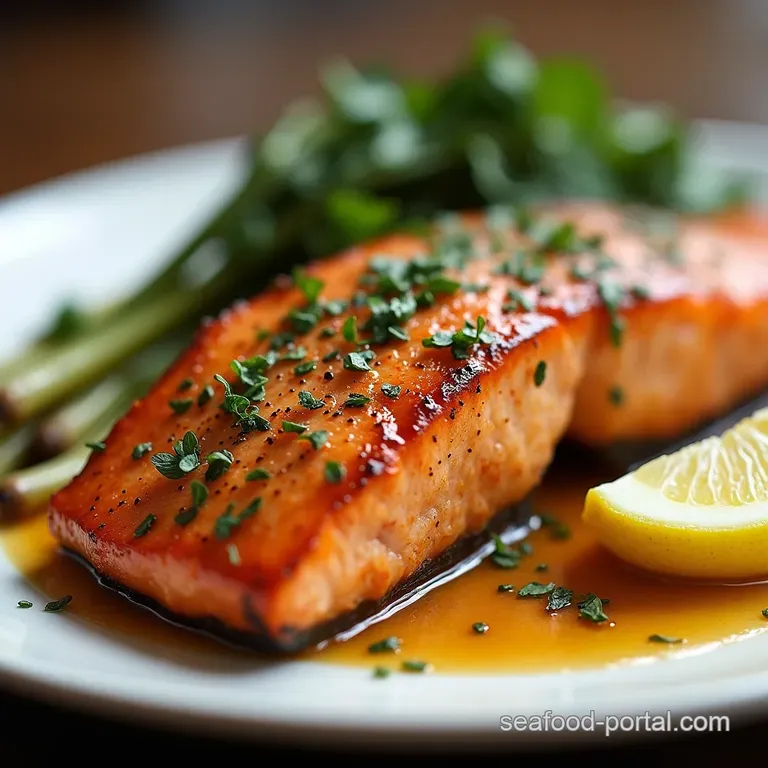
As soon as the salmon is removed from the oven and not before sprinkle the top with a tablespoon of finely chopped fresh parsley. The residual heat will slightly wilt the herbs, releasing their fresh aroma, perfectly crowning your finished Texas Roadhouse Style Baked Salmon .
Elevating Your Meal: Side Dish Pairings
To truly capture the steakhouse vibe, you must pair this rich fish with comforting sides. The natural pairings for this sweet and savory salmon include creamy mashed potatoes or a baked sweet potato to echo the brown sugar notes.
Steamed green beans or crisp, lightly seasoned broccoli offer the perfect textural contrast and vegetable balance. If you are aiming for the full experience, don't skip a side of house dressing topped salad!
Ensuring Longevity: Storage and Reheating Advice
This fish is undeniably best enjoyed straight from the oven, but leftovers are inevitable and still delicious.
Troubleshooting Common Baking Issues
If your salmon appears dry, you likely baked it too long or didn't use enough glaze to protect the surface. Next time, measure your baking time against the thickness of the fillet.
If the glaze looks burnt, your oven temperature was too high, or you baked it for too long after the glaze was applied; try brushing the glaze on halfway through baking next time for a gentler caramelization.
Nutritional Snapshot of Homemade Roadhouse Salmon
While delicious, this preparation is notably richer than simple baked salmon due to the butter and sugar in the glaze. Per serving, expect around 350 380 calories, boasting over 30 grams of high-quality protein.
It’s a satisfying meal that remains relatively low in actual carbohydrates, making it a smart choice even with its decadent topping.
Flavor Twists: Customizing the Glaze Profile
If you want to venture beyond the classic copycat, consider adding citrus zest a full teaspoon of orange zest works wonders to complement the brown sugar. For those who enjoy a little heat, a quarter teaspoon of cayenne pepper introduced during the glaze mixing phase transforms this into a mildly spicy number without losing its comforting core flavour.
How Long Can Leftover Texas Roadhouse Style Baked Salmon Last?
Leftover Texas Roadhouse Style Baked Salmon should be stored in an airtight container in the refrigerator. For the best flavour and texture, aim to consume it within two to three days.
Reheat gently a few minutes in a toaster oven or air fryer is preferable to a microwave, which can make the fish tough quickly.
Recipe FAQs
How do I make sure my Texas Roadhouse Style Baked Salmon isn't dry?
That's the million dollar question! The key is twofold: first, don't overcook it; aim for an internal temperature of 145°F (63°C) and check around the 12-minute mark. Secondly, patting the salmon fillets completely dry before seasoning ensures the glaze sits on top and caramelises slightly rather than steaming the fish.
Can I prepare the glaze for this Texas Roadhouse Style Baked Salmon ahead of time?
You certainly can, which is brilliant for busy weeknights! You can mix all the glaze ingredients butter, garlic, sugar, and spices together in a small container and store it in the fridge for up to two days. Just let it sit on the counter for 20 minutes before you plan to top the fish so it spreads nicely.
What's the best way to store leftovers of this baked salmon?
Leftovers are best kept in an airtight container in the fridge for up to three days; treat it like you would any cooked fish. When reheating, keep the heat low a quick blast in the microwave (30-45 seconds) or warming gently in a toaster oven will prevent it from drying out further.
I don't like brown sugar; what can I substitute in the glaze?
If you're looking to cut down on refined sugar, pure maple syrup is a cracking substitute; use about 1.5 tablespoons to replace the 2 tablespoons of brown sugar, as syrup is sweeter. Alternatively, you can use honey, but be aware it browns faster in the oven, so keep a closer eye on the bake time.
Can I use frozen salmon fillets for this recipe?
Yes, frozen fillets work fine, but you must thaw them properly first never bake them straight from frozen, or the timing will be all over the shop. Thaw them overnight in the fridge, and ensure you pat them very dry before applying the glaze, just as you would with fresh salmon.
Is there a way to make this dish spicier, Texas Roadhouse style?
Absolutely! If you fancy a bit more fire in your belly, toss in a quarter teaspoon of cayenne pepper or a good pinch of red pepper flakes along with the smoked paprika in the glaze mix. That adds a lovely little kick that complements the sweetness perfectly.
Roadhouse Baked Salmon