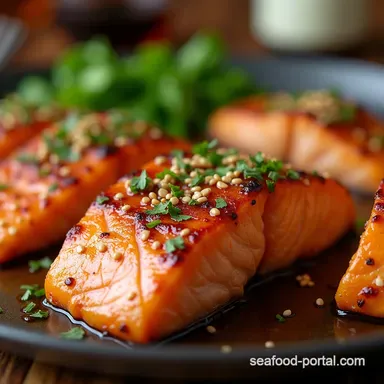
Sticky Sesame Miso Honey Salmon the 30Minute Sheet Pan Superstar

- The Alchemy of Sweet, Salty, and Umami: Why This Dish Rules Weeknights
- Unveiling the Flavor Profile of Your New Favourite Salmon
- Assembling Your Glaze Arsenal: Essential Components
- Selecting the Perfect Salmon Fillets for Sheet Pan Success
- The Assembly Line: Getting Everything Ready on the Tray
- Baking Dynamics: Achieving Perfect Flakiness and Caramelization
- Final Touches: Garnishing Your Masterpiece
- Elevating Your Dinner: Smart Side Dish Pairings
- Storage Secrets and Reheating for Leftover Salmon Glory
- Tweaking the Technique: Customizing the Miso Honey Glaze
- Recipe FAQs
- 📝 Recipe Card
The Alchemy of Sweet, Salty, and Umami: Why This Dish Rules Weeknights
There are certain culinary combinations that just click . Think of salted caramel, or peanut butter and jelly. In the realm of savory cooking, the marriage of salty, fermented miso with sticky, floral honey creates an umami-rich tapestry that coats proteins like nothing else.
This One Pan Miso Honey Salmon is the culmination of that perfect pairing, engineered not just for exceptional flavour, but for streamlined weeknight efficiency. We are talking about vibrant flavour development achieved with minimal active time and virtually no mess.
If you are searching for a genuinely Quick Weeknight Salmon preparation that feels gourmet, this Sheet Pan wonder is about to become your default setting.
Unveiling the Flavor Profile of Your New Favourite Salmon
Our Miso Honey Salmon Recipe hinges on achieving depth quickly. White miso paste (Shiro Miso) is the secret weapon here; it provides a subtle, earthy salinity that is less aggressive than its red counterpart, allowing the honey to shine through without becoming cloying.
When baked, this mixture transforms into a gorgeous, burnished crust, a true textural delight against the flaky, moist fish flesh underneath. This method is the definition of Healthy One Pan Meals that don't taste like a compromise.
The Magic Ratio: Balancing Miso Paste with Liquid Sweetener
Crafting the ideal Miso Honey Glaze Salmon is all about measurement precision. We use three tablespoons of white miso paste as our foundational salty umami base. To counter that salinity and create that beautiful caramelisation, we balance it with two tablespoons of honey.
This near-one-to-two ratio of sweetener to miso ensures the glaze adheres beautifully without burning instantly. A splash of soy sauce deepens the complexity, while a teaspoon each of rice vinegar and toasted sesame oil provides the necessary bright, nutty counterpoints that lift the entire profile off the plate.
Zero Fuss, Maximum Flavour: Embracing the One Pan Miso Honey Salmon Method
The real brilliance of this Sheet Pan Salmon Dinner lies in its simplicity. We aren't dirtying multiple bowls or pots. The entire cooking surface is contained to one large, rimmed baking sheet, preferably lined with parchment paper for zero scrubbing later.
We use this single surface to roast hearty vegetables, like tender asparagus spears and sweet chunks of red bell pepper, alongside the salmon. This allows the subtle, salty-sweet vapours from the glaze to mingle with the roasting vegetables, ensuring everything on the tray tastes like it belongs together.
It’s a masterclass in efficiency for Quick Weeknight Dinners .
Why This Quick Fix Beats Takeout Every Single Time
When those dinner cravings hit, takeout seems tempting, but this Easy Miso Salmon beats delivery every time. First off,, the total time from pantry to plate is under 35 minutes.
Next,, you control every ingredient, the quality of the fish, the exact amount of sweetness, and the freshness of the accompanying Roasted Vegetables Salmon .
The glaze sets during baking, creating a texture and flavour intensity that often surpasses what you get from a hurried restaurant kitchen. It’s fresh, fast, and profoundly satisfying.
Assembling Your Glaze Arsenal: Essential Components
To create our signature Sticky Sesame Miso Honey Salmon , we need to gather our flavour components. The heart of the operation is the white miso paste, don't substitute with soybean paste, as it’s too intense. We blend this with pure honey for that perfect tacky texture.
To achieve the necessary tang and depth, we incorporate a tablespoon of soy sauce (or Tamari for a gluten-free experience), a teaspoon of sharp rice vinegar, and aromatic freshly grated ginger, paired with crushed garlic.
A final drizzle of toasted sesame oil ensures the final product carries that unmistakable, comforting nutty fragrance.
Selecting the Perfect Salmon Fillets for Sheet Pan Success
For this One Pan Miso Honey Salmon preparation, aim for four equal fillets, approximately 6 ounces each, with the skin on or off, it’s entirely personal preference.
If you leave the skin on, it helps insulate the delicate flesh from the direct heat of the pan, resulting in an even moister finish. Crucially, before applying the glaze, ensure the salmon flesh is patted thoroughly dry using paper towels.
This step is non-negotiable; moisture prevents the glaze from sticking properly and hinders the necessary caramelisation process.
Beyond Salmon: Ideal Vegetable Companions for Roasting
Since we are aiming for a true Sheet Pan Salmon Dinner , the vegetables must cook at a similar rate to the fish. Asparagus spears, trimmed of their woody ends, are perfect companions, as they soften beautifully in about 15 minutes.
Similarly, chunks of red bell pepper add sweetness and brilliant colour. If you prefer heartier greens, broccoli florets work well, though they benefit from being slightly smaller so they finish cooking simultaneously with the fish.
Ensure all vegetables are tossed with a little olive oil and seasoning so they roast rather than steam.
Essential Kitchen Gear for Flawless Execution
Success in this recipe relies heavily on proper heat management and clean-up ease. The single most important piece of gear is a large, rimmed baking sheet. Using a sheet that is too small will cause overcrowding, leading to steamed, pale vegetables instead of beautifully roasted ones.
Next,, always line this sheet with parchment paper or a silicone baking mat. This prevents the sticky honey glaze from cementing itself to the metal, guaranteeing a fast and joyful clean-up, which is vital for any successful Quick Weeknight Dinners .
Prepping the Umami-Rich Marinade Mixture
The glaze preparation should be your first active step after setting the oven to preheat at 400° F ( 200° C). In a small bowl, combine the miso paste, honey, soy sauce, rice vinegar, grated ginger, minced garlic, sesame oil, and a pinch of black pepper.
Whisk vigorously until the mixture transforms into a homogenous, glossy paste. You are looking for zero lumps of miso paste remaining; a smooth texture ensures even application and consistent flavour distribution across the Miso Honey Glaze Salmon .
The Assembly Line: Getting Everything Ready on the Tray

With the oven hot and the glaze ready, it’s time for assembly. First, spread your oiled and seasoned vegetables onto one half of the parchment-lined tray, ensuring they lie flat. Next, place the dried salmon fillets on the empty side.
Take roughly half of your gorgeous glaze and brush it generously over the top surface of each fillet. By staggering the glazing process (we’ll add the rest later), we build up layers of flavour and prevent the initial coating from burning prematurely during the first bake stage.
Related Recipes Worth Trying
- The Perfect Oven Baked Salmon Dinner Recipe Ready in Under an Hour — Tired of dry fish This Oven Baked Salmon Dinner uses a zesty Dijonherb crust for perfectly flaky results every time Easy Healthy Salmon Recipe
- Perfect PanSeared Salmon Crispy Skin Lemon Butter Baste — Master the ultimate Pan Seared Salmon Recipe Learn the simple highheat technique for incredibly crispy skin and moist flesh in under 20 minutes
- Crispy Skin Perfection 10Minute Air Fryer Salmon Recipe — Unlock impossibly crispy skin on your salmon fillets in under 15 minutes using your air fryer This easy recipe pairs perfectly cooked fish with a bright...
Baking Dynamics: Achieving Perfect Flakiness and Caramelization
The dual-stage baking process is the key to this Sheet Pan Honey Miso Salmon recipe’s success. Initial roasting at 400° F for 8 minutes starts the cooking process for both the fish and the vegetables simultaneously.
Then, we pull the tray out, apply the remaining glaze, this is where the deep caramelisation begins, and return it to the oven for another 7 to 10 minutes.
This timing ensures the fish is perfectly flaky and cooked through, while the glaze achieves that signature sticky, slightly charred finish without incinerating.
Final Touches: Garnishing Your Masterpiece
Once the salmon is pulled from the oven, resist the urge to slice into it immediately. Allow the fish to rest right there on the warm sheet pan for about two minutes. This resting period allows the juices within the flesh to redistribute, ensuring maximum succulence.
The garnish is crucial for visual appeal and a fresh flavour contrast. A generous sprinkle of toasted sesame seeds adds texture, complemented perfectly by the bright green freshness of thinly sliced scallions scattered across the fish and vegetables.
Marination Time: How Long is Enough for This Glaze?
Because this is a Quick Weeknight Salmon dish, heavy marination isn't necessary, nor is it ideal. The honey in the glaze can start to draw moisture out of the fish if left for hours.
For the best results, where the glaze sticks beautifully and cooks perfectly, apply the glaze immediately before the fish goes into the hot oven. If you are prepping ahead, you can mix the glaze up to three days in advance and keep it refrigerated, but only apply it to the fish just before baking.
Step-by-step Guide to Perfecting the One Pan Miso Honey Salmon Bake
To recap this flawless method: Preheat your oven to 400° F and line your sheet pan. Toss your chosen vegetables (like asparagus and peppers) with oil and seasoning, spreading them on one side. Place the dried salmon fillets on the other.
Brush the first half of the prepared Miso Honey Glaze Salmon mixture over the fish. Bake for 8 minutes. Remove, brush with the remaining glaze, and return to the oven for 7–10 more minutes until done. Garnish with scallions and sesame seeds and serve hot.
The Critical Temperature Check: Knowing When Your Fish Is Done
Visual cues are helpful, the salmon should look opaque, and the glaze should be bubbling richly, but for guaranteed perfection, temperature is king. The FDA recommends cooking salmon to an internal temperature of 145° F ( 63° C).
Use an instant-read thermometer inserted into the thickest part of the fillet. Once it hits that mark, remove the pan immediately, as residual heat will continue the cooking process slightly, preventing dry fish.
Elevating Your Dinner: Smart Side Dish Pairings
While the Roasted Vegetables Salmon on the pan provides a wonderful textural component, this dish shines when served over something absorbent to catch the delicious pan juices. Steamed short-grain rice or fluffy quinoa are excellent foundational bases.
For a slightly richer experience, try garlic-butter edamame. If you need more fresh contrast, a simple side of thinly sliced cucumber tossed with a splash of rice vinegar and a pinch of sugar offers a cooling, palate-cleansing counterpoint to the rich glaze.
Storage Secrets and Reheating for Leftover Salmon Glory
Leftovers from this Sheet Pan Salmon Dinner keep beautifully, usually lasting three to four days in an airtight container in the refrigerator. The challenge with leftover glazed fish is reheating without drying it out or burning the sugars in the glaze. Avoid the microwave if possible.
Instead, the best method is to gently reheat portions in a non-stick pan over low heat with a tiny splash of water or broth, covered, for just a few minutes until warmed through.
Tweaking the Technique: Customizing the Miso Honey Glaze
The beauty of the Easy Miso Salmon concept is its adaptability. While the base formula is phenomenal, you have room to adjust based on your pantry stock or dietary needs.
Gluten-free Swaps and Protein Variations
Making this dish gluten-free is exceptionally easy: simply substitute the regular soy sauce with Tamari. For protein variations, this glaze works wonderfully on thick cod or halibut steaks, though you may need to shave a minute or two off the total cooking time as they are typically leaner than salmon.
Even thick-cut chicken thighs can benefit from this glaze, although they will require an extra 10–15 minutes of total baking time to reach a safe temperature.
Maximizing Leftover Flavor: Reviving Day-Old Miso Salmon
To truly revive leftovers and make them taste fresh, consider repurposing the fish. Flake the leftover Miso Honey Salmon and gently fold it into a fresh, crisp green salad, dressing the greens with a light lemon vinaigrette rather than adding more of the rich glaze.
Alternatively, mix the flaked fish with a little mayonnaise and celery for a surprisingly decadent, Asian-inspired salmon salad sandwich filling.
Troubleshooting: Dealing with Sticky Glazes and Overcooked Fish
If your glaze is burning during the final few minutes, it means the honey has reached its caramelisation point too quickly, often because the oven temperature is too high or the fillets are thin.
If this happens, immediately tent the salmon loosely with aluminum foil to shield the glaze from direct heat, allowing the fish interior to finish cooking safely. If the fish is already overcooked, your best bet is to treat it like canned tuna, flake it immediately into something that relies on moisture, like a rice bowl topped with a fried egg.
Recipe FAQs
How do I stop the honey in the One Pan Miso Honey Salmon glaze from burning?
That sticky honey is a real beauty, but it loves to caramelise quickly! To avoid a charred mess, keep a close eye on the oven during the last five minutes of cooking. If it looks like it’s getting too dark before the fish is cooked, simply cover the pan loosely with a sheet of foil for the remaining time.
This shields the glaze while allowing the salmon to finish cooking through gently.
Can I use different vegetables? Mine aren't quite keen on asparagus!
Absolutely, this recipe is flexible as anything! If asparagus isn't your cup of tea, feel free to swap in broccoli florets, sliced courgettes (zucchini), or even some thin wedges of sweet potato.
Just remember that denser veg like sweet potato might need a five-minute head start in the oven before you add the salmon to ensure everything is perfectly cooked simultaneously.
My miso paste is really stiff; how do I get a smooth glaze?
Don't worry, that’s perfectly normal for miso! The trick is to combine the thick paste with the liquids (honey, soy sauce, vinegar) gradually while whisking vigorously. If it’s still stubborn, try warming the miso slightly in the microwave for about 10 seconds before mixing; this loosens it right up, allowing you to achieve that silky, glossy texture needed for a perfect coating.
How long can I store leftover Miso Honey Salmon?
Leftovers are brilliant for lunch the next day, just like a proper packed lunch! Store the cooked salmon and veggies in an airtight container in the fridge for up to two days. Reheat gently in the microwave or, even better, enjoy it cold flaked over a fresh salad for a lovely, light lunch.
Is this recipe particularly high in sodium due to the miso and soy sauce?
That’s a sensible question, miso and soy sauce do pack a salty punch! To keep the sodium level in check, try using low-sodium soy sauce (or Tamari) and look for a milder white miso, which tends to be less intensely salty than darker varieties.
Patting the salmon dry before glazing also helps prevent excess saltiness from being absorbed.
Can I prepare the glaze ahead of time?
You certainly can! Being organised is half the battle when weeknight cooking comes around. Mix up the entire Miso Honey Glaze up to three days in advance and keep it covered in the fridge.
It will firm up when chilled, so let it sit on the counter for about 20 minutes before you plan to brush it on the salmon for easier application.
Sticky Miso Honey Salmon Quick 30Minute One Pan Dinner