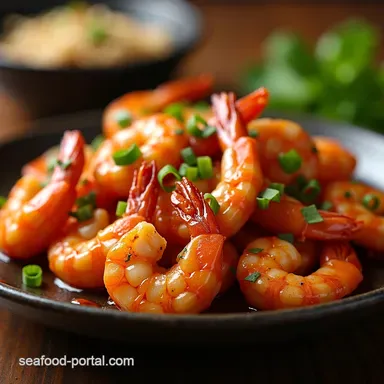
Dragons Breath Kung Pao Shrimp Authentic Szechuan Heat with a Sticky Glaze
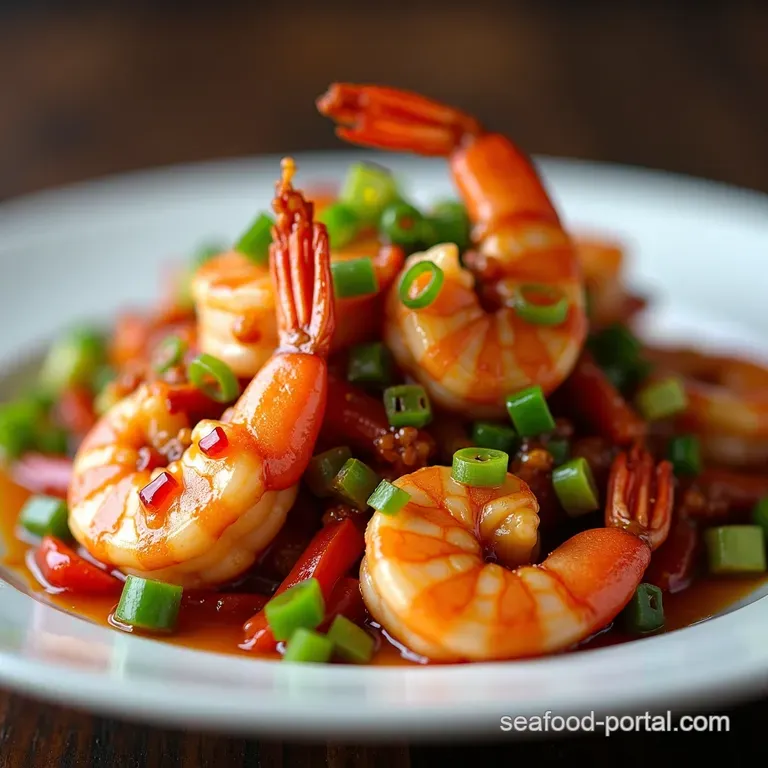
- Unlocking the Secrets to Restaurant-Grade Kung Pao Shrimp at Home
- Why This Recipe Outshines Your Average Takeout
- Assembling Your Pantry for Superior Kung Pao Shrimp
- The Three-Phase Cooking Method for Perfect Execution
- Building the Fiery Base of Your Kung Pao Shrimp
- Troubleshooting and Serving Suggestions for Your Feast
- Customizing Your Kung Pao Experience
- Recipe FAQs
- 📝 Recipe Card
Unlocking the Secrets to Restaurant Grade Kung Pao Shrimp at Home
For many of us, the electric thrill of perfectly executed Szechuan cuisine remains firmly tethered to our favourite local establishment. That signature smoky heat, the satisfying crunch, and that unforgettable sticky glaze it feels like magic.
Well, I’m here to tell you that the magic behind dishes like the famous P.F. Chang's Kung Pao Shrimp is far more accessible than you think. Mastering this Kung Pao Shrimp Recipe at home isn’t about complex machinery; it’s about respecting the balance of flavour and applying precise cooking techniques.
Get ready to elevate your weeknight cooking with this incredibly flavourful Asian Shrimp Stir Fry , yielding a dish so vibrant, it demands centre stage on your dinner table.
Why This Recipe Outshines Your Average Takeout
What separates a truly memorable Kung Pao Shrimp from a merely decent one? It boils down to authenticity and texture. Many Westernized versions lean too heavily on sweetness or rely on generic heat.
Our approach ensures every bite delivers the complex, multi layered experience Szechuan cuisine is celebrated for. This recipe, designed to yield four generous servings, takes approximately 35 minutes from prep to plate, making it an efficient route to exceptional flavour.
The Authentic Szechuan Flavour Blueprint
The heart of true Kung Pao lies in the interplay between specific ingredients, primarily the dried red chilies and the Szechuan peppercorns. These aren't just for heat; the peppercorns provide the signature málà (numbing and spicy) sensation that distinguishes it from a simple Chilli Prawn Stir Fry .
When bloomed correctly in hot oil, they release an intense, smoky fragrance that permeates the entire dish, setting the stage for the other components.
Taming the Sweet, Sour, Salty, and Spicy Symphony
A hallmark of great Chinese cooking is the harmony of foundational tastes. In this Kung Pao Shrimp Ingredients list, you'll find elements addressing all four pillars: the saltiness from light and dark soy sauces, the essential tang from Chinkiang Black Vinegar, the sweetness from granulated sugar to balance the heat, and, of course, the powerful kick from our chilies.
Achieving the right ratio in the sauce is key to replicating that sought after Restaurant Style Kung Pao Shrimp taste.
What Makes This Shrimp Recipe Truly Exceptional
Texture is paramount. We employ a technique known as "velveting" for the shrimp, which involves a quick marinade with egg white and cornstarch. This locks in moisture and creates a delicate, silky exterior that contrasts beautifully with the crunch of the roasted peanuts.
When executed properly, the shrimp remains plump and tender even after being tossed in the high heat of the stir fry, a significant improvement over rubbery, overcooked seafood often found in less attentive cooking methods.
Assembling Your Pantry for Superior Kung Pao Shrimp
To create a genuinely great Kung Pao Shrimp , preparation is everything. Before the heat comes on, everything and I mean everything —must be measured, chopped, and ready to go. This is non-negotiable for any high heat stir fry.
Mastering the Sauce Components
We whisk together the liquids and starches for the sauce first. You will need 3 tablespoons of Chinkiang Black Vinegar its malty depth is irreplaceable, but if necessary, a mix of balsamic and cider vinegar can substitute.
Combine this with 2 tablespoons of Light Soy Sauce for saltiness, 1 tablespoon of Dark Soy Sauce strictly for deep colour, 2 tablespoons of sugar, 1 tablespoon of cornstarch to thicken, 1 teaspoon of sesame oil for aroma, and 2 tablespoons of water or stock.
Whisk this mixture thoroughly until the cornstarch is completely suspended; this prevents clumping later.
The Essential Proteins and Produce Checklist
The star, of course, is about 1 pound of large shrimp, peeled and deveined. Beyond that, you’ll need fresh aromatics: four cloves of garlic and one inch of fresh ginger, both minced finely. For fresh colour and mild onion flavour, slice two scallions, keeping the white and green parts separate.
Finally, secure about half a cup of roasted, unsalted peanuts these are added at the very end for maximum crunch.
Securing True Szechuan Heat: Chilies and Peppercorns
This is where the flavour profile truly develops. For the fiery base of our Chinese Dishes With Shrimp , you need about one cup of dried red chilies, ideally Szechuan "facing heaven" chilies, cut into one-inch pieces. Alongside these, procure 2 tablespoons of whole Szechuan Peppercorns.
These are crucial for that characteristic numbing sensation. Remember, these ingredients should be toasted gently, not fried until black, which results in bitterness.
Prepping the Shrimp for Maximum Texture
The velveting marinade requires one large egg white, 1 tablespoon of cornstarch, 1 teaspoon of Shaoxing Rice Wine, and a pinch of salt. After patting the shrimp completely dry, toss them thoroughly in this mixture. Let this sit for about 15 minutes while you prepare your other ingredients.
This initial marinade tenderizes the shrimp beautifully.
Tool Kit: Essential Equipment for Success
While a dedicated carbon steel wok is the ideal vessel for achieving wok hei (the smoky essence imparted by intense heat), a very large, heavy bottomed skillet can certainly suffice if your heat source is strong.
You will also need tongs for carefully managing the chilies during their brief toasting period, and several small bowls to organize your prepared components.
Related Recipes Worth Trying
- Authentic New Orleans Fried Shrimp Po Boy Sandwich Recipe — Master the BEST New Orleans Po Boy Sandwich at home This Shrimp Po Boy recipe guarantees the perfect crunch and a zesty homemade remoulade
- The Ultimate Crispy Shrimp Poboy Recipe with Zesty Creole Mayo — Forget takeout Make the best Homemade Shrimp Poboy with shatteringly crispy breaded fried shrimp and a quick Creole Remoulade Sauce Total time under 45 mins...
- Better Than Takeaway Creamy Garlic Shrimp Alfredo Pasta — Our foolproof Shrimp Alfredo Pasta Recipe guarantees a velvety restaurantquality Creamy Garlic Sauce in under 35 minutes Perfect comfort food pasta
The Three Phase Cooking Method for Perfect Execution
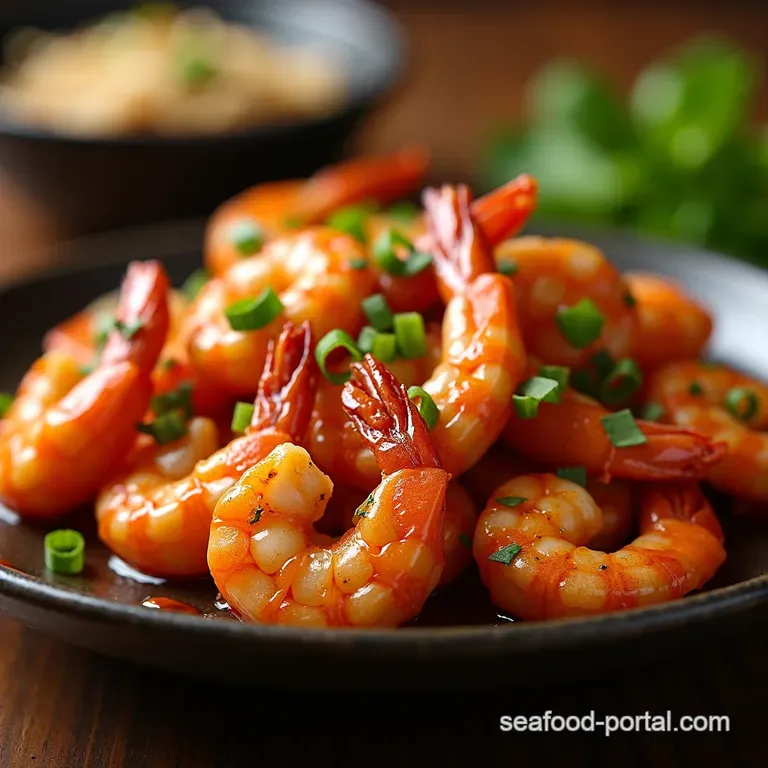
Cooking this dish is a rapid fire performance. It's divided logically: preparing the protein, building the aromatic base, and combining everything under high heat. Read through the steps below before you light the burner, as speed is of the essence once you begin.
Building the Fiery Base of Your Kung Pao Shrimp
We utilize a sequential cooking method, cooking ingredients separately or in timed stages to ensure each component reaches its peak texture before being combined.
Step 1: Velveting the Shrimp for Tender Results
Start by heating 2 tablespoons of peanut oil (chosen for its high smoke point) in your wok until it shimmers invitingly. Introduce the marinated shrimp and stir fry briskly for only 60 to 90 seconds. You are aiming for the shrimp to be just opaque partially cooked.
Immediately remove them from the wok and set them aside. This quick cook seals in the marinade and forms the velvety exterior.
Step 2: Toasting the Aromatics and Nuts
Carefully drain any excess oil if needed, then return the wok to the heat, adding the final tablespoon of peanut oil. Drop in your cut dried chilies and the Szechuan peppercorns. Stir constantly for about 30 to 45 seconds.
You are waiting for the fragrance to bloom intensely; watch the chilies carefully they should darken slightly but absolutely must not burn. Next, push these spices to the side of the wok, drop in the minced garlic and ginger into the clear centre space, and sauté for another 15 seconds until fragrant.
Step 3: The High Heat Stir Fry Sequence
Return the partially cooked shrimp to the wok, distributing them amongst the toasted aromatics. Give your pre-mixed Kung Pao sauce a very quick whisk one last time the cornstarch settles quickly and pour the entire mixture over the ingredients.
Achieving That Signature Sticky Glaze Consistency
Stir everything vigorously and continuously over high heat. Within 30 seconds, you will see the sauce rapidly transform. The cornstarch activates, thickening the liquid into that glossy, beautiful glaze that perfectly coats the shrimp.
The entire stir fry process at this stage should take no more than a minute to prevent overcooking the seafood. Finally, remove the wok from the direct heat source and immediately toss in the roasted peanuts and the white parts of the sliced scallions, incorporating them quickly to maintain their crunch.
Troubleshooting and Serving Suggestions for Your Feast
If your sauce ends up thin, it usually means your heat wasn't high enough or you didn't use enough cornstarch. If the sauce is grainy, you likely didn't whisk the sauce thoroughly before adding it to the wok.
Serve this phenomenal Kung Pao Shrimp immediately it truly shines when piping hot over fluffy steamed Jasmine Rice.
Customizing Your Kung Pao Experience
This recipe provides an authentic baseline, but it’s wonderfully adaptable to personal preference and availability.
Perfect Pairings: What to Serve Alongside This Dish
To balance the intense flavour and heat, simple, fresh vegetable sides work best. Steamed Gai Lan (Chinese broccoli) drizzled with a whisper of oyster sauce is traditional and provides a wonderful textural counterpoint. A simple cucumber salad dressed with rice vinegar also offers a cooling contrast.
Storing Leftovers and Reheating Tips
Store any leftovers in an airtight container in the refrigerator for up to three days. When reheating, a quick toss in a dry, very hot wok is best to reactivate the glaze and crisp up the peanuts slightly.
If using a microwave, add a tiny splash of water to the dish before heating to prevent the shrimp from becoming tough.
Scaling the Heat: Adjusting Spice Levels Safely
To dial down the heat for sensitive palates, reduce the number of dried chilies significantly perhaps starting with just five or six whole chilies for flavour infusion rather than raw heat.
To boost the málà factor, increase the Szechuan peppercorns slightly, ensuring you grind them lightly just before using them for maximum numbing effect.
Substitutions for Common Ingredients
While the Szechuan peppercorns are central to this specific flavour profile, if you simply cannot source them, the dish becomes a delicious but standard spicy shrimp stir fry. For those avoiding seafood, this preparation method translates beautifully to chicken breast cubes or extra firm tofu.
Whichever protein you choose, the principles of velveting and high heat finishing remain the backbone of this exceptional Kung Pao Shrimp Recipe .
Recipe FAQs
I’m worried about the spice level; how can I tone down the heat in the Kung Pao Shrimp?
That’s a fair point Szechuan heat can be bracing! To dial it back, use significantly fewer dried red chilies, perhaps starting with just 8 to 10, and make sure you discard the seeds from those you do use, as that’s where most of the raw heat resides.
You can also skip the Szechuan peppercorns if you are sensitive to that unique numbing sensation ("málà").
What is the secret to getting the shrimp texture just right, like in a proper Chinese restaurant?
The key is "velveting," which is done via the marinade containing egg white and cornstarch, followed by a quick flash fry. Patting the shrimp completely dry before marinating is crucial for the coating to adhere properly.
Don't overcrowd the wok when you briefly cook them about 60 to 90 seconds is all it takes to seal in the moisture before they go back in for the final sauce toss.
Can I make the Kung Pao sauce ahead of time, and how should I store leftovers?
Absolutely, mixing the sauce components (excluding the cornstarch slurry) a day ahead is a brilliant time saver for weeknights. Just give it a good whisk before adding it to the wok, as the sugar might settle.
Leftovers are best stored in an airtight container in the fridge for up to three days; just reheat gently in a pan, adding a tiny splash of water or stock to loosen the glaze.
My dried chilies smell bitter instead of fragrant what did I do wrong?
Oh dear, you’ve slightly burned them, which is a rookie mistake we've all made! The secret to blooming those chilies and peppercorns is medium high heat, constant stirring, and speed aim for about 30 to 45 seconds maximum before you add the garlic and ginger.
If they smell acrid or smoky, you’ll need to start that component over using fresh oil, unfortunately, as you can't rescue burnt chilies.
I don't have Szechuan peppercorns; what's the best substitute for this Kung Pao Shrimp recipe?
That’s a tough one, as those peppercorns provide that signature tingly numbness ("málà") that makes Kung Pao unique. If you absolutely must omit them, your dish will still be tasty, but it will lack that authentic Szechuan buzz.
For a hint of citrus brightness, you could try adding a tiny pinch of lemon zest right at the end, but honestly, tracking down some peppercorns is worth the effort for the real deal!
Authentic Kung Pao Shrimp