Sushi Grade Secrets Perfect Salmon Nigiri You Can Make at Home
- Unlocking the Art of Authentic Salmon Nigiri Preparation
- Why This Home-Crafted Sake Nigiri Recipe Stands Apart
- Sourcing Superior Components for Unforgettable Salmon Nigiri
- Essential Gear for Sushi Assembly
- Elevating Your Platter: Serving Suggestions and Flavor Boosts
- Troubleshooting Common Home Sushi Challenges
- Recipe FAQs
- 📝 Recipe Card
Unlocking the Art of Authentic Salmon Nigiri Preparation
The pursuit of truly exceptional Salmon Nigiri is often viewed as a culinary mountain reserved only for seasoned chefs in dimly lit sushi bars. Yet, I’m here to tell you that this perception is happily misplaced.
Crafting this delicate classic known in Japanese as Sake Nigiri —at home is an accessible, deeply satisfying endeavour that hinges not on complicated processes, but on respect for precision and quality ingredients.
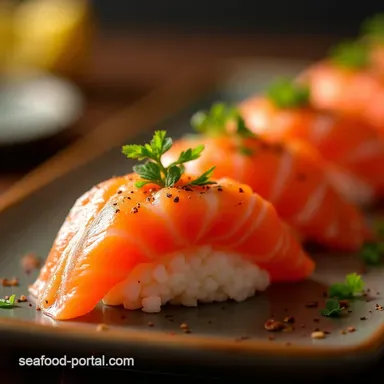
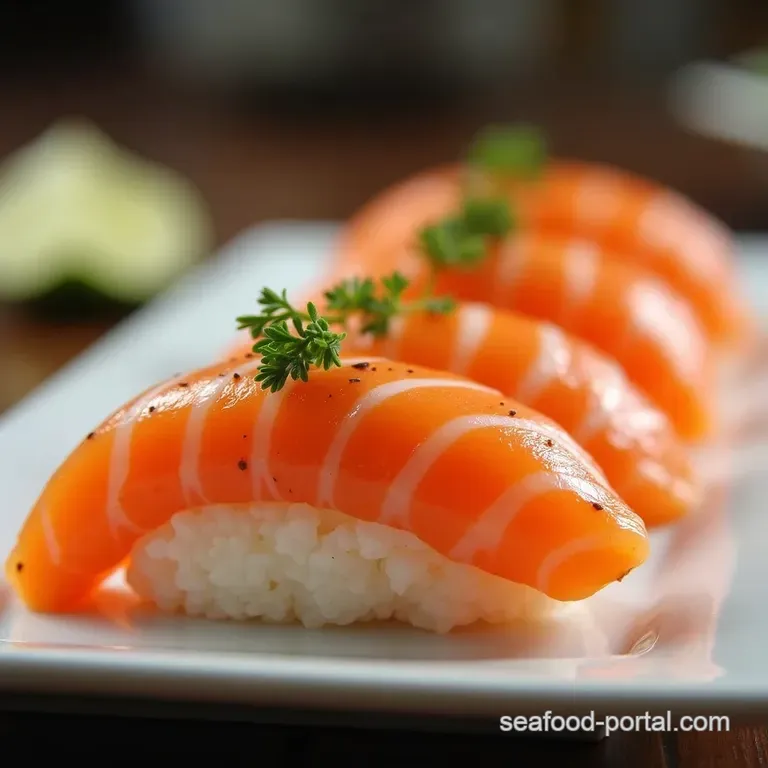
This Salmon Nigiri Tutorial will guide you through transforming basic components into those exquisite, melt-in-your mouth bites that define premium sushi. We aim for an Authentic Salmon Nigiri experience, focusing intently on the balance between the fish (neta) and the vinegared rice (shari).
Why This Home Crafted Sake Nigiri Recipe Stands Apart
Many recipes gloss over the nuances that separate good sushi from great sushi. This guide excels because it delves into the crucial supporting elements the rice texture, the slicing angle, and the necessary chilling times that elevate this dish beyond a simple snack.
We’re not just assembling ingredients; we’re building layers of flavour and texture to achieve that sought after Salmon Sushi Aesthetic .
Demystifying the Japanese Pursuit of Sushi Perfection
In traditional sushi making, the chef dedicates years to mastering the rice alone. Understanding this focus helps frame the challenge of making Homemade Salmon Nigiri .
Perfection here is about subtle textural contrasts: the rice should be firm enough to hold its shape but soft enough that it dissolves gently on the tongue, providing a counterpoint to the cool, rich salmon.
The seasoning blend, the awasezu , must strike a perfect harmony between sweet, sour, and salty, never dominating the star ingredient.
The Essential Marriage: Rice Texture Meets Fish Quality
The true beauty of What is Salmon Nigiri lies in its minimalist presentation, meaning every component must sing. The 1 cup of Japanese short grain sushi rice, when cooked and seasoned correctly, becomes the foundation.
This foundation must pair flawlessly with the 6 ounces of sashimi grade salmon. This isn't simply about flavour pairing; it’s about temperature synchronization. The rice should be body temperature warm enough to feel comforting, cool enough not to cook the delicate fish oils.
Achieving this balance transforms the experience from eating fish and rice to enjoying a singular sensation.
Your Roadmap to Culinary Triumph: A step-by-step Overview
To achieve mastery, the process naturally separates into three key phases: perfect preparation of the seasoned rice ( shari ), meticulous preparation and slicing of the salmon ( neta ), and finally, the gentle assembly process.
Following the specific timing such as the 10-minute rest after cooking the rice and the required chilling of the fish before slicing ensures that your Easy Salmon Nigiri attempt yields truly professional results.
Sourcing Superior Components for Unforgettable Salmon Nigiri
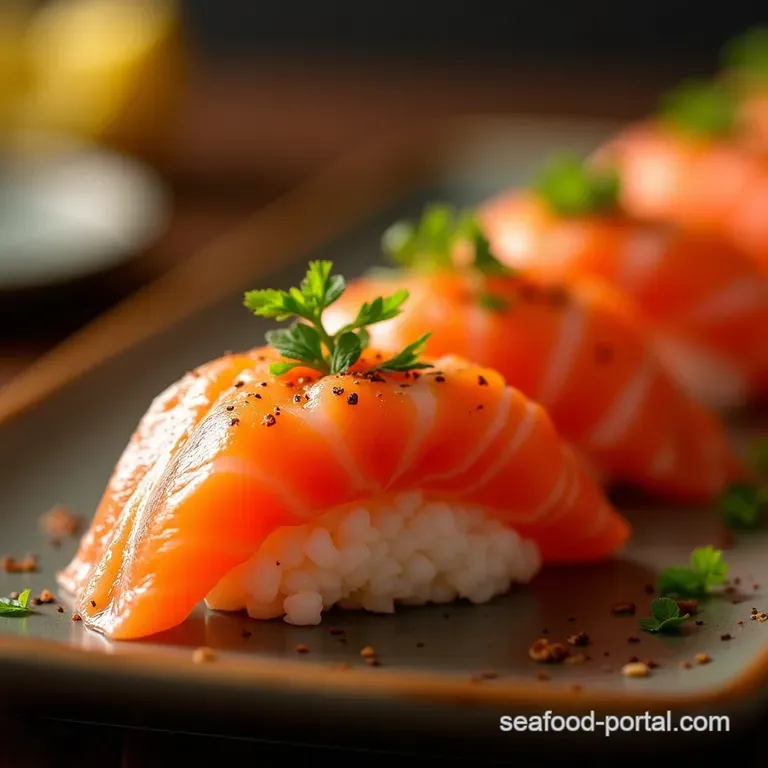
Success in sushi making, especially for a dish as simple as Salmon Nigiri , hinges almost entirely on ingredient quality. Because there are so few elements, there is nowhere for subpar components to hide.
The Non-Negotiable Requirement: Procuring True Sushi Grade Salmon
When purchasing your 6 ounces of salmon fillet, the term "sushi grade" is paramount. This designation, while not federally regulated everywhere, implies the fish has been handled and flash frozen under specific FDA guidelines to eliminate parasites, making it safe for raw consumption.
Ask your fishmonger specifically for skin removed, sashimi quality salmon. Its colour should be vibrant, its fat lines (marbling) distinct, and it must feel firm to the touch. Never use standard supermarket salmon intended for cooking; the risks are too high.
Crafting the Perfect Shari: Rice Seasoning Ratios Detailed
The shari demands precision. For every 1 cup of uncooked short grain sushi rice, you will need approximately 2 Tablespoons of rice vinegar, 1 Tablespoon of granulated sugar, and ½ teaspoon of fine sea salt to create the awasezu . This ratio provides the signature tang.
The method of mixing these elements gently warming them until the solids dissolve and then folding the mixture into hot rice is critical to avoid a mushy, overly sour result.
Selecting the Ideal Cut and Thickness for Your Topping
For the final presentation of your Salmon Nigiri , the slice size dictates mouthfeel. The aim is to cut the 6-ounce fillet into approximately 12 14 pieces. Each slice should be about ¼ inch (6 7mm) thick.
Critically, you must slice against the grain of the fish using a long, decisive motion with your sharpest knife. This technique shortens the muscle fibres, ensuring that signature 'melt-in-your mouth' texture.
Related Recipes Worth Trying
- The 20Minute Wonder Air Fryer Salmon Tacos with Slaw — Get perfectly flaky crispy Air Fryer Salmon Tacos in under 30 minutes Topped with zesty lime slaw this Easy Salmon Tacos recipe is a weeknight winner
- Best Crispy Salmon Tacos with Zesty Lime Slaw 35 Mins — Forget soggy fish These crunchy salmon tacos use Panko for the best texture paired with a vibrant lime slaw A quick healthy weeknight winner
- Sticky Speedy Baked Teriyaki Salmon Recipe Home Cook Hero — Forget the takeaway This easy baked teriyaki salmon recipe delivers succulent fillets with a glossy homemade glaze in under 30 minutes A cracking weeknight meal
Essential Gear for Sushi Assembly
While one can improvise, having the right tools makes the delicate assembly process smoother, significantly improving your chances of achieving that perfect Salmon Nigiri Aesthetic .
Washing, Cooking, and Seasoning the Vinegar Rice Foundation
The journey begins with meticulous washing. You must rinse your 1 cup of short grain rice repeatedly until the water runs almost completely clear this washes away excess starch that leads to gluey rice. Cook this thoroughly rinsed rice using a 1:1 ratio (1 cup rice to about 1 cup plus 2 Tbsp water).
Immediately upon finishing, transfer the hot rice to a wide, shallow wooden or glass bowl. While it is still steaming, evenly pour the pre-mixed, slightly cooled awasezu over the rice.
Temperature Control: Why Rice Must Cool Just Right
This stage separates the amateurs from the artisans. Instead of stirring, you must use a rice paddle ( shamoji ) to gently 'slice' and 'fold' the rice, distributing the seasoning without crushing the grains. Simultaneously, fan the mixture vigorously.
This crucial step cools the rice rapidly, preventing it from becoming gummy while allowing the vinegar mixture to fully absorb. The goal is rice that has reached body temperature warm, not hot, and certainly not cold from the refrigerator before you attempt to shape the Homemade Salmon Nigiri .
The Gentle Hand Technique: Forming the Neta and Shari Union
Before shaping, prepare your tezu (hand water), simply plain water or water lightly spiked with a splash of rice vinegar. This prevents the sticky rice from adhering aggressively to your hands.
Take roughly 1.5 tablespoons of rice the size of a plump grape and gently compress it into an elongated oval. Dab a tiny smear of wasabi onto the fish slice, then gently place the salmon over the rice. Using your index and middle fingers, lightly mould the fish around the rice base.
The pressure must be firm enough to adhere, yet gentle enough that the rice structure remains airy.
Applying the Final Polish: Glazing or Simple Presentation
For the purest expression of Salmon Nigiri , no further adornment is needed beyond presentation alongside pickled ginger ( gari ). However, for a more contemporary flourish, consider a light glaze.
A light brush of high-quality soy sauce can enhance the umami, or for a rich, smoky finish that moves towards aburi style, a very light blowtorch application right before serving works wonders.
Elevating Your Platter: Serving Suggestions and Flavor Boosts
The presentation and accompaniments are the final notes in your Salmon Nigiri Recipe . The minimalist nature of the dish invites pairings that cleanse and complement, rather than overwhelm.
Pairing Recommendations: Wasabi Strength and Soy Sauce Choices
When serving, remember that the wasabi is already subtly placed under the fish; this is meant to be a hint, not a blast. Offer extra wasabi and soy sauce on the side for dipping, but encourage guests to taste the nigiri first as the chef intended.
For soy sauce, opt for a high-quality, low-sodium shoyu . A lighter soy sauce allows the delicate flavour of the salmon to remain front and centre.
Best Practices for Storing Leftover Salmon Nigiri
Truthfully, Salmon Nigiri is best eaten immediately. Raw fish and seasoned rice degrade quickly in flavour and texture when stored. If you absolutely must store leftovers, place them in an airtight container in the coldest part of your refrigerator for no more than 12 hours.
However, understand that the rice will harden significantly, making the texture less pleasant this is a crucial difference compared to leftover cooked food.
Variations on the Classic: Marinating vs. Pure Sashimi Cuts
While this guide focuses on the pure Sashimi Grade Salmon preparation, you can explore variations. Marinating is typically reserved for firmer white fish, but a very brief soak (no more than 5 minutes) of the salmon slices in a light mixture of soy sauce, sesame oil, and a squeeze of citrus can create a tataki effect, adding depth before shaping.
For the purest experience, stick to the simple slice.
Mastering the 'Melt-in-Your Mouth' Sensation: Temperature Secrets
That luxurious texture comes down to temperature juxtaposition. The fish must be kept very cold right up until the moment it touches the slightly warm rice. A good chef’s trick is to keep the sliced salmon on a small bed of crushed ice (covered with plastic wrap) on your counter while you are assembling the rice portions.
This ensures the fish stays firm and cool, maximizing the contrast when it meets the room temperature shari .
Troubleshooting Common Home Sushi Challenges
Even with the best guidance, first attempts at Nigiri vs Sushi assembly can reveal pitfalls.
If your rice crumbles when you try to form the shape, your rice was either undercooked, or you didn't use enough of the vinegar mixture, resulting in dry grains. If the rice is too sticky and dense, you likely muddled or mashed the rice during seasoning instead of using the 'slicing' motion, or you used too much water during cooking.
Finally, if the salmon slides off the rice, you either used too little wasabi as the natural adhesive, or you haven't compressed the rice base firmly enough during Step 9. Practice makes perfect, and every single piece you make moves you closer to that restaurant quality finish, reducing the Salmon Nigiri Calories anxiety and focusing purely on the pleasure of the bite.
Recipe FAQs
What exactly counts as "sushi grade" salmon, and where can I buy it safely?
This is crucial, mate! "Sushi grade" essentially means the salmon has been handled and, most importantly, frozen under specific conditions to kill any parasites. You must buy it from a reputable fishmonger who explicitly sells it for raw consumption.
If you're unsure, don't risk it; using standard supermarket salmon raw is a real health hazard.
My Salmon Nigiri rice keeps falling apart! Am I using too much water or not pressing hard enough?
It’s usually a balance issue rather than just water. The key to successful Salmon Nigiri is the rice’s texture it needs to be sticky but not gummy, which comes from the vinegar seasoning and careful cooling.
Try wetting your hands lightly with the tezu (vinegar water) before shaping, and remember to compress the rice gently; you want it just firm enough to hold its shape, not squashed like a flat cap!
Can I prepare the sushi rice in advance, or does it absolutely have to be made fresh for the Salmon Nigiri?
While you can cook the rice ahead, sushi rice is best used within a few hours of cooking and seasoning. Once it cools completely (especially if refrigerated), it becomes hard and loses its lovely texture.
If you must prep early, wrap the seasoned rice tightly in plastic wrap and let it come to body temperature naturally before shaping.
How do I slice the salmon correctly so it looks professional and doesn't taste stringy?
Slicing is all about technique and a razor sharp knife don't try this with a blunt bread knife! Always slice the cold salmon against the grain at a slight angle, using one long, smooth pull of the blade rather than sawing back and forth.
This action keeps the texture silky smooth, which is non-negotiable for brilliant Salmon Nigiri.
I’m watching my sugar intake. Can I skip the sugar in the vinegar mix (Awasezu) for my Nigiri?
You can certainly try, but the sugar plays a vital role alongside the vinegar and salt in balancing the flavour and slightly tenderising the rice grains. If you must skip it, perhaps substitute it with a micro pinch of zero calorie sweetener, or just accept that your rice might taste slightly sharper than traditional recipes intend.
It’s a small amount per batch, so don't let it stop you from having a go!
Easy Salmon Nigiri Recipe