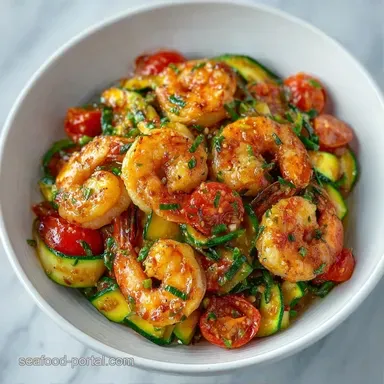
Shrimp Zucchini Sauté: Mediterranean Style
- Time: 10 min prep + 10 min cook
- Flavor/Texture Hook: Blistered tomatoes with snappy shrimp and zesty lemon
- Perfect for: Vibrant Mediterranean gatherings or a low carb dinner
Vibrant Shrimp Zucchini Sauté For Gatherings
Sizzle. That is the only sound you want to hear the second those shrimp hit the hot oil. If you hear a sad, quiet hiss, your pan isn't hot enough, and you're headed for a soggy mess. I remember making this for a dinner party a few years back and thinking I could just toss everything in at once to save time.
I ended up with a bowl of shrimp flavored zucchini soup. It was a disaster, but it taught me exactly how this dish needs to be handled.
Forget the idea that zucchini is just a filler or that it always turns into mush. Most people treat it like a potato, simmering it until it's soft, but that's the wrong move here. This Shrimp Zucchini Sauté is all about the "snap." When you hit the pan with high heat, you sear the outside of the vegetable before the interior can collapse, keeping that fresh, garden crisp texture.
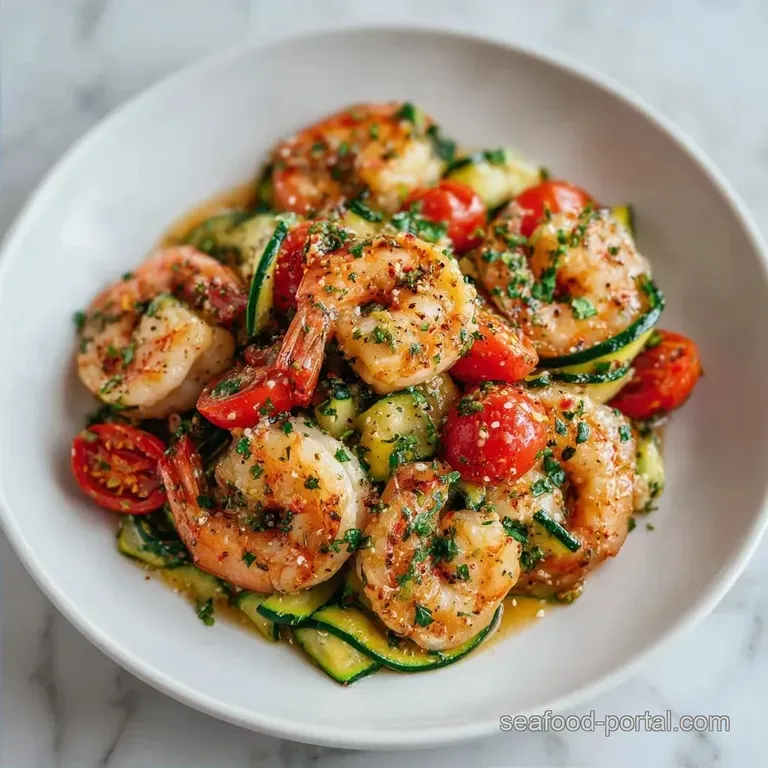
We are aiming for a plate that looks like a Mediterranean summer. The bright red of the blistered cherry tomatoes, the deep green of the parsley, and the golden hue of the seared shrimp create a visual balance that makes the meal feel like an event.
It's a light, shareable plate that doesn't leave you feeling heavy, making it a favorite for guests who want something fresh.
Secret To The Texture
The success of this dish comes down to how we manage moisture and heat. Since zucchini is mostly water, the goal is to minimize the time it spends in the pan.
- Surface Searing
- High heat creates a quick sear on the shrimp and zucchini, which helps keep the juices inside and prevents the pan from filling with liquid.
- Sequential Cooking
- By removing the shrimp before the vegetables go in, we avoid overcooking the protein while giving the zucchini the direct heat it needs.
- Acid Timing
- Adding lemon juice at the very end prevents the acid from "cooking" the shrimp further or breaking down the zucchini's structure too quickly.
| Method | Time | Texture | Best For |
|---|---|---|---|
| Fresh Sauté | 20 min | Snappy & Vibrant | Dinner Parties |
| Frozen Mix | 15 min | Softer & Watery | Quick Lunch |
| Slow Roast | 40 min | Tender & Sweet | Meal Prep |
The Basic Recipe Specs
When you're putting this together, the timing is tight. You only have 10 minutes of active cooking time, so having everything chopped and ready is the only way to go. If you're hunting for the garlic while the shrimp are searing, you'll overcook them in seconds.
For those who prefer a specific bite, I recommend slicing the zucchini into thin half moons. Spirals are fun, but half moons provide a more consistent sear and a better "chew" that holds up against the plump shrimp. According to Serious Eats, drying your protein thoroughly is the most important step for a proper sear, as moisture on the surface creates steam instead of a crust.
Your Essential Ingredient List
Stick to these quantities to keep the pan from overcrowding. If you pack the skillet too tight, the temperature drops, and the zucchini will steam instead of sauté.
The Protein
- 1 lb large shrimp, peeled and deveined Why this? Large shrimp hold their shape better during a quick sear
- Substitute: Scallops (use the same timing)
The Fresh Produce
- 3 medium zucchini, spiralized or sliced into thin half moons Why this? Half moons offer a better texture contrast
- Substitute: Yellow squash for more color
- 1 cup cherry tomatoes, halved Why this? They burst to create a natural sauce
- Substitute: Grape tomatoes
- 4 cloves garlic, minced Why this? Fresh garlic provides a sharp, aromatic base
- Substitute: 1 tsp garlic powder (though fresh is better)
- 1/4 cup fresh parsley, chopped Why this? Adds a grassy, fresh finish
- Substitute: Fresh basil
The Pantry Staples
- 1 lemon, juiced and zested Why this? Zest provides the aroma, juice provides the tang
- Substitute: Lime for a twist
- 2 tbsp extra virgin olive oil Why this? High smoke point and Mediterranean flavor
- Substitute: Avocado oil
- 1 tbsp unsalted butter Why this? Adds a velvety richness to the pan glaze
- Substitute: Ghee or vegan butter
- 1/2 tsp salt Why this? Essential for drawing out vegetable flavor
- 1/4 tsp black pepper Why this? Adds a subtle warmth
- 1/2 tsp dried oregano Why this? Earthy note that ties the Mediterranean vibe together
- Substitute: Dried thyme
| Ingredient | Science Role | Pro Secret |
|---|---|---|
| Lemon Zest | Aromatics | Rub zest into the salt for deeper flavor |
| Butter | Emulsifier | Add at the end for a glossy finish |
| Cherry Tomatoes | Acid/Liquid | Don't overcook or they lose their shape |
Necessary Kitchen Gear
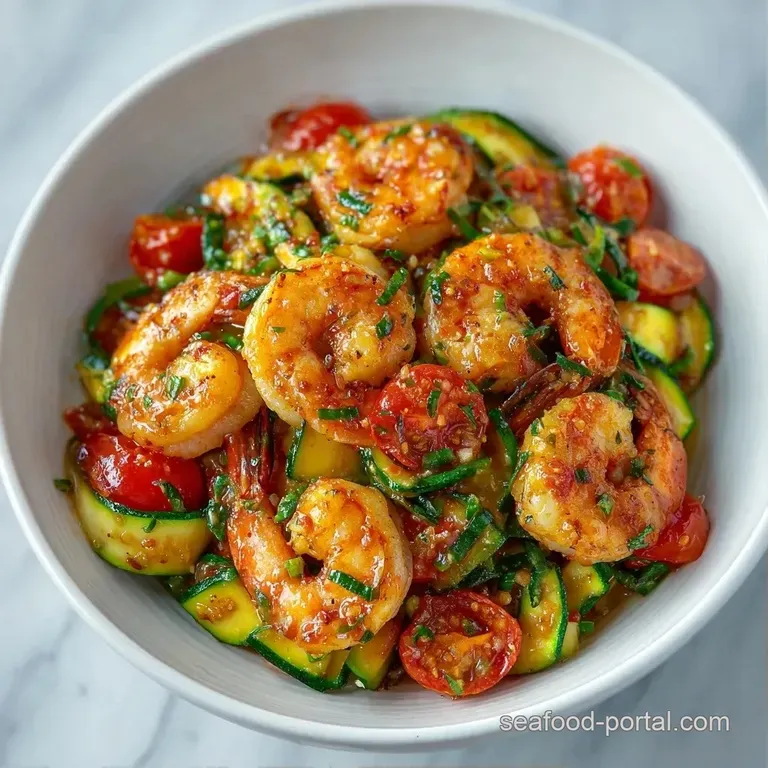
You don't need a fancy setup, but the pan choice is non negotiable. Use a 12 inch stainless steel or cast iron skillet. Non stick is okay, but you won't get that deep golden brown on the shrimp that gives this recipe its character.
I also suggest using a wide spatula. You want to be able to flip the shrimp quickly without crowding the pan. If you're using a spiralizer for the zucchini, make sure to pat the noodles dry with a clean kitchen towel before they hit the heat.
Step by step Method
Follow these steps exactly. The timing here is designed to ensure that nothing gets mushy or rubbery.
- Prep the produce. Spiralize your zucchini or cut into thin half moons. Pat the shrimp dry with paper towels. Note: Dry shrimp sear faster
- Heat olive oil in a 12 inch skillet over medium high heat.
- Add shrimp in a single layer. Cook 2 minutes per side until golden and opaque.
- Remove shrimp from the pan and set aside on a plate. Note: This prevents rubbery shrimp
- Melt butter in the same pan. Stir in minced garlic and dried oregano, sautéing 30 seconds until fragrant.
- Add halved cherry tomatoes. Cook 2-3 minutes until they begin to soften and blister.
- Add zucchini. Sauté 2-3 minutes until softened but still retaining a snap.
- Return shrimp to the pan.
- Stir in lemon juice, lemon zest, and chopped parsley.
- Toss for 60 seconds until everything is glazed in the pan juices.
Fixing Common Cooking Issues
Most mistakes with this Shrimp Zucchini Sauté happen because of temperature control or crowding. If the pan is too full, the vegetables will boil in their own juices rather than searing.
Why Your Zucchini is Soggy
This usually happens because the heat was too low or the zucchini was added too early. When zucchini sits in a lukewarm pan, the cell walls break down and leak water. To fix this, ensure the oil is shimmering before the vegetables go in.
To Avoid Rubbery Shrimp
Shrimp cook incredibly fast. If they stay in the pan while the vegetables are cooking, they'll shrink and become tough. Always remove them after the first sear. If you're unsure, check out my Garlic Shrimp Scampi for more tips on achieving a tender shrimp texture.
For a Natural Pan Glaze
If your pan looks dry, don't just add more oil. The combination of butter, lemon juice, and the liquid from the bursting tomatoes creates a velvety sauce. If it's too thick, a teaspoon of water or white wine will loosen it up.
| Problem | Root Cause | Solution |
|---|---|---|
| Watery Pan | Pan too crowded | Cook in two batches |
| Burnt Garlic | Heat too high | Add garlic just before tomatoes |
| Bland Taste | Under salted | Add a pinch of salt during the final toss |
Common Mistakes Checklist
- ✓ Pat shrimp dry with paper towels
- ✓ Use a wide skillet to avoid crowding
- ✓ Remove shrimp before adding zucchini
- ✓ Add lemon juice at the very end
- ✓ Sauté zucchini for no more than 3 minutes
Fresh Flavor Twists
This dish is a great canvas for different Mediterranean accents. If you want a more hearty version, you can toss in some chickpeas or sliced kalamata olives during the last minute of cooking.
For a spicy kick, add a pinch of red pepper flakes when you sauté the garlic. If you're looking for a creamier feel, a tablespoon of feta cheese crumbled over the top right before serving adds a salty, tangy punch.
For those wanting a different protein, this same method works beautifully with scallops or chunks of firm white fish.
Storing Your Leftovers
The Shrimp Zucchini Sauté is best eaten fresh, but it keeps reasonably well. Store any leftovers in an airtight container in the fridge for up to 2 days.
Reheating Tips: Avoid the microwave if possible, as it will turn the zucchini into mush. Instead, heat a small amount of olive oil in a pan over medium heat and toss the leftovers in for 2-3 minutes just until warmed through.
Zero Waste Ideas: Don't throw away the zucchini ends or the lemon peels. You can freeze the zucchini scraps in a bag to use for homemade vegetable stock later. The lemon peels can be dried and used as a garnish for other Mediterranean dishes or infused into olive oil.
Best Ways To Serve
To keep the color balance, serve this on a wide, shallow platter. The vibrant red and green contrast looks stunning against a white plate.
For a full meal, I love serving this over a bed of quinoa or with a side of crusty sourdough bread to soak up the lemon butter sauce. If you want something even more indulgent, this pairs nicely with a side of Baked Chicken Fettuccine for a massive seafood and pasta feast.
Right then, you've got everything you need to nail this Shrimp Zucchini Sauté. Just remember: keep the heat high, the timing tight, and the lemon fresh. Trust me, once you see those tomatoes blister and smell that garlic butter, you'll never go back to the "everything in-one pot" method. Happy cooking!
Recipe FAQs
How to saute shrimp?
Heat olive oil in a 12-inch skillet over medium-high heat. Add shrimp in a single layer and cook for 10 minutes per side until they are golden and opaque.
How to make garlic butter sauce for shrimp?
Melt butter in the same pan used for the shrimp. Stir in minced garlic and dried oregano for 30 seconds, then add cherry tomatoes and cook until they blister.
What sauce can I cook on the frying pan with shrimp?
A lemon-garlic butter glaze is the best choice. Use the pan juices from the seared shrimp combined with lemon juice, zest, and fresh parsley to create a light coating.
How can cooked shrimp be used up if there are leftovers?
Reheat them in a skillet over medium heat. Toss with a small amount of olive oil for 2-3 minutes to avoid the rubbery texture caused by microwave reheating.
What are the best dishes served alongside shrimp?
Fresh greens or crusty bread pair perfectly. If you enjoy this buttery profile, you will love the technique used in our shrimp scampi.
How to marinate shrimp to enhance its flavor before stir-frying?
Skip the long marinade for this recipe. Pat the shrimp dry and season with salt and pepper immediately before cooking to ensure a proper sear.
Is it true that zucchini always becomes mushy when sautéed?
No, this is a common misconception. Sauté the zucchini for only 2-3 minutes so it softens while still retaining a snap.
Shrimp Zucchini Sauté in 15 Minutes