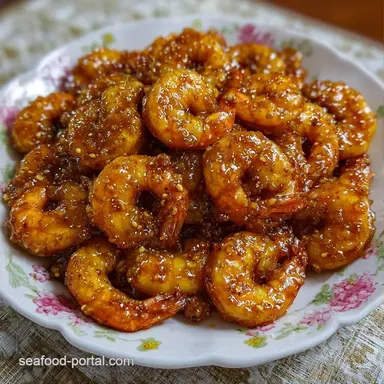
Healthy Shrimp Stir Fry: Crisp and Vibrant
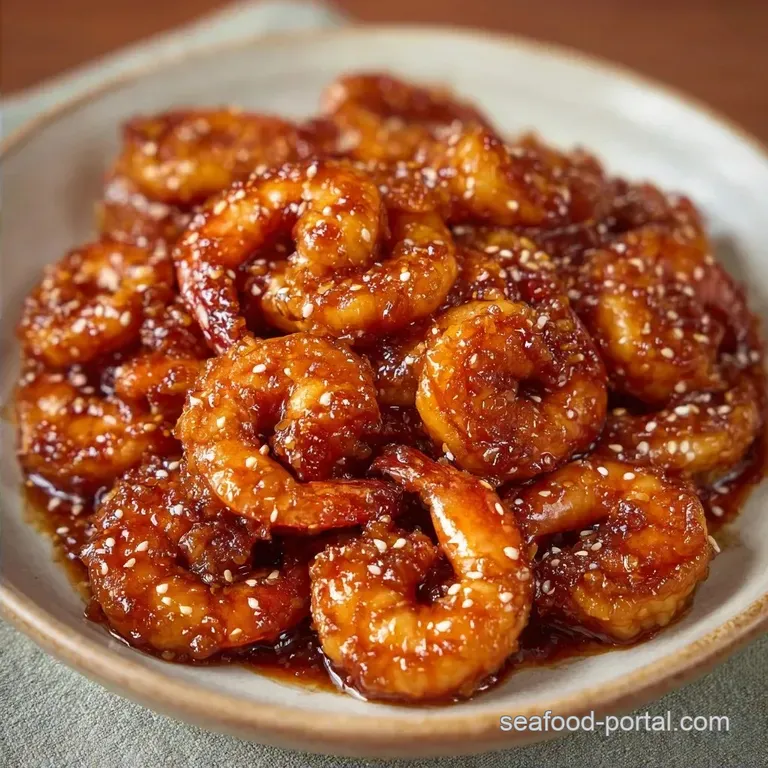
- Time: 15 min prep + 15 min cook
- Flavor/Texture Hook: Vibrant, glossy glaze with a snap in every bite
- Perfect for: A 30 minute weeknight dinner that actually feels fresh
- Stop Overcooking Your Shrimp
- The Sizzle Logic
- Component Analysis
- The Right Gear for High Heat
- Step-by-Step Healthy Shrimp Stir Fry Guide
- Fixing Common Stir Fry Mishaps
- Troubleshooting Common Issues
- Twists for Different Diets
- Adjusting Your Batch Size
- Stir Fry Misconceptions
- Storage and Prep Shortcuts
- Best Sides and Pairings
- Recipe FAQs
- 📝 Recipe Card
The scent of toasted sesame oil hitting a hot pan is a total trigger for me. It's that nutty, deep aroma that immediately tells you dinner is going to be bold. But for a long time, my stir fries were a mess.
I'd throw everything in at once, and by the time the carrots were soft, the shrimp had turned into rubbery little pencil erasers and the broccoli was a mushy, olive green pile.
It's a common trap. People treat a stir fry like a stew, letting everything simmer together. But the secret to a Healthy Shrimp Stir Fry is speed and sequence. You need the pan screaming hot and the ingredients moving constantly.
This recipe fixes those issues. We're talking about shrimp that are just opaque and snappy, and vegetables that still have a bright, fresh crunch. It's a street style approach that keeps the calories low but the flavor loud.
Stop Overcooking Your Shrimp
The biggest fail in any Healthy Shrimp Stir Fry is the texture of the protein. Shrimp cook in a blink. If you leave them in the pan while you're still softening the carrots, you've already lost. The trick I learned is the "sear and remove" method.
You hit them hard and fast, take them out of the equation, and only bring them back at the very last second to glaze.
Another hurdle is the "watery pan" problem. This happens when you crowd the skillet. When too much cold food hits the pan, the temperature drops, and the meat starts releasing juices. Instead of searing, you're boiling. By working in stages and using a high smoke-point oil, we keep the heat high and the moisture low.
This version of a Healthy Shrimp Stir Fry balances the salt of the soy sauce with the brightness of rice vinegar and a touch of honey. It's not a heavy, syrupy sauce like you find in some takeout spots, but a light, glossy coating that lets the ginger and garlic shine through.
The Sizzle Logic
Why does this specific method work? It comes down to how heat interacts with different densities of food.
The Temperature Gap: Shrimp and snap peas cook in seconds, while carrots and broccoli need a few minutes. By separating them, we ensure nothing is overcooked.
Surface Moisture: Patting shrimp dry is non negotiable. Water on the surface of the meat turns to steam, which prevents that golden brown sear.
The Cornstarch Bind: Cornstarch doesn't just thicken; it creates a suspension. It holds the honey and soy sauce together so they cling to the food instead of pooling at the bottom of the bowl.
Aroma Activation: Adding ginger and garlic to the sauce rather than frying them alone prevents the garlic from burning, which would make the whole dish bitter.
| Method | Prep Time | Texture | Best For |
|---|---|---|---|
| Fast (This Recipe) | 15 mins | Crisp & Snappy | Weeknights / Freshness |
| Classic (Slow Braise) | 40 mins | Soft & Infused | Comfort / Meal Prep |
| Steam-Sauté | 20 mins | Tender | Low Oil / Diet Focus |
Component Analysis
Knowing why an ingredient is there helps you tweak the recipe without breaking it. For example, if you're looking for a different seafood profile, you might use a creamy dill sauce for a different dish, but here, we need acidity and salt.
| Ingredient | Science Role | Pro Secret |
|---|---|---|
| Cornstarch | Thickener | Mix it cold to avoid lumps |
| Rice Vinegar | Acid Balance | Cuts through the honey's sweetness |
| Avocado Oil | over High heat Medium | Doesn't smoke at high stir fry temps |
| Ginger | Aromatic Base | Grate it fresh for a sharper bite |
The Right Gear for High Heat
You don't need a professional kitchen, but the pan matters. A wok is the gold standard because the sloped sides allow you to toss food easily. However, a large cast iron skillet is a fantastic alternative. It holds heat much better than a thin non stick pan, which is vital for that sear.
If you use a non stick pan, be careful with the heat. Most non stick coatings start to break down or release fumes if they get too hot. This is why avocado oil is my go to; it has a very high smoke point, meaning it won't burn while you're trying to get those vegetables to sizzle.
For the prep, a sharp chef's knife is your best friend. The goal is uniform cuts. If one carrot slice is thick and another is paper thin, they'll cook at different rates, and you'll end up with a mix of raw and mushy bits.
Step-by-step Healthy Shrimp Stir Fry Guide
Right then, let's get into the actual cooking. Make sure everything is chopped and measured before you turn on the stove. Once the oil is shimmering, things move fast.
1. The Sauce Prep
Whisk together the low sodium soy sauce, honey, rice vinegar, toasted sesame oil, cornstarch, grated ginger, and minced garlic in a small bowl. Stir until the cornstarch is fully dissolved. Note: If the cornstarch settles, give it a quick whisk right before pouring it into the pan.
2. Organize the Veg
Chop all your vegetables. Put the carrots and broccoli in one pile (the "hard" group) and the bell peppers and snap peas in another (the "soft" group). This keeps you from scrambling during the cook.
3. Heat the Pan
Heat 1 tablespoon of avocado oil in a wok or large cast iron skillet over medium high heat. Wait until the oil is shimmering but not smoking.
4. The Protein Sear
Pat the shrimp dry with a paper towel. Season with salt and pepper. Add them to the pan in a single layer. Cook 1-2 minutes per side until they turn opaque and pink. Move them to a plate immediately.
5. Sauté the Hard Veg
Add the remaining 1 tablespoon of avocado oil to the same pan. Toss in the carrots and broccoli. Stir fry for about 3 minutes until the broccoli turns bright green.
6. Add the Soft Veg
Throw in the bell peppers, snap peas, and the white parts of the green onions. Keep them moving for 2-3 minutes until they are crisp tender.
7. The Reunion
Return the seared shrimp to the pan. The heat from the vegetables will warm the shrimp back up without overcooking them.
8. The Final Glaze
Pour the sauce over everything. Stir fry for another 1-2 minutes. You'll see the sauce bubble and turn from a cloudy liquid into a glossy glaze that coats everything.
9. The Garnish
Remove from heat and scatter the green parts of the sliced green onions over the top. Serve it while it's still sizzling.
Fixing Common Stir Fry Mishaps
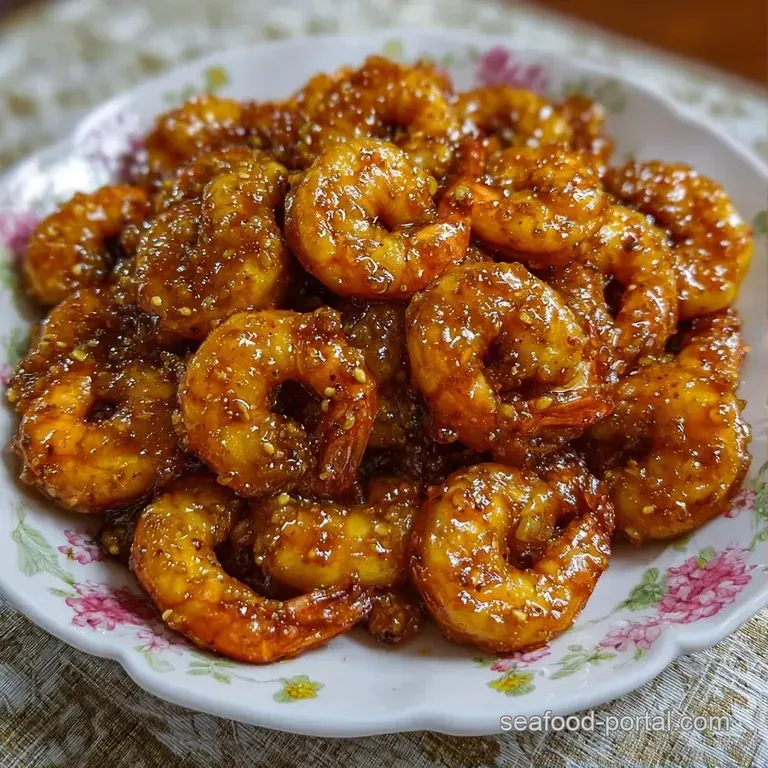
Even with a plan, things can go sideways. Usually, it's a matter of temperature or timing.
Troubleshooting Common Issues
| Issue | Solution |
|---|---|
| Sauce watery | This usually happens if the pan wasn't hot enough or if you added too many vegetables, which release water. |
| Why are my shrimp rubbery | You've overcooked them. Shrimp are done the second they form a "C" shape. If they curl into a tight "O", they're overdone. Use the sear and remove method to avoid this. |
| Why are my vegetables mushy | You likely cooked them for too long or crowded the pan. When vegetables are packed too tightly, they steam instead of fry. Work in batches if your pan is small. |
Common Mistakes Checklist:
- ✓ Did I pat the shrimp dry?
- ✓ Are the vegetables cut to a similar size?
- ✓ Is the oil shimmering before I add the food?
- ✓ Did I remove the shrimp before adding the vegetables?
- ✓ Did I whisk the sauce right before pouring?
Twists for Different Diets
One of the best things about a Healthy Shrimp Stir Fry is how easy it is to swap ingredients to fit your needs without losing the bold flavor.
Healthy Shrimp Stir Fry with Cauliflower Rice (Low Carb/Keto)
Instead of serving this over white rice, use cauliflower rice. Sauté the cauliflower rice separately with a bit of salt and pepper, then scoop the stir fry right on top. It keeps the carb count low while maintaining the volume of the meal.
Healthy Shrimp Stir Fry with Noodles (Hearty Version)
For those who need more energy, toss in some cooked brown rice noodles or soba noodles during the final glaze step. If the sauce gets too thick with the noodles, add a splash of water or extra soy sauce to loosen it up. If you enjoy these types of glazes, you might also like a homemade sushi sauce for other seafood bowls.
The Spicy Twist (Sriracha Version)
If you want a kick, add 1 tablespoon of Sriracha or chili garlic sauce to the whisked sauce mixture. For an extra layer of heat, garnish with sliced red fresno chilies or a drizzle of chili oil.
Vegan Friendly Swap
Replace the shrimp with extra firm tofu. Press the tofu for 20 minutes to remove water, cube it, and sear it exactly like the shrimp. Use coconut aminos instead of soy sauce for a soy free option.
Adjusting Your Batch Size
Scaling a stir fry isn't as simple as doubling the ingredients. The physics of the pan change when you add more volume.
Scaling Down (1/2 Batch) Use a smaller skillet to keep the heat concentrated. Reduce the cooking time for vegetables by about 20% since there's less mass to heat up. Be careful with the cornstarch; it's easier to add a pinch more at the end than to fix a gluey sauce.
Scaling Up (2x-4x Batch) This is where most people fail. Do NOT try to cook 4 lbs of shrimp in one pan. You will end up with a shrimp boil, not a stir fry. Work in batches. Sear the shrimp in two or three goes, then cook the vegetables in batches.
Combine everything in a large bowl or a very large pot for the final glazing step.
Liquid Adjustments When doubling, don't double the salt or the sesame oil exactly. Start with 1.5x the amount of salt and sesame oil, then taste and adjust. Liquids like soy sauce and vinegar can be doubled, but cornstarch should be scaled precisely to maintain the same thickness.
| If you want... | Do this... | Impact |
|---|---|---|
| More Crunch | Reduce veg cook time by 1 min | Fresher, raw edge texture |
| Thicker Glaze | Add 1/2 tsp more cornstarch | Heavier coating on shrimp |
| Less Salt | Swap soy for coconut aminos | Milder, slightly sweeter |
Stir Fry Misconceptions
There are a few things people tell you about stir frying that just aren't true in a home kitchen.
"You must use a wok" While woks are great, any heavy bottomed pan that can handle high heat works. A cast iron skillet actually mimics the heat retention of a professional carbon steel wok quite well.
"Searing 'seals' the juices" Searing doesn't lock moisture inside the shrimp. It creates flavor through browning. The reason we sear and remove is to prevent the shrimp from overcooking while the vegetables catch up.
"Frozen shrimp can't be used" Frozen shrimp are fine, but they must be fully thawed and then dried aggressively. If you put frozen shrimp in a hot pan, the temperature will plummet, and you'll get boiled shrimp.
Storage and Prep Shortcuts
If you're using this Healthy Shrimp Stir Fry for meal prep, you have to be strategic. Shrimp can get rubbery when microwaved.
Storage Guidelines Store the leftovers in an airtight container in the fridge for up to 3 days. If you're prepping for the week, I recommend undercooking the vegetables slightly. When you reheat them, they'll finish cooking rather than becoming mush.
Reheating Tips Avoid the microwave if you can. Toss the leftovers back into a hot skillet for 2-3 minutes. If you must use a microwave, use medium power and heat in short bursts, stirring in between to avoid hot spots.
Freezing I don't recommend freezing this dish. The vegetables lose their structure and the sauce can separate, leaving you with a watery mess. It's best enjoyed fresh or from the fridge.
Zero Waste Tips Don't throw away the shrimp shells if you bought them head on or shell on. Roast the shells in the oven for 10 minutes, then simmer them with a bit of onion and carrot to make a quick seafood stock. You can use this stock as a base for a risotto or a seafood soup.
Also, save the stems of the green onions; chop them finely and add them to the "hard veg" group for extra depth.
Best Sides and Pairings
While this Healthy Shrimp Stir Fry is a complete meal with the vegetables, some sides make it feel more like a feast.
The Grain Base Brown rice is the classic choice, but quinoa adds a nice nutty flavor and extra protein. For something lighter, serve it over a bed of steamed baby spinach or sautéed kale. If you're in the mood for something more indulgent, a side of baked scallops with white wine citrus basil makes for an impressive seafood spread.
Fresh Additions A side of smashed cucumber salad with rice vinegar and chili flakes provides a cool contrast to the hot, savory stir fry. You can also top the dish with toasted sesame seeds or crushed peanuts for an extra layer of texture.
Drink Pairings A crisp, cold glass of Riesling or a light lager cuts through the richness of the sesame oil and the sweetness of the honey. For a non alcoholic option, a sparkling water with a squeeze of lime and a slice of fresh ginger mirrors the flavors in the pan.
Recipe FAQs
Is shrimp a good choice for weight loss?
Yes, it is an excellent lean protein. With only 263 kcal per serving, it provides high satiety without adding excessive calories to your diet.
Is stir-fried shrimp good for someone with hypertension?
Yes, provided you control the sodium. Using the low-sodium soy sauce specified in this recipe helps keep the dish heart-friendly.
What is the healthiest way to cook shrimp for a stir fry?
Sear them quickly in avocado oil. This method uses a high-smoke-point healthy fat and prevents the shrimp from overcooking and becoming rubbery.
How can I use up leftover cooked shrimp?
Toss them back into a hot skillet for 2-3 minutes. Avoiding the microwave prevents the protein from toughening, keeping the texture tender.
What sauce works best for frying shrimp in a pan?
Whisk low-sodium soy sauce, honey, rice vinegar, and cornstarch. This combination creates a glossy glaze that clings to the shrimp and vegetables.
What are the best dishes to serve alongside this stir fry?
Serve it over steamed brown rice or quinoa. If you enjoyed mastering the sear here, see how the same principle works in our shrimp lo mein.
Is it true that shrimp must be cooked until they curl into a tight "O" shape?
No, this is a common misconception. Shrimp are perfectly done when they form a "C" shape; curling into a tight "O" indicates they are overcooked.
Healthy Shrimp Stir Fry in 30 Minutes