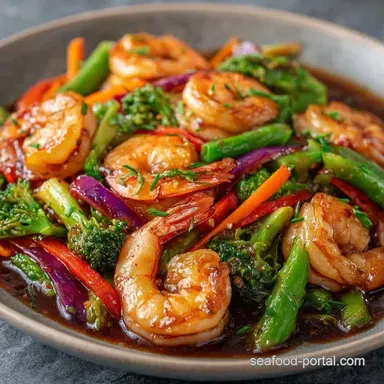
Cantonese Shrimp Vegetables: Silky and Tender
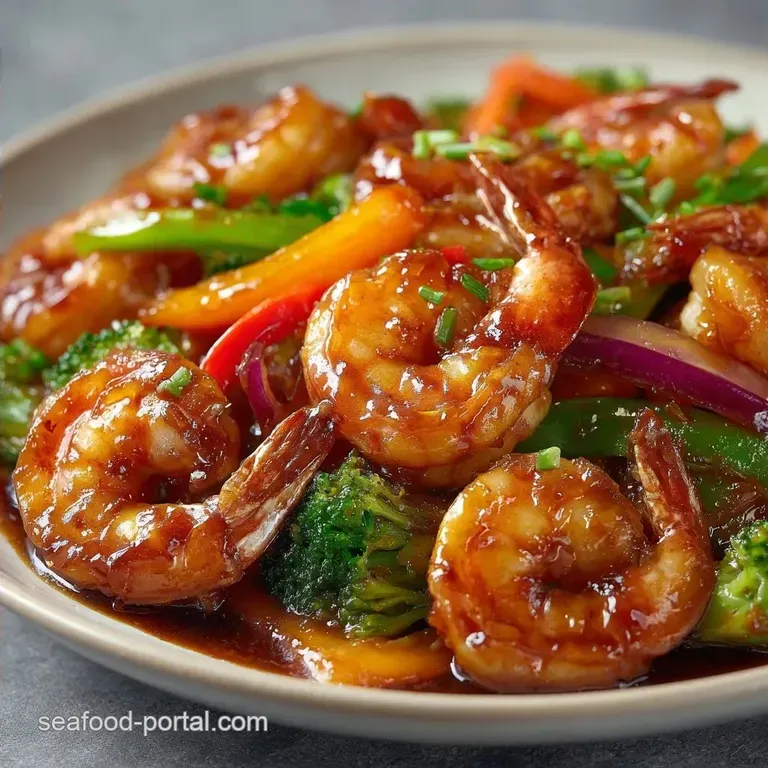
- Time: 15 min active + 10 min cook (40 min total)
- Flavor/Texture Hook: Silky, tender shrimp with a shatter crisp vegetable bite
- Perfect for: Fast weeknight dinners or a healthy, vibrant meal prep
- Easy Cantonese Shrimp Vegetables
- Why This Version Wins
- Component Breakdown
- Gear For The Job
- The Step By Step
- Fixes For Common Fails
- Troubleshooting Common Issues
- Flavor Twists
- Scaling For More People
- Kitchen Myths Debunked
- Storage and Zero Waste
- Best Ways To Serve
- Very High in Sodium
- Recipe FAQs
- 📝 Recipe Card
The high pitched sizzle of a hot wok is the sound of success in a Chinese kitchen. But for a long time, my version of this sounded more like a sad, wet bubbling. I used to just toss shrimp and broccoli into a pan together, hoping for the best, only to end up with shrimp that had the texture of bouncing erasers and broccoli that looked like it had been boiled in a swamp.
It was gray, limp, and honestly, pretty depressing.
The problem wasn't my heat or my pan. It was the lack of a barrier between the protein and the fire. I was treating the shrimp like a steak, when they actually need a protective shield to stay tender. Once I learned the trick of velveting, everything changed.
This recipe for Cantonese Shrimp Vegetables is the direct answer to those rubbery failures. We are going to use a quick marinade to lock in the juices and a specific sauce sequence to get that translucent, velvety glow you see in high end eateries.
You can expect a dish that hits the contrast of bright, snap fresh greens and tender, succulent seafood.
Easy Cantonese Shrimp Vegetables
The magic of Cantonese Shrimp Vegetables lies in the balance. You have the savory depth of oyster sauce, the aromatic punch of ginger and garlic, and the clean sweetness of fresh snow peas and carrots.
It is a dish that feels light but tastes bold, making it a staple for anyone who wants street style flavor without the takeout grease.
I remember the first time I actually got the glaze right. The sauce didn't just sit on top of the food, it wrapped around every piece of broccoli like a silky blanket. That is the goal here. We aren't making a soup, and we aren't making a dry fry.
We are looking for a shimmering coating that lets the natural color of the vegetables pop.
If you are new to stir frying, don't let the "high heat" part scare you. It is actually faster and easier than slow cooking. The key is having everything chopped and ready before you even touch the stove. Once the oil shimmers, the clock starts, and things move quickly.
Why This Version Wins
The secret to why this particular approach to Cantonese Shrimp Vegetables works is all about managing moisture and protein structure.
- Protein Shielding: The egg white and cornstarch create a thin film around the shrimp, preventing them from overcooking and toughening up.
- Starch Gelatinization: Using a cornstarch slurry in the sauce allows it to thicken instantly when it hits the heat, creating that glossy look.
- Sequential Cooking: Searing the shrimp first and removing them prevents the vegetables from steaming the seafood into a rubbery mess.
- Aromatic Infusion: Frying ginger and garlic in oil first flavors the entire fat base, ensuring every bite of the Cantonese Shrimp Vegetables tastes vibrant.
| Fresh Ingredients | Shortcut Options | Impact | Savings |
|---|---|---|---|
| Fresh Ginger Root | Ginger Paste | Lacks punchy zing | 2 mins prep |
| Fresh Broccoli | Frozen Florets | Much softer texture | $1.00 |
| Shaoxing Wine | Dry Sherry | Very similar taste | $3.00 |
Component Breakdown
Understanding what each ingredient does helps you tweak the recipe without breaking it. In Cantonese Shrimp Vegetables, every part of the marinade and sauce has a specific job.
| Ingredient | Science Role | Pro Secret |
|---|---|---|
| Egg White | Protein Barrier | Keeps shrimp velvety and white |
| Cornstarch | Thickener/Binder | Creates the "glaze" effect |
| Shaoxing Wine | Acid/Aroma | Cuts through the salt of oyster sauce |
| Oyster Sauce | Umami Base | Adds the characteristic deep savory note |
Gear For The Job
You don't need a professional kitchen to make great Cantonese Shrimp Vegetables, but the right pan helps. A carbon steel wok is the gold standard because it distributes heat unevenly on purpose, allowing you to sear in the center and move things to the sides.
If you don't have a wok, a large cast iron skillet is a fantastic alternative. It holds heat incredibly well, which is essential for getting those vegetables to sear rather than steam. Avoid non stick pans if possible, as they often can't handle the extreme heat needed for a true stir fry.
A sturdy spatula or a wok turner is also a must. You will be tossing ingredients rapidly, and you need something that can scrape the bottom of the pan without scratching it. Finally, make sure you have a small bowl for your sauce mixture, as you won't have time to whisk it while the pan is screaming hot.
The step by step
Let's get into it. Remember to have all your vegetables chopped and your sauce whisked before you start.
Phase 1: The Prep & Marination
Toss the 1 lb of peeled and deveined shrimp with 1 tbsp Shaoxing rice wine, 1 tsp cornstarch, 1 small beaten egg white, and 1/4 tsp salt. Mix it well and let it sit for 10 to 15 minutes. Note: This is the velveting process that ensures the shrimp stay tender.
In a small bowl, whisk together 1/2 cup low sodium chicken broth, 1 tbsp cornstarch, 1 tbsp oyster sauce, 1 tsp sugar, 1 tsp sesame oil, and 1/4 tsp white pepper. Stir until the cornstarch is completely dissolved. Note: Dissolving the starch now prevents clumps in your final Cantonese Shrimp Vegetables.
Phase 2: The over High heat Sear
Heat 1 tbsp of vegetable oil in your wok or skillet over high heat. Wait until the oil is shimmering and just starting to wisps of smoke.
Add the shrimp in a single layer. Sear for 1 to 2 minutes per side until they are opaque pink and just curled. Remove the shrimp immediately and put them on a plate. Note: If you leave them in, they will overcook while the veggies fry.
Phase 3: The Vegetable Flash Fry
Add the remaining 1 tbsp of oil to the same pan. Toss in 3 cloves of minced garlic and 1 tbsp of minced ginger. Stir fry for 30 seconds until they smell fragrant but haven't browned.
Add 2 cups of broccoli, 1 cup of sliced carrots, 1 cup of snow peas, and 1/2 cup of water chestnuts. Stir fry on high heat for 3 to 5 minutes until the vegetables are bright in color and crisp tender.
Phase 4: The Final Glaze
Return the seared shrimp to the pan. Pour in the whisked white sauce mixture. Toss rapidly for 1 to 2 minutes until the sauce thickens into a translucent glaze.
Stir in 2 stalks of sliced green onions and remove from heat immediately. The residual heat will finish the onions without wilting them.
Fixes For Common Fails
Even experienced cooks hit a snag with Cantonese Shrimp Vegetables. Usually, it comes down to heat management or timing.
Troubleshooting Common Issues
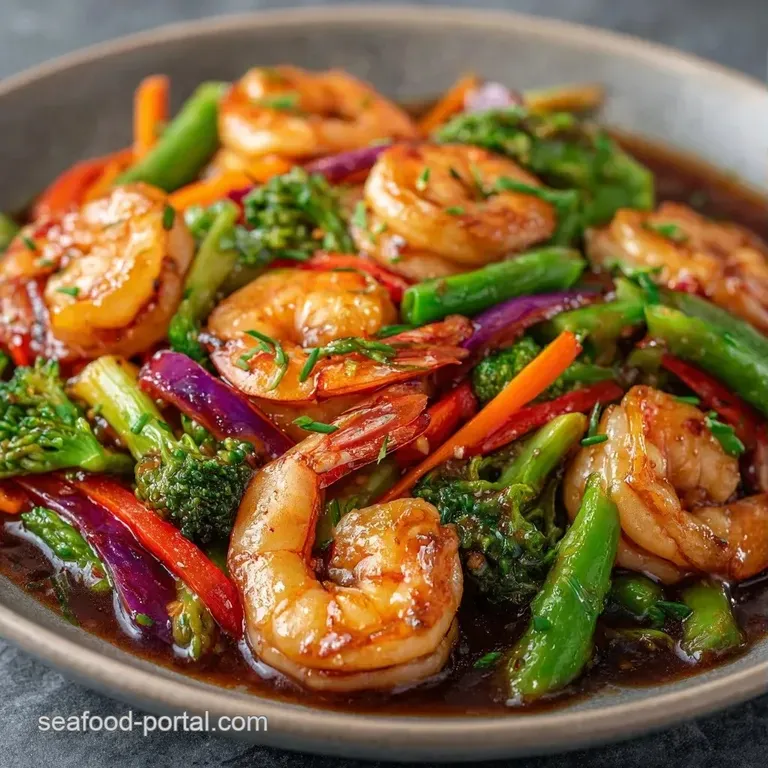
| Issue | Solution |
|---|---|
| Why Your Shrimp Get Rubbery | This usually happens because the shrimp were cooked for too long or crowded in the pan. |
| Why Your Sauce Is Too Thin | If your sauce looks like water instead of a glaze, it usually means the cornstarch wasn't fully dissolved or the pan wasn't hot enough. |
| Why Your Veggies Are Mushy | Mushy vegetables are a sign of "steaming" rather than "frying." This happens if you use too much oil or too many vegetables at once. High heat is the only way to keep that snap. |
Common Mistakes Checklist
- ✓ Don't skip the egg white in the marinade.
- ✓ Don't add the shrimp back in too early.
- ✓ Don't stir the vegetables too slowly.
- ✓ Don't use a over low heat setting for the final glaze.
- ✓ Don't overcook the garlic, or it will taste bitter.
Flavor Twists
If you want to move away from the traditional profile of Cantonese Shrimp Vegetables, there are plenty of ways to pivot. You can lean into a spicier profile by adding a teaspoon of sambal oelek or sriracha to the sauce. This adds a vibrant kick that cuts through the sweetness of the carrots.
For a more earthy tone, try swapping the chicken broth for a mushroom based broth. This deepens the umami and makes the dish feel a bit more rustic. If you are craving more noodles, you can serve this alongside a Shrimp Lo Mein recipe for a full blown feast.
You can also change the vegetable mix based on what is in your fridge. Bok choy and snap peas work beautifully here. Just remember that water heavy vegetables like bok choy should be added last so they don't release too much liquid into your Cantonese Shrimp Vegetables.
Diet Swaps
- Low Sodium: Replace oyster sauce with a mushroom based vegetarian stir fry sauce.
- Corn Free: Use arrowroot powder instead of cornstarch for the slurry.
- gluten-free: Ensure your oyster sauce is certified gluten-free or use tamari.
Scaling For More People
Adjusting Cantonese Shrimp Vegetables for a crowd requires a change in technique, not just a change in measurements.
Scaling Down (½ Batch) Use a smaller skillet to keep the heat concentrated. Reduce the cooking time for the vegetables by about 20%, as a smaller volume heats through faster. If the recipe calls for half an egg white, beat one egg white in a cup and measure out a tablespoon.
Scaling Up (2x-4x Batch) This is where most people fail. If you put 4 lbs of shrimp in a home wok, the temperature will plummet and you will get boiled shrimp. You must work in batches. Sear the shrimp in three separate turns, removing them each time.
For the sauce, don't simply quadruple the salt and oyster sauce. Increase the aromatics and liquids fully, but bring the salt and sugar up to only 1.5x or 2x first. Taste the glaze at the end and adjust. This prevents the dish from becoming an salt bomb. For the best results with over high heat cooking, refer to the techniques on Serious Eats regarding wok hei and pan temperature.
| Batch Size | Shrimp Method | Sauce Adjustment | Veggie Method |
|---|---|---|---|
| Single (1lb) | Single layer | Standard | All at once |
| Double (2lb) | Two batches | 1.8x salt/sugar | Two batches |
| Quad (4lb) | Four batches | 2.5x salt/sugar | Three batches |
Kitchen Myths Debunked
There are a few things people say about stir frying that just aren't true. Let's clear them up so you can cook your Cantonese Shrimp Vegetables with confidence.
Myth: Searing "seals in" the juices. You'll hear this a lot, but it is a lie. Searing creates a brown crust for flavor, but it doesn't create a waterproof seal. Moisture loss happens regardless of how you sear. The reason we sear shrimp and remove them is to prevent overcooking, not to "seal" them.
Myth: You need a wok to get the right taste. While a wok is great, the "taste" comes from the high heat and the aromatics. A heavy cast iron skillet does the job just as well. As long as you can get the oil shimmering and avoid crowding the pan, you will get the same result.
Myth: Fresh ginger is too strong for some. Some people use powdered ginger, but it is a completely different flavor. Fresh ginger provides a bright, citrusy heat that is essential for the balance of Cantonese Shrimp Vegetables. Powdered ginger is dusty and flat.
Storage and Zero Waste
If you have leftovers of your Cantonese Shrimp Vegetables, store them in an airtight glass container in the fridge for up to 3 days.
Reheating Guide Avoid the microwave if you can, as it will turn the shrimp into rubber and make the vegetables limp. Instead, heat a small splash of oil in a pan over medium high heat. Toss the leftovers in for 2 to 3 minutes just until heated through.
If the sauce has thickened too much in the fridge, add a teaspoon of water to loosen the glaze.
Freezing I don't recommend freezing this dish. The cornstarch in the sauce can break down, and the vegetables will lose their snap, becoming watery upon thawing. It is best enjoyed fresh or as a 3 day meal prep.
Zero Waste Tips Don't throw away those ginger scraps or garlic skins. Put them in a freezer bag with onion ends and carrot peels. When the bag is full, simmer them in water for an hour to make a quick vegetable stock for your next batch of Cantonese Shrimp Vegetables.
Also, use the leftover egg white from the marinade to make a quick meringue or add it to a morning omelet for extra fluff.
Best Ways To Serve
The best way to enjoy Cantonese Shrimp Vegetables is over a bed of steaming jasmine rice. The rice acts as a sponge for that glossy white sauce, ensuring none of that flavor goes to waste. For a lower carb option, cauliflower rice or steamed quinoa works well.
If you want a full spread, pair this with some crispy fried wontons for a texture contrast. The crunch of the wontons against the silky shrimp is a winning combination.
If you find yourself craving something even richer, you might try a Garlic Shrimp Scampi as a side or a second course. The contrast between the buttery scampi and the clean, ginger forward Cantonese style is a great way to show off the versatility of seafood.
When plating, make sure to spoon the extra glaze from the pan over the top. Garnish with a few extra slices of fresh green onion or a sprinkle of toasted sesame seeds for that final, professional look. It is a bold, vibrant dish that brings the energy of a Chinese street market right into your kitchen.
Enjoy your Cantonese Shrimp Vegetables!
Very High in Sodium
1180 mg 1180 mg of sodium per serving (51% 51% of daily value)
The American Heart Association recommends a daily limit of 2,300mg of sodium to maintain heart health.
Tips to Reduce Sodium
-
Swap the Broth-30%
Replace the low sodium chicken broth with unsalted homemade stock or water to significantly cut down on processed salt.
-
Eliminate Added Salt-25%
Remove the 1/4 tsp salt from the shrimp marinade; the oyster sauce already provides ample seasoning.
-
Modify the Oyster Sauce-20%
Use a low-sodium oyster sauce alternative or reduce the amount and add a splash of rice vinegar for tang.
-
Rinse Canned Items-20%
Thoroughly rinse the sliced water chestnuts under cold water to remove excess brine before adding them to the stir-fry.
-
Boost Natural Aromatics
Increase the amount of fresh ginger and minced garlic to add depth and punch without needing extra salt.
Recipe FAQs
What is shrimp Cantonese style?
A stir-fried dish featuring a translucent glaze. It combines seared shrimp and crisp vegetables, focusing on a balance of savory and sweet flavors.
What's in shrimp with Chinese vegetables?
Shrimp marinated in egg white and rice wine. The dish is tossed with broccoli, carrots, snow peas, and water chestnuts in a savory oyster sauce glaze.
What vegetables do you serve with shrimp?
Broccoli, carrots, snow peas, and water chestnuts. These specific vegetables provide the necessary crunch and color to complement the tender shrimp.
What sauce can I cook on the frying pan with shrimp?
A thickened white sauce made from chicken broth and oyster sauce. Adding sugar, sesame oil, and white pepper creates a classic Cantonese flavor profile.
How can cooked shrimp be used up if there are leftovers?
Reheat in a pan over medium-high heat for 2 to 3 minutes. Add a teaspoon of water if the sauce has thickened too much in the fridge to restore the glossy glaze.
Why is my sauce too thin?
The cornstarch wasn't fully dissolved or the pan wasn't hot enough. Ensure you whisk the sauce mixture thoroughly before pouring it into the shimmering oil.
What are the best dishes served alongside shrimp?
Steamed jasmine rice is the ideal pairing. If you enjoyed mastering the translucent glaze technique here, you can apply the same principle to our shrimp with lobster sauce.
Cantonese Shrimp Vegetables: Silky