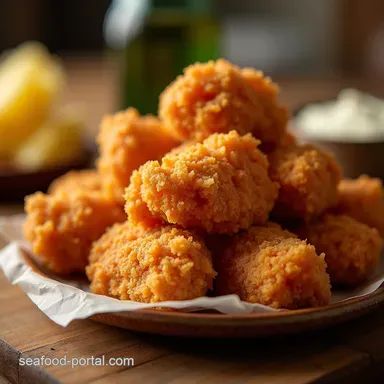
Ktown Crunch Ultracrispy Air Fryer Korean Fried Chicken Bites
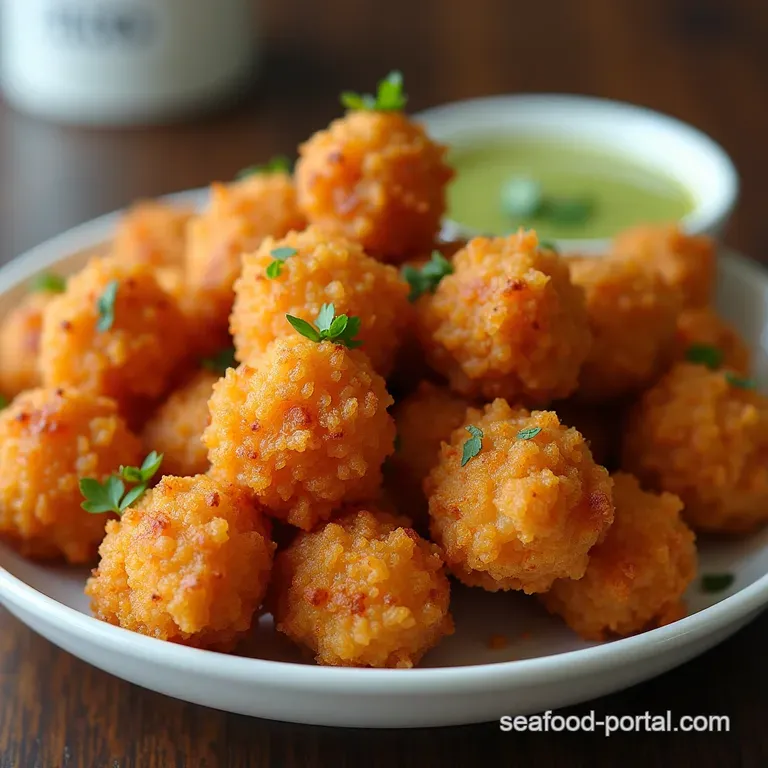
- Shatteringly Crisp: The Air Fryer Advantage for Global Flavors
- Unpacking the Magic Behind Authentic Dakgangjeong Texture
- The Essential Pantry List for Perfect Crunch Coating
- Mastering the Dual-Fry Technique in Your Appliance
- Troubleshooting Common Air Fryer Fried Chicken Imperfections
- Elevating Your Meal: Serving Suggestions and Garnishes
- Recipe FAQs
- 📝 Recipe Card
Shatteringly Crisp: The Air Fryer Advantage for Global Flavors
There is a certain magic that happens when Korean fried chicken (KFC) achieves its signature crust a texture so impossibly light and shatteringly crisp that it seems defying physics.
For decades, achieving this level of crunch meant submerging chicken pieces in vats of hot oil, a process messy, time consuming, and slightly intimidating for the home cook. Enter the kitchen superstar: the air fryer.
This appliance allows us to recapture that glorious texture, transforming humble air fryer chicken bite recipe experiments into show stopping meals. We are going beyond simple crispness; we are aiming for Dakgangjeong perfection, a sticky, sweet, and fiery glaze that adheres perfectly to a rugged, airy crust.
Forget the deep fryer queues; your new favourite korean fried chicken recipe air fryer adventure starts right here, yielding incredible air fryer korean fried chicken bites with a fraction of the fuss.
Unpacking the Magic Behind Authentic Dakgangjeong Texture
The secret to authentic KFC lies not just in the marinade, but heavily in the coating system and the subsequent cooking method. We aim for a coating that bubbles slightly, trapping air to create those coveted pockets of crispiness.
When translating this process to a modern appliance, we need specific ingredients and techniques to ensure success.
Why Air Frying Conquers Traditional Deep Frying Myths
Traditional frying relies on rapid moisture evaporation upon hitting hot oil. The air fryer mimics this by circulating intensely hot air, but it uses far less or no added oil.
This method prevents the chicken from absorbing excess grease, resulting in a product that feels lighter, yet still delivers the satisfying crunch . When preparing crispy air fryer korean chicken , the high, dry heat ensures the starch based coating hardens beautifully before the chicken inside overcooks.
Your New Weeknight Shortcut to Crispy Korean Chicken Bites
This streamlined approach makes the classic KFC experience accessible on busy evenings. Using pre-cut boneless chicken pieces, specifically focusing on air fry chicken breast bites or thighs cut into manageable portions, dramatically cuts down on cooking time compared to bone-in varieties.
These air fry korean chicken bites are perfectly portioned for quick cooking and maximum sauce adhesion, positioning this as the ideal korean air fryer chicken recipe for weeknight satisfaction.
The Versatility of These Snack Sized Powerhouses
What makes these air fryer chicken snacks so appealing is their adaptability. While they shine when tossed in that iconic spicy sweet glaze, the base chicken itself is robust.
They serve beautifully as appetizers, an exciting main course served over rice, or even sliced atop a cool, crunchy salad. Their bite sized nature ensures that every piece gets a satisfying ratio of coating to succulent interior meat.
The Essential Pantry List for Perfect Crunch Coating
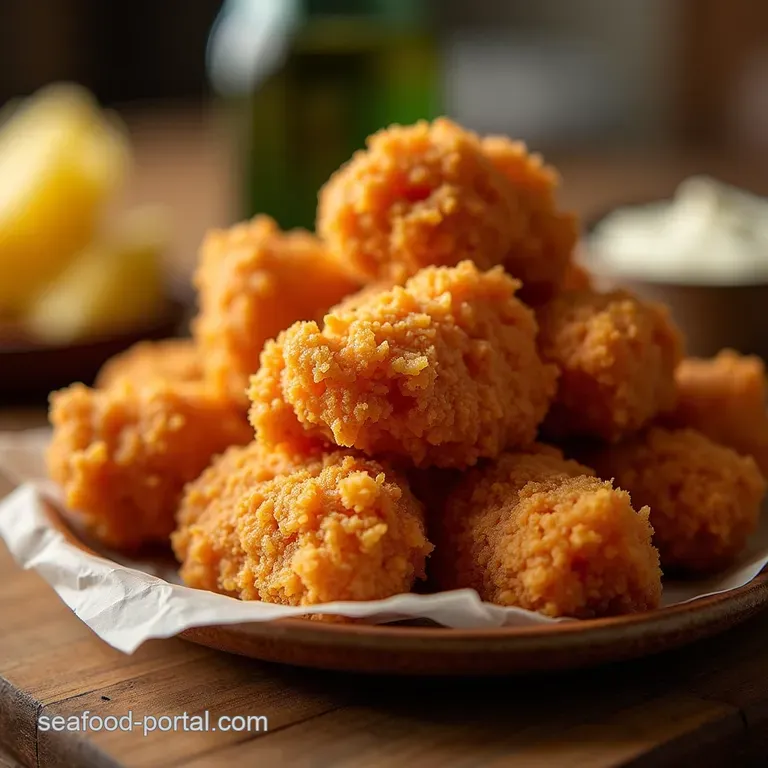
Achieving that famous, brittle crust hinges entirely on the dry ingredients used in the dredge. It’s not enough to simply use flour; we must introduce specific starches that interact with moisture to create a hard shell under intense, dry heat.
The marinade tenderizes the meat, but the coating is where the textural theatre takes place.
Must Have Dry Components for Maximum Air Fryer Korean Fried Chicken Bites Crispness
The foundational element here is Potato Starch . This ingredient is non-negotiable for that characteristic shattering texture; it crisps up harder and holds its structure better than standard wheat flour in an air fryer environment.
We pair this with a small amount of All-Purpose Flour to add body, and crucially, Baking Powder . The baking powder reacts with the air circulation, providing lift and creating tiny air pockets that become exceptionally crispy during the cooking process.
Secret Weapon Liquids: Marinade Components Explained
Before the coating goes on, the chicken pieces (ideally 1 inch cubes of boneless, skinless thigh) need a flavour base. A brief marinade featuring finely grated fresh ginger, minced garlic, a touch of soy sauce, salt, and pepper tenderizes the meat beautifully.
The key to successful dredging later is ensuring the marinade adheres well, but we do not want the chicken soaking wet, as this will make the batter runny.
Tool Checklist: What Gear Delivers the Best Results?
Success in this air fryer chicken bite recipe relies on proper batter consistency. You will need two separate bowls for the dredging process: one for the dry ingredients and a second for the wet binder (a lightly beaten egg mixed with very cold water).
The cold water is essential; the thermal shock against the hot air helps the coating set immediately. A good air fryer with sufficient basket space is also paramount to avoid steaming the pieces.
Substitutions for Spice: Navigating Gochujang Alternatives
The heart of the glaze is Gochujang, the Korean fermented chili paste that provides heat, umami, and depth. If true Gochujang is unavailable, you can create a functional substitute by combining Sriracha or Sambal Oelek with a small amount of miso paste (for fermentation depth) and a pinch of smoked paprika.
However, the flavour profile will shift slightly from the traditional sticky sauce designed for air fryer korean fried chicken tenders .
Related Recipes Worth Trying
- The Best DoubleFried Korean Fried Chicken Recipe — Forget soggy takeaways Master the shattering crispness of authentic Korean Fried Chicken using the doublefry technique This recipe delivers the best KFC...
- Authentic Spanish Seafood Chicken Paella Recipe with Socarrat — Learn how to master a truly authentic Spanish paella recipe featuring chicken shrimp and saffron Get the tips to achieve that perfect crispy socarrat
- Smoky Perfection UltraCrispy Grilled Chicken Wings — Forget deepfrying Learn the secret to unbelievably Crispy Grilled Chicken Wings using baking powder for a shatteringly crisp skin The best Grilled Wings...
Mastering the Dual Fry Technique in Your Appliance
In traditional KFC, chicken is often fried twice a first fry to cook the meat through, and a second, hotter fry to super charge the crispiness. We adapt this concept for the air fryer through sequential cooking stages, ensuring that the internal temperature is met while the exterior reaches peak crunch.
This method guarantees that when you air fry korean chicken bites , they are tender inside and rock hard outside.
Preparation Phase: Marinating and Prepping the Chicken Pieces
Begin by cubing your 1.5 lbs of chicken thighs or breasts. Combine these with your marinade ingredients salt, pepper, fresh ginger, garlic, and 1 tablespoon of soy sauce and let them sit for at least 30 minutes, though chilling for up to four hours deepens the flavour.
While the meat rests, prepare your dry coating mix (potato starch, flour, baking powder) and your wet binder (egg and cold water). The crucial step here is the double dredge : dip the marinated meat into the wet batter, allowing excess to drip off, and then immediately press it firmly into the dry mix, ensuring a thick, craggy coating covers every surface.
The Initial Air Fry Cycle: Building the Foundation of Crunch
Preheat your air fryer to a moderate 390° F ( 200° C). Load the basket in a single layer; overcrowding is the number one enemy of crispness, so be prepared to cook in two or three small batches. Cook the chicken for an initial 10 minutes.
This stage cooks the chicken through and begins to dry out the coating shell.
Sauce Simmering: Reducing the Glaze to Nappe Consistency
While the chicken is in its first cycle, prepare the glaze. In a small saucepan, combine the Gochujang, soy sauce, rice vinegar, honey/maple syrup, brown sugar, and the remaining garlic/ginger. Bring this mixture to a gentle simmer over medium heat.
Stir constantly until the sugar has dissolved and the sauce has visibly thickened it should coat the back of a spoon (this is called nappe consistency). Remove from heat immediately and stir in a teaspoon of sesame oil for fragrance.
Final Toss: Coating Your Air Fryer Korean Fried Chicken Bites Perfectly
After the initial 10 minutes, open the basket. Gently toss the pieces and spray them lightly with cooking oil to encourage further browning. Return them to the air fryer for an additional 8 to 12 minutes until they achieve a deep golden brown hue and reach an internal temperature of 165° F ( 74° C).
Immediately transfer the piping hot, crispy chicken into a large bowl. Pour the warm glaze over the chicken and toss rapidly until every surface is sticky and glossy. Garnish immediately with sliced scallions and sesame seeds before the glaze cools and sets.
Troubleshooting Common Air Fryer Fried Chicken Imperfections
Even with the best instructions, air frying can sometimes yield unexpected results. If your air fryer korean fried chicken tenders come out slightly soft, it almost always points back to temperature or space issues.
If the coating seems doughy, it suggests the chicken was too wet going in, or you didn't use enough potato starch. If the outside burns before the inside is cooked, reduce the temperature slightly on the second cycle, or ensure you are not cooking excessively thick chunks of meat.
Elevating Your Meal: Serving Suggestions and Garnishes
The final presentation truly brings the 'K-Town' experience home. The mandatory garnishes toasted sesame seeds and finely sliced bright green scallions provide textural contrast and vital freshness against the heavy, sticky sauce.
These air fryer chicken snacks are best enjoyed straight from the bowl, perhaps served with simple accompaniments.
Storage Secrets: Keeping Leftovers Crispy for Later
If you find yourself with leftovers, the enemy is trapped moisture. Do not store the sauced chicken in an airtight container immediately; the steam will soften the crust. Instead, spread the coated pieces out on a tray, let them cool completely, and then refrigerate uncovered for an hour before transferring them to a loosely sealed container.
Reheat them briefly in the air fryer at 375° F ( 190° C) for 3– 5 minutes to reactivate the crispness before re-glazing if desired.
Nutritional Snapshot: A Lighter Take on Indulgence
One of the chief benefits of this air fry chicken breast bites method is the massive reduction in absorbed oil compared to deep frying, making this a substantially lighter indulgence.
While the sauce adds sugar and sodium, the overall fat content remains significantly lower, allowing you to enjoy this comfort food more frequently without the guilt associated with traditional frying methods.
Flavor Twists: Exploring Regional Korean Marinade Variations
While this recipe leans towards the Dakgangjeong (sweet and sticky), you can pivot easily. For a Yangnyeom (spicy) style, increase the Gochujang and add a dash of garlic powder to the glaze.
Alternatively, for a soy-garlic profile popular in certain regions, skip the Gochujang entirely and focus the glaze on soy sauce, honey, garlic, and a touch of grated fresh onion for depth.
Optimal Air Flow: Basket Loading Tips for Uniform Cooking
Remember, air fryers operate by vortex heating; uniform cooking requires even airflow around every piece. Always ensure there is at least a half inch gap between each piece of chicken. If your air fryer basket is small, you absolutely must commit to cooking in sequential batches.
Taking the extra time to avoid overcrowding is the single most important technique for achieving that superior, consistent crispness across all your Air Fryer Korean Fried Chicken Bites .
Recipe FAQs
Why are my Air Fryer Korean Fried Chicken Bites not as crispy as I expected?
Ah, the eternal struggle for crunch! The secret sauce here is twofold: First, ensure you are using potato starch (or cornstarch) in your dredging mix it’s what gives that authentic shatter.
Second, and crucially, you must not overcrowd the air fryer basket; the pieces need room to circulate air around them, or they’ll steam instead of crisping up.
Can I make this Air Fryer Korean Fried Chicken Bites recipe ahead of time?
For the absolute best results, no, you really shouldn't. These bites are best eaten immediately after being tossed in the glaze. If you cook them, glaze them, and then try to reheat them later, the beautiful crust will have softened significantly it’ll still taste good, mind you, but it won't have that signature K-Town snap.
My sauce is either too thick or too runny; how do I get that perfect sticky coating?
It sounds like you need to nail the glaze reduction. When simmering the sauce ingredients, keep an eye on it; it should lightly coat the back of a spoon without running off immediately. If it’s too thick, take it off the heat and stir in a teaspoon of hot water.
If it’s too thin, return it to low heat and let it bubble gently for another minute or two until it thickens up.
What can I substitute for Gochujang if I can’t find it in my local supermarket?
That’s a common pickle if you’re not near a decent Asian grocer! Gochujang provides heat, sweetness, and fermentation depth. The closest you can get is mixing a tablespoon of Sriracha or another robust chili paste with a teaspoon of miso paste or a tiny bit of brown sugar to mimic the complexity.
It won't be a perfect match, but it’ll certainly do the trick in a pinch!
Is there a way to make these bites a bit healthier, perhaps using chicken breast instead of thighs?
You absolutely can swap to chicken breast to lower the fat content go for it! Just be mindful that breast meat dries out much faster in the air fryer. To compensate, make sure your marinade time is ample, and consider reducing the final cooking time by 1-2 minutes to prevent them from turning into tiny rubber balls.
UltraCrispy Air Fryer Korean Fried Chicken Bites Recipe