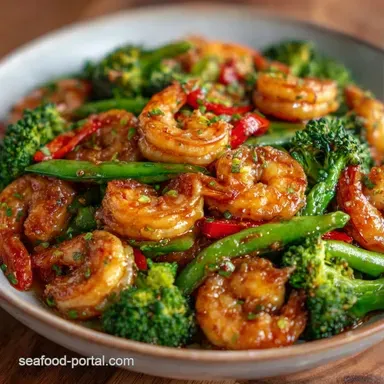
Butter Garlic Shrimp Vegetables: 20-Minute Meal
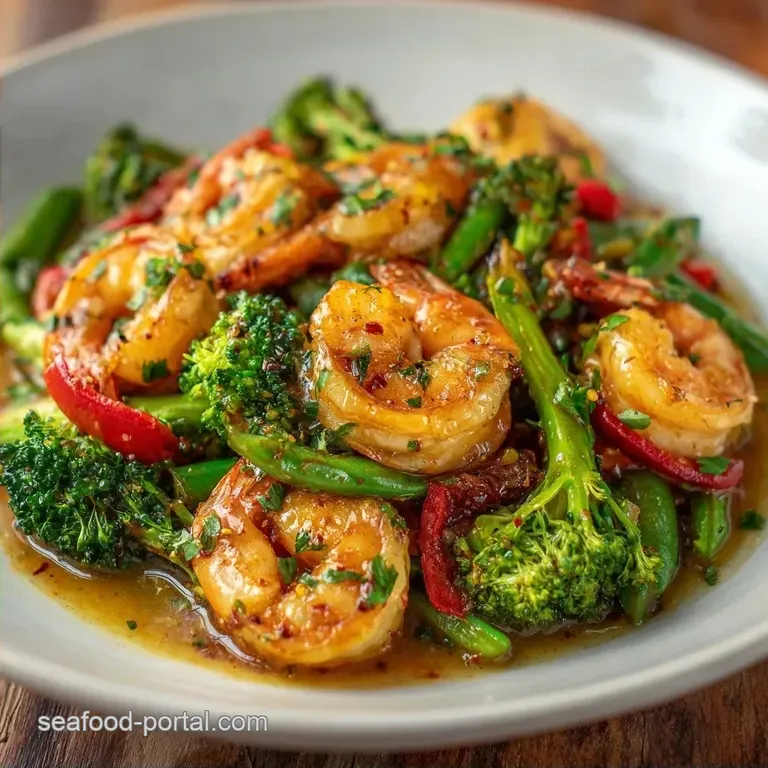
- Time: 10 min prep + 10 min cook
- Flavor/Texture Hook: Buttery, garlicky glaze with a bright lemon finish
- Perfect for: Weeknight dinner or low carb meal prep
The smell of garlic hitting foaming butter is, for me, the official scent of a good Tuesday night. I remember the first few times I tried making a shrimp and veggie stir fry. I'd toss everything in the pan at once, thinking it was more efficient. The result?
I'd have mushy, grey broccoli and shrimp that had the texture of rubber bands. It was a total mess.
I finally stopped treating the pan like a stew pot and started treating it like a sear station. Once I learned to cook the shrimp separately and then bring them back at the end, everything changed. This Butter Garlic Shrimp Vegetables recipe is the result of that realization.
You get the golden crust on the shrimp, the bright crunch of the snap peas, and a sauce that actually clings to the food instead of pooling at the bottom.
Right then, let's get into how to actually nail this. You're looking at about 20 minutes from fridge to table. It's fast, it's fresh, and honestly, it's a bit of a lifesaver when you're staring at a random assortment of vegetables in the crisper drawer.
Butter Garlic Shrimp Vegetables Success
The reason this comes together so well is that we aren't fighting the ingredients. Shrimp cook in a heartbeat, while broccoli takes a few minutes to lose that raw edge. By separating them, we ensure nothing gets overcooked.
Staggered Heat: Cooking protein first and removing it prevents the shrimp from turning rubbery while the vegetables soften.
Fat Based Flavor: Butter carries the garlic aroma better than oil alone, creating a velvety glaze that coats every piece of broccoli.
Acid Balance: Adding lemon juice at the very end cuts through the richness of the butter, brightening the whole dish.
Moisture Control: Patting the shrimp dry ensures they sear instead of steam, which is the difference between a golden crust and a grey, boiled look.
| Method | Time | Texture | Best For |
|---|---|---|---|
| Fast Sear (This) | 20 mins | Snappy & Succulent | Busy weeknights |
| Classic Stew | 45 mins | Soft & Integrated | Comfort meals |
| Oven Roast | 30 mins | Charred & Sweet | Large crowds |
The Component Analysis
Understanding what each ingredient does helps you tweak the recipe without breaking it.
| Ingredient | Science Role | Pro Secret |
|---|---|---|
| Unsalted Butter | Emulsifier/Fat | Use unsalted so you can control the salt level exactly |
| Fresh Lemon Juice | PH Balance | Add at the end to keep the flavor bright and zesty |
| Large Shrimp | Main Protein | Keep them cold until the moment they hit the oil |
| Garlic | Aromatics | Mince finely but not into a paste to avoid burning |
Gathering Your Essentials
For the best results, keep your ingredients prepped and ready before you turn on the heat. This moves fast.
For the shrimp:
- 1 lb large shrimp, peeled and deveined Why this? Large shrimp hold their shape and don't overcook as fast as small ones (Substitute: scallops or firm white fish)
- 1/2 tsp salt
- 1/4 tsp black pepper
For the vegetable medley:
- 2 cups broccoli florets, bite-sized Why this? Small florets cook at the same rate as the peppers (Substitute: cauliflower)
- 1 medium red bell pepper, thinly sliced Why this? Adds a sweet contrast to the savory garlic (Substitute: yellow or orange pepper)
- 1 cup snap peas Why this? Provides a fresh, grassy crunch (Substitute: snow peas or asparagus)
- 1 tbsp olive oil Why this? Higher smoke point than butter for the initial sear (Substitute: avocado oil)
For the garlic butter sauce:
- 4 tbsp unsalted butter Why this? Creates the rich, silky glaze (Substitute: Ghee for a nuttier taste)
- 4 cloves garlic, minced Why this? Fresh garlic is non negotiable here (Substitute: 1 tsp garlic powder, though less punchy)
- 1 tbsp fresh lemon juice Why this? Wakes up the heavy fats (Substitute: lime juice)
- 1 tsp parsley Why this? Adds a pop of color and earthiness (Substitute: cilantro)
Equipment Needed
You don't need a fancy kitchen for this, but a few specific tools make it easier.
- Large skillet: A 12 inch stainless steel or cast iron pan is best. If the pan is too small, the shrimp will crowd and steam instead of searing.
- Paper towels: Absolutely essential for drying the shrimp.
- Tongs: Much easier for flipping shrimp and tossing veggies than a spoon.
- Small bowl: To hold your minced garlic and lemon juice nearby.
How to Make It
Follow these steps closely. The timing is tight, so have your vegetables chopped and your shrimp seasoned before you start.
- Pat the shrimp completely dry with paper towels and season with salt and pepper. Note: Wet shrimp will not brown; they will just boil in the pan.
- Heat 1 tbsp olive oil over medium high heat in a large skillet. Add shrimp in a single layer and sear for 2 minutes per side until opaque and golden.
- Remove shrimp from the pan and set aside on a plate. Note: Don't leave them in the pan or they'll turn into rubber.
- In the same skillet, add the broccoli, bell peppers, and snap peas. Sauté for 3–5 minutes until crisp tender.
- Reduce heat to medium. Push the vegetables to the side of the pan and add the butter to the center.
- Once the butter is foaming, stir in the minced garlic for 30–60 seconds until fragrant but not brown.
- Return the shrimp and their accumulated juices to the pan.
- Drizzle with lemon juice and sprinkle with parsley.
- Toss everything for 1 minute until the butter glazes the shrimp and vegetables.
Chef's Note: If you want a deeper flavor, try adding a pinch of smoked paprika to the shrimp seasoning. It adds a subtle woodsy note that pairs beautifully with the butter.
Common Mistakes & Troubleshooting
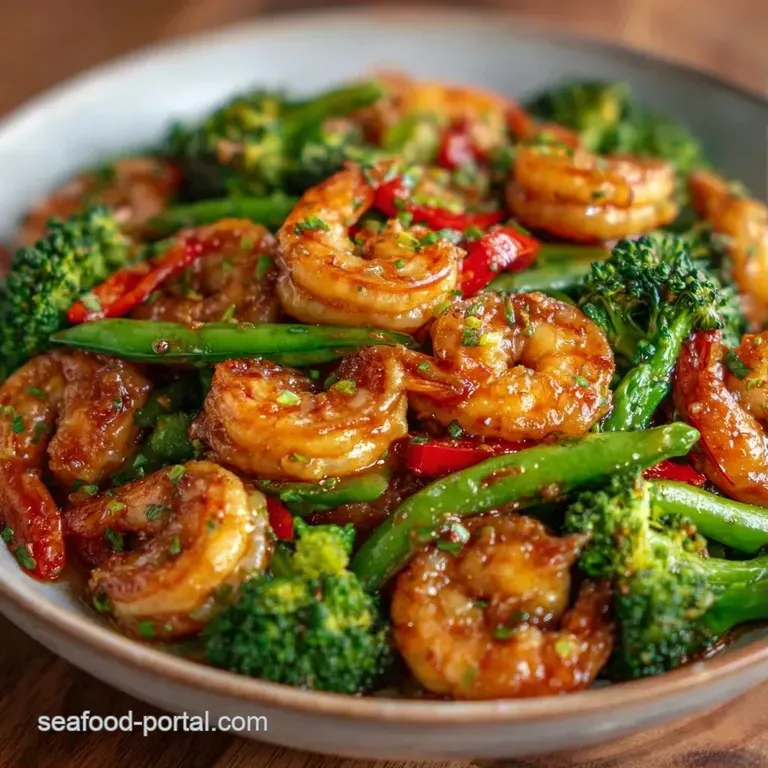
Even the simplest recipes can go sideways if the heat isn't managed. Most issues with this dish come down to temperature control.
| Issue | Solution |
|---|---|
| Why Your Shrimp Is Rubbery | This usually happens because the pan wasn't hot enough when the shrimp went in, or they stayed in the pan too long. When shrimp overcook, the proteins tighten up, squeezing out the moisture. |
| Why Your Garlic Tastes Bitter | Garlic burns in seconds. If you add it to the oil at the start, it will be charred by the time the broccoli is done. Always add the garlic to the butter at the end of the vegetable sauté. |
| Why the Sauce Is Watery | This happens if you crowd the pan or use frozen vegetables that haven't been thawed and dried. The excess water prevents the butter from emulsifying into a glaze. |
Success Checklist:
- ✓ Shrimp patted bone dry before seasoning
- ✓ Pan is sizzling before the first shrimp hits
- ✓ Garlic added only when butter foams
- ✓ Lemon juice added as the final touch
Creative Twists and Swaps
Once you've got the basic Butter Garlic Shrimp Vegetables down, you can play with the flavor profiles.
If you want a bit more heat, a pinch of red pepper flakes added with the garlic works wonders. For those who prefer a different base, you can turn this into a garlic butter shrimp pasta with vegetables by tossing the finished mixture with cooked linguine or angel hair. While a ginger sauce is usually for stir fries, adding a teaspoon of grated ginger here gives it a bright, Asian inspired twist.
If you're looking for something heartier, you can serve this over a bed of quinoa or brown rice. For a truly different take on shrimp, you might enjoy my Classic New Orleans Shrimp Creole recipe, which swaps the butter and lemon for a rich, tomato based sauce.
Decision Shortcut:
- If you want it spicy: Add 1/2 tsp red pepper flakes to the butter.
- If you want it creamier: Stir in 2 tbsp of heavy cream at the very end.
- If you want more veg: Add sliced zucchini or carrots, but sauté them before the broccoli.
Scaling the Recipe
Adjusting this recipe requires a bit of care with the pan size.
Cutting it in half: Use a smaller skillet (about 8-10 inches). You can reduce the cooking time for the vegetables by about 20% since there's less moisture releasing into the pan. Beat one egg if you're adding a binder, but for this recipe, just halve the butter and garlic.
Doubling or Tripling: Do not try to cook 2 or 3 lbs of shrimp in one go. They will crowd the pan, release water, and steam instead of sear. Work in batches. Sear the shrimp in two turns, set them aside, then cook the vegetables. Only combine everything at the end.
Keep the salt and spices at about 1.5x rather than a full 2x to avoid over seasoning.
| Factor | Half Batch | Double Batch |
|---|---|---|
| Pan Size | 8-10 inch | 12-14 inch or 2 pans |
| Shrimp Method | Single batch | 2-3 separate batches |
| Garlic/Butter | Exactly 50% | 1.5x to 1.7x |
Kitchen Myths
You'll hear a lot of advice about seafood that just isn't true.
One common myth is that searing shrimp "seals in the juices." This is a total lie. Searing creates flavor through browning, but it doesn't create a waterproof barrier. Moisture loss happens whether you sear or poach. The sear is for taste, not for "locking" things in.
Another myth is that you need to wash shrimp under the tap after they've been deveined. If you've bought quality shrimp, they're already cleaned. Washing them just adds more moisture, which makes it harder to get that golden brown crust we're after.
Storage Guidelines
Fridge: Store in an airtight container for up to 3 days. The vegetables will lose some of their snap, but the flavor stays.
Freezer: I don't recommend freezing this specific dish. The butter sauce can separate, and the broccoli often becomes mushy upon thawing. If you must, freeze the seared shrimp alone and add the fresh butter/garlic/veg when you reheat.
Reheating: To avoid rubbery shrimp, don't microwave them on high. Use a skillet over medium heat with a tiny splash of water or a knob of butter. Heat just until warm. If you overcook them during reheating, they'll toughen up instantly.
Zero Waste: Don't throw away your shrimp shells if you bought them head on or peeled them yourself. Toss the shells into a pot with some onion scraps and water to make a quick seafood stock. This stock is a great base for risotto or a chowder.
Pairing Ideas
Because this is a rich, buttery dish, you want sides that provide contrast.
A simple side of steamed jasmine rice or cauliflower rice works best to soak up the extra garlic butter. If you want something brighter, a crisp cucumber salad with rice vinegar and sesame seeds cuts through the richness.
For a more filling meal, serve it alongside a piece of crusty sourdough bread to mop up every last drop of that lemon butter glaze.
Recipe FAQs
Can you cook shrimp and vegetables together?
Yes, but cook them separately first. Searing the shrimp and sautéing the vegetables in stages prevents the shrimp from overcooking while the broccoli and peppers soften.
What vegetables are good for shrimp?
Broccoli, red bell peppers, and snap peas work best. These choices provide a crisp texture and bright color that balance the richness of the garlic butter.
How to make garlic butter sauce for shrimp?
Melt butter in the skillet until foaming, then stir in minced garlic for 30–60 seconds. Finish the sauce by tossing in lemon juice and parsley just before serving.
What to pair with Garlic Butter Shrimp?
Serve this with steamed rice or crusty bread. For a more substantial meal, you could use a seafood-focused technique similar to our authentic prawn creole.
Is it true that shrimp should be cooked in the pan with the vegetables the whole time?
No, this is a common misconception. Cooking them together from the start often leads to rubbery shrimp because they cook much faster than broccoli and peppers.
How to reheat leftovers without them becoming rubbery?
Warm in a skillet over medium heat with a splash of water or butter. Avoid high microwave settings, as they tighten the proteins and dry out the meat.
What can I do with leftover cooked shrimp?
Toss them into a cold pasta salad or a wrap. Since they are already seasoned with garlic and lemon, they add immediate flavor to fresh greens or grains.
Butter Garlic Shrimp Vegetables in 20 Min