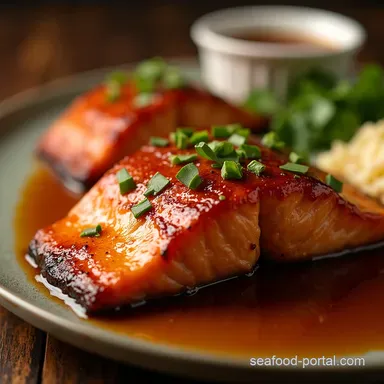
Sticky Simple Restaurantquality Baked Teriyaki Salmon in 25 Minutes
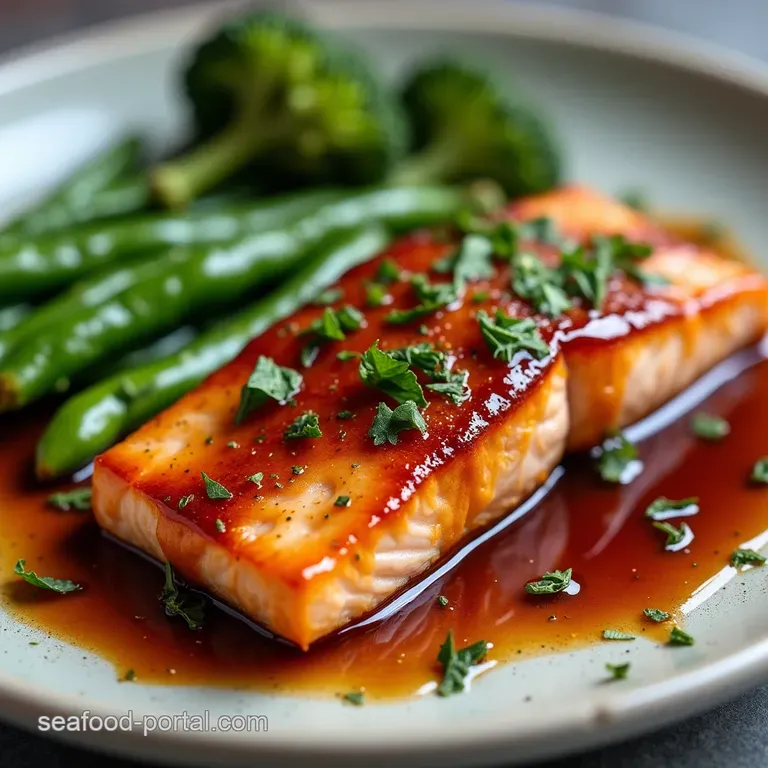
- Ditch Delivery: Unlocking Ultimate Flavor in Your Own Kitchen
- Why This Baked Teriyaki Salmon Recipe Reigns Supreme
- Assembling Your Umami-Rich Teriyaki Arsenal
- Essential Gear for Perfect Salmon Preparation
- Step-by-Step Mastery: Baking Your Teriyaki Masterpiece
- Timing the Bake for Optimal Flakiness
- Elevating Your Plate: Serving Suggestions and Pairings
- Storage and Reheating Tips for Leftover Perfection
- Recipe FAQs
- 📝 Recipe Card
Ditch Delivery: Unlocking Ultimate Flavor in Your Own Kitchen
There’s a magical moment when you bite into perfectly cooked salmon moist, flaky, and coated in a sticky, deeply savoury glaze that sings with umami. Achieving that restaurant quality experience used to feel like a closely guarded secret, often requiring a lengthy marinating time or tricky stovetop technique.
Not anymore. We are about to demystify the process of creating stunning Baked Teriyaki Salmon right in your home kitchen. This particular Baked Teriyaki Salmon Recipe is designed to deliver maximum flavour impact with minimal fuss, making it the ultimate solution when you crave something sophisticated but need dinner on the table fast.
Forget those lukewarm takeout containers; get ready to elevate your mid-week meal routine with this effortless, flavour packed fish.
Why This Baked Teriyaki Salmon Recipe Reigns Supreme
This approach focuses on simplicity and precision, ensuring the fish remains tender while the glaze achieves a perfect, glossy sheen. Our goal is to create a Teriyaki Salmon Dinner that is consistently excellent, whether you are cooking for one or for a family gathering.
The Secret to That Irresistible Glossy Finish
The key to that beautiful, high shine look often the hallmark of superior Baked Salmon with Teriyaki Glaze —lies in the careful construction of the sauce itself.
It's not just about mixing soy sauce and sugar; it’s about the inclusion of Mirin (sweet rice wine) and the essential step of thickening the sauce with a cornstarch slurry. As the mixture simmers briefly, these elements bind together, transforming from a thin liquid into a rich, syrupy coating that caramelizes beautifully under the oven's dry heat without ever burning excessively.
Why Baking Beats Pan-Frying for Tender Results
While searing fish in a skillet offers fantastic crust development, baking provides a more controlled environment, which is crucial for delicate proteins like salmon. When preparing an Easy Baked Teriyaki Salmon , baking allows the internal temperature to rise gently and evenly, locking in moisture.
This method virtually guarantees a silky texture throughout the Baked Teriyaki Salmon Fillet , avoiding the risk of an overcooked exterior clinging to an underdone centre that often plagues pan-frying attempts.
A Japanese Inspired Weeknight Hero
With just 10 minutes of active preparation time and about 15 minutes in the oven, this dish clocks in under 25 minutes total cook time. This speed is what transforms it from a weekend special into a reliable weeknight staple.
It’s hearty, packed with healthy fats, and delivers complex, layered flavour, proving that incredible Asian inspired meals don’t require hours of waiting.
Assembling Your Umami Rich Teriyaki Arsenal
The heart of this recipe lies in the homemade glaze. Using high-quality core ingredients ensures that the flavour profile is balanced salty, sweet, and packed with umami without relying on pre-made, often overly sweet, bottled sauces.
To construct this stunning sauce, you will gently simmer together 1/3 cup of low-sodium soy sauce, 1/4 cup of sweet Mirin, 2 tablespoons of sake, 2 tablespoons of tightly packed brown sugar, 1 teaspoon of finely grated fresh ginger, and 1 minced garlic clove.
This mixture is brought just to a gentle simmer to dissolve the sugar and marry the aromatics. The crucial step follows: whisking in a slurry made of 1 teaspoon of cornstarch dissolved in 1 tablespoon of cold water.
This thickening process takes mere moments but is essential for achieving the perfect consistency for coating the fish.
Essential Gear for Perfect Salmon Preparation
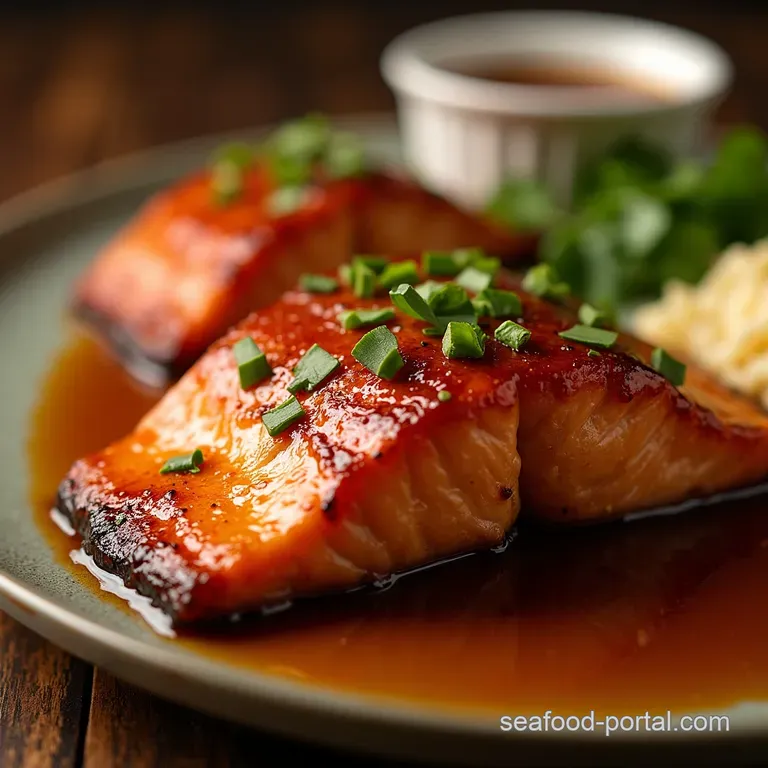
You don't need professional kitchen equipment to nail this dish. The necessary tools are straightforward and likely already in your drawers. You’ll require a small saucepan for reducing the glaze, a whisk for incorporating the slurry smoothly, and a standard baking sheet.
Lining this sheet with parchment paper or a silicone baking mat is highly recommended; it prevents sticking and makes cleanup virtually instantaneous, which is ideal for a quick Teriyaki Salmon Steak Recipe preparation.
Selecting the Finest Salmon Fillets (Skin On vs. Off)
For this recipe, we are focusing on 4 portions, each roughly 6 ounces (about 170g). When selecting your Baked Teriyaki Salmon Fillet , consider the skin. If you prefer the added stability and flavour that the skin imparts, leave it on; the baking process will crisp the skin slightly while the flesh remains moist under the glaze.
If you are plating immediately or prefer boneless, skinless portions, that works beautifully too. Always aim for centre cut portions, as they tend to be thicker and cook more evenly than tail pieces.
The Essential Garnishes for Presentation
Once your Salmon Teriyaki Baked is resting, a touch of colour and texture takes it from home cooked to show stopping. Keep the garnishes simple to echo the Japanese influence: a sprinkle of toasted sesame seeds adds a subtle nutty crunch, while thinly sliced green parts of fresh scallions provide a gentle oniony lift and vibrant colour contrast against the dark, sticky glaze.
Related Recipes Worth Trying
- The Ultimate Crispy Baked Tofu Recipe OvenBaked Crunch — Ditch the frying Learn how to bake tofu crispy at home with just cornstarch magic This easy baked tofu stays crunchy for your favourite bowls
- Properly Crisp Oven Baked Tofu The Secret to Crunch — Banish soggy tofu forever This easy Crispy Oven Baked Tofu recipe uses simple pressing and cornstarch for unbelievable crunch Perfect for weeknight bowls
- Easy Mediterranean Baked Feta Eggs Recipe Ready in 40 Mins — Forget the fuss This easy baked feta eggs recipe delivers sundrenched Greek flavour for brunch or breakfast Perfectly runny yolks guaranteed Find out how to...
Step-by-step Mastery: Baking Your Teriyaki Masterpiece
The journey to perfect Baked Teriyaki Salmon begins with preparation. First, preheat your oven to a moderately hot 400° F ( 200° C). While the oven heats, you’ll execute the quick glaze preparation described above.
Crucially, before applying any flavour, you must prepare the salmon itself. Place your fillets on the parchment lined tray and lightly brush them with a neutral oil, like canola or grapeseed. This acts as a moisture barrier.
Now, brush approximately half of your prepared teriyaki glaze evenly over the tops of the fish portions. Reserve the remaining glaze this is vital for that final, show stopping layer of shine.
Timing the Bake for Optimal Flakiness
Getting the bake time exactly right ensures you avoid dry fish. Given the oven temperature and the size of typical 6-ounce portions, we start with a base bake time of 10 to 12 minutes. This initial bake sets the flesh.
The Quick Marination Hack: Maximizing Flavor Fast
Traditional teriyaki requires hours, but for this quick Baked Teriyaki Salmon Recipe , we utilize an immediate flavour injection. Because the glaze is thick and applied directly before baking, the heat helps the sugars and salts penetrate the surface layers of the fish quickly, giving you the benefit of intense flavour infusion without the waiting time.
Oven Setup: Achieving Even Heat Distribution
Using the middle rack in your preheated oven is the best position for this recipe. This placement ensures that the radiant heat comes from both the top and bottom elements equally, guaranteeing that the Baked Teriyaki Salmon cooks uniformly from edge to centre.
The Glazing Technique: Layering Sweetness Without Burning
The two-stage glazing technique is indispensable. The first application during the main bake sets the foundation. However, the second application the basting right near the end is where the magic happens.
About two minutes before pulling the fish out, remove the tray and brush generously with the reserved glaze. Return it briefly to the oven. This final layer caramelizes without drying out the fish completely, locking in that rich, sticky texture characteristic of the best Honey Teriyaki Salmon variations.
Troubleshooting: Knowing When Your Baked Teriyaki Salmon is Done
The most reliable check is internal temperature; aim for 145° F ( 63° C). Visually, the salmon is ready when it flakes easily when gently pressed with a fork, and the colour has changed from translucent to opaque throughout.
If you notice the glaze starting to blacken too quickly, tent the fish loosely with foil for the last few minutes to protect the sauce while the centre finishes cooking.
Elevating Your Plate: Serving Suggestions and Pairings
This rich and flavourful fish deserves sides that complement its bold character. The sweetness of the glaze pairs beautifully with fresh, crisp elements or neutral starches that can soak up any excess sauce dripping from the Teriyaki Salmon Dinner .
Complementary Sides That Soak Up Extra Glaze
Steamed short grain sushi rice is the quintessential partner, its slightly sticky texture perfect for absorbing the rich glaze runoff. Alternatively, if you are looking for a lower carb option, consider serving alongside quick sautéed bok choy or tender crisp asparagus spears.
Storage and Reheating Tips for Leftover Perfection
Any leftover Baked Teriyaki Salmon keeps wonderfully in an airtight container in the refrigerator for up to three days. When reheating, the microwave can sometimes compromise the texture.
Instead, gently warm the fish in a preheated oven (around 300° F/ 150° C) or quickly sear it in a non-stick pan set over low heat, just until warmed through. A light brush of fresh soy sauce or a splash of water can help reintroduce moisture.
Creative Variations: Spicy Kicks or Citrus Twists
While the classic recipe shines, feel free to experiment. For those who crave heat in their Baked Teriyaki Salmon Recipe , stir in a teaspoon of Sriracha or a pinch of crushed red pepper flakes when simmering the sauce base.
For a brighter contrast, swap out a tablespoon of the sake for fresh lime juice; the acidity cuts through the richness beautifully, creating a brighter take on the traditional flavour profile.
Nutritional Snapshot: Healthy Fats Meet Bold Flavor
This dish is a powerhouse of nutrition. Salmon is renowned for its Omega-3 fatty acids, essential for heart and brain health. When balanced with the controlled sugar content of our homemade glaze, this Baked Teriyaki Salmon offers a satisfying indulgence that aligns well with healthy eating goals.
You are getting robust protein and essential fats coated in a glaze that, while sweet, is responsibly portioned.
Can You Marinate Salmon Longer Than an Hour? (The Long Bake Consideration)
Because our recipe relies on a concentrated surface glaze rather than a traditional liquid marinade, you actually can let the fish sit with the glaze applied for a bit longer up to an hour in the refrigerator before baking. However, prolonged marination (e.g., overnight) isn't recommended.
The high salt content in the soy sauce can start to cure the exterior of the fish flesh, leading to a slightly tougher texture rather than the tender flakiness we are aiming for in our Easy Baked Teriyaki Salmon .
Stick to the immediate application or a brief 30-minute chill for the best results.
Recipe FAQs
Can I use store-bought Teriyaki sauce instead of making it from scratch for this Baked Teriyaki Salmon?
Absolutely, if you're short on time, you can certainly use a good quality bottled teriyaki sauce. However, you'll want to thicken it slightly, as bottled versions can be thin; simply simmer about a cup of the sauce with a cornstarch slurry until it coats a spoon, just like we do for the homemade version.
My salmon always ends up a bit dry; how can I ensure my Baked Teriyaki Salmon stays moist and flaky?
The key is twofold: first, make sure you pat the fillets completely dry before glazing, and second, don't overcook it! Salmon is done when it reaches an internal temperature of 145°F (63°C), or just as it starts to flake easily with a fork.
Pulling it out just shy of done allows residual heat to finish the cooking process beautifully.
I don't have Mirin or Sake; what are the best substitutes for the teriyaki glaze?
If you're in a bind, you can mimic the sweetness and complexity with substitutes. Replace the Mirin with a tablespoon of dry sherry plus a teaspoon of sugar, and swap the sake for an equal amount of water, perhaps adding a tiny splash of rice vinegar for a bit of necessary acidity.
How long will leftover Baked Teriyaki Salmon keep in the fridge, and can I freeze it?
Leftovers are brilliant cold the next day, perhaps flaked over a salad or sandwich, and will keep safely in an airtight container in the fridge for up to three days. While you can freeze cooked salmon, the texture can become slightly softer upon thawing, so we generally recommend eating it fresh or refrigerated for best results.
I'm trying to cut down on sugar; can I make a healthier, less sweet teriyaki glaze?
Yes, you certainly can tweak this for a lighter option. Try halving the amount of brown sugar in the recipe, and compensate for the missing umami by adding an extra teaspoon of soy sauce or a dash of Worcestershire sauce for depth. It won't be quite as sticky, but the flavour will still shine through.
Can I bake this recipe on a lower temperature for longer if I prefer that gentle cooking method?
While the quick, high heat method is excellent for developing that glossy glaze, you can bake at a lower temperature like 375°F (190°C). Just be prepared to increase the cooking time to around 18 20 minutes, ensuring you still baste it halfway through to keep the top from drying out before the centre is cooked.
Easy Baked Teriyaki Salmon