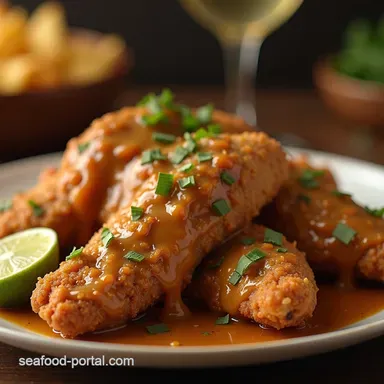
Proper Job Crispy Chicken Fried Chicken with Peppery Country Gravy
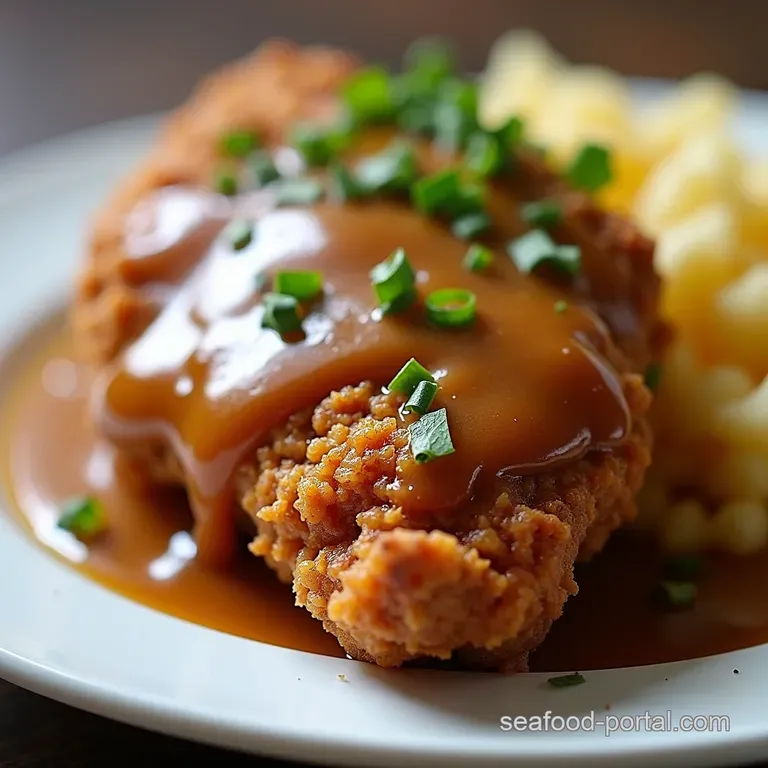
- Unveiling the Ultimate Crispy Comfort: Why This Recipe Dominates
- Demystifying the Delight: What Exactly is Authentic Chicken Fried Chicken?
- Essential Components for Perfect Frying and Flavor
- Gathering Your Culinary Arsenal: Tools for Success
- The Step-by-Step Journey to Golden Perfection
- Mastering the Art of Double Dredging for Maximum Crunch
- Elevating Your Classic Dish: Flavor Variations and Pairings
- Maximizing Shelf Life and Reviving Leftover Chicken Fried Chicken
- Recipe FAQs
- 📝 Recipe Card
Unveiling the Ultimate Crispy Comfort: Why This Recipe Dominates
There are many contenders in the world of comfort food, but when you crave something truly satisfying something that delivers a resounding crunch followed by incredibly juicy meat nothing quite compares to a perfectly executed Chicken Fried Chicken recipe .
We are not aiming for the pale, lackluster imitation found in some modern eateries; this is about recapturing the essence of the dish that has made it a staple of hearty American cooking.
This particular preparation, which I’ve christened the "Proper Job" Crispy Chicken Fried Chicken, utilizes specific techniques to ensure that every bite is an event. The mandatory buttermilk soak tenderizes the breast meat beautifully, while the double dredging process guarantees that signature craggy, shatteringly crisp crust.
When you learn the secrets to managing the frying temperature, you unlock the ability to create a show stopping Fried Chicken Dinner that requires absolutely no apologies.
Demystifying the Delight: What Exactly is Authentic Chicken Fried Chicken?
At its heart, Chicken Fried Chicken is a culinary masterpiece of transformation. It takes a lean cut of poultry often pounded chicken breast and treats it with the same respect given to a classic country fried steak.
The goal is an exterior cloaked in a thick, richly seasoned, deeply browned crust, contrasting spectacularly with the tender, flavorful interior. It’s fundamentally a dish built on contrast and texture.
Setting the Standard: Beyond the Soggy Pub Parody
Many recipes fail because they rush the marination or attempt shallow frying when deep frying is required for even cooking. A truly great version of this Chicken Fried Chicken Texas favorite shouldn't leave you feeling like you need a glass of water to wash down a soggy coating.
Instead, the crust needs structure. Our preparation demands attention to detail in the breading station, leveraging ingredients like corn starch to fight moisture migration, ensuring the coating adheres aggressively and stays crisp even as it meets the warmth of the accompanying gravy.
The Secret to 'Proper Job' Texture: A Buttermilk Bath Breakdown
The key to the juiciness and superior crust adhesion lies in the marinade. While you might occasionally find a Chicken Fried Chicken without buttermilk recipe relying on egg washes, the lactic acid in buttermilk is essential.
It gently breaks down the proteins in the chicken breast, tenderizing it from the inside out, while simultaneously creating the perfect sticky, textured surface for the seasoned flour to cling to. We enhance this bath with a touch of hot sauce for depth, not just heat, ensuring the seasoning penetrates deeply.
A Hearty Meal Primer: Why This Dish Deserves Center Stage
This dish transcends simple weeknight fare; it’s an event. Whether you are seeking classic American Chicken Dishes or a deeply satisfying comfort experience, this recipe delivers robust flavour worthy of any gathering.
It’s less about speed and more about patience allowing that chicken to rest in the brine and mastering the oil temperature which results in a culinary payoff that few other meals can match.
Essential Components for Perfect Frying and Flavor
Creating this memorable Chicken Fried Chicken steak experience requires more than just tossing ingredients together; it demands a deliberate selection of components and tools.
From the acidity of the marinade to the sharp pepper in the topping, every element plays a crucial role in the final flavour symphony.
Gathering Your Culinary Arsenal: Tools for Success
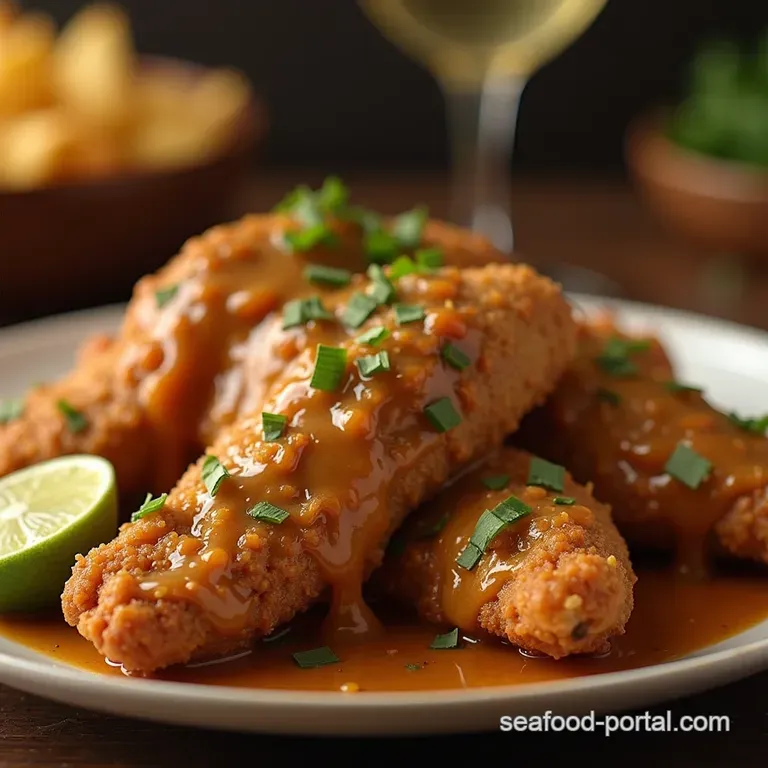
While you don't need a commercial deep fryer, a few specific tools elevate this from a simple fry to a professional grade result. A heavy bottomed skillet, ideally cast iron, holds heat exceptionally well, which is crucial for maintaining the oil temperature.
However, the most non-negotiable tool in this entire operation is an instant read thermometer. This device removes all guesswork, ensuring your oil remains in the perfect zone for achieving that ideal golden hue without burning the coating.
The Spice Blend Foundation: Building Deep Flavor Profiles
The seasoning we incorporate into the dry dredge is what separates this from bland fried fare. We combine standard staples like garlic and onion powder with smoked paprika for warmth and a touch of cayenne for a subtle background kick.
Remember, since the buttermilk marinade only gets a small amount of seasoning, the flour mixture must carry the weight of the flavour profile to season the exterior crust aggressively.
Selecting the Right Cut: Chicken Breast Preparation Guide
For this recipe, we use boneless, skinless chicken breasts, which are lean and require careful handling to prevent drying out. To ensure uniform cooking and maximize surface area for that glorious crust, we instruct splitting the breasts horizontally or pounding them gently to an even 1/2 inch thickness.
This preparation allows the meat to cook through quickly while the outside crisps perfectly.
Gravy Glory: Ingredients for Our Thick, Peppery Topping
No Chicken Fried Chicken is complete without its crowning jewel: the rich, velvety country gravy. This topping requires a roux made from the reserved oil after frying imparting a subtle, deep fried flavour that you cannot replicate otherwise.
The key components here are butter, flour, milk (or half and-half for extra richness), and, most importantly, a very generous amount of freshly cracked black pepper.
Ensuring Non-Stick Perfection: Oil Selection and Temperature
The choice of oil dictates the final texture and flavour absorption. A neutral, high smoke point oil like canola, vegetable, or peanut oil is your best friend here. We aim for a starting temperature of 325° F ( 160° C) before adding the chicken, allowing the temperature to settle between 300° F and 315° F ( 149° C - 157° C) while the food fries.
This lower range ensures the crust crisps slowly enough for the internal temperature to climb safely to 165° F ( 74° C) without burning.
Related Recipes Worth Trying
- The Golden Standard Crispy Juicy Southern Fried Chicken Recipe — Forget soggy bottoms Unlock the secrets to truly classic Southern Fried Chicken with a shatteringly crisp crust and moist meat Learn the doubledredge technique
- Authentic RestaurantStyle Chicken Fried Rice That Actually Tastes Right — Stop ordering sad takeaway This recipe nails the smoky flavour and perfect texture for Restaurant Style Chicken Fried Rice Master the simple steps to the...
- GoldenBottomed pan fried Chicken Dumplings Recipe Juicy Crisp — Master the ultimate homemade pan fried Chicken Dumplings with this foolproof recipe Get a juicy filling and shatteringly crisp base every time Simple...
The step-by-step Journey to Golden Perfection
The process moves logically from tenderizing the protein to building the crust, frying efficiently, and finally, crafting the sauce using the residual cooking fat. Patience during the marination is the first secret, and managing the oil is the second.
Mastering the Art of Double Dredging for Maximum Crunch
The technique used to coat the chicken is critical; this isn't a simple dip. We employ a double dredge system that traps air and creates those beautiful, craggy edges that hold the most flavour and crunch.
Phase One: The Marination and Tenderizing Ritual
Begin by preparing your chicken pounding those breasts thin ensures they cook evenly. Next, create the buttermilk bath, mixing the full fat buttermilk with your seasoning and hot sauce. Allow the chicken to soak for a minimum of two hours, though an overnight soak will yield the most tender results.
This preparatory step is what guarantees moist chicken, even when frying.
Achieving Flawless Frying Temperature: Tips for Consistent Cooking
Once the chicken is seasoned and ready for the pan, ensure your oil has reached the precise temperature. When you gently place the craggy, breaded pieces into the hot fat, monitor the thermometer closely. If the temperature drops too sharply, resist the urge to drop in more pieces; work in batches.
You should aim to maintain that sweet spot of 300° F to 315° F ( 149° C - 157° C) throughout the 5 to 7 minutes per side needed for cooking.
Crafting the Velvety Country Gravy While the Chicken Rests
While the fried chicken rests on a wire rack a vital step to prevent the bottom crust from steaming you turn your attention to the gravy. Carefully strain about half a cup of the used frying oil into a small saucepan, leaving about four tablespoons behind.
Whisk in flour to create your roux, cook it for a minute to remove the raw flour taste, and then slowly introduce the reserved cold buttermilk mixture followed by the milk. Whisk until it achieves that signature velvety thickness, then season liberally with salt and plenty of freshly cracked black pepper.
Plating Protocol: Serving Suggestions for Immediate Enjoyment
Serve immediately! The contrast between the piping hot, crisp chicken and the warm, flowing gravy is what makes this dish iconic. Ensure the gravy is generously spooned over the top, or served alongside for dipping.
Elevating Your Classic Dish: Flavor Variations and Pairings
While the classic preparation is superb, experimentation can lead to exciting new Chicken Dishes . Consider infusing the buttermilk brine with herbs like thyme or sage, or introducing smoked paprika into the dredge for an earthier profile.
If you wish to explore modern cooking methods, know that a successful Chicken Fried Chicken air fryer version can be attempted, though it will sacrifice some of the true deep fried crust texture achieved here.
Maximizing Shelf Life and Reviving Leftover Chicken Fried Chicken
This dish is often best fresh, but leftovers are a treat unto themselves. The primary goal when reheating is re-crisping the coating without overcooking the meat.
Nutritional Snapshot: Understanding the Calories and Macros
It’s important to acknowledge that this is a rich meal. An estimate per serving, excluding the gravy, sits around 550-650 calories, driven mostly by the fat absorbed during the frying process. This is comfort food meant to be enjoyed in moderation as part of a balanced approach to eating.
Troubleshooting Common Issues: Preventing Breading Separation
If your breading is flaking off, it almost always points to one of two issues: insufficient time in the buttermilk (leaving the surface too dry for the flour to bond) or frying at too high a temperature (which cooks the crust instantly before it can properly adhere to the meat).
Always squeeze that final flour coat onto the chicken to ensure maximum adherence.
Make-ahead Marvels: Prepping Components for Faster Future Meals
To speed up future meals, you can certainly prepare the spice blend for the dredge weeks in advance and store it in an airtight container. On top of that,, the chicken can be marinated overnight, ready to be breaded and fried right before dinner.
Complementary Sides That Complete the Country Fried Experience
To truly complete this Chicken Fried Chicken dinner , you need sides that soak up that divine gravy. Creamy mashed potatoes are non-negotiable. Pair this with something sharp and acidic, like a vinegary coleslaw or quick pickled vegetables, to balance the richness of the fried coating and the heavy pepper notes of the gravy.
Recipe FAQs
Why is my Chicken Fried Chicken crust soggy instead of crispy?
This is usually down to oil temperature, my friend. If the oil is too cool (below 300°F/149°C), the coating soaks up oil instead of crisping, resulting in a greasier, soggier texture. Make sure you are using a thermometer and wait until the oil recovers its heat between batches!
How long does the buttermilk soak really need to be for the best Chicken Fried Chicken?
While you can get away with two hours, for a truly "proper job," aim for a minimum of four hours, or even overnight. The buttermilk’s acidity breaks down the muscle fibres, leading to exceptionally tender meat inside, which is non-negotiable for great comfort food.
Can I make the crispy coating without using corn starch?
You certainly can, but you'll miss out on that signature shatteringly crisp crust! Corn starch inhibits gluten development in the flour, which is what makes it light and craggy rather than chewy. If you must omit it, ensure you double dredge firmly to compensate.
I've cooked the chicken, but how should I store leftovers and reheat them?
Leftover chicken is best reheated in a moderate oven (around 350°F/175°C) on a wire rack for about 15 minutes to crisp the outside back up. Avoid the microwave at all costs it turns that lovely crust into rubber! Gravy can be stored separately and reheated gently on the hob.
Is the gravy supposed to be this peppery, or am I being too generous with the black pepper?
For a classic country gravy served with Chicken Fried Chicken, generous pepper is absolutely essential; it's what gives the gravy its "kick" and traditional flavour profile. Don't be shy with it it should be visibly speckled with freshly cracked pepper for that authentic taste.
Crispy Chicken Fried Chicken