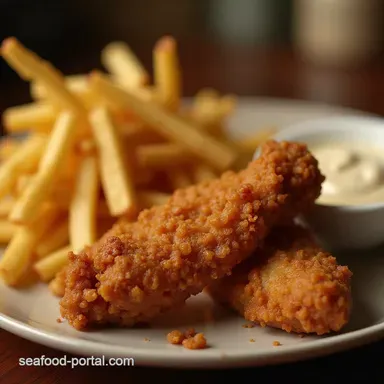
The Emergency Fry Seriously Crispy Fried Chicken No Buttermilk Required

- The Quest for Crunch: Mastering Buttermilk-Free Flavor
- Essential Pantry Components for Superior Fried Chicken without Buttermilk
- Tools of the Trade: What You Need for the Perfect Fry
- Step-by-Step Immersion: From Prep to Perfectly Cooked Poultry
- Elevating Your Experience: Sides and Serving Suggestions
- Troubleshooting and Longevity for Your Homemade Fried Chicken
- Recipe FAQs
- 📝 Recipe Card
The Quest for Crunch: Mastering Buttermilk-Free Flavor
There is something almost primal about the perfect piece of fried chicken. That sound, the satisfying crack as your teeth meet the crust, is the hallmark of true comfort food.
Often, recipes champion the use of buttermilk, suggesting it's the only way to achieve that signature tenderness and adherence. However, I’m here to debunk that myth entirely.
You absolutely can achieve phenomenal crispy fried chicken without buttermilk , using simple ingredients you likely already have on hand. This Fried chicken without buttermilk recipe is designed for speed, flavour, and maximum crunch, proving that sometimes, improvisation leads to the best culinary results.
We’re focusing on creating a quick, acidic brine substitute that performs the tenderizing magic of dairy without needing a trip to the store.
Why This Quick-Soak Method Beats the Sour Cream Substitute
Many alternative recipes lean towards Sour Cream Fried Chicken when buttermilk is unavailable, and while yogurt or sour cream can work, they often introduce too much thickness or a slightly gummy texture if not handled perfectly.
Our method utilizes a swift reaction between milk and an acid (vinegar or lemon juice) to simulate buttermilk's low pH environment instantly. This process is faster and results in a thinner, more effective liquid bath for the poultry.
This accelerated tenderization ensures that the meat remains incredibly juicy, even after being subjected to high heat, which is crucial for How To Make The Best Fried Chicken . This quick-soak brine perfectly preps the protein for the intense heat to follow.
Unlocking Secret Crispy Coatings for Authentic Fried Chicken
The secret to truly crispy texture lies not just in the marinade, but heavily in the dredge itself. To achieve those irresistible, craggy bits that define Southern fried chicken without buttermilk , we are adding cornstarch to our flour mixture.
Cornstarch inhibits gluten development while absorbing just enough moisture to promote an almost shatter-like crust when it hits the hot oil. This technique, combined with a careful, dual-stage frying process, ensures you get a crust that screams quality every single time you bite into your crispy chicken without buttermilk .
Essential Pantry Components for Superior Fried Chicken without Buttermilk
Creating amazing flavour from basic ingredients is the hallmark of great home cooking. For this recipe, we are transforming three pounds of bone-in chicken (thighs and drumsticks are excellent choices for moisture retention) using two distinct flavour applications.
The first is the brine, which requires whole or 2% milk, combined with two tablespoons of sharp white vinegar or lemon juice to create our instant lactic acid bath, seasoned simply with kosher salt, pepper, and a whisper of hot sauce for background warmth.
The second, and arguably most important component, is the dry dredge. You will need two cups of all-purpose flour, which serves as the base, but the supporting cast is vital: half a cup of cornstarch for that extra-crisp factor, one tablespoon each of kosher salt and smoked paprika for colour and depth, and standard kitchen seasonings like garlic powder, onion powder, and a measured pinch of cayenne pepper for gentle heat.
These components, when mixed properly, create the foundation for truly crispy fried chicken without buttermilk .
Tools of the Trade: What You Need for the Perfect Fry

While you can certainly make do with a standard frying pan, mastering the art of Fried chicken without buttermilk relies heavily on temperature stability. Therefore, the primary tool recommendation is a heavy-bottomed pot, such as a sturdy Dutch oven.
This heavy metal retains heat exceptionally well, minimizing temperature drops when you introduce cold chicken. Beyond the vessel, a deep-fry thermometer is non-negotiable. Guessing the oil temperature leads to either soggy, greasy chicken or a burnt exterior hiding raw meat.
Finally, ensure you have long-handled tongs for safe handling and a sturdy wire rack set over a baking sheet ready for draining, this allows air to circulate around the chicken, preventing the bottom crust from steaming itself soft.
The Tangy Liquid Swap: Creating Our DIY Brine Base
Our process for the fried chicken marinade without buttermilk begins by preparing the milk and acid combination. Simply whisking two cups of milk with two tablespoons of white vinegar or lemon juice and letting it rest for five minutes is all it takes.
You’ll notice the mixture slightly thickening and curdling, that’s the immediate chemical reaction creating an acidic environment similar to real buttermilk, ready to tenderize the poultry.
Adding the salt, pepper, and hot sauce directly into this liquid ensures the seasoning penetrates the meat deeply during the required soaking period.
Flour Dredge Breakdown: Achieving Maximum Adhesion and Texture
The dry mix must be thoroughly combined before the chicken is introduced. In a wide, shallow dish, whisk together the flour, cornstarch, salt, paprika, garlic powder, onion powder, cayenne, and dried thyme. The cornstarch is our texture secret weapon; do not skip it! When dredging, the goal is total coverage.
You must firmly press the chicken into the mixture, ensuring every nook and cranny of the meat is encased by the seasoned flour. This robust coating is what protects the meat during the high-heat cooking process.
Choosing the Right Oil for That Golden-Brown Finish
The choice of cooking fat significantly impacts both the flavour and the smoke point of your finished product. For deep-frying, you require an oil with a high smoke point that remains neutral in flavour, allowing the chicken’s seasonings to shine.
Canola, vegetable, or peanut oil are ideal candidates for achieving that perfect fried chicken without buttermilk or eggs that develops a rich, golden hue without tasting oily.
You need enough oil to submerge the chicken pieces by at least two inches, ensuring even heat transfer around the entire piece.
Related Recipes Worth Trying
- The Ultimate Crispy Buttermilk Southern Fried Chicken Recipe — Master authentic juicy Southern Fried Chicken with a shatteringly crisp crust Our foolproof guide guarantees flavour without the smokehouse hassle Get the...
- The Ultimate Fried Ice Cream Recipe Warm Crispy Shell — Learn how to make perfect Mexican Fried Ice Cream at home This recipe delivers a shatteringly crisp warm coating over a frozen centre So simple when you...
- The Ultimate Fried Ice Cream Recipe Rock Solid Centre — Stop soggy centres This easy Fried Ice Cream Recipe delivers a perfectly crisp warm coating every time inspired by traditional Mexican Fried Ice Cream Dessert
Step-by-step Immersion: From Prep to Perfectly Cooked Poultry
With your brine prepared and your dredge ready, the actual transformation of the raw poultry into golden perfection requires a methodical, multi-step approach to temperature management. This technique is what ensures the interior is cooked through and beautifully moist while the exterior achieves that legendary crunch.
Phase One: The Accelerated Marination Process
Once the chicken is submerged in your DIY buttermilk substitute, cover the bowl and place it in the refrigerator. While you could technically use this after an hour, for superior flavour and tenderness, I strongly recommend letting the chicken soak for a minimum of four hours, or ideally, up to four hours.
This resting period allows the mild acid to begin breaking down surface proteins, guaranteeing a succulent result, which is paramount when trying to master How To Make The Best Fried Chicken .
Dredging Technique: Ensuring Crust Integrity Under Pressure
When moving the chicken from the brine to the dredge, never simply shake off the excess; let it drip naturally for a moment. Then, press it firmly into the seasoned flour mixture. For those extra rugged, highly textured shards of crust, the holy grail of fried chicken, perform a quick “double-dip”: after the first thorough coating, dip the piece back into the leftover brine for just one second, then immediately return it to the flour for a final, firm press.
This second layer of moisture reacts with the oil to form those fantastic craggy peaks.
Temperature Control Secrets for Juicy Interiors (The Cooking Zone)
This is where precision matters most. Heat your oil slowly to an initial temperature of 325° F ( 160° C). When you introduce the chicken, the temperature will drop.
Work in small batches, no more than three or four pieces at a time, to prevent the temperature from plummeting too low. Fry these initial batches for 6 to 8 minutes per side.
The goal here is gentle cooking until the internal temperature reaches about 160° F ( 71° C).
The Final Drain: Making Sure Your Fried Chicken Stays Crisp
Once the chicken is mostly cooked through from the initial lower-temperature bath, remove the pieces and allow them to rest on your wire rack for five minutes while you slightly increase the oil temperature to a hotter 375° F ( 190° C).
This short rest allows the surface moisture to evaporate slightly. Return the chicken to the hotter oil for a quick 2-4 minute blast. This second fry is purely for achieving that deep, mahogany colour and sealing the crust, driving the final internal temperature to a safe 165° F ( 74° C).
Immediately upon removal, sprinkle lightly with fine salt to enhance the flavour profile.
Elevating Your Experience: Sides and Serving Suggestions
This intensely flavoured, buttermilk-free chicken stands up beautifully to strong accompanying flavours. While the classic pairing of creamy mashed potatoes and rich gravy is unbeatable for pure comfort, consider introducing something acidic to balance the deep-fried richness.
A sharply vinegared coleslaw, made with thinly shredded cabbage and a mustard-based dressing, offers a perfect foil. Alternatively, pairing with tangy pickled green beans or crisp, chilled cucumber salad adds a necessary bright contrast.
Serving Companions: Pairing Beyond Traditional Southern Staples
To modernize the meal, consider serving alongside a slightly sweet side, like bourbon-glazed carrots or sweet potato fries dusted with cinnamon sugar. For a lighter touch, fresh collard greens braised with a touch of smoked ham hock provide the requisite earthy undertone without weighing the plate down.
The robust flavour profile achieved in this Fried chicken without buttermilk recipe pairs well with almost any robust, flavourful side dish.
Nutritional Snapshot: Calorie Considerations for This Deep-Fried Delight
It’s important to acknowledge that this deep-fried preparation is an indulgence. While the meticulous two-stage frying process helps minimize oil absorption compared to a single, low-temp fry, the calorie count remains significant due to the skin and the cooking fat.
On average, a serving of this rich, flavourful crispy fried chicken without buttermilk can range between 650 and 750 calories, primarily driven by fat content. Enjoy it mindfully, knowing you’ve mastered a truly spectacular cooking technique.
Storing Leftovers: Reviving the Crispiness of Fried Chicken Without Buttermilk
Leftovers require a specific approach to restore that glorious crunch. Avoid the microwave entirely; it is the enemy of crispness. Instead, place the cooled chicken pieces directly onto a wire rack set over a baking sheet and reheat them in an oven or toaster oven preheated to 400° F ( 200° C).
Bake for about 10 to 15 minutes. This method allows dry heat to circulate completely around the crust, effectively re-crisping the coating and reviving much of the texture lost during cooling, ensuring your Fried chicken without buttermilk tastes nearly as good the next day.
Troubleshooting and Longevity for Your Homemade Fried Chicken
Even the best recipes sometimes hit a snag. If your crust is falling off, it almost always points to one of two issues: either the chicken wasn't completely dry before dredging, or the oil temperature was too low during the initial fry, causing the crust to separate before it could properly adhere.
If the chicken is overly dark but undercooked inside, your oil was too hot from the start. Remember the two-stage frying protocol detailed earlier; it’s your best defence against these common pitfalls.
This reliable method ensures you can consistently create the best crispy chicken without buttermilk every time you decide to fry.
Recipe FAQs
How do I get that super crispy crust on my Fried Chicken without buttermilk if I'm using a milk and vinegar soak?
The secret to serious crunch lies in the flour mix and the technique! Make sure you include cornstarch in your dry dredge, it keeps the coating lighter and crispier than flour alone. Also, try the 'double-dip' method: coat, dip back briefly in the brine, and then coat again firmly.
This creates those lovely, craggy bits that make the crust shatter beautifully when you bite in.
My oil temperature keeps dropping when I add the chicken. How can I manage the heat properly for this Fried Chicken without buttermilk recipe?
That temperature drop is the bane of every home fryer's existence! First, ensure you are not overcrowding the pot; fry in small batches, usually 3-4 pieces max. Secondly, use a heavy-bottomed pot like a Dutch oven, as it retains heat much better.
Aim for 325°F (160°C) for the initial fry and be patient as the oil recovers between batches.
Can I use chicken breasts instead of thighs and drumsticks? If so, how do I adjust the cooking time?
Absolutely, you can use breasts, but they are much leaner and cook faster, so watch them closely! Since breasts are thicker but cook quicker internally, you’ll want to reduce the initial frying time by about two minutes per side compared to the bone-in pieces.
Always use a thermometer to ensure they hit 165°F (74°C) without drying out.
I don't want to eat this right away. How should I store leftover Fried Chicken without buttermilk?
For the best results, let the chicken cool completely on a wire rack before storing it, never put hot chicken directly into a sealed container, as trapped steam equals soggy skin! Store it in a single layer in an airtight container in the fridge for up to three days.
Reheat it in a 375°F (190°C) oven for about 10-15 minutes to crisp the skin back up; microwaves are the enemy of crispy skin!
What is the best oil choice for getting that authentic deep-fried flavour and colour?
You need an oil with a high smoke point, so skip the olive oil for this job! Peanut oil is the traditional gold standard as it imparts a clean, slightly nutty flavour that complements the seasoning beautifully. Canola or vegetable oil are excellent, cost-effective alternatives that work just as well for deep frying.
Seriously Crispy Fried Chicken No Buttermilk Required