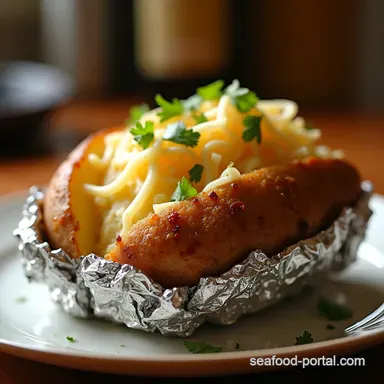
The Ultimate Foilwrapped Jacket Potato Crispy Skin Fluffy Inside
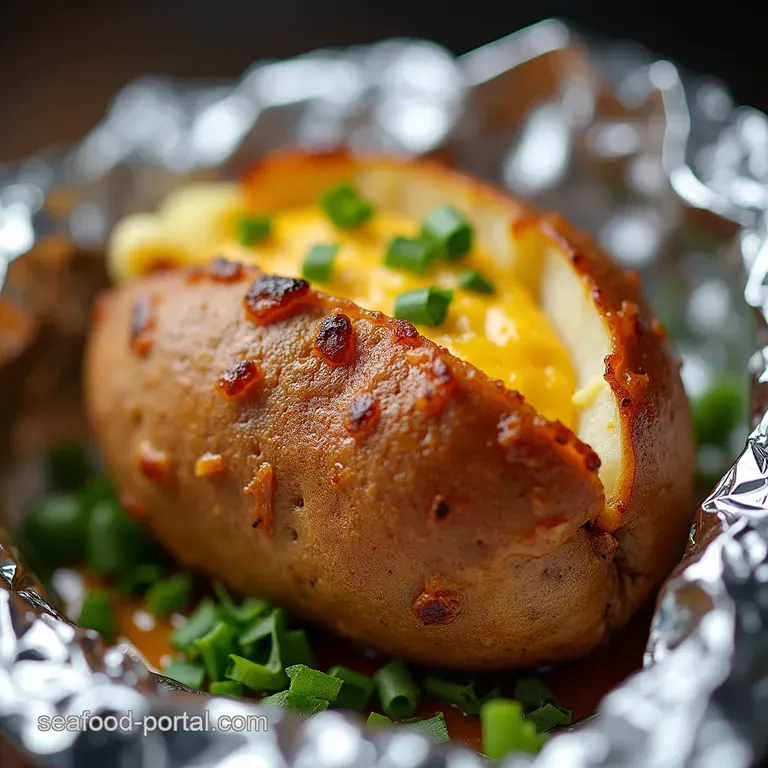
- Why Foil is Your Secret Weapon for Perfect Baked Potatoes in Foil
- Achieving Cloud-Like Fluffiness: Our Unique Approach to Jacket Potatoes
- Essential Components for Superior Spuds
- Tools You'll Need for Foil-Wrapped Success
- Step-by-Step Guide to Flawless Baked Potatoes in Foil
- Mastering the Heat: Oven Temperatures and Timing
- Elevating Your Experience: Toppings That Truly Sing
- Storage Secrets and Reheating for Leftover Loveliness
- Frequently Asked Queries About Your Foil Potatoes
- Recipe FAQs
- 📝 Recipe Card
Why Foil is Your Secret Weapon for Perfect Baked Potatoes in Foil
There are many ways to approach the humble baked potato, but when you seek true perfection, that elusive balance between a shatteringly crisp skin and an interior that dissolves on your tongue, foil wrapping is the key.
This technique is transformative, creating a micro-environment around the spud that traps steam. This captured moisture is what separates a merely good potato from the Perfect Baked Potatoes in Foil .
While some purists might argue against wrapping, claiming it softens the skin, our method counters this by using a precise pre-bake rub and strategic unwrapping time to manage the final texture. This method is the cornerstone of achieving truly Fluffy Baked Potatoes in Foil .
Achieving Cloud-Like Fluffiness: Our Unique Approach to Jacket Potatoes
Our approach to this classic comfort food revolves around harnessing steam to tenderize the starch structure inside the potato, creating that desirable airy consistency. We are aiming for a potato that rivals those found in the finest gastropubs, easily making them excellent Steak Side Dishes Baked Potatoes .
Ditching Soggy Skins: The Science Behind Foil Trapping
The primary purpose of the foil is steam retention. When the heat penetrates the skin, the internal moisture turns to steam. If this steam escapes too quickly, the exterior dries out before the interior is cooked, resulting in a dense, heavy potato.
By tightly wrapping the potato, we force that steam to permeate the flesh, essentially pressure-cooking it from the inside out. This process breaks down the starches efficiently, leading to a lighter texture without requiring excessive cooking time.
This controlled steam release is central to our Baked Potatoes in Foil Recipe .
Meet the Star: Why This Method Guarantees a Superior Spud
The Russet potato, or its British counterpart, the Maris Piper, possesses the high starch content necessary for this fluffy result. Starch granules swell dramatically when cooked in a humid environment, expanding the flesh and creating those beautiful air pockets.
When we combine this naturally starchy spud with the steam retention provided by the foil, the result is consistently superior to air-baking, which often yields a drier, denser interior.
A Hug in a Dish: Comfort Food Reimagined
These foil-wrapped wonders are the epitome of Comfort Dishes Baked Potatoes . They are inherently satisfying, offering a substantial base for any topping. On top of that,, this method lends itself beautifully to Batch Cooking Baked Potatoes .
You can wrap and bake a dozen at once, keeping them warm for hours, making them perfect for entertaining or preparing family meals ahead of time.
Essential Components for Superior Spuds
Creating the best foil-wrapped potatoes requires attention to three core areas: the potato selection, the seasoning blend, and the quality of your wrapping material. Paying heed to these details elevates the entire process from routine cooking to genuine culinary craft.
Tools You'll Need for Foil-Wrapped Success
Fortunately, you don't need specialized equipment. A standard kitchen setup is sufficient, though a good baking sheet is crucial for safety and stability when maneuvering hot potatoes.
Selecting the Ideal Russet: Texture Matters Most
For the best results when making Baked Potatoes in Foil in Oven , choose Russet (or Idaho) potatoes. They are long, have thick skins perfect for robust seasoning, and are loaded with the necessary starch to achieve maximum fluffiness. Aim for uniformly sized potatoes, around 1 pound (450g) each.
This uniformity is vital so they all finish cooking at the same time.
Our Signature Pre-Bake Rub: Salt, Oil, and Aromatic Magic
The secret to achieving a crisp skin despite the foil wrapping lies in the initial rub. We use 2 tablespoons of olive oil mixed with 1 teaspoon of coarse sea salt and ½ teaspoon of freshly ground black pepper.
The oil ensures the skin caramelizes slightly upon exposure to high heat, while the coarse salt draws out residual surface moisture and contributes to texture. This simple combination is essential for developing flavour before the spud even hits the heat.
Maximizing Heat Transfer: Choosing the Right Foil Weight
Do not skimp on your wrapping material here. Thin, standard aluminum foil is prone to tearing, which can compromise the steam seal midway through cooking. We strongly recommend using heavy-duty aluminum foil.
This thicker gauge provides superior durability and better heat retention, ensuring a tight, uniform seal around the potato, which is critical for both Baked Potatoes in Foil in Oven and when considering Baked Potatoes in Foil on Grill .
Related Recipes Worth Trying
- Easy Garlic Butter Baked Scallops Recipe Ready in Under 25 Mins — Make restaurantquality Garlic Butter Baked Scallops tonight This easy recipe uses fresh garlic and lemon for quick elegant weeknight meals scallops
- The Ultimate Fluffy Air Fryer Baked Potato Recipe — Get the crispiest skin and fluffiest inside with this easy air fryer baked potato recipe Foolproof instructions for the perfect jacket spud every time
- Fluffy Air Fryer Baked Potatoes Crispy Skin in Minutes — Get the ultimate fluffy interior and crispy skin on your Air Fryer Baked Potatoes faster than ever This simple time and temperature guide makes them foolproof
Step-by-step Guide to Flawless Baked Potatoes in Foil
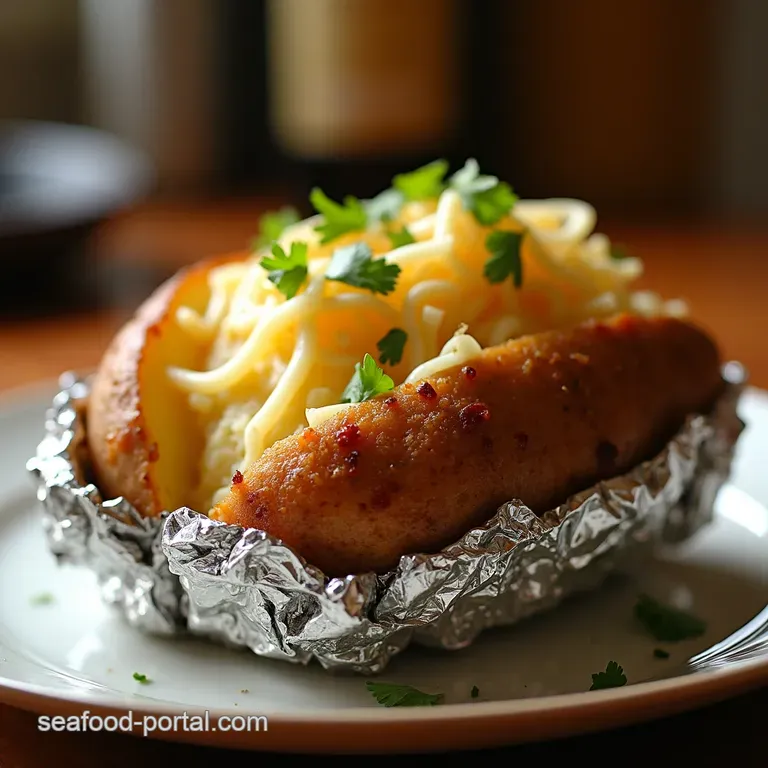
With your ingredients prepped and tools assembled, the journey to potato perfection is straightforward. It relies on careful handling before and during the baking phase.
Prepping Your Potatoes: Scrubbing, Piercing, and Seasoning
Start by thoroughly scrubbing each potato under cool running water using a stiff brush to remove any residual soil. Dry them absolutely completely with a clean towel; moisture inhibits crisping. Next, using a sharp fork or paring knife, pierce each potato 6 to 8 times deeply all around its surface.
This is a safety step, allowing built-up steam to vent safely. Following this, combine the olive oil, sea salt, and pepper and massage this mixture evenly over the entire exterior of each spud.
The Critical Wrapping Technique: Sealing in the Steam
Lay out your four large sheets of heavy-duty foil. Place one seasoned potato in the centre of each sheet. Bring the long edges up together over the top of the potato, folding them over tightly several times until you have a firm seal down the middle.
Then, crimp the open ends securely, creating a snug, airtight package. The goal is a tightly wrapped cylinder that prevents steam from leaking out prematurely.
The Flip Factor: Ensuring Even Cooking and Crispy Edges
Once the potatoes are wrapped, place them seam-side up on a foil-lined baking sheet for stability. A common mistake is leaving them untouched. To ensure even cooking, we incorporate one flip halfway through the baking time. Around the 35-minute mark, carefully use tongs to turn each potato packet over.
This ensures uniform heating from the bottom and top elements of your oven.
Knowing When They're Done: Testing for Ultimate Tenderness
Patience pays off. Depending on the size, these will take between 60 and 75 minutes at 400° F ( 200° C). The true indicator of doneness is resistance.
You are looking for a stage where a thin metal skewer or probe glides into the centre with almost no effort. For the most precise results, an instant-read thermometer inserted through the foil and into the centre should register between 205° F and 210° F ( 96° C, 99° C).
After removing them from the oven, allow them to rest in the foil for 5 to 10 minutes; this resting period allows residual heat to finish the cooking process and redistributes moisture internally.
Mastering the Heat: Oven Temperatures and Timing
For the best Baked Potatoes in Foil in Oven , preheat your oven to 400° F ( 200° C). This moderate-high temperature strikes the perfect balance: hot enough to cook the dense interior thoroughly within an hour, but not so scorching that the outside burns before the inside is done.
If you opt to try Baked Potatoes in Foil on Grill , aim for a cooler section with indirect heat, monitoring closely as grill temperatures fluctuate rapidly, often requiring less time overall than the oven.
Elevating Your Experience: Toppings That Truly Sing
Once cooked, remove the baking sheet from the oven. Handle the potatoes carefully as they are extremely hot. Using a sharp knife, slit each potato lengthwise down the centre, being careful not to cut all the way through to the bottom.
Gently squeeze the sides of the potato inward to force the fluffy interior to erupt outwards. Now, customize! A generous pat of good butter melting into the steam is mandatory. Follow this with sour cream, finely chopped fresh chives, grated sharp cheddar, or perhaps some bacon bits.
These loaded potatoes transform a simple starch into the main event of the meal.
Storage Secrets and Reheating for Leftover Loveliness
These potatoes are fantastic for Batch Cooking Baked Potatoes . If you have leftovers, allow them to cool completely before storage. Store the cooled, cooked potatoes (still in their foil, or tightly wrapped in plastic wrap if you removed the foil) in an airtight container in the refrigerator for up to four days.
To reheat, the best method is often in the oven at 350° F ( 175° C) for about 15–20 minutes, or until heated through.
Alternatively, the microwave works quickly but may slightly reduce the texture refinement achieved in the initial bake.
Frequently Asked Queries About Your Foil Potatoes
We often receive questions about pushing the boundaries of this classic technique. Here are solutions to common queries that arise when making these superb Comfort Dishes Baked Potatoes .
Beyond Butter: Creative Filling Ideas You'll Love
If you’re looking to impress, consider going beyond the basics. Try topping the potato with smoked salmon and capers, or for a vegetarian option, robustly seasoned black beans and avocado salsa.
Another sophisticated option is blue cheese crumbles melted over the hot spud, finished with a drizzle of balsamic glaze.
Making Them Crispier Post-Bake: The Broiler Trick
If, despite our best efforts, you desire an extra-crispy skin, you can employ the broiler trick. After resting the potatoes and slicing them open, lightly brush the exposed skin with a touch more olive oil.
Place them unwrapped directly on a rack under a preheated broiler for 2–4 minutes, watching constantly. This flash of direct heat will crisp the exterior beautifully before you add your cold toppings.
Saving This Recipe? Quick Notes on Future Prep
To simplify future Baked Potatoes in Foil Recipe execution, remember the key steps: Scrub dry, pierce thoroughly, rub aggressively with oil and coarse salt, and wrap tightly in heavy-duty foil.
Cooking at 400° F ( 200° C) for approximately 70 minutes is the consistent standard for medium-large Russets.
Nutritional Snapshot: Estimating Calories Per Serving
Based purely on one medium Russet potato seasoned with the standard olive oil and salt rub, you are looking at approximately 230 calories before any toppings are applied. Keep in mind that the sodium content can vary widely depending on how liberally you apply the coarse sea salt, so adjust accordingly based on your dietary needs.
Recipe FAQs
Why are my Baked Potatoes in Foil coming out soggy instead of having a crispy skin?
Sogginess usually happens if the potatoes weren't completely dry before you oiled and wrapped them, or if you didn't use heavy-duty foil to trap the steam effectively. For that proper crispy exterior, ensure you pat them bone dry and consider rubbing them with a bit more oil just before they go into the oven.
How long do I actually need to bake these potatoes for? Mine seem to take forever!
For medium to large potatoes (like Maris Pipers or Russets), the general rule is about 60 to 75 minutes at 400°F (200°C). If they are taking much longer, it’s usually because they are enormous, or your oven temperature is running a bit cool.
Always check for doneness by piercing them, if a fork slides in easily, they’re ready for the butter!
Can I make these Baked Potatoes in Foil ahead of time, and how should I reheat them?
Yes, you absolutely can! Once fully cooked, let them cool slightly, and then store them in the fridge for up to three days. To reheat, pop them back into a moderate oven (around 350°F/175°C) for about 15-20 minutes until piping hot; this helps bring some crispness back to the skin.
Should I wrap them in foil right from the start, or is there a better method for crisp skin?
Wrapping them in foil from the start is brilliant for ensuring a super fluffy interior because it traps all the steam beautifully. If you really want that pub-style skin, try unwrapping them for the last 10–15 minutes of cooking, rubbing the exposed skin with a bit more oil or butter, and letting them crisp up directly in the oven heat.
What’s the absolute must-do step to make sure my potatoes don't explode in the oven?
That’s a very important query; no one wants a potato bomb going off in their kitchen! The critical step is piercing the skin deeply all over before seasoning and wrapping. Those deep pricks act as vents, allowing the steam pressure to safely escape during the long bake, so don't skip that step!
Fluffy Baked Potatoes in Foil The Ultimate Crispy Skin Recipe