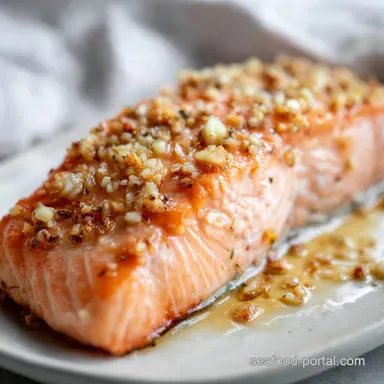
Baked Salmon Fillet: Honey Lemon Glazed
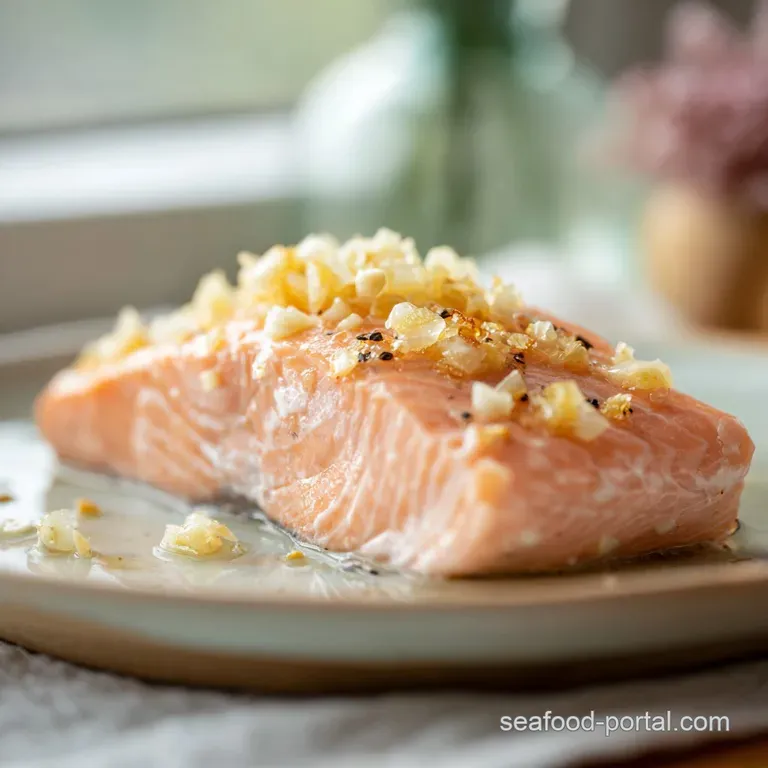
- Time: 5 min active + 15 min cook + 3 min rest = Total 23 mins
- Flavor/Texture Hook: Velvety, flaky fillets with a zesty, sticky sweet crust
- Perfect for: Busy weeknights, healthy meal prep, or an impressive date night dinner
- The Best Easy Recipe for Baked Salmon
- The Secret to Silky Fish
- Component Analysis
- Ingredients You Actually Need
- The Essential Kitchen Gear
- Step by Step Cooking Guide
- Fixing Common Salmon Mistakes
- Troubleshooting Common Issues
- Switching Up Your Ingredients
- Adjusting the Batch Size
- Salmon Truths and Myths
- Keeping Your Salmon Fresh
- Serving for Maximum Impact
- Recipe FAQs
- 📝 Recipe Card
The Best Easy Recipe for Baked Salmon
That first scent when you open the oven door is what gets me. It's that sharp, bright hit of lemon cutting through the rich, buttery aroma of the fish, mixed with a hint of toasted garlic. If you've ever had salmon that came out like a piece of dry cardboard, I feel your pain.
I spent a few years treating salmon like a steak, overcooking it because I was terrified of it being "raw" in the middle.
The turning point for me was realizing that salmon doesn't need a long time in the heat; it needs the right environment. I stopped guessing and started focusing on the surface moisture and the exact timing.
This recipe for baked salmon is the result of those lessons, focusing on a over high heat blast that locks in the moisture while creating a glaze that actually clings to the fish instead of sliding off.
You can expect fillets that shatter slightly when you hit them with a fork, revealing a translucent, tender center. We're playing with contrasts here: the bright acidity of the lemon against the deep, earthy notes of oregano, and the sticky sweetness of honey against the savory punch of garlic.
It's balanced, fast, and honestly, it's the most reliable way to get dinner on the table without stressing over the stove.
The Secret to Silky Fish
Moisture Control: Patting the fish bone dry removes surface water that would otherwise create steam, which prevents the glaze from sticking and stops the fish from "boiling" in its own juices.
High Heat Blast: Using 200°C ensures the exterior sets quickly, creating a barrier that keeps the internal fats from leaking out too fast.
Honey Caramelization: The honey doesn't just add sweetness; it creates a sticky matrix that traps the garlic and lemon against the fillet, preventing the flavor from evaporating.
Carryover Cooking: Letting the fish rest for 3 mins allows the internal temperature to stabilize, ensuring the center is cooked through without the edges becoming tough.
| Method | Time | Texture | Best For |
|---|---|---|---|
| Oven Baked | 15 mins | Velvety & Even | Large batches, hands off cooking |
| Stovetop | 8-10 mins | Crispy Skin | Single fillets, maximum crust |
| Poached | 10-12 mins | Soft & Buttery | low-fat diets, delicate salads |
Component Analysis
| Ingredient | Science Role | Pro Secret |
|---|---|---|
| Honey | Thickening Agent | Helps the garlic stick to the fish instead of burning |
| Lemon Juice | Acid Balance | Breaks down tough proteins for a more tender bite |
| Olive Oil | Heat Conductor | Distributes heat evenly across the fillet surface |
| Sea Salt | Osmotic Draw | Draws out excess surface moisture for a better crust |
Ingredients You Actually Need
For this recipe for baked salmon, quality is everything. Since there are so few ingredients, you can really taste the difference between a fresh lemon and a bottled juice.
- 4 salmon fillets (6 oz each) Why this? Standard size ensures they all cook at the same rate
- 1/2 tsp sea salt Why this? Coarser grains provide better seasoning distribution
- 1/4 tsp cracked black pepper Why this? Freshly cracked adds a floral heat
- 2 tbsp extra virgin olive oil Why this? High smoke point and rich flavor base
- 1 tbsp fresh lemon juice Why this? Fresh acidity cuts through the fatty omega-3s
- 3 cloves garlic, minced Why this? Fresh garlic provides a pungent, savory depth
- 1 tsp honey Why this? Natural sugar for a golden brown glaze
- 1/2 tsp dried oregano Why this? Earthy notes that complement the lemon
Ingredient Swaps
| Original Ingredient | Substitute | Why It Works |
|---|---|---|
| Honey (1 tsp) | Maple Syrup (1 tsp) | Similar viscosity. Note: Adds a woody, autumnal sweetness |
| Dried Oregano | Dried Thyme | Similar earthy profile. Note: Slightly more lemony/floral |
| Olive Oil | Melted Butter | Higher richness. Note: Burns faster; watch the oven closely |
| Lemon Juice | Lime Juice | Similar acidity. Note: Gives it a more tropical, zesty vibe |
I've found that if you're looking for a different flavor profile, you can easily pivot. For something with a bit more kick, try my Honey Ginger Soy Glaze which swaps the oregano for soy and ginger.
The Essential Kitchen Gear
You don't need a professional kitchen for this, but a few specific tools make a huge difference. I always use a rimmed baking sheet; if you use a flat one, any oil or honey that drips can cause your oven to smoke.
Parchment paper is non negotiable. Salmon is notoriously sticky, and if you try to scrub it off a metal pan, you'll spend your whole evening scrubbing. I also recommend a small whisk or even a fork to ensure the glaze is completely emulsified before it hits the fish.
Chef Note: If you have a meat thermometer, use it. Salmon is best when the internal temperature hits 52°C (125°F) for medium rare or 60°C (140°F) for medium.
Step by step Cooking Guide
Right then, let's crack on with the actual cooking. This is where the magic happens.
Phase 1: Prepping the Foundation
- Preheat the oven to 200°C (400°F) and line a large rimmed baking sheet with parchment paper. Note: Doing this first ensures the oven is fully saturated with heat.
- Pat the salmon fillets bone dry with a paper towel. Squeeze gently to remove any lingering moisture from the surface.
Phase 2: Crafting the Flavor Profile
- In a small mixing bowl, whisk together the olive oil, lemon juice, minced garlic, honey, and dried oregano. Whisk until the mixture looks uniform and not separated.
- Place the fillets on the prepared baking sheet. Season each side with sea salt and cracked black pepper.
Phase 3: The Baking Process
- Spoon the glaze over each piece of fish. Press the mixture into the flesh with the back of the spoon to ensure total coverage.
- Bake for 12-15 minutes until the fish is opaque and separates easily along the natural lines when pressed with a fork.
Phase 4: The Finishing Touch
- Remove the pan from the oven immediately to prevent overcooking.
- Let the salmon rest on the pan for 3 minutes. Note: This lets the juices redistribute so the fish stays velvety.
| Checkpoint | Target | Goal |
|---|---|---|
| Surface Prep | Bone Dry | Prevents steaming, encourages browning |
| Internal Temp | 55-60°C | Ensures juicy center, no raw middle |
| Rest Time | 3 minutes | Prevents juice loss upon slicing |
Fixing Common Salmon Mistakes
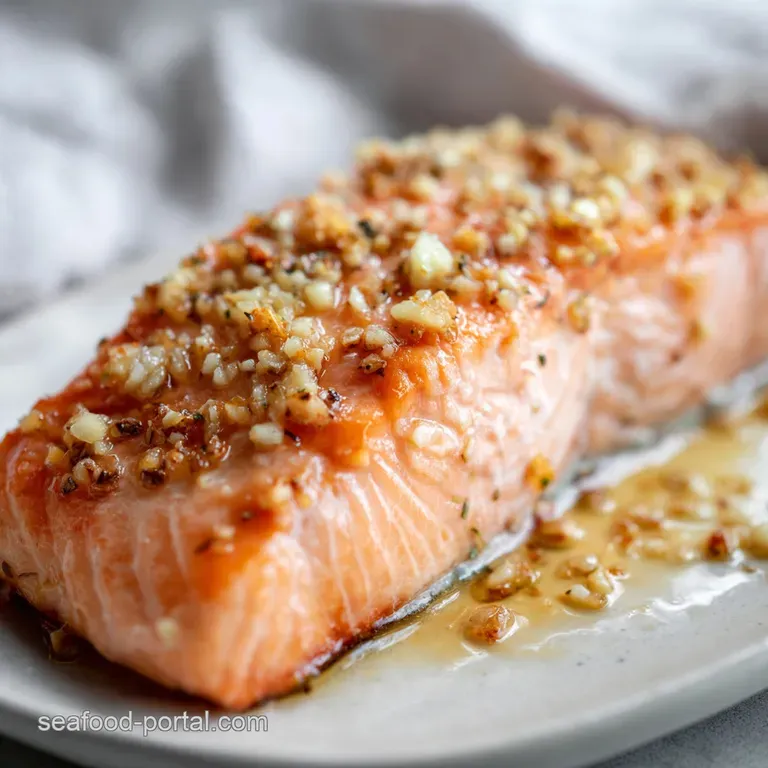
Most people struggle with salmon because it has a very narrow window between "perfectly tender" and "dry as a bone." The most common issue is overcooking, which usually happens because people ignore carryover cooking.
Troubleshooting Common Issues
| Issue | Solution |
|---|---|
| Why Your Salmon Is Dry | This usually happens because the fillets are too thin or they've stayed in the oven for even 2 minutes too long. High heat cooks the edges faster than the center, and once the proteins tighten too muc |
| Why the "White Stuff" Appears | You might see a white, gooey substance oozing out of the fish. This is called albumin. It's just a protein that pushes out when the muscle fibers contract too quickly. It's harmless, but to minimize i |
| Why the Glaze Doesn't Stick | If the glaze slides off, it's almost always because the fish was damp when you applied the sauce. Water creates a barrier between the oil based glaze and the protein. |
Common Mistakes Checklist
- ✓ Did you pat the fish dry? (Crucial for the crust)
- ✓ Is the oven fully preheated to 200°C? (Prevents steaming)
- ✓ Did you check for "flaking" at 12 minutes? (Prevents dryness)
- ✓ Did you let it rest for 3 minutes? (Ensures juiciness)
- ✓ Did you use fresh garlic? (Avoids the metallic taste of powder)
Switching Up Your Ingredients
If you want to change the vibe of this recipe for baked salmon, you can easily swap the flavor base. For a more buttery, rich experience, replace the olive oil with melted grass fed butter. This makes the fish feel more like a steakhouse side.
For those following a low carb or keto lifestyle, the honey is the only "problem" ingredient. You can swap the honey for a tiny pinch of monk fruit sweetener or simply leave it out. The lemon and garlic are still plenty powerful on their own.
If you're feeding a crowd, I highly recommend turning this into a sheet pan meal. Toss some asparagus or thin sliced zucchini around the fillets. They'll cook in the same 15 minute window and soak up the extra lemon garlic glaze. According to Serious Eats, roasting vegetables at high temperatures concentrates their natural sugars, making them the perfect pairing for the rich salmon.
Adjusting the Batch Size
Cooking for one or two (Scaling Down): If you're only making one or two fillets, use a smaller baking tray. This keeps the heat concentrated. I usually reduce the bake time by about 20% (around 10-12 mins) because there's less mass in the oven to absorb the heat.
Cooking for a crowd (Scaling Up): When doubling or tripling the recipe, don't just triple the salt and spices, start with 1.5x the seasonings and taste your glaze first. If you have to use two separate pans, rotate them halfway through the cooking time to ensure the heat is distributed evenly.
If you're using a very large sheet pan with 8+ fillets, lower the oven temp by 10°C and add 2-3 minutes to the time. This prevents the edges of the pan from burning before the middle fillets are cooked.
Salmon Truths and Myths
Myth: Searing seals in the juices. This is the biggest lie in the kitchen. Searing creates flavor and a crust, but it doesn't "seal" anything. Moisture loss happens regardless of whether you sear or bake. The key to juicy fish is the internal temperature, not the initial sear.
Myth: You should cook salmon until it's opaque all the way through. Actually, the most tender salmon is slightly translucent in the very center. If you wait until it's 100% opaque, you've likely already passed the point of maximum juiciness.
Myth: Frozen salmon is lower quality. Not necessarily. Many "fresh" fillets at the store were frozen at sea. The trick is to thaw them slowly in the fridge overnight rather than using a microwave, which can toughen the proteins.
Keeping Your Salmon Fresh
Store any leftovers in an airtight container in the fridge for up to 3 days. To reheat, avoid the microwave if you can, as it will make the fish rubbery. Instead, pop it in a 150°C oven for 5-7 minutes just to warm it through.
For the freezer, you can freeze the raw fillets in vacuum sealed bags for up to 2 months. If you have cooked salmon left over, don't freeze it, the texture changes too much. Instead, flake the leftover fish into a bowl and mix it with some mayo and herbs to make Salmon Cakes the next day.
To avoid waste, save the salmon skin if you're using skinless fillets (or if you removed the skin). You can crisp the skin in a pan with a little oil to make "salmon chips," or toss the scraps into a fish stock for a deep, savory base for a chowder.
Serving for Maximum Impact
To make this look like a gourmet meal, don't just plop the fillet on a plate. Slice some extra fresh lemons into thin rounds and sear them in a pan for 2 minutes until they're caramelized, then place them on top of the fish.
A sprinkle of fresh parsley or chopped chives adds a pop of green that contrasts beautifully with the golden brown glaze. I love serving this on a bed of wilted spinach or a scoop of quinoa.
If you want a more "restaurant" feel, drizzle a bit of extra lemon juice over the fish right before serving. That final hit of acid wakes up all the flavors and makes the honey glaze feel lighter and more balanced. It's a small touch, but it's the difference between a home meal and a curated experience.
Recipe FAQs
Should I cover my salmon when baking in the oven?
No, leave it uncovered. This allows the glaze to caramelize and prevents the fish from steaming, which preserves the texture.
How to bake salmon for gastritis?
Omit the garlic and lemon juice. These specific ingredients can be irritating to a sensitive stomach, so use only olive oil and salt.
How long should you cook the salmon in the oven?
Bake for 12–15 minutes at 400°F (200°C). The fillets are ready when they are opaque and separate easily along the natural lines when pressed with a fork.
How to cook salmon for a diabetic?
Remove the honey from the glaze. Eliminating the sweetener keeps the meal low-glycemic while maintaining the savory flavor of the garlic and oregano.
Why is there a white substance on my cooked salmon?
This is albumin, a harmless protein. It pushes out of the muscle fibers when the fish cooks too quickly; minimize this by ensuring you don't overcook the fillets.
What happens if the glaze doesn't stick to the fish?
Pat the fillets bone-dry with a paper towel before seasoning. Moisture on the skin prevents the oil and honey from adhering. For a more intense crust, try a homemade seasoning blend.
Is it true that salmon must be frozen before baking to prevent sticking?
No, this is a common misconception. Using parchment paper and ensuring the fish is dry is the most effective way to prevent sticking without compromising the texture.
Recipe for Baked Salmon in 20 Minutes