Savory Pan Fried Salmon Cakes with Tangy Sauce
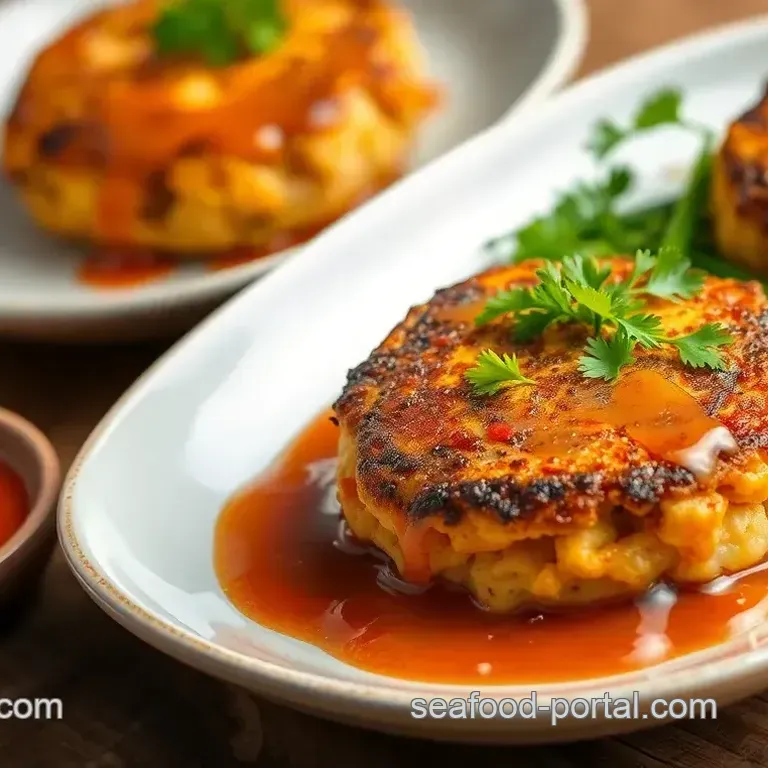
- Time:15 minutes active + 30 minutes chilling
- Flavor/Texture Hook: Deep mahogany crust with a tangy, creamy dip
- Perfect for: Quick weeknight dinner or a fancy appetizer
That sharp, aggressive sizzle when the patty hits the oil is the best part. I once tried to rush the process by skipping the fridge step because I was hungry, and the cakes didn't fry, they disintegrated. I ended up with a pan of salmon scramble instead of perfect patties.
That mistake proved that patience is a vital ingredient in this recipe.
If you need a dependable meal, try our signature recipe for Savory pan fried Salmon Cakes with Tangy Sauce. This dish relies on contrast: the rich, salty depth of the fish meets a bright, zesty sauce that cuts through the fat. It is a sophisticated dish that requires minimal effort once the patties are chilled.
Now, let's get started. We are using canned salmon because it is widely available and actually maintains its structure better than fresh fillets for this specific style of cake. Believe me, you don't need a high-end fishmonger to create something this delicious.
Savory pan fried Salmon Cakes: The Guide
Before we start mixing, let's look at the numbers. This recipe makes enough for about three people. It's a fast process, but that total time includes the resting phase, which is non negotiable if you want your cakes to stay together.
| Metric | Detail |
|---|---|
| Prep Time | 15 minutes |
| Cook Time | 10 minutes |
| Total Time | 55 minutes |
| Yield | 3 servings |
| Internal Temp | 145°F (standard for fish) |
Since we're frying these, the temperature of your oil is the make or-break factor. If the oil is too cold, the panko soaks up the grease and gets soggy. If it's too hot, you'll have a burnt shell and a cold center. We're aiming for that shimmer just before the smoke starts.
What Each Ingredient Does
Getting the balance right means understanding why these specific items are in the bowl. We aren't just throwing things together; we're building a structure that can survive a hot skillet.
The Base Canned salmon provides the bulk. I prefer the skin on version because you can just flake it all together, and the skin adds a bit of extra richness. The egg acts as the glue, while the mayonnaise adds moisture so the interior doesn't dry out during the sear.
The Texture and Seasoning Panko is a must here. Unlike standard breadcrumbs, panko is flaky and airy, which creates those little jagged edges that brown beautifully. Old Bay seasoning brings that classic coastal vibe, and the lemon zest adds a high note that keeps the fish from tasting too "heavy."
The Sauce The sauce is a balance of fat and acid. Mayonnaise provides the creamy base, while the lemon juice and Dijon mustard provide the "tang." The honey is just a tiny touch to round out the sharpness, and fresh dill adds a grassy, clean finish.
Tools You'll Need
While you can manage with basic gear, having these specific tools makes the process much simpler.
- Large Mixing Bowl: Provides enough space to fold in the panko without crushing the salmon flakes.
- Non Stick or Cast Iron Skillet: Cast iron is ideal for a deep crust, though a quality non-stick pan works well if you're concerned about sticking.
- Parchment Lined Sheet: This ensures the patties don't cling to the tray while they chill.
- Fork: Use this for flaking the salmon. Avoid using a masher; you want to maintain some texture rather than creating a paste.
- Small Whisk: Perfect for ensuring the sauce is smooth and glossy.
Cooking Process
Ready to start? Follow these directions carefully, especially the chilling phase.
- Flake the salmon. Put the drained fish in a large bowl and use a fork to break it up until no large chunks remain. Note: Leave a few small flakes for better texture.
- Mix the binders. Stir in the beaten egg, 2 tbsp of mayonnaise, lemon zest, and sliced green onions. Add the Old Bay, salt, and pepper.
- Fold in panko. Gently mix in the 1/2 cup of panko breadcrumbs by hand. Note: Do not overmix or the cakes will become rubbery.
- Shape the patties. Divide the mixture into 6-9 equal portions. Form them into disks about 3/4 inch thick.
- Chill the mix. Place the patties on a parchment-lined sheet and refrigerate for 30 minutes.
- Heat the oil. Set a skillet to medium-high and warm 2 tbsp of vegetable oil. Wait for the oil to begin shimmering before you add the salmon.
- Sear the cakes. Carefully place the patties in the pan. Cook for 3-5 minutes on each side until a dark, caramelized crust forms.
- Whisk the sauce. While the fish is frying, combine 1/4 cup mayo, lemon juice, Dijon, honey, and dill in a small bowl.
Pro Tip: If using a cast iron pan, heat it thoroughly before adding the oil. This ensures a better sear and a naturally non-stick surface.
Avoiding Kitchen Disasters
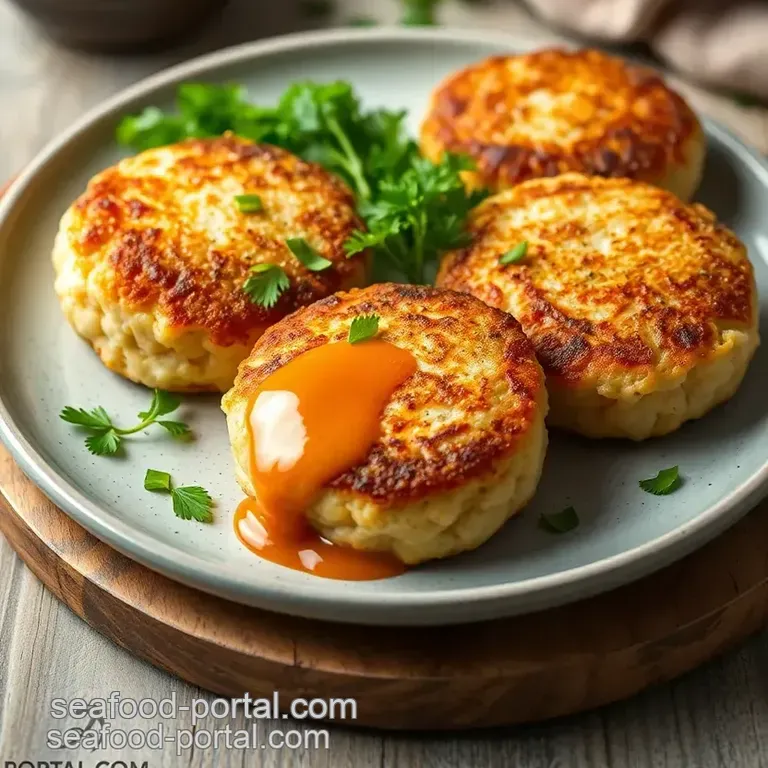
Unexpected issues can still arise. A frequent problem is the "crumble," where the cakes split as soon as they are flipped. This typically occurs if the binders haven't set properly or if the pan wasn't hot enough to quickly sear the exterior.
Fixing a Crumbling Patty
If the mixture is too loose to form a patty, don't worry. Simply stir in an additional tablespoon of panko and wait five minutes. Should a cake break while frying, use your spatula to carefully press the pieces back together and let it cook for one more minute to allow the crust to bond.
Managing Heat Issues
If the exterior has browned too deeply while the center remains mushy, your temperature is too high. Reduce the burner to medium and place a lid over the pan for 60 seconds. This method traps the heat, ensuring the middle cooks through without over-browning the outside.
Solving Sauce Separation
Should your sauce appear oily or separated, the lemon juice may have been stirred in too rapidly. Whisk it vigorously for 30 seconds, or stir in a small pinch of honey to help the emulsion stabilize.
| Problem | Fix |
|---|---|
| Cakes fall apart | Add 1 tbsp panko and chill 15 mins more |
| Burnt outside, raw inside | Lower heat and cover with a lid |
| Sauce is too tart | Add 1/4 tsp more honey |
| Patties sticking to pan | Wait for oil to shimmer before frying |
Creative Twists and Swaps
Feel free to adapt this dish based on the ingredients you have on hand. If you'd prefer an alternative to salmon, the same method works great for these pan fried tuna cakes.
Ingredient Swaps For those with dietary restrictions, here are a few simple alternatives. You can substitute panko with almond flour for a low-carb version, though the crust will be softer. As a replacement for Old Bay, combine paprika and celery salt with a dash of cayenne.
- Spicy
- Add 1 tsp of Sriracha and some diced jalapeños to the salmon mix.
- Mediterranean
- Use feta cheese instead of some of the mayo and swap the dill for fresh parsley.
- Zesty
- Double the lemon zest and add a pinch of crushed red pepper.
Method Comparison While the pan is my favorite, the oven is a great alternative. Here is how they compare:
| Feature | Stovetop | Oven |
|---|---|---|
| Crust | Deep mahogany, very crispy | Lighter gold, softer |
| Effort | Requires flipping/watching | Set and forget |
| Health | Higher oil usage | Lower fat |
Storage Guidelines
These Savory pan fried Salmon Cakes keep well if you handle them right. Store cooked patties in a sealed container in the cooler for up to 3 days. When you're ready to eat them again, don't use the microwave, it makes them soggy.
Instead, toss them back in a dry skillet over medium heat for 2 minutes per side to bring back the crunch.
If you want to freeze them, do it before frying. Shape the raw patties, freeze them on a tray for an hour, then move them to a freezer bag. They'll stay good for about 2 months. You can fry them straight from the freezer; just add 1-2 minutes to the cook time per side.
To avoid waste, use any leftover lemon halves by squeezing the juice into your water or using the peel for zest in other recipes. If you have leftover sauce, it works brilliantly as a spread for a turkey sandwich or a dip for raw veggie sticks.
How to Serve and Enjoy
Presentation matters, but these are essentially comfort food, so keep it simple. I love serving them on a platter with a big dollop of the tangy sauce in the center for dipping.
Pairing Suggestions Since the fish is rich, you need something bright on the side. A crisp cucumber salad with rice vinegar or a pile of steamed asparagus with lemon works best. If you want something heartier, a side of wild rice or a simple quinoa salad adds a nice earthy contrast. While the honey mustard sauce is great, some people prefer a creamy dill sauce for a brighter taste.
The Final Touch Garnish the plates with extra fresh dill and a wedge of lemon. The hit of fresh citrus juice right before eating wakes up all the flavors in the Savory pan fried Salmon Cakes.
Goal Based Adjustments Depending on what you're after, you can tweak the final result.
| Goal | What to change |
|---|---|
| Extra Crunch | Increase panko by 2 tbsp |
| Lighter Taste | Swap mayo for Greek yogurt |
| Bolder Flavor | Add extra Old Bay |
The Chill Factor
The most important part of this whole process is the 30 minute rest in the fridge. It isn't just about convenience; it's about chemistry.
The Binding Process Chilling allows the panko to absorb the moisture from the egg and mayonnaise. This creates a stable network that holds the salmon together. Without this, the patties are too loose and will likely break when you flip them.
The Searing Effect When a cold patty hits hot oil, it creates a faster temperature gradient. This helps the outside brown quickly while keeping the inside moist. According to USDA guidance, you want the fish to hit an internal temperature of 145°F, and the chill helps you reach that without overcooking the exterior.
For more data on the nutritional value of canned salmon, you can check USDA FoodData Central. It's a great resource for seeing how much protein you're actually getting in each serving.
Ultimately, these Savory pan fried Salmon Cakes are all about that balance of a shattering crust and a tender, flavorful center. Once you stop rushing the process and let the fridge do its work, you'll never go back to the "scramble" method. Enjoy the sizzle!
Recipe FAQs
What is the secret to a good salmon cake?
Chill the patties for 30 minutes before they hit the pan. This step prevents them from flattening and helps them hold their shape during the searing process.
Which binder works best for these patties?
A combination of beaten egg and panko breadcrumbs is the best choice. These ingredients bind the flaked fish and create a sturdy, cohesive structure.
Can canned salmon be used here?
Canned salmon is the preferred choice for this recipe. Its texture allows it to blend seamlessly with the seasonings and binders for a consistent bite.
How to ensure a shatter crisp crust when pan-frying?
Heat vegetable oil until it shimmers over medium-high heat. Sear the chilled patties for 3-5 minutes per side without disturbing them until they reach a deep mahogany color.
Why is my salmon cake mixture falling apart in the pan?
You likely skipped the chilling phase or flipped the cakes too early. Wait for a hard crust to form before attempting to flip the patties.
Is it true I must pan fry for the best texture?
Actually, no. You can bake them if you want a lighter option, though pan-frying provides the most crunch. These patties pair perfectly with a spicy Cajun remoulade for a professional finish.
Savory pan fried Salmon Cakes: Crispy