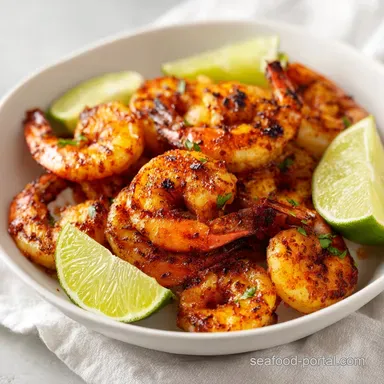
Mexican Garlic Lime Shrimp: Authentic and Zesty
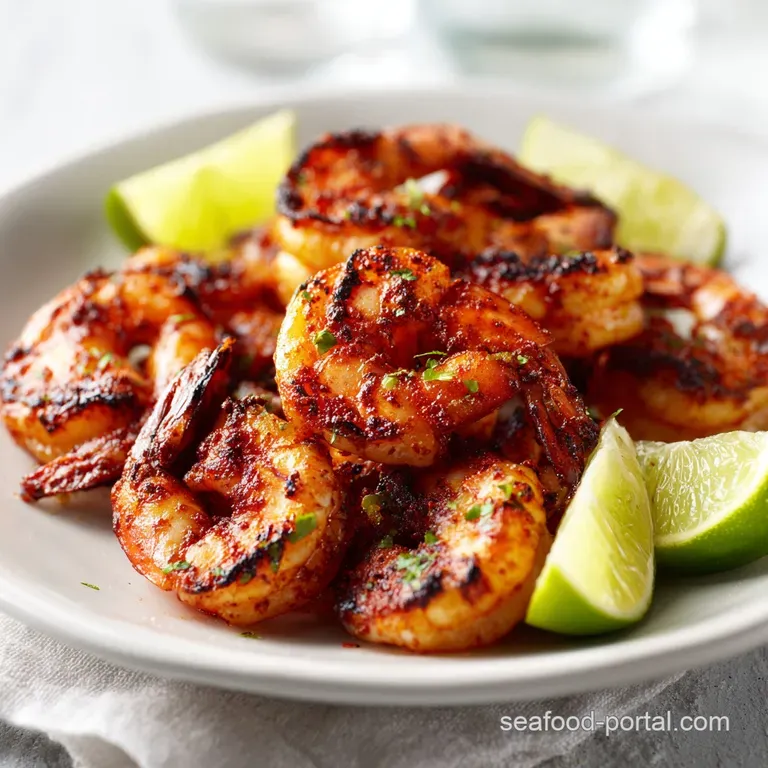
- Time: 5 min active + 10 min cook = Total 15 minutes
- Flavor/Texture Hook: Zesty, buttery glaze with a firm, snap like texture
- Perfect for: Quick weeknight dinner or a flashy appetizer for guests
Mexican Shrimp Recipe with Garlic
Ever wondered why restaurant shrimp always have that deep, reddish brown color while home cooked shrimp often look grey and boiled? I used to struggle with this, thinking I just didn't have the right pan. Then I realized the secret isn't the equipment, it's the moisture.
I remember making this for a small get together a few years back. I rushed the process, threw the shrimp in while they were still damp, and ended up with a pan full of grey, rubbery seafood. It was a total letdown. But after experimenting with drying the protein and adjusting the heat, I found the sweet spot.
This Mexican Shrimp Recipe with Garlic and Lime is the only one you'll ever need.
You can expect a dish that smells like a coastal Mexican market, with the aroma of toasted garlic and smoked paprika hitting you the moment the pan heats up. We're aiming for a velvety glaze that clings to the shrimp, providing a sharp contrast to the charred edges.
Why Most Recipes Fail
Most people treat shrimp like they're cooking chicken, but these little guys are far more temperamental. If you leave them in the pan for even sixty seconds too long, they turn into pencil erasers.
Surface Moisture: Water is the enemy of the sear. If the shrimp are wet, they steam instead of browning, which kills the flavor.
Garlic Timing: Minced garlic burns in seconds at high heat. By slicing it thinly instead, we create a buffer that allows the garlic to infuse the oil without turning bitter.
Acid Integration: Adding lime juice too early can "cook" the shrimp via acidity (like ceviche) and prevent a good crust. Adding it at the end preserves the bright, zesty pop.
| Approach | Prep Time | Texture | Best For |
|---|---|---|---|
| Fresh Ingredients | 10 minutes | Snappy, vibrant | Special dinners |
| Shortcut/Frozen | 5 minutes | Softer, consistent | Tuesday night |
The Recipe Specs
Let's look at what's happening inside the pan. It's all about the interaction between the fats and the aromatics.
Aromatic Infusion: The olive oil acts as a carrier, pulling the flavor from the sliced garlic and distributing it evenly across the shrimp.
The Spice Rub: Smoked paprika and cumin don't just add color, they create a dry barrier that helps the shrimp develop a mahogany crust.
Emulsion Finish: The quick toss of lime juice and residual butter/oil at the end creates a thin, velvety sauce that coats every piece.
| Ingredient | Science Role | Pro Secret |
|---|---|---|
| Sliced Garlic | Flavor Base | Slicing prevents the "bitter burn" of minced garlic |
| Smoked Paprika | Color & Depth | Use a high-quality Spanish pimentón for a deeper hue |
| Lime Juice | Brightness | Always use fresh; bottled lime has a metallic aftertaste |
The Component List
I've kept this list tight. Don't feel the need to add random spices, as they'll just muddy the clean flavor of the garlic.
- 1 lb (450g) large shrimp, peeled and deveined Why this? Large shrimp hold their shape better during over high heat searing
- 2 tbsp (30ml) extra virgin olive oil Why this? High smoke point and classic Mediterranean base
- 1/2 tsp (3g) ground cumin Why this? Adds an earthy, warm undertone
- 1/2 tsp (3g) smoked paprika Why this? Provides that characteristic "grilled" flavor without a grill
- 1/4 tsp (1.5g) sea salt
- 1/4 tsp (1g) cracked black pepper
- 5 cloves (15g) garlic, thinly sliced Why this? Slices caramelize slower than mince
- 2 tbsp (30ml) fresh lime juice Why this? Cuts through the richness of the oil
- 1 tsp (2g) lime zest Why this? Concentrated citrus oils for aroma
- 1/4 cup (15g) fresh cilantro, chopped
- 1 small pinch (0.5g) red pepper flakes Why this? A subtle back end heat
Quick Substitutions
| Original Ingredient | Substitute | Why It Works |
|---|---|---|
| Olive Oil | Avocado Oil | Higher smoke point. Note: Neutral flavor, less fruity |
| Smoked Paprika | Sweet Paprika | Similar color. Note: Loses the smoky depth |
| Cilantro | Flat Leaf Parsley | Fresh green finish. Note: Much milder, lacks the citrusy punch |
Essential Kitchen Gear
You don't need a fancy setup, but the pan matters. A cast iron skillet is my go to because it holds heat better than anything else. If you don't have one, a stainless steel pan works, but avoid non stick if you want a real crust.
Chef's Note: If you're using a non stick pan, you might need to sear the shrimp in two batches. Overcrowding the pan drops the temperature, and you'll end up with steamed shrimp instead of seared ones.
I also recommend a fish spatula. It's thin and flexible, meaning you can flip the shrimp without tearing that lovely mahogany crust we're building.
From Prep to Plate
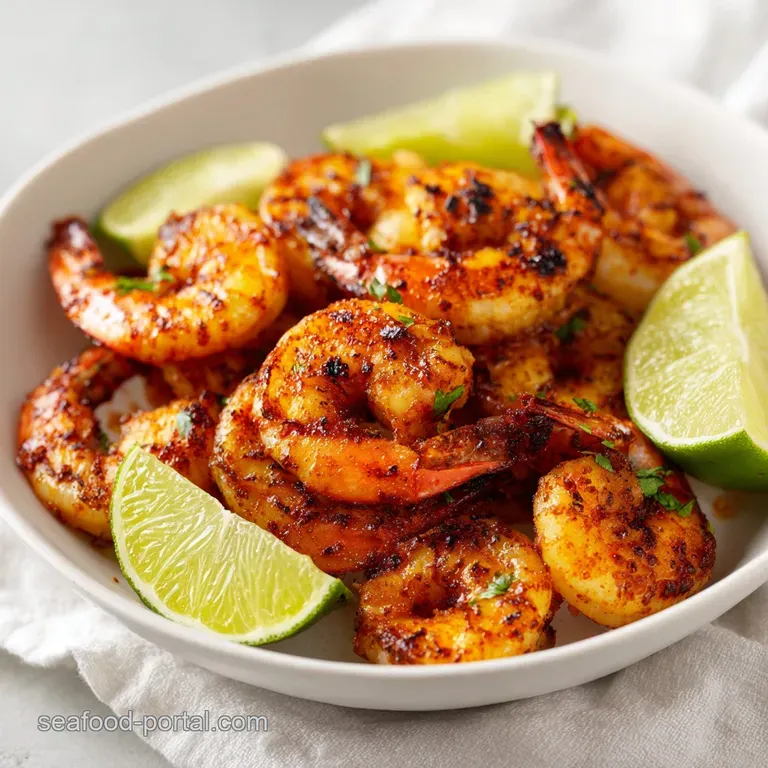
Right then, let's get cooking. Pay attention to the smells, as they'll tell you exactly when to move to the next step.
- Pat the shrimp completely dry with paper towels. Note: Any leftover moisture will steam the shrimp.
- In a small bowl, toss the shrimp with cumin, smoked paprika, salt, and pepper until evenly coated.
- Heat the olive oil over medium heat.
- Add the sliced garlic and sauté for 1-2 minutes until translucent and fragrant. Watch closely; if they turn dark brown, start over.
- Increase heat to medium high.
- Add the shrimp in a single layer. Sear for 2 minutes per side without moving them until they develop a mahogany colored crust.
- Look for the "C" shape. When they curl into a C, they're ready. If they curl into an "O", they're overcooked.
- Turn off the heat.
- Immediately pour in the lime juice and sprinkle the lime zest and red pepper flakes.
- Toss rapidly for 30 seconds until the sauce looks velvety and glossy.
- Stir in fresh cilantro just before plating.
Fixing Common Mistakes
The biggest issue with this recipe is usually texture. Either the shrimp are rubbery, or the garlic is burnt. Both are easy to fix once you know what to look for.
Fixing Rubbery Shrimp
This happens when the internal temperature gets too high. Shrimp cook incredibly fast. The moment they hit that "C" curve, get them out of the pan. Remember, they continue to cook for a minute after they hit the plate.
Avoiding the Garlic Burn
Garlic is sensitive. If your oil is screaming hot before the garlic goes in, it'll burn instantly. Start the garlic on medium heat, let it soften and smell sweet, and only then crank the heat for the shrimp.
Balancing the Acid
If the dish tastes too sour, you likely added the lime juice while the pan was still on high heat, which can concentrate the acid. Adding it after the heat is off keeps it fresh and balanced.
| Problem | Root Cause | Solution |
|---|---|---|
| Grey Shrimp | Too much moisture/crowded pan | Pat dry and cook in batches |
| Bitter Taste | Burnt garlic slices | Sauté garlic on medium heat first |
| Bland Flavor | Under seasoned rub | Increase salt and smoked paprika |
Common Mistakes Checklist
- ✓ Did I pat the shrimp dry with paper towels?
- ✓ Is the garlic sliced thinly, not minced?
- ✓ Did I wait for the mahogany crust before flipping?
- ✓ Did I turn off the heat before adding the lime juice?
- ✓ Did I avoid overcrowding the skillet?
Creative Twist Ideas
Once you've nailed the base Recipe with Garlic, you can start playing with the flavors. I love making a few variations depending on who I'm serving.
For a creamier vibe, try stirring in a tablespoon of Greek yogurt or heavy cream at the very end. This transforms the zesty glaze into something more like a sauce. If you're looking for a different way to use these flavors, my Fish Taco Sauce recipe is a great companion for a side of slaw.
If you want a spicy kick, swap the red pepper flakes for diced habaneros. Add them at the same time as the garlic for a mellow heat, or at the end for a sharp, stinging bite. For a plant based version, King Oyster mushrooms sliced into rounds work surprisingly well with this same garlic and lime seasoning.
Scaling Your Batch
Scaling seafood is different from scaling a stew. You can't just double everything and put it in one pot.
Scaling Down (Half Batch) Use a smaller pan. If you use a giant skillet for 1/2 lb of shrimp, the oil will spread too thin and the garlic will burn before the shrimp even hit the pan. Reduce your cook time by about 20% as smaller batches often heat up faster.
Scaling Up (2x-4x Batch) This is where most people mess up. Do NOT cook 4 lbs of shrimp at once. You will crowd the pan, the temperature will plummet, and you'll get a grey, watery mess. Work in batches of 1 lb each.
Also, only increase the salt and spices to 1.5x the original amount; otherwise, the seasoning can become overpowering.
| Metric | 1 lb (Original) | 2 lb (Scaled) | 4 lb (Scaled) |
|---|---|---|---|
| Pan Use | 1 Pan | 2 Batches/1 Pan | 4 Batches/1 Pan |
| Spice Ratio | 100% | 150% | 175% |
| Heat Setting | Med High | Med High | Med High |
Dish Myths
There are a few things people tell you about shrimp that just aren't true.
The "Wash the Shrimp" Myth: Many people believe you should rinse shrimp under the tap right before cooking. In reality, this adds surface moisture, which prevents the sear. If you need to rinse them to remove grit, do it, but then pat them bone dry.
The "Frozen is Lower Quality" Myth: Not always. Many "fresh" shrimp at the counter were frozen on the boat. high-quality flash frozen shrimp often preserve the texture and flavor better than "fresh" shrimp that have sat in a display case for two days.
Storage and Leftovers
Shrimp doesn't keep its texture well, so I recommend eating this immediately. But if you have leftovers, here is how to handle them.
Fridge Storage: Keep them in an airtight container for up to 3 days. The lime juice acts as a mild preservative, but the shrimp will firm up in the cold.
Proper Reheating: Do NOT microwave them for minutes on end, or you'll create rubber bands. Instead, flash fry them in a hot pan with a teaspoon of butter for about 60 seconds just to warm through.
Zero Waste Tips: Don't toss the shrimp shells if you bought them head on or shell on. Roast the shells in the oven at 400°F (200°C) for 10 minutes, then simmer them with water and a bit of onion to make a concentrated seafood stock.
This stock is a goldmine for risotto or seafood paella.
Best Serving Ways
The beauty of this Shrimp Recipe with Garlic and Lime is its versatility. It's light enough for a snack but hearty enough for a main.
The most traditional way to enjoy this is with white rice to soak up that garlic lime butter. The neutrality of the rice lets the smoky paprika and zesty lime shine.
For a lighter approach, treat it as a Mexican Shrimp Appetizer. Serve the shrimp on a platter with sliced avocado and a side of warm corn tortillas. The richness of the avocado balances the acidity of the lime perfectly. You could even toss them into a salad with mixed greens, corn, and black beans for a fresh lunch.
Now you've got the best Mexican Shrimp Recipe with Garlic in your repertoire. Just remember: dry shrimp, sliced garlic, and off heat lime. Trust me on this, and you'll never have rubbery shrimp again.
Recipe FAQs
What is the difference between camarones al mojo de ajo and camarones al ajillo?
Mojo de ajo typically uses a richer fat base, whereas ajillo is oil-based. This recipe follows the ajillo style by using olive oil and lime to create a light, aromatic glaze.
How can I make a saucier version of Mexican Garlic Shrimp?
Increase the lime juice during the final toss. For a creamier addition, serve these with a chipotle taco sauce.
How long should I sear the shrimp to avoid overcooking?
Sear for 2 minutes per side on medium-high heat. Stop cooking once they form a 'C' shape and develop a mahogany crust.
Is it true that I should leave the shrimp wet for better searing?
No, this is a common misconception. Pat shrimp completely dry with paper towels to ensure they sear instead of steaming in the pan.
How do I reheat leftover shrimp without making them rubbery?
Flash fry them in a hot pan for about 60 seconds. Avoid using a microwave, as prolonged heat destroys the texture.
How do I prevent the sliced garlic from burning?
Sauté over medium heat for only 1–2 minutes. Remove them from the heat as soon as they are translucent and fragrant.
Can I substitute fresh lime juice with bottled juice?
No, stick with fresh lime. Bottled versions lack the bright acidity and aromatic zest needed to emulsify the glaze properly.
Mexican Shrimp Recipe with Garlic for 4