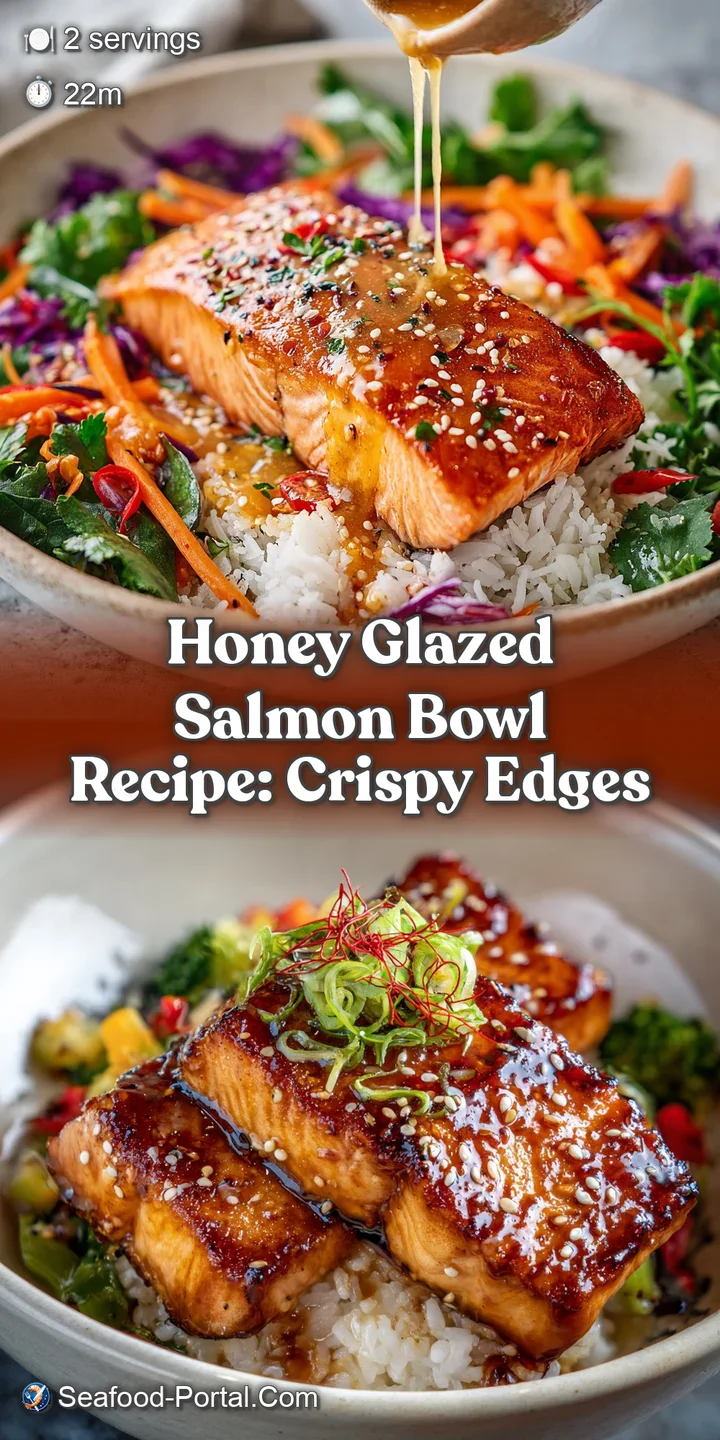
Honey Glazed Salmon Bowl Recipe
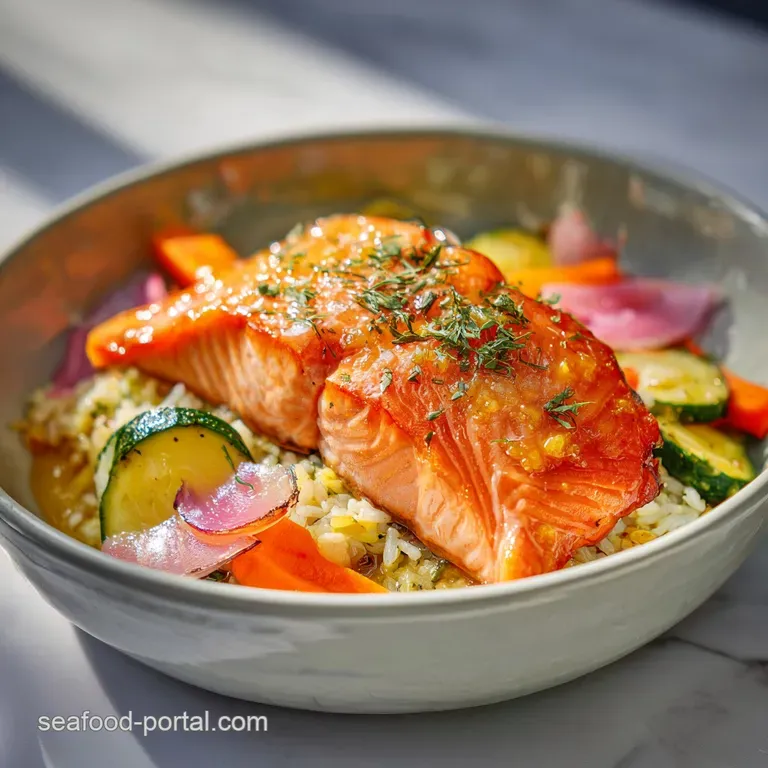
- Time: Active 10 mins, Passive 12 mins, Total 22 mins
- Flavor/Texture Hook: Shattering crispy edges with a velvety, sweet and salty glaze
- Perfect for: High protein meal prep or a speedy weeknight dinner
- Mastering My Honey Glazed Salmon Bowl Recipe
- The Hidden Science Behind That Sticky Honey Glaze
- Accurate Specifications for This Two Serving Seafood Meal
- Gathering the Fresh Elements for Your Salmon Bowl
- Essential Tools Needed for a Shattering Pan Sear
- The Cooking Process for Glazed and Flaky Bites
- Troubleshooting Common Issues for the Best Salmon Texture
- Making Adjustments and Variations to Suit Your Palate
- Proper Methods for Storing Leftover Salmon
- Flavorful Pairings to Serve With Your Salmon Bowl
- Very High in Sodium
- Recipe FAQs
- 📝 Recipe Card
Mastering My Honey Glazed Salmon Bowl Recipe
The first time I attempted a version of this, I turned a beautiful piece of fish into something resembling dry, pink gravel. I was so worried about the glaze burning that I kept the heat too low, which resulted in the salmon steaming instead of searing.
The house smelled like boiled fish rather than the sweet, nutty aroma of toasted sesame and caramelizing honey I was craving. It was a humble reminder that even the simplest ingredients require a bit of respect for the pan's temperature.
But when you get it right, the kitchen transforms. The second the 1 lb center cut salmon hits the avocado oil, you get that sharp, rhythmic sizzle that signals a proper crust is forming.
Then, as you pour in that mixture of raw honey and soy sauce, a cloud of ginger scented steam rises, wrapping around you like a warm hug. It's a sensory experience that makes the 22 minutes of effort feel like a gourmet ritual.
We've all been there with soggy bowls or bland protein, but this specific honey glazed salmon bowl recipe is designed to be fool proof. We're talking about flaky, fatty fish balanced by the cool crunch of Persian cucumber and the buttery richness of avocado.
It's the kind of meal that makes you feel like a kitchen superhero without requiring a pile of dirty dishes or a degree in culinary arts.
The Hidden Science Behind That Sticky Honey Glaze
Understanding the "why" helps you avoid the "oh no" when you're standing over the stove. This recipe relies on a few specific chemical reactions to achieve that signature texture and depth of flavor.
- Maillard Reaction: The honey provides simple sugars that react with the protein in the salmon at high heat, creating hundreds of new flavor compounds and that dark, mahogany crust.
- Hygroscopic Retention: Raw honey is a natural humectant, meaning it attracts and holds onto moisture, preventing the 1 inch cubes from drying out even as they sear.
- Enzymatic Tenderization: Fresh ginger contains an enzyme called zingibain, which gently breaks down protein fibers, ensuring every bite remains tender and yielding.
- Acidic Balance: The rice vinegar lowers the pH of the glaze, which not only brightens the flavor but also helps the sauce emulsify so it coats the fish rather than sliding off.
| Method | Time | Texture | Best For |
|---|---|---|---|
| Stovetop | 12 minutes | Crispy, caramelized edges | Maximum flavor and speed |
| Air Fryer | 10 minutes | Evenly firm and juicy | Hands off meal prepping |
| Oven Baked | 15 minutes | Silky and soft | Large batches for families |
Cooking fish can feel intimidating, but it's all about watching the clock and the color. If you follow the searing technique correctly, you'll see the flesh turn from translucent to a matte, opaque pink from the bottom up. That's your signal to flip.
Accurate Specifications for This Two Serving Seafood Meal
To ensure your honey glazed salmon bowl recipe turns out exactly like the photos, keep these three numeric checkpoints in mind. First, aim for exactly 1 inch cubes; anything smaller will overcook before the glaze thickens.
Second, your skillet should reach at least 375°F before the oil goes in to prevent sticking. Finally, the internal temperature of the salmon should hit 145°F for a safe and flaky result.
| Ingredient | Science Role | Pro Secret |
|---|---|---|
| Raw Honey | Caramelization agent | Add it late to prevent bitter scorching |
| Avocado Oil | High smoke point fat | Distributes heat evenly without smoking |
| Fresh Ginger | Aromatic and tenderizer | Freeze the root to make grating effortless |
| Low Sodium Soy | Umami and salinity | Use low sodium to control the salt finish |
The ratio of honey to soy sauce is crucial. Too much honey and you have candy; too much soy and it’s a salt lick. This recipe uses a 2:3 ratio of honey to soy sauce, which provides enough sugar to lacquer the fish while maintaining a savory backbone. If you're looking for a different profile, you might enjoy the balance in this Sweet and Savory recipe which uses brown sugar for a deeper molasses note.
Gathering the Fresh Elements for Your Salmon Bowl
Selecting your ingredients is half the battle. When you're at the store, look for salmon that is firm to the touch and has a vibrant, consistent color. Avoid anything with a strong "fishy" odor fresh fish should smell like the ocean, clean and slightly salty.
- 1 lb center cut salmon fillet: Skin removed and cut into 1 inch cubes. Why this? Center cut fillets have a uniform thickness for even cooking.
- Substitute: Steelhead trout or firm tofu cubes.
- 2 tbsp raw honey: The primary sweetener for the lacquer. Why this? Raw honey has a more complex, floral flavor than processed syrups.
- Substitute: Maple syrup or agave nectar.
- 3 tbsp low sodium soy sauce: Provides the savory umami base. Why this? Allows you to control the saltiness without overpowering the fish.
- Substitute: Tamari (gluten-free) or coconut aminos.
- 1 tbsp avocado oil: The cooking fat. Why this? It won't break down or smoke at high searing temperatures.
- Substitute: Grapeseed oil or light olive oil.
- 2 cloves garlic: Mined fresh for maximum pungency.
- Substitute: 1/2 tsp garlic powder in a pinch.
- 1 tsp fresh ginger: Grated for heat and aroma.
- Substitute: 1/4 tsp ground ginger.
- 1 tsp rice vinegar: For essential acidity.
- Substitute: Apple cider vinegar or lime juice.
- 2 cups cooked jasmine rice: The fluffy base of the bowl.
- Substitute: Brown rice or cauliflower rice.
- Toppings: 1 cup edamame, 1 Persian cucumber, 1/2 avocado, sesame seeds, and 1 scallion.
Chef's Tip: Pat your salmon cubes bone dry with paper towels before seasoning. Any surface moisture will turn into steam, preventing that golden, shattering crust from forming in the pan.
Essential Tools Needed for a Shattering Pan Sear
You don't need a professional kitchen, but a few specific tools will make this honey glazed salmon bowl recipe much easier. A heavy bottomed skillet is your best friend here. Cast iron is great for heat retention, but a high-quality stainless steel pan allows you to see the color of the glaze more clearly so it doesn't burn.
I personally recommend using a microplane for the ginger and garlic. It creates a fine paste that melts into the sauce, ensuring you don't bite into a raw chunk of garlic. Also, a flexible fish spatula (like those from Victorinox) is a game changer for flipping small cubes without breaking them apart.
If you find yourself making seafood often, investing in a digital meat thermometer is worth every penny. For salmon, you want to pull it off the heat just as it hits 140°F, as carryover cooking will bring it to the final 145°F while it rests.
This prevents the "white stuff" (albumin) from pushing out of the fish, which happens when the protein fibers contract too tightly from overcooking.
The Cooking Process for Glazed and Flaky Bites
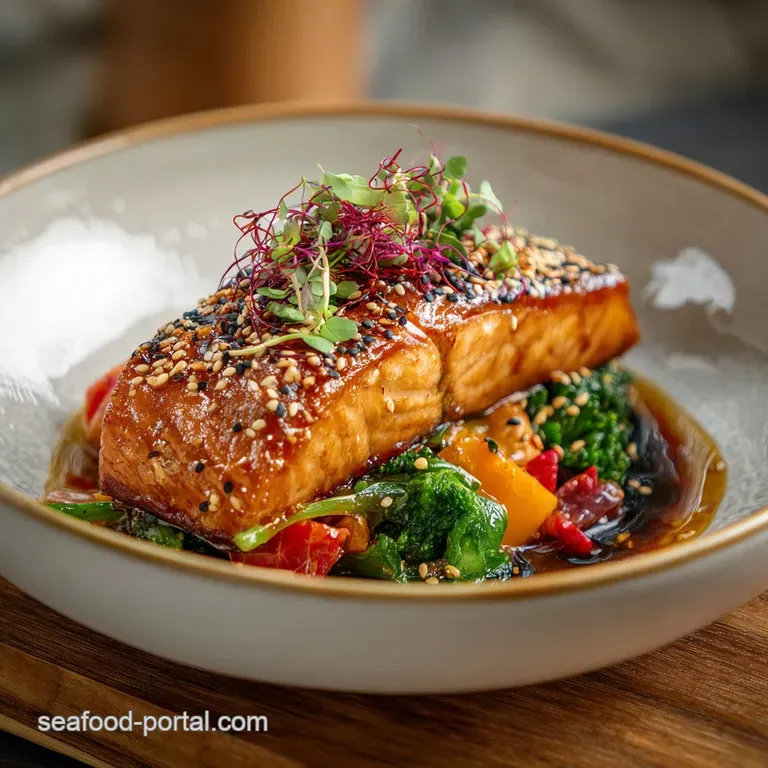
Now we get to the part where the magic happens. Success with this honey glazed salmon bowl recipe depends on timing. Have all your bowl components the rice, cucumber, and avocado ready before you start the fish.
The salmon cooks fast, and it is best served immediately while the glaze is still tacky and warm.
Preparing the Salmon Cubes
- Dry the fish. Remove the skin and cut the 1 lb salmon into 1 inch cubes. Pat each side with a paper towel. Note: Dry fish equals crispy fish.
- Season simply. Toss the cubes with 1/2 tsp kosher salt and 1/4 tsp cracked black pepper. Avoid adding the glaze yet; we want to sear the protein first.
Creating the Signature Glaze
- Mix the aromatics. In a small bowl, whisk together the 2 tbsp honey, 3 tbsp soy sauce, minced garlic, 1 tsp grated ginger, and 1 tsp rice vinegar.
- Emulsify the sauce. Whisk until the honey is completely dissolved into the soy sauce. It should look like a dark, glossy syrup.
Searing for a Shattering Crust
- Heat the pan. Add 1 tbsp avocado oil to a large skillet over medium high heat. Wait 2 minutes until the oil shimmers and barely wisps of smoke appear.
- Sear the salmon. Add the cubes in a single layer, leaving space between them. Cook for 3 minutes without moving them until the bottom edge is dark golden brown.
- Flip carefully. Turn the cubes over and cook for another 2 minutes. The salmon should be about 80% cooked at this point.
Finishing with the Glaze
- Reduce the heat. Turn the burner down to medium. Pour the honey soy mixture over the salmon. Note: Reducing the heat prevents the sugars from burning instantly.
- Baste the fish. Cook for 2-3 minutes, spooning the sauce over the cubes until the liquid thickens into a sticky, bubbling lacquer.
- Assemble the bowls. Divide the 2 cups of jasmine rice between two bowls. Top with the glazed salmon, 1 cup edamame, sliced cucumber, and avocado. Sprinkle with sesame seeds and sliced scallions.
Troubleshooting Common Issues for the Best Salmon Texture
Even with a simple recipe, things can go sideways. The most common heartbreak is the glaze turning into a bitter, blackened mess or the salmon becoming tough. If your sauce is disappearing too fast, your pan is likely too hot pull it off the burner for a moment and add a teaspoon of water to loosen things up.
Avoiding Dry Salmon
If your salmon feels like rubber, you've overstayed your welcome in the pan. Salmon continues to cook for a few minutes after you remove it from the heat. Always err on the side of taking it out a minute early. If you're nervous about the interior, check out the technique for Pan Seared Salmon recipe which focuses on a single side sear to keep the top side incredibly moist.
| Problem | Root Cause | Solution |
|---|---|---|
| Glaze is too thin | Not enough reduction time | Simmer for 1 extra minute on medium low |
| Salmon is sticking | Pan wasn't hot enough | Heat oil until it shimmers before adding fish |
| Sauce tastes bitter | Garlic or honey burned | Lower heat before adding sauce to the pan |
Common Mistakes Checklist
- ✓ Don't overcrowd the pan; work in batches if your skillet is small to ensure a sear rather than a steam.
- ✓ Never use toasted sesame oil for the initial sear; its smoke point is too low and it will taste burnt.
- ✓ Ensure the rice is hot when serving; cold rice pulls the heat out of the salmon too quickly.
- ✓ Slice the cucumbers just before serving to keep them from getting watery and limp.
- ✓ Use a microplane for the ginger to avoid stringy, woody bits in your smooth glaze.
Making Adjustments and Variations to Suit Your Palate
This honey glazed salmon bowl recipe is a fantastic canvas for your own creativity. While the jasmine rice is a classic choice, there are plenty of ways to pivot based on your nutritional needs or what's hiding in your pantry.
If you want a low carb version, swapping the rice for cauliflower rice or a bed of massaged kale works beautifully. Just remember that kale needs a bit of acidity a squeeze of lime or a drizzle of the extra glaze will help soften the leaves.
For those who enjoy a bit of heat, adding a teaspoon of sriracha or red pepper flakes to the glaze provides a "hot honey" effect that is absolutely addictive.
Scaling the Recipe
- Down (1 serving): Use 1/2 lb of salmon and keep the sauce ratios the same. You might need a smaller 8 inch pan to prevent the sauce from evaporating too quickly.
- Up (4 servings): Double the salmon and toppings. For the sauce, use 1.5x the salt and spices but double the liquids. Note: Work in two batches for the searing to maintain pan temperature.
- Baking (2x): If making this for a crowd, skip the pan and bake the cubes at 400°F for 10 minutes, then brush with the glaze and broil for 2 minutes.
Proper Methods for Storing Leftover Salmon
In the unlikely event that you have leftovers, they make for a stellar cold lunch the next day. However, fish is delicate, and the way you store it determines whether it remains a treat or becomes a chore to eat.
Storage: Place the cooled salmon and rice in an airtight container. It will stay fresh in the fridge for up to 2 days. I don't recommend freezing the assembled bowl, as the cucumber and avocado will turn into mush once thawed.
If you must freeze the salmon, do it separately in a vacuum sealed bag for up to 2 months.
Reheating: To keep the salmon from drying out, reheat the rice separately with a splash of water. For the fish, use the "low and slow" method in a toaster oven at 275°F for about 5 minutes, or eat it cold!
Cold glazed salmon over a hot bed of rice is actually a favorite among many home cooks because it preserves the texture of the fish.
Zero Waste Tip: Don't throw away the scallion roots! You can place them in a small jar of water on your windowsill, and they will regrow in a week. Also, if you bought salmon with the skin on, you can sear the skins separately until they are like crackers they make a crunchy, salty snack that is packed with Omega-3s.
Flavorful Pairings to Serve With Your Salmon Bowl
While this bowl is a complete meal on its own, adding a side can turn it into a full spread feast. A simple seaweed salad or a side of steamed bok choy drizzled with sesame oil complements the umami of the honey glazed salmon perfectly.
The goal is to keep the sides light and vibrant so they don't compete with the richness of the fish.
If you're looking for more inspiration on how to use salmon, there are endless variations. Some people prefer the gentle cooking method of a Salmon in Foil recipe, which steams the fish in its own juices. Others might want to double down on the dill and lemon flavors found in more traditional preparations.
Debunking Kitchen Myths
A common misconception is that you must marinate salmon for hours to get flavor. In reality, because we are cubing the fish, the surface area is so large that the glaze coats everything instantly.
Long marinades with acidic ingredients like rice vinegar can actually "cook" the fish (like ceviche), changing the texture before it even hits the heat.
Another myth is that you can't get a good sear on a non stick pan. While cast iron is king, a high-quality, heavy non stick pan can still produce a beautiful crust if you let it preheat properly and don't move the fish too early. Just be careful not to use metal utensils that could scratch the coating!
Ultimately, this dish is about the harmony of the sizzle, the scent of the ginger, and the satisfaction of a bowl that hits every taste bud. It's approachable enough for a Tuesday but feels special enough for a Friday night in. Trust your nose, watch your timer, and enjoy the crunch.
Very High in Sodium
1385 mg mg of sodium per serving (60% of daily value)
The American Heart Association recommends limiting sodium intake to about 2,300mg per day for overall cardiovascular health.
Tips to Reduce Sodium in Your Salmon Bowl
-
Low-Sodium Soy Sauce Swap-20%
Replace regular soy sauce with a low-sodium or reduced sodium version. This simple swap can significantly decrease the sodium content of the marinade.
-
Reduce Added Salt-25%
Halve the amount of kosher salt added to the salmon. You can compensate for the flavor with more herbs and spices.
-
Acid Boost-10%
Increase the amount of rice vinegar or add a squeeze of fresh lemon or lime juice to enhance the flavor profile. This can help offset the need for as much salt.
-
Spice It Up!
Enhance the flavor with sodium free spices and herbs! Experiment with garlic powder, onion powder, red pepper flakes or black pepper. These additions can add complexity and reduce the reliance on salt.
Recipe FAQs
What sauce is used in a salmon bowl?
A honey, soy, and ginger glaze. This sticky sauce balances sweetness from the honey with deep umami from soy sauce and bright heat from fresh ginger.
What is honey glaze sauce made of for salmon?
Honey, low sodium soy sauce, fresh ginger, garlic, and rice vinegar. These components are quickly whisked together to form a syrup that thickens beautifully when reduced in the hot pan with the fish.
What kind of glaze is good on salmon?
A sweet and savory glaze that contains an acid component. The balance of sugar (honey) and acid (vinegar or citrus) is key to creating a lacquer that coats the fish instead of just burning onto the pan.
How do you make honey glazed side of salmon?
Sear the cubed salmon on high heat until a crust forms on one side for about three minutes. Then, lower the heat and pour the prepared glaze over the fish, letting it bubble and thicken for two to three minutes while basting constantly.
Is it true that I must use a cast iron pan for a proper honey glaze sear?
No, this is a common misconception. A heavy bottomed stainless steel pan works well if it is preheated correctly; the key is high heat retention so the pan temperature doesn't drop when the fish is added.
Can I substitute maple syrup for honey in this glaze?
Yes, but adjust your cooking time slightly. Maple syrup caramelizes differently than raw honey, so be vigilant about the heat to prevent scorching; if you enjoyed mastering the sweet tart balance here, see how we adapt that principle in our How to Make recipe variations.
What is the secret to keeping the honey glaze from burning?
Reduce the heat before adding the sugary sauce. The high heat is necessary for the initial sear, but as soon as the glaze hits the pan, you must lower the heat to medium or medium low to allow the sugars to thicken slowly around the fish rather than instantly combusting.
Honey Glazed Salmon Bowl
Ingredients:
Instructions:
Nutrition Facts:
| Calories | 1002 kcal |
|---|---|
| Protein | 60.8 g |
| Fat | 48.2 g |
| Carbs | 76.8 g |
| Fiber | 7.2 g |
| Sugar | 19.4 g |
| Sodium | 1385 mg |
