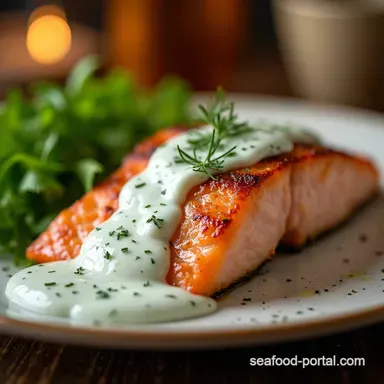
The Ultimate 5Minute Creamy Dill Sauce Perfect Partner for Panseared Salmon
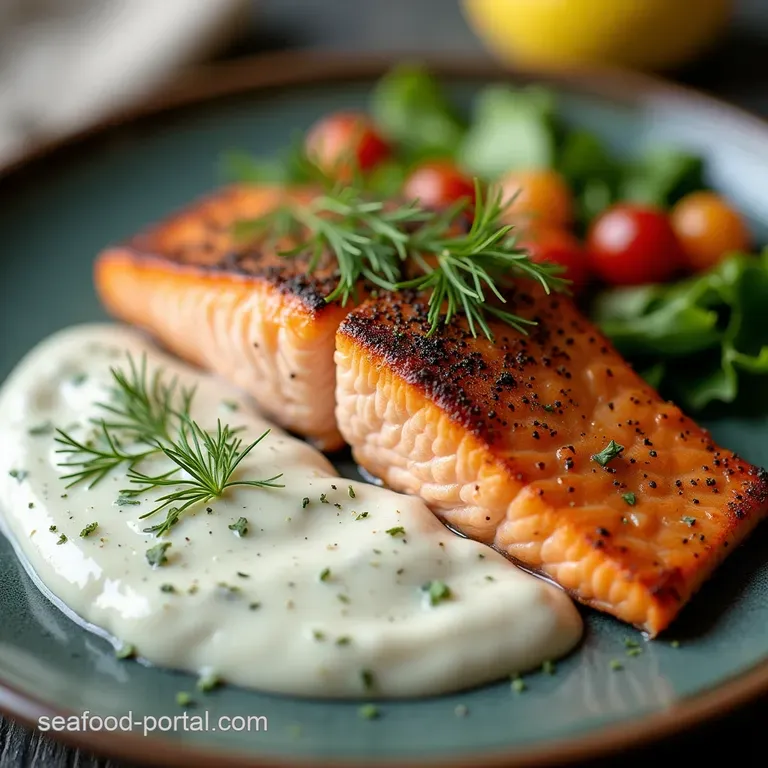
- Elevate Your Evening Meal: Introducing the Quintessential Creamy Dill Sauce for Salmon
- Why This Dill Sauce Steals the Show Next to Any Fish
- Gathering Your Arsenal: Essential Components for Optimal Flavor
- The Assembly Line: Crafting the Perfect Creamy Dill Sauce for Salmon
- Maximizing Enjoyment: Tips, Variations, and Storage Secrets
- Recipe FAQs
- 📝 Recipe Card
Elevate Your Evening Meal: Introducing the Quintessential Creamy Dill Sauce for Salmon
There are few culinary pairings as inherently satisfying as rich, flaky salmon adorned with a bright, herbaceous sauce. While lemon butter is a reliable standby, achieving that true bistro quality flavour often requires something richer, yet still vibrant.
Enter the Creamy Dill Sauce for Salmon —a true powerhouse in the world of condiments. This isn't just a topping; it’s the component that transforms a weeknight meal into a special occasion.
It harmonizes beautifully with the natural oils of the fish, providing a cool, tangy counterpoint that cleanses the palate with every bite. If you’ve ever wondered how to make creamy dill sauce that tastes authentically fresh, you’ve come to the right place.
Why This Dill Sauce Steals the Show Next to Any Fish
This particular Salmon Creamy Dill Sauce recipe leans into simplicity without sacrificing depth. It’s the epitome of culinary efficiency: maximum flavour achieved with minimum fuss.
This sauce is designed to cut through the richness of fatty fish, making even a delicate piece of trout or mackerel sing alongside it.
The Cotswolds Classic: Quick & Refreshing Flavor Profile
Our approach to this sauce is rooted in simplicity, reminiscent of the fresh herb accompaniments found in classic British cookery. The defining characteristic is the juxtaposition of creamy body with sharp acidity.
We use full fat sour cream as our base, giving it an immediate, pleasant tang superior to plain yogurt, while a vibrant hit of freshly squeezed lemon juice ensures the sauce isn't heavy. This bright, refreshing profile is exactly what you want next to rich omega-3s.
Beyond Bland: Transforming Simple Salmon with Tang and Texture
Many homemade sauces fall flat because they rely too heavily on just one flavour note either too much salt or too much acid. To avoid this pitfall, this Easy Dill Sauce for Salmon incorporates a touch of quality mayonnaise.
This addition is subtle but crucial; it smooths out the edges of the sour cream and mustard, creating a velvety mouthfeel that clings perfectly to the fish without being cloying. The final result offers complexity in texture smooth, yet punctuated by the fine texture of the chopped fresh dill.
The Secret to Speedy Sophistication in Under Five Minutes
Perhaps the most appealing aspect of this recipe is its speed. Forget simmering or reducing; this requires zero cooking time. You can prepare this Dill Cream Sauce for Fish in under five minutes from start to finish.
It’s the ideal secret weapon when you need an impressive accompaniment for Creamy Dill Sauce for Baked Salmon or even Creamy Dill Sauce for Salmon Patties without sacrificing your evening schedule.
Related Recipes Worth Trying
- The Ultimate Soy Sauce pan fried Noodles Recipe Under 35 Mins — Ditch the takeaway menu Nail these Cantoneseinspired Soy Sauce pan fried Noodles with crispy edges and rich umami flavour A simple stir fry noodle recipe...
- Crispy Baked Bang Bang Salmon Rice Bowls in 40 Mins — Forget the takeaway These easy Bang Bang Salmon Rice Bowls feature crispy pankocrusted salmon smothered in a creamy spicy sauce A perfect Salmon Rice Bowl...
- The Ultimate Crispy Bang Bang Salmon Bowl Recipe — Ditch the delivery This healthy Bang Bang Salmon Bowl recipe features crispy salmon coated in a sweet spicy sauce ready in under 40 minutes Easy weeknight...
Gathering Your Arsenal: Essential Components for Optimal Flavor
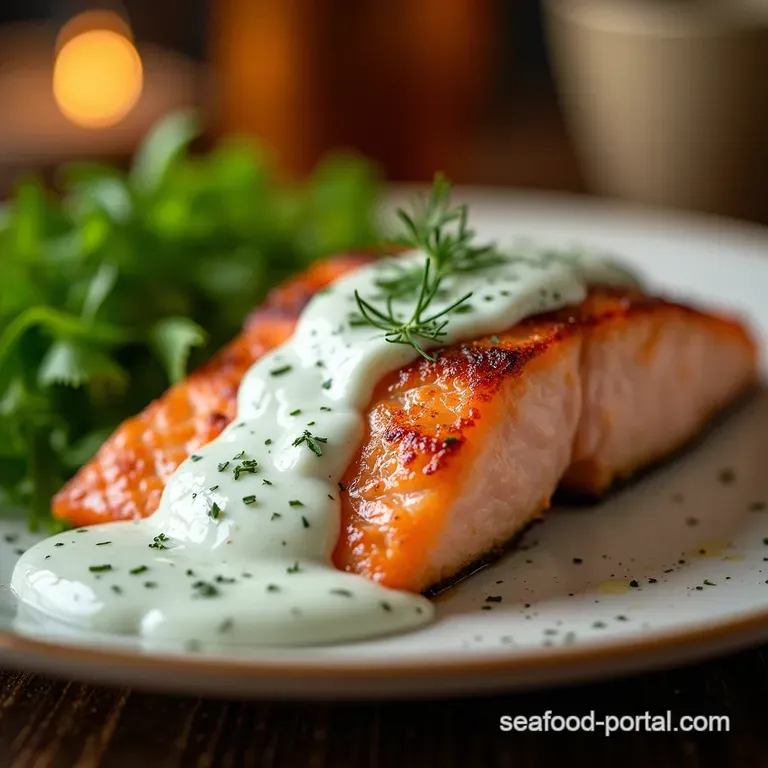
Crafting something truly wonderful often relies on the quality of the base ingredients. Since this is a cold, uncooked sauce, there’s nowhere for subpar components to hide. Every element plays a distinct role in building the final symphony of taste.
Ingredient Deep Dive: Choosing Quality for Your Homemade Sauce
The foundation of this recipe rests on three pillars: the creamy base, the sharp acidity, and the herbaceous freshness. For the base, we use a combination of full fat sour cream (for that signature tang) and good quality mayonnaise (for body).
Do not substitute the lemon juice with bottled concentrate; the brightness of fresh zest and juice is non-negotiable here.
Must Have Components: The Full Shopping List
To achieve the perfect consistency and flavour balance, ensure you have measured out the following: one cup of sour cream, two tablespoons of mayonnaise, one tablespoon of freshly squeezed lemon juice, one teaspoon of Dijon mustard for a little underlying spice, and crucially, two tablespoons of finely chopped fresh dill.
Seasoning is simple: a quarter teaspoon of fine sea salt and a few grinds of black pepper will bring everything into focus.
Tool Talk: Essential Kitchen Gear for a Flawless Mix
This recipe requires minimal equipment, reinforcing its status as an Easy Dill Sauce for Salmon Recipe . You will need one small mixing bowl to contain the action, a sharp knife and cutting board for the dill preparation, and a whisk or sturdy fork.
The whisk is preferred for achieving that initial smooth emulsion between the sour cream and mayo.
Dill Dynamics: Fresh vs. Dried Herb Selection Guide
When it comes to the star ingredient, there is simply no substitute for the genuine article. While dried dill has its uses in slow cooked stews, here, it falls flat, offering only a muted shadow of the herb's true flavour. For this sauce, fresh dill is mandatory.
You will need about half a small bunch, finely chopped. Chop it just before mixing to preserve its volatile oils, which provide that characteristic aroma.
The Assembly Line: Crafting the Perfect Creamy Dill Sauce for Salmon
The process of bringing these elements together is almost meditative. Because no heat is involved, precision in measurement and mixing technique is what guarantees a superior product, ensuring the final texture is perfectly spoonable.
Step-by-step Mastery: From Raw Components to Ready-to-Serve Perfection
The entire method takes just five minutes of active work. First, prepare your dill by chopping it finely, reserving a tiny pinch for a final garnish if you wish to elevate the presentation further.
Phase One: Preparing the Tangy Base Ingredients
Into your mixing bowl, place the sour cream, mayonnaise, the full tablespoon of fresh lemon juice, and the teaspoon of Dijon mustard. Using your whisk, begin working these ingredients together energetically.
The goal here is complete homogenization you must eliminate any streaks of mustard and ensure the base is silky smooth before adding any solids.
Folding in the Freshness: Incorporating Dill and Seasonings
Once the base is beautifully uniform, introduce the bulk of your finely chopped fresh dill. Gently fold the dill into the mixture using a spatula or the whisk turned sideways. Overmixing at this stage can bruise the delicate herb. Follow this by sprinkling in the salt and pepper.
Techniques for Achieving Ultimate Smoothness (No Lumps Allowed!)
If, upon inspection, you find the sauce slightly too thick for your liking perhaps your sour cream was particularly stiff you can thin it slightly. Whisk in cold water or a splash of milk, one teaspoon at a time, until you achieve a beautiful, pourable consistency, perfect for drizzling over Creamy Dill Sauce for Baked Salmon .
The Final Taste Test: Adjusting Acidity and Salt Before Serving
This is the most critical moment. Taste the sauce on a clean spoon. Does the richness of the dairy need more lift? Add a few extra drops of lemon juice. Is the salt level low? Add a tiny pinch more.
This final adjustment ensures the Lemon Dill Sauce for Salmon perfectly complements the natural taste of your fish.
Maximizing Enjoyment: Tips, Variations, and Storage Secrets
Once you have mastered the basic technique for this Yogurt Dill Sauce for Salmon (should you choose to swap the sour cream), you can start exploring creative avenues for its use and preservation.
Make-ahead Marvel: Storing Your Sauce for Later Salmon Feasts
One of the great advantages of this recipe is its adaptability to meal prepping. You can confidently prepare this sauce a day or even two in advance. Store it in an airtight container in the refrigerator.
The resting time actually allows the dill to infuse deeper into the creamy matrix, often improving the flavour profile overnight.
Beyond Salmon: Pairing Ideas for Other Proteins and Vegetables
While designed for the king of fish, this sauce is incredibly versatile. It’s sensational as a topping for grilled chicken breast, a dip for crispy baked potato wedges, or even as a dressing for a crisp cucumber salad.
Think of it as a multi purpose Dill Cream Sauce for Fish applications that extend far beyond salmon alone.
Ingredient Swaps: Making This Sauce Vegan or Lower Fat
For a lighter take, substitute half the sour cream with plain Greek yogurt, which boosts protein content while maintaining good texture. If you are aiming for a fully plant based option, substitute the sour cream and mayonnaise with a plain, unflavored vegan mayonnaise and a vegan sour cream alternative (or additional thick coconut cream, carefully seasoned).
FAQ: Common Queries About Perfecting This Dill Sauce
Q: Can I use dried dill? A: While technically possible, using fresh dill is highly recommended for this particular recipe to achieve the bright, authentic flavour profile expected from a top-tier Creamy Dill Sauce for Salmon Recipe .
Q: My sauce split slightly; what went wrong? A: Splitting (or curdling) usually occurs if the base ingredients are too warm when mixed, or if you aggressively whisk in the lemon juice too quickly. Remember to introduce acidic ingredients slowly to cold dairy bases.
Q: How much sauce does this recipe yield? A: This recipe yields approximately one cup of sauce, which is typically plenty for four generous servings of salmon.
Recipe FAQs
Can I make this Creamy Dill Sauce for Salmon ahead of time? How long does it keep in the fridge?
Absolutely! In fact, letting this sauce rest for a few hours or even overnight is highly recommended, as it gives the dill flavour time to properly marry with the creamy base. Store it in an airtight container in the fridge; it should keep beautifully for up to 3-4 days, tasting better the next day!
My sauce seems a bit too thick; how can I loosen it up without ruining the flavour?
That’s an easy fix, especially if you used full fat sour cream! Whisk in a teaspoon of cold liquid at a time until you reach that perfect, easily drizzled consistency. Milk, cream, or even a splash of cold water works wonders. Remember, don't add too much at once, or you'll end up with soup!
I don't have fresh dill; can I use dried dill in this Creamy Dill Sauce recipe instead?
While fresh dill is definitely the star of the show here it brings that vibrant, grassy flavour you can substitute if you’re in a pinch. Use about one teaspoon of dried dill for every tablespoon of fresh required.
Be aware that dried herbs are much stronger, so add a little at a time and let the sauce rest briefly before tasting.
Is this sauce meant to be served cold, or should I warm it up before putting it on hot salmon?
This sauce is traditionally designed to be served chilled or at room temperature, providing a lovely, cool contrast to your hot, flaky salmon it’s rather refreshing! Resist the urge to heat it on the hob, as the high heat will cause the sour cream and mayo to split, turning it into an oily mess.
I'm watching my waistline; what's the best substitution for the sour cream and mayonnaise?
For a lighter, tangier version, swap out the sour cream for plain Greek yoghurt (full fat or 2% is best for texture). You can replace the mayonnaise entirely with the yoghurt as well, though you might want to add an extra dash of lemon juice or a tiny bit of Dijon to maintain that necessary acidic 'zing' and creaminess.
What else can I use this Dill Sauce for besides salmon? It’s too good to use just once!
You've hit the nail on the head it’s versatile! This sauce is brilliant dolloped over grilled chicken breasts or used as a dip for crispy oven chips instead of ketchup. It also works famously well slathered over new potatoes or as a topping for jacket potatoes.
5minute Creamy Dill Sauce