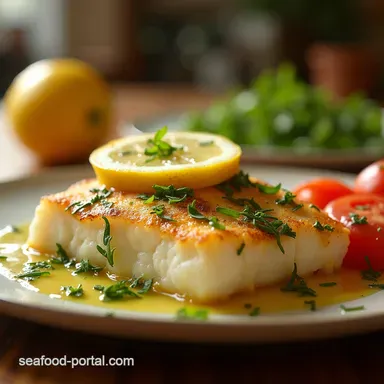
Sunny Side Up Perfectly Flaky Panseared Lemon Butter Cod with Herbs
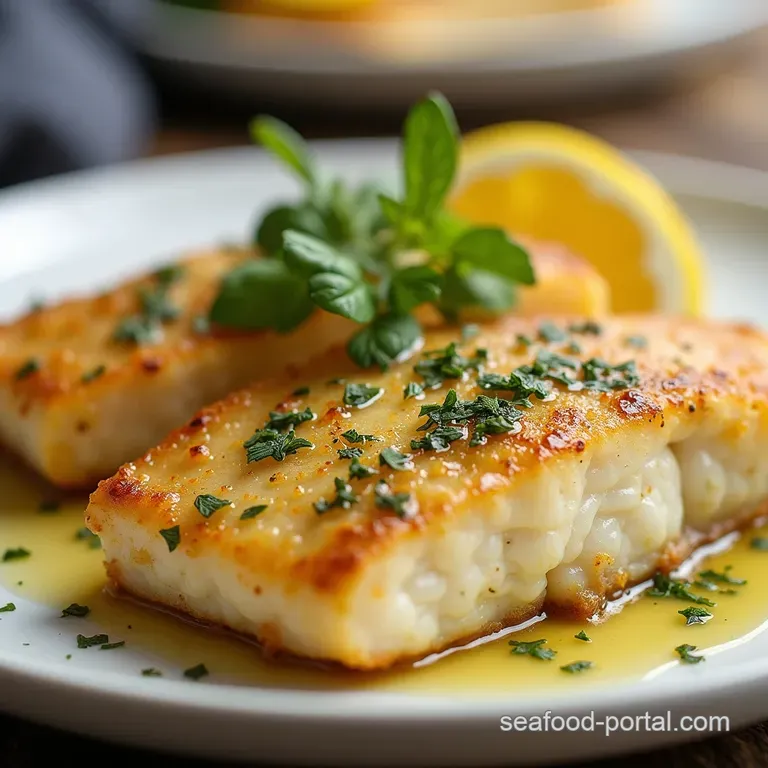
- The Secret to Weeknight Elegance: Introducing This Speedy Lemon Butter Fish Fillet
- Why This Recipe Triumphs Over Takeout
- Assembling Your Golden Ratio Ingredients for the Ultimate Flavor Base
- Essential Kitchen Tools for Flawless Pan-Searing
- Mastering the Sear: Achieving That Golden Crust
- Troubleshooting & Pro Tips for Consistent Results
- Transforming Your Basic Lemon Butter Fish Fillet Into a Feast
- Recipe FAQs
- 📝 Recipe Card
The Secret to Weeknight Elegance: Introducing This Speedy Lemon Butter Fish Fillet
There’s a certain magic that happens when perfectly cooked fish meets melted butter and bright citrus. It’s a taste of the seaside, an instant upgrade to the ordinary, yet often, people shy away from cooking fish at home, assuming it’s fussy or time consuming. I am here to firmly dispel that myth!
This Lemon Butter Fish Fillet Recipe transforms humble white fish into a stunning main course in under twenty minutes. We are aiming for that sublime combination: a beautiful golden crust, flesh that melts away flake by flake, all coated in a glistening, zesty sauce.
Forget complicated reductions; we are delivering sophistication with minimal effort, making this the ultimate Easy Fish Fillet Recipes staple.
Why This Recipe Triumphs Over Takeout
The speed and simplicity of this preparation mean that when the craving for something light, rich, and vibrant strikes, you can satisfy it immediately without relying on delivery menus. This dish is not just about convenience; it’s about control.
You control the quality of the fish, the freshness of the acid, and the richness of the butter, ensuring every bite sings with flavour.
Our Commitment to Bright, Flaky Perfection
The goal when cooking fish is achieving that perfect texture. We want separation between the muscle fibres that desirable, Flaky Fish Fillet Recipe texture.
This is achieved by ensuring the pan is hot enough to create a sear instantly, locking in moisture, followed by careful heat management. When done correctly, the fish retains all its inherent tenderness while offering a subtle textural contrast from the exterior sear.
This method guarantees that delicate, almost buttery mouthfeel inherent to high-quality white fish.
The 15-Minute Promise: Fast Flavor, Zero Fuss
Realistically, this dish comes together faster than most frozen meals require baking. With just about 10 minutes dedicated to active preparation patting dry, seasoning, and chopping herbs and another 8 to 10 minutes for cooking, you’re looking at total readiness in about 20 minutes.
This rapid timeline is what elevates this recipe into the realm of the truly Quick Lemon Butter Fish weeknight champion.
Profiling the Perfect White Fish Candidate
While this technique works well across various species, choosing the right starting point is key to a successful Lemon Butter Fish Fillet . I highly recommend using firm, thick cuts of white fish like Cod, Haddock, or even Tilapia, aiming for fillets about one inch thick.
These varieties hold up beautifully to the pan-searing process without crumbling prematurely. The key characteristic we seek is skinless, as skin-on fillets require a longer searing time that can sometimes overpower the delicate sauce we build afterward.
Assembling Your Golden Ratio Ingredients for the Ultimate Flavor Base
Success in simple cooking hinges entirely on ingredient quality, as there are so few components to mask imperfections. For the Zesty Lemon Butter Fish , we need robust seasoning and the freshest possible produce to ensure the acidity of the lemon cuts through the richness of the dairy fat perfectly.
For the fish itself, you will need four generous white fish fillets (around 6 ounces each), seasoned aggressively with fine sea salt and freshly cracked black pepper before they even touch the pan. The star of the show, the sauce base, demands good quality unsalted butter we’ll use four tablespoons.
Freshness is non-negotiable for the citrus elements: plan on using the juice of one large lemon (about three tablespoons) and, crucially, one teaspoon of fresh lemon zest to amplify that bright aroma without adding too much sourness.
Finally, we enrich this with two minced cloves of garlic and a quarter cup of freshly chopped parsley for colour and herbaceous brightness.
Related Recipes Worth Trying
- Lemony Garlic Parmesan Roasted Shrimp Quick Weeknight Dinner — This ridiculously simple Garlic Parmesan Roasted Shrimp recipe delivers plump juicy shrimp with a mouthwatering golden crust in under 25 minutes Perfect for...
- Best Buttermilk Fried Chicken Breast Recipe Juicy Crispy — Stop serving dry chicken This Buttermilk Fried Chicken Breast Recipe uses a doubledip dredge for guaranteed juicy meat and crispy shards Perfect for an easy...
- Easy Lemon Herb Crusted Baked Salmon Recipe Ready in 25 Mins — Stop overcooking your fish This foolproof baked salmon recipe delivers a bright herby crust that locks in moisture Perfect for a quick weeknight meal
Essential Kitchen Tools for Flawless Pan-Searing
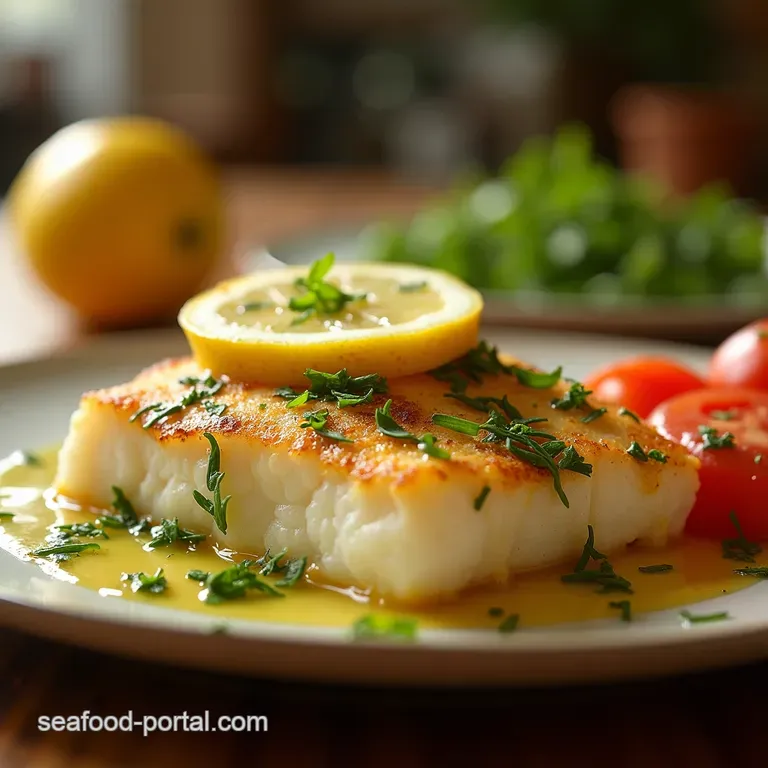
The right equipment ensures that your quick sear is effective and that your resulting sauce isn't scorched or broken. Don't overcomplicate your toolkit, but ensure you have the staples ready for action.
What You Absolutely Must Have: The Core List
A heavy bottomed, 10 to 12 inch skillet is vital. Whether you opt for stainless steel or a reliable non-stick surface, the pan must distribute heat evenly. You’ll also need sturdy tongs or a thin metal spatula for gently turning the delicate fillets without tearing them.
Beyond that, standard measuring tools and a sharp knife for mincing the garlic and chopping the parsley complete the essential setup for this Lemon Butter Fish Fillet Recipe .
Sourcing Superior Butter: Cultured vs. Sweet Cream
When making the Best Lemon Butter Sauce for Fish , the butter isn't merely a cooking medium; it is the sauce. I strongly advocate for using high-quality, unsalted butter. Unsalted gives you total control over the final sodium levels.
While cultured butter adds a slight tanginess that complements the lemon beautifully, even a standard sweet cream butter will yield fantastic results here, provided it’s fresh.
Herb Selection: Elevating the Lemon Butter Fish Fillet Aroma
While parsley is the classic finisher, lending a clean, green finish, don't hesitate to experiment once you master the foundation. Fresh dill provides a wonderful anise note that pairs exceptionally well with most white fish, while finely minced chives offer a mild oniony counterpoint to the fat.
The key is to add these herbs after the heat has been turned off to preserve their vibrant colour and volatile oils.
Mastering the Sear: Achieving That Golden Crust
This step is where we develop texture and flavour depth. We are not trying to cook the fish through in the pan; we are building a foundation for the final, gentle poaching in the sauce.
Prepping the Fillets: Seasoning Strategy
Before anything else, take your fillets and pat them down aggressively with paper towels. Seriously, blot until the surface feels dry to the touch. Moisture is the enemy of searing, causing steam instead of caramelization.
Once dry, season generously on both sides with salt and pepper don't be shy, as much of this flavour won't penetrate deeply but will help form that crust.
Temperature Control: The Key to Non-Stick Success
Place your olive oil (about two tablespoons) in the skillet and set the heat to medium high. Wait until the oil shimmers, indicating it’s hot enough, but stop just before it begins to smoke, which signals it’s too hot. Carefully lay the seasoned fillets away from you in the hot oil.
Let them sear, completely undisturbed, for approximately three to four minutes. You’ll see the colour change creep up the sides. This waiting period is crucial for developing that perfect golden exterior.
Building the Sauce: Infusing Butter with Zest and Juice
Once flipped, reduce the heat slightly to medium and allow the fish to cook through for another three to five minutes, depending on thickness. When the fish is just about opaque, remove the fillets from the pan and place them on a separate, warm plate. Now, the magic happens.
Lower the heat to the absolute minimum or, ideally, remove the pan entirely from the burner. Add your four tablespoons of butter. Once melted, stir in the minced garlic and cook for a mere 30 seconds until fragrant, not brown. Immediately whisk in the fresh lemon juice and zest.
The residual heat will warm the ingredients without scorching the garlic or splitting the butter.
The Final Drizzle: Spooning Over the Lemon Butter Fish
Return the cooked fillets to the pan for just a moment to ensure they are warm, or leave them on the plate. Spoon that luscious, emulsified lemon butter sauce liberally over each portion. Finally, sprinkle the chopped parsley over the top.
This instant plating technique ensures the fish is served immediately while the sauce is vibrant and hot, maximizing the appeal of your Zesty Lemon Butter Fish .
Troubleshooting & Pro Tips for Consistent Results
Even expert chefs face occasional challenges, but with this straightforward preparation, fixes are usually simple. If your fish sticks during searing, your pan wasn't hot enough, or you skipped the drying step start over next time by ensuring that oil is shimmering before the fish goes in.
If your sauce looks broken or oily rather than creamy, you likely added the lemon juice while the pan was too hot, causing the emulsion to fail; fix this by whisking in a tiny splash of cold water off the heat.
Remember, ensuring the internal temperature reaches 145° F ( 63° C) confirms safe and moist doneness.
Transforming Your Basic Lemon Butter Fish Fillet Into a Feast
While this dish stands proudly on its own, it also serves as a magnificent canvas for side dishes and minor flavour additions. Turning this simple plate into a full experience is incredibly easy.
Handling Leftovers: Storage and Reheating Secrets
While fresh fish is always best, leftovers can be stored in an airtight container in the refrigerator for up to two days. Reheating, however, requires care. Avoid the microwave, which can make the fish rubbery.
Instead, gently warm the fish in a clean, very low-heat pan with a tablespoon of fresh water or stock, covering the pan briefly to steam it gently back to life.
Flavor Variations: Adding Capers, Garlic, or Shallots
To instantly transform the flavour profile of your Oven Baked Lemon Butter Fish (if you choose to bake instead of pan-sear), add depth by incorporating other aromatics into the butter.
Two tablespoons of finely minced shallots sautéed gently before the garlic adds a subtle sweetness. On top of that,, adding a tablespoon of briny, chopped capers along with the parsley turns this into a lively Piccata style sauce, adding necessary salt and tang.
Nutritional Snapshot: Keeping it Light and Lean
This recipe excels because the bulk of the dish is high-quality lean protein. The fat content comes primarily from the added butter, which can be controlled. By limiting the butter used for the sauce and focusing on proper seasoning, you maintain a profile that is satisfyingly rich yet incredibly low in carbohydrates, aligning perfectly with lighter eating plans.
Perfect Pairings: Side Dishes That Shine Next to This Fish
What to serve with Lemon Butter Fish is an easy decision when you consider balance. You need something starchy to soak up that glorious leftover sauce. Creamy Parmesan polenta or fluffy basmati rice are exceptional choices.
For greens, nothing beats the crispness of quickly sautéed asparagus or tender green beans tossed with toasted almonds, offering a necessary textural contrast to the tender fish. For wine pairing, a crisp Sauvignon Blanc complements the citrus beautifully, rounding out this wonderful meal experience.
Recipe FAQs
My Lemon Butter Fish Fillet always seems to stick to the pan! What am I doing wrong?
Ah, the age-old sticky fish dilemma! The main culprit is usually moisture; you must pat your fillets bone dry before seasoning. Also, ensure your pan is properly pre-heated with the oil shimmering hot before the fish goes in that initial high heat is what creates a barrier and gives you that lovely golden crust, not a sticky mess.
Can I use frozen fish for this recipe, and if so, how should I thaw it?
You absolutely can use frozen fish, but you need to thaw it correctly to maintain texture. The best way is to thaw it slowly overnight in the fridge; never thaw it on the counter at room temperature!
Before cooking, give the fillets a very thorough pat-down with paper towels, as thawing releases a lot of water which will steam the fish rather than sear it.
I’m worried about burning the garlic in the lemon butter sauce how do I stop that from happening?
That’s a fair worry; nobody wants bitter, burnt garlic! The key is heat management: once your butter is melted and the garlic is fragrant (about 30 seconds), take the pan completely off the hob before you whisk in the lemon juice.
The residual heat is enough to warm the sauce beautifully without turning your garlic brown or acrid.
What kind of fish works best if I don't have cod, and how long should I cook other types?
This technique is brilliant for most firm, white fish; Haddock, Tilapia, or even flaky Sole are great substitutes. If you use thicker fillets like Halibut or Salmon, you’ll need to cook them slightly longer, usually about 5-7 minutes per side on medium heat.
Always check for doneness by seeing if it flakes easily near the thickest part!
How long will leftover Lemon Butter Fish Fillet keep, and can I freeze it?
For best results, eat it fresh, but leftovers will keep nicely in an airtight container in the fridge for up to two days. To reheat, use a low oven or even briefly steam it; microwaving tends to make flaky fish tough.
I wouldn't recommend freezing the cooked dish, as the texture of the butter sauce and the delicate fish doesn't fare well after thawing.
Quick Cheery PanSeared Lemon Butter Cod Fillet Recipe