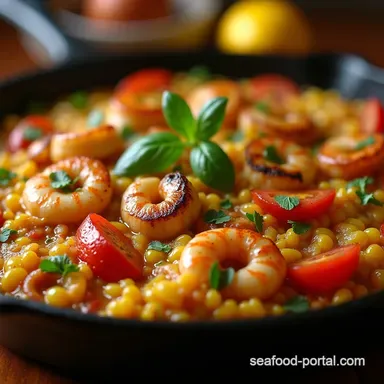
The Sunkissed Pan Authentic Spanish Seafood Chicken Paella with Saffron Glory
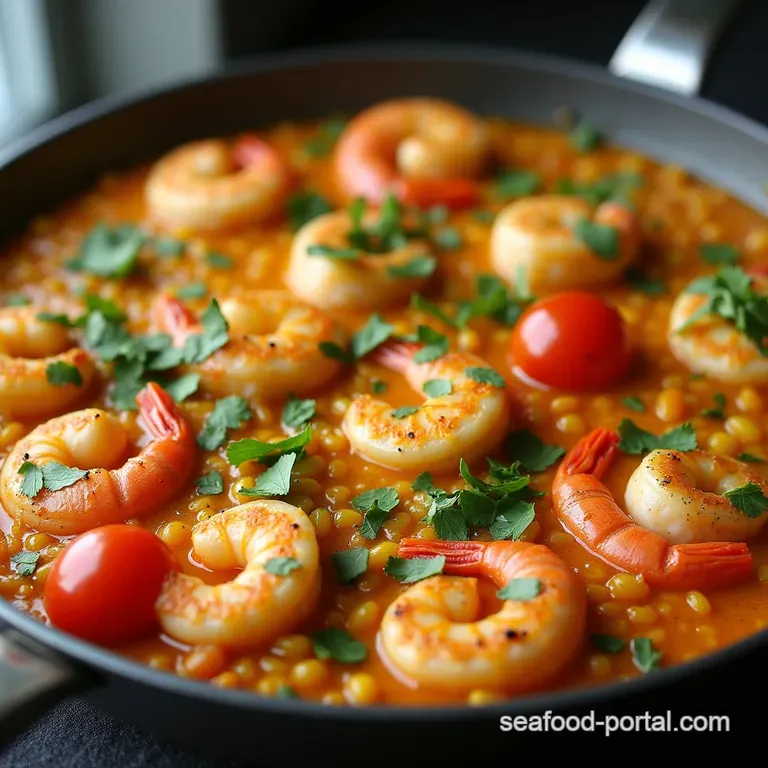
- Capturing the Essence of Valencia: Why This Spanish Paella Stands Apart
- Assembling Your Spanish Paella Pantry: Essential Components
- The Art of the Sauté: Building the Flavor Foundation
- Mastering the Rice Absorption: Timing is Everything for True Spanish Paella
- The Final Transformation: Achieving the Desired Crispy Crust
- Troubleshooting Your First Attempt: Common Paella Pitfalls Avoided
- From Pan to Plate: Serving Traditions and Pairings
- Recipe FAQs
- 📝 Recipe Card
Capturing the Essence of Valencia: Why This Spanish Paella Stands Apart
There are countless rice dishes across the globe, but few carry the cultural weight and sheer celebratory joy of Spanish Paella . This is not merely a one-pot chicken and rice dish; it is a culinary event, a gathering, and a direct reflection of the Mediterranean coastline where it was born.
When we talk about true Spanish paella recipe perfection, we are focusing on technique as much as ingredients. The authentic preparation, rooted in Valencia, demands a wide, shallow pan that allows the rice to cook in a thin layer, ensuring maximum surface contact for that prized texture.
Our focus here is on crafting a robust chicken and shrimp paella , blending the earthiness of poultry with the brightness of the sea, making it the ultimate centerpiece for festive dinner ideas .
Beyond the Basics: Unlocking the Secret to Perfect Saffron Bloom
Saffron is the soul of this dish, lending its unmistakable golden hue and profound, slightly earthy perfume. Merely tossing the threads into the boiling liquid is a disservice to this precious spice. The key to utilizing Spanish paella ingredients effectively is the bloom.
We take a small amount a teaspoon, or a generous pinch of crushed saffron threads and steep them in about a quarter cup of warm, low-sodium stock before we even begin cooking.
This process softens the threads, allowing their colour and complex flavour molecules to dissolve fully into the liquid medium, ensuring every grain of rice benefits from that luxurious glow. This careful activation step is fundamental to achieving authentic Spanish paella .
The Allure of the Socarrat : Achieving Culinary Perfection
If the saffron provides the soul, the socarrat provides the legendary character. This term refers to the thin, beautifully caramelized, slightly crispy layer of rice that forms on the very bottom of the pan.
It’s not burnt rice; it is toasted rice, resulting from carefully managed heat near the end of the cooking cycle. It’s the flavour nugget every experienced paella maker hunts for. Mastering this crust separates a good attempt from a truly stellar Spanish Paella experience.
This textural contrast creamy grains yielding to a crispy base is non-negotiable for an authentic result.
A Mediterranean Masterpiece: What Makes Our Blend Unique
While some variations lean heavily on rabbit or snails, our adaptation marries the approachable familiarity of Spanish paella chicken with the elegance of seafood.
We incorporate diced Spanish chorizo early on, not for an overpowering sausage flavour, but to render its smoky, paprika infused fat into the base oil. This rendered fat, combined with a generous measure of sweet smoked paprika ( Pimentón ), provides a foundational smokiness that perfectly complements the saffron and the broth.
This layered flavour profile firmly places this recipe among the finest Mediterranean cuisine recipes .
Assembling Your Spanish Paella Pantry: Essential Components
A successful paella relies on the quality and type of the core components. Unlike many one pot chicken recipes where substitutions are easily made, paella demands specific tools and specific grains to achieve its characteristic texture.
Having everything prepped your mise en place complete is vital because the cooking process moves quite quickly once the liquid hits the heat.
Tool Checklist: The Pan and Implements for Success
The most critical piece of equipment is the paellera , or paella pan itself. This wide, shallow, carbon steel pan is designed to maximize the evaporation rate and ensure the rice cooks in a thin layer. For this recipe, serving 6 to 8 people, aim for a pan between 15 and 17 inches in diameter.
This width is crucial; if your pan is too deep, the bottom layer will steam while the top layer remains undercooked, preventing socarrat formation entirely. A sturdy wooden spoon is needed for the initial sofrito and to toast the rice, but once the liquid is introduced, the spoon is retired stirring is forbidden!
Selecting Proteins: Chicken Thighs Versus Seafood Selection
For the chicken component, always choose bone-in, skinless thighs cut into uniform 1.5 inch pieces. Thighs stay incredibly moist during the long cooking process, infusing the broth with deep, savory meat juices. We pair this with large, shell-on shrimp and scrubbed mussels.
The shells of the shrimp and mussels contribute significant natural salinity and flavour to the broth as they steam open, enriching the overall profile of the final dish.
Broth Brilliance: The Unsung Hero of Flavour Infusion
The stock is the true vehicle for all flavour transfer in Spanish paella rice . Using a high-quality, low-sodium chicken or seafood stock is paramount. If you use stock that is too salty, there is no way to correct it once the rice has begun to absorb it.
Keep this stock gently warmed on a back burner throughout the entire cooking time; introducing cold liquid will halt the rice’s cooking process, resulting in an uneven texture.
Measuring for Magnificence: Precision in Volume
The ratio of rice to liquid is the closest thing paella has to a hard and fast rule. For the ideal Bomba or Calasparra rice the preferred grains for their ability to absorb vast amounts of liquid without breaking down the ratio is approximately two parts stock to one part rice by volume.
For our 2 cups of rice, we require 6 cups of warm stock. Precision here is the secret weapon against mushiness.
The Art of the Sauté: Building the Flavor Foundation
This phase is where we layer the complexity that defines a truly memorable meal. Think of this as creating a depth charge of flavour before the rice even enters the picture.
Browning the Meats: Sealing in Juiciness Before the Simmer
Begin by heating a generous half cup of Spanish olive oil in your warmed paella pan over medium high heat. Sear the chicken pieces until they have a gorgeous golden brown crust on all sides. This searing is not about cooking them through; it’s about locking in their natural moisture and creating a flavour base.
After the chicken is nicely coloured, add the diced chorizo and cook just until its vibrant fat begins to render out into the oil. Remove both the chicken and chorizo, leaving the flavoured fat behind this is your starting point.
Integrating the Sofrito: A Slow Cooked Aromatic Base
Reduce the heat to medium. Add your finely diced yellow onion and red bell pepper to the rendered fat. Sweat these vegetables gently for about eight minutes until they are soft and translucent. Next, add the minced garlic and cook only until fragrant about sixty seconds.
Now comes the crucial moment: stir in the tomato paste and the smoked paprika. Cook this mixture, stirring constantly, for two full minutes. This "toasting" of the paste and paprika deepens their colour and intensifies their flavour without allowing the paprika to scorch, which would introduce bitterness.
Related Recipes Worth Trying
- Authentic Spanish Seafood Paella Recipe with Perfect Socarrat — Master a true Spanish Paella This recipe delivers deep sofrito flavour and that essential crispy socarrat Learn how to make paella seafood beautifully
- Sunny Day Delicious Chicken Paella Taste Spain at Home — Transport yourself This Delicious Chicken Paella Recipe captures Valencias authentic taste with saffroninfused rice tender chicken The perfect simple paella...
- Braised Octopus with Smoky Romesco My SpanishInspired Secret — Tender Braised Octopus with Smoky Romesco a taste of Spain at home Unlock the secrets to a perfect Octopus Recipe Ready to try
Mastering the Rice Absorption: Timing is Everything for True Spanish Paella
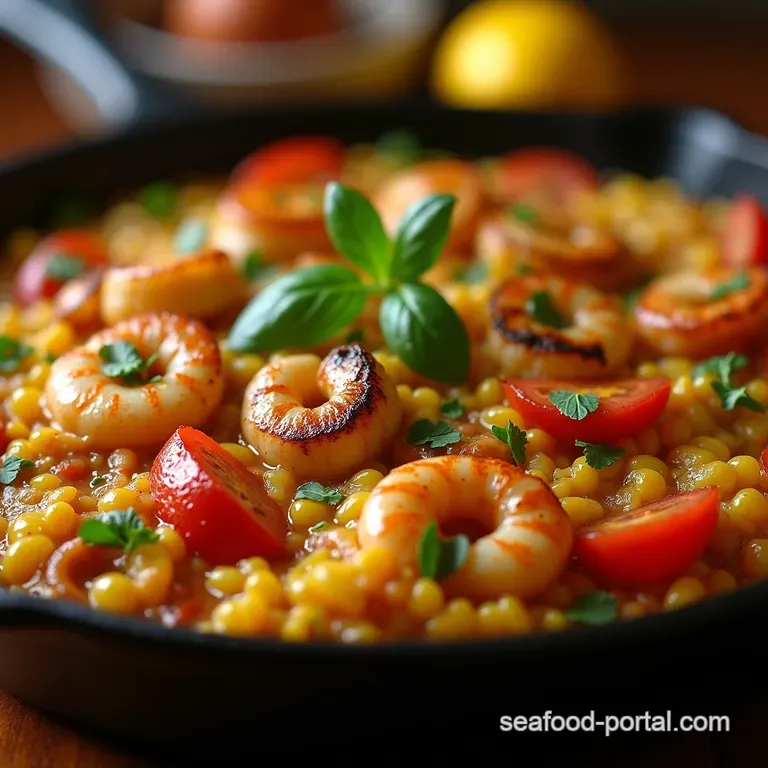
With the aromatic base, or sofrito , perfectly established, it is time to introduce the starch.
We return the browned chicken to the pan, and then we add the 2 cups of Bomba rice. Stir vigorously for two or three minutes, ensuring every grain is coated thoroughly in the flavourful sofrito and oil.
This toasting process, known as nacarar , prevents the grains from sticking together later. If using white wine, pour in that half cup now and cook until it has completely evaporated, adding a welcome layer of acidity to cut through the richness.
Finally, pour in the 6 cups of warmed stock, including the saffron infusion. Stir everything one last time to distribute the chicken and rice evenly across the pan’s surface. Then, stop stirring .
Bring the liquid to a rolling boil, then immediately reduce the heat to a steady, medium low simmer. The total cook time for the rice will be approximately 20– 25 minutes, during which time the pot must remain untouched.
The Final Transformation: Achieving the Desired Crispy Crust
As the liquid level begins to drop noticeably after about 15 minutes of gentle simmering, it’s time to introduce the final touches of protein to ensure they steam perfectly atop the rice bed.
Integrating the Seafood: Arranging for the Steam Bath
Gently nestle the large, deveined shrimp and the scrubbed mussels or clams into the rice mixture. Do not push them too deeply; they should rest on the surface, allowing the steam trapped beneath the liquid to cook them through. Add the cup of frozen peas now as well, sprinkling them over the top for colour.
Let this continue to cook undisturbed until virtually all the visible liquid has disappeared, usually another 5 to 10 minutes.
Browning the Meats: Sealing in Juiciness Before the Simmer
This is where attention must be absolute. Once the liquid is gone, if you listen closely, the sound emanating from the pan will change from a gentle bubble to a distinct, soft crackle. This is the sound of the socarrat forming. Carefully increase the heat to medium high for just two or three minutes.
Use your nose to guide you you want toasted, nutty, but never acrid or burnt. This final blast of heat is what separates this Spanish paella recipe from lesser rice dishes.
The Crucial Resting Phase: Letting the Flavours Marry
As soon as you detect that unmistakable toasted aroma, remove the entire pan immediately from the heat source. Cover the paella tightly with aluminum foil or a heavy, clean kitchen towel. Let it rest, undisturbed, for a full ten minutes.
This resting period is essential; it allows the residual steam to finish cooking the rice grains evenly and lets the intense flavours from the saffron to the paprika settle and meld into the rice structure.
Troubleshooting Your First Attempt: Common Paella Pitfalls Avoided
The most common beginner mistake is stirring the rice once the stock has been added; this releases too much starch, resulting in a creamy texture reminiscent of risotto, defeating the purpose of authentic Spanish paella rice . Next,, inconsistent heat is a killer.
If the heat is too low, the liquid evaporates unevenly, leaving pockets of undercooked rice. If it’s too high, you burn the bottom before the top grains are done. Trust the visual cues and the sound of the socarrat forming, and don't be afraid to slightly move the pan around over the burner if your heat source is uneven.
From Pan to Plate: Serving Traditions and Pairings
Paella is inherently communal. It is always served directly from the paellera in the center of the table. Garnish generously with freshly chopped parsley and wedges of bright lemon.
Squeezing fresh lemon juice over the finished dish just before eating provides a necessary acidic lift that brightens all the rich, smoky flavours.
Storage Secrets: Keeping Leftover Paella Sublime
If, by some miracle, you have leftovers, do not store them hot. Allow the paella to cool completely on the counter before covering and refrigerating. Reheating is best done gently in a single layer on a baking sheet in the oven (around 325° F/ 160° C) for about 10– 15 minutes, rather than microwaving, which can make the rice tough.
Creative Twists: Adapting Your Chicken and Seafood Recipe
While we celebrate the chicken and shrimp paella fusion here, feel free to substitute proteins based on availability. For a truly coastal feel, replace the chicken entirely with firm white fish like monkfish or snapper, ensuring you use a high-quality seafood stock for the liquid base.
This variation moves the dish closer to a traditional Paella Marinera .
Wine Pairings: Complementing the Sunshine in Your Bowl
The richness of the saffron, chorizo, and seafood requires a wine that is crisp, bright, and slightly acidic to cleanse the palate. A chilled Spanish white wine, such as an Albariño from Rías Baixas, is the quintessential choice.
Its minerality and citrus notes perfectly echo the lemon garnish and cut through the savory depth of the broth.
Recipe FAQs
What is the secret to getting that crusty bottom, the socarrat, on my Spanish Paella?
Ah, the socarrat! This is where the magic happens, mate. Once the rice is nearly cooked and most of the liquid is absorbed, turn the heat up to medium high for the final 2 3 minutes. You must listen carefully you should hear a gentle sizzling or crackling sound coming from the bottom of the pan.
Remove it from the heat immediately once you hear that noise; burning it will just taste like charcoal, and no one wants that!
Can I stir the rice once the stock has been added? I’m used to making risotto!
No, absolutely not! This is the cardinal sin when making paella. Stirring releases the starch from the rice, which results in a creamy texture, turning your beautiful paella into something resembling a thick, soupy risotto.
Once the liquid is in and distributed, you must leave the rice alone to cook evenly and form that delicious crust underneath.
I can’t find Bomba rice; can I use Arborio rice instead for my Spanish Paella?
While Arborio is a decent short grain rice, it’s not ideal as it absorbs liquid differently and releases too much starch. If Bomba or Calasparra are unavailable, use Carnaroli rice as a slightly better alternative if you have it.
Just remember that you might need to slightly adjust the liquid ratio or cooking time, as they behave a bit differently on the heat.
How should I store leftovers, and can I reheat paella properly?
Treat leftovers like they’re precious gold! Once cooled, store the paella in an airtight container in the fridge for up to three days. To reheat, the best method is on the stovetop: add a tiny splash of water or stock to the pan, cover it tightly, and heat gently over low heat until warmed through.
Microwaving tends to dry out the rice too quickly.
My paella looks a bit pale; what ingredient gives it that signature orange gold colour?
That glorious hue comes almost entirely from high-quality saffron threads, which you should bloom in warm stock before adding. However, if you want that deeper, sunset colour that signals flavour, be generous with the sweet smoked paprika (Pimentón).
Just be quick when cooking the paprika in the sofrito stage, as it burns easily and turns bitter!
Authentic Chicken Seafood Paella