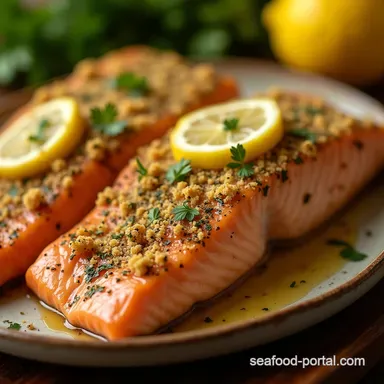
The Sunday Lunch Shortcut Foolproof Lemon Herb Baked Salmon
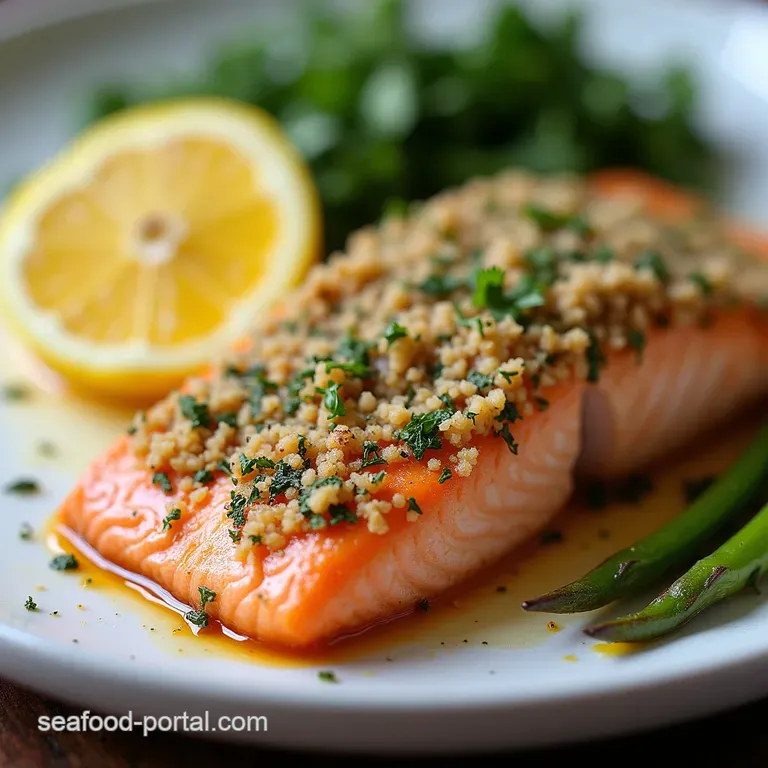
- Ditching the Deep Fry: Why Baking is Your Salmon's Best Friend
- The Weeknight Hero: Unlocking Flavour in Minimal Time
- Essential Components for Perfect Lemon Herb Crusted Baked Salmon
- The Step-by-Step Blueprint for Impeccable Baked Salmon
- Achieving Peak Doneness: Temperature Secrets Revealed
- Elevating the Experience: Serving Suggestions and Pairings
- Recipe FAQs
- 📝 Recipe Card
Ditching the Deep Fry: Why Baking is Your Salmon's Best Friend
When we talk about preparing fish, the immediate thought for many jumps straight to searing in a scorching hot pan, resulting in a satisfying sizzle but often yielding a fish that is either slightly scorched or unevenly cooked.
However, for the king of healthy fats salmon we can achieve superior texture, maximum flavour infusion, and significantly less cleanup by embracing the oven. Learning How To Bake Salmon In Oven transforms your weeknight routine from complicated to casually gourmet.
Baking provides a gentle, consistent heat environment that coaxes out the fish’s natural oils, ensuring a moist interior while allowing seasonings to develop their full aromatic profile.
It is, quite simply, the most reliable method for foolproof results, shifting the focus from constant monitoring to enjoying the process.
The Weeknight Hero: Unlocking Flavour in Minimal Time
This Baked Salmon Recipe is designed for speed and elegance. With just 10 minutes of active preparation time, we move quickly from pantry to plate, proving that high-quality meals don't require hours chained to the stovetop.
This approach is about efficiency; the oven does the heavy lifting while you manage side dishes or simply relax. This is where the magic of creating an Easy Baked Salmon Recipe truly shines it delivers on taste parity with much more complex techniques but wraps up in under 30 minutes total.
Meet Your New Go-To Meal: The Lemon Herb Promise
Our foundation for this recipe centres on brightness. We are creating a simple, yet incredibly potent, Lemon Herb Crusted Baked Salmon Fillet Recipe . The core flavour profile hinges on fresh lemon juice and zest, which acts as a beautiful counterbalance to the richness of the fish.
Paired with classic aromatic companions like dill and parsley, this blend cuts through beautifully, making the final product taste vibrant and fresh, perfect for any season.
Healthier Than a Fry-Up: Guilt Free Decadence
One of the greatest appeals of Salmon In The Oven preparation is the substantial reduction in added fats. Unlike pan-frying, where you might use a quarter cup of oil or butter, baking relies on a light coating of olive oil to carry the seasonings and promote a tender cook.
This method preserves the exceptional heart healthy Omega-3 fatty acids inherent in salmon, allowing you to enjoy true decadence without any post meal guilt. It’s nourishing food prepared simply.
Mastering the Crispy Top on Flaky Fish
While we aren't deep frying, achieving textural contrast is key to a captivating dish. A light dusting of Panko breadcrumbs, sprinkled over our herb oil mixture, forms a delicate, golden crust during the baking process.
This subtle crunch elevates the otherwise soft texture of the cooked fillet, providing that satisfying textural element that makes a meal feel complete. This technique ensures that every bite of your Baked Salmon offers both succulence and a delicate crispness.
Essential Components for Perfect Lemon Herb Crusted Baked Salmon
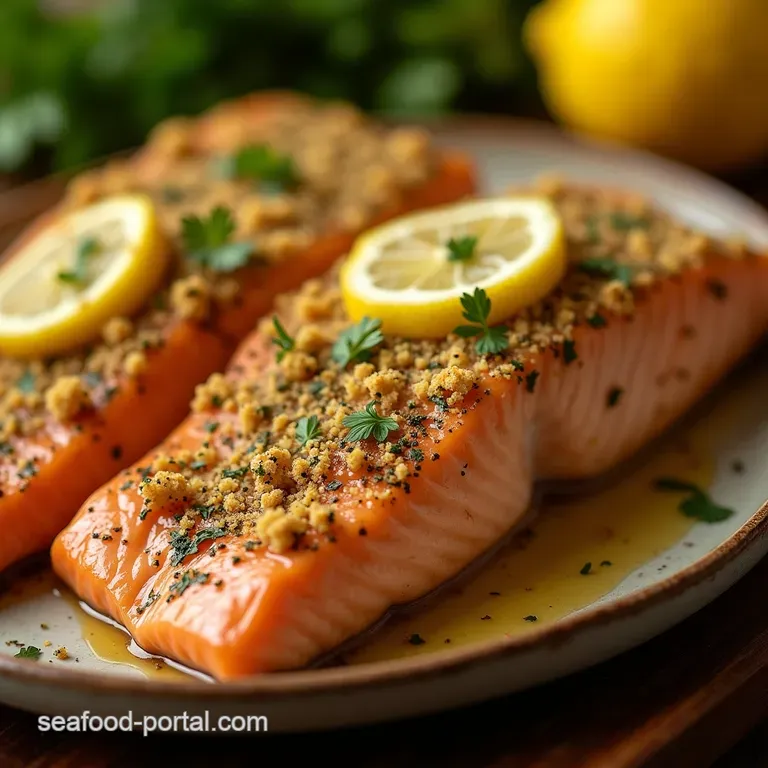
Creating perfection requires attention to the quality of what goes into the dish. For this particular preparation, we are aiming for four generous servings, meaning you’ll need four approximately 6-ounce fillets.
The secret isn't just in the technique, but in ensuring the supporting players the herbs, fats, and acids are balanced harmoniously. This entire preparation process takes about 10 minutes of focused effort before the oven takes over.
Curating Your Pantry: Choosing Quality Components
When working with minimal ingredients, quality becomes paramount. Always opt for Extra Virgin Olive Oil, as its flavour profile is robust enough to stand up to the baking process. The acid, fresh lemon juice, is non-negotiable; the bottled alternative simply lacks the bright, sharp notes required to truly lift the flavour profile of the final Baked Salmon .
The Aromatic Ensemble: Herbs, Zest, and Binder Breakdown
Our herb mixture is straightforward: a blend of finely chopped fresh parsley and dill, complemented by garlic powder for depth rather than the aggressive pungency of fresh minced garlic, which can sometimes burn during baking. The lemon zest is critical here, as it holds the most volatile, aromatic oils of the fruit.
These components are whisked together with the oil and seasonings salt and pepper to taste to form the flavour binder that adheres beautifully to the fish. If you desire extra textural crunch, we introduce three tablespoons of Panko breadcrumbs right into this wet mixture for application.
Selecting the Ideal Cut: Fresh vs. Frozen Fillets
When sourcing your fish, center cut fillets are ideal as they tend to be thicker and cook more evenly. While fresh is wonderful, you absolutely can Bake Frozen Salmon .
If starting from frozen, ensure the fillets are thawed completely under cold running water or in the refrigerator overnight, and then pat them meticulously dry before seasoning. Damp fish steams; dry fish browns and crusts. Whether fresh or frozen, drying the surface is step one for success.
Toolkit Tally: Must Have Gear for Seamless Prep
For this Baked Salmon Recipe , simplicity in equipment is key. You primarily need a standard baking sheet, which you should line with parchment paper or aluminum foil. This simple step ensures cleanup is virtually nonexistent a true weeknight win.
Beyond the sheet, you just require a small mixing bowl for the herb rub and basic measuring utensils.
Related Recipes Worth Trying
- The Best Easy Salmon Seasoning Recipe Zesty Smoky Rub — Tired of bland fish This easy salmon seasoning recipe features a smoky zesty rub that creates a perfect crust A foolproof blendthe best seasoning for salmon...
- Super Crispy Baked Chicken Tenders Recipe OvenFried Dream — Achieve shatteringly crisp ovenbaked chicken tenders using Panko and a simple doublecoat method Perfect for a simple weeknight dinner
- Easy Baked Crab Rangoon Dip Recipe Restaurant Style Flavor — Ditch the wrappers This Easy Crab Rangoon Dip recipe transforms that addictive filling into a hot bubbly appetizer perfect for parties Get the foolproof...
The step-by-step Blueprint for Impeccable Baked Salmon
Now that we have our components ready, the execution phase is beautifully linear. The goal is even heat application and precise timing to guarantee that irresistible flaky texture.
Prepping the Fillet: Seasoning and Herb Crust Application
First, ensure your oven is set, as detailed below. Next, take your four patted dry salmon fillets and lay them on your lined baking sheet. In your mixing bowl, thoroughly combine the olive oil, lemon juice, zest, parsley, dill, garlic powder, salt, and pepper.
Using a pastry brush or the back of a spoon, generously coat the top (flesh side) of each fillet with this mixture, ensuring coverage right to the edges. If using Panko, sprinkle those three tablespoons evenly across the tops now.
Oven Setup: Baking Temperatures That Guarantee Success
The temperature setting is crucial for achieving that ideal internal cook without drying out the exterior. For the best result in Baked Salmon At 400 , preheating your oven to 400° F ( 200° C) is the sweet spot.
This moderate-to-high heat is sufficient to crisp the Panko crust slightly while ensuring the heat penetrates the fillet evenly without scorching the delicate herbs.
The 15-Minute Magic: Cooking Times and Tent Techniques
Determining How Long To Bake Salmon hinges entirely on thickness. For standard 1 inch thick fillets, the magic number is usually between 12 and 15 minutes.
If your fillets are significantly thicker (say, 1.5 inches), you might start checking closer to 14 minutes and be prepared to go up to 18. For thinner cuts, you might check as early as 10 minutes.
The tenting technique placing a piece of foil loosely over the fish for the first half of the cooking time can help trap steam initially, ensuring the inside stays moist, though with this oil-heavy rub, it is often optional. Always rely on temperature over time for absolute certainty regarding doneness.
Achieving Peak Doneness: Temperature Secrets Revealed
Never guess when it comes to fish. While the visual cue of easy flaking is excellent, true culinary confidence comes from knowing the internal Baked Salmon Temperature .
The FDA recommends an internal temperature of 145° F ( 63° C) for safety and optimal texture.
When you insert an instant read thermometer into the thickest part of the fillet, aiming for 145° F ensures it’s cooked through yet tender. Be aware that the fish will continue to cook for a few minutes after removal from the oven (carryover cooking).
Therefore, many chefs aim to pull the fish out when it registers between 140° F and 142° F. This guarantees that perfect, moist texture when you sit down to enjoy your meal.
Elevating the Experience: Serving Suggestions and Pairings
A beautifully cooked Baked Salmon deserves thoughtful accompaniments that enhance, rather than compete with, its bright, herby flavour profile. The preparation method described lends itself beautifully to both casual family dinners and slightly more formal settings.
What to Pair With Your Flaky Fish: Side Dish Inspiration
To complement the richness of the salmon and the brightness of the lemon, focus on textures and greens. A base of fluffy Basmati rice or small roasted new potatoes tossed simply with rosemary provides the necessary grounding element.
For vegetables, quickly steamed or blistered asparagus spears are a perennial favourite; a little balsamic glaze drizzled over them introduces a welcome tang that mirrors the lemon in the fish crust.
Storing Leftover Baked Salmon Safely
If you are fortunate enough to have leftovers from your Baked Salmon Fillet Recipe , proper storage is essential. Ensure the fish has cooled slightly, then transfer it into an airtight container. Stored correctly in the refrigerator, it will keep safely for three to four days.
Leftover salmon is fantastic flaked cold into salads the next day or gently reheated in a microwave for just a few seconds to maintain moisture.
Spice It Up: Introducing Heat and Tangy Twists
While our base recipe is mild and herby, customization is encouraged. For those who prefer a little kick, consider adding a generous pinch of red pepper flakes directly into the wet herb mixture before application.
Alternatively, instead of just relying on the lemon, consider a small dollop of Dijon mustard mixed into the oil binder, which adds a pleasant, earthy tang that sharpens the overall flavour profile of your Baked Salmon .
Recipe FAQs
How do I know when my Baked Salmon is perfectly cooked and not dry?
The best gauge is the internal temperature; aim for 145°F (63°C) at the thickest part. If you don't have a thermometer, gently test the thickest section with a fork if it flakes easily without resistance, it's done.
Remember, salmon continues to cook slightly after you take it out of the oven, so pull it out just before you think it’s fully done to avoid ending up with something that tastes like old boots!
Can I use frozen salmon fillets instead of fresh for this Baked Salmon recipe?
Absolutely, no problem at all. The key is proper thawing: transfer the frozen fillets to the fridge overnight. If you're in a pinch, you can use the defrost setting on your microwave, but make sure they aren't starting to cook unevenly. Thawed fillets can be patted dry and used exactly as written in the instructions.
My fish is sticking to the pan! What’s the trick to easy removal?
Ah, the bane of any cook’s existence! For foolproof cleanup, always line your baking sheet with parchment paper or aluminum foil it’s an absolute lifesaver. If you must place the fish directly on the pan, make sure you oil the pan generously before placing the salmon down, not just the fish itself.
How long can I safely store leftover Baked Salmon, and is it any good cold?
Leftover salmon is brilliant for lunch the next day. Store it in an airtight container in the fridge for up to 3 or 4 days. It’s excellent cold flaked over a salad, or you can reheat it gently in the microwave on a low setting for about 30 seconds to retain moisture.
Can I substitute the herbs? What if I only have dried ones on hand?
You certainly can swap out the herbs; feel free to try oregano or thyme if you prefer a more robust flavour profile. If you only have dried herbs, remember the golden rule: dried herbs are generally stronger, so use about one-third of the amount specified for fresh herbs so about 1 teaspoon of dried dill for the 1 tablespoon fresh called for.
I'm worried about the oven temperature should I bake it hot and fast, or low and slow?
For this recipe, 400°F (200°C) is the sweet spot; it’s hot enough to crisp up that lovely herb crust without drying out the centre. Baking it too low means the fish will stew rather than bake, and you’ll miss out on that delicious textural contrast.
Stick to the specified temperature for the best results, typically taking about 12 15 minutes.
Lemon Herb Baked Salmon