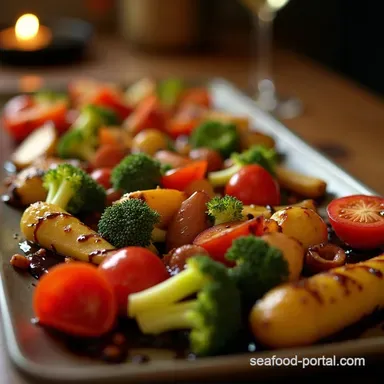
The Full Works Charred Vegetable Platter with Sticky Balsamic Reduction
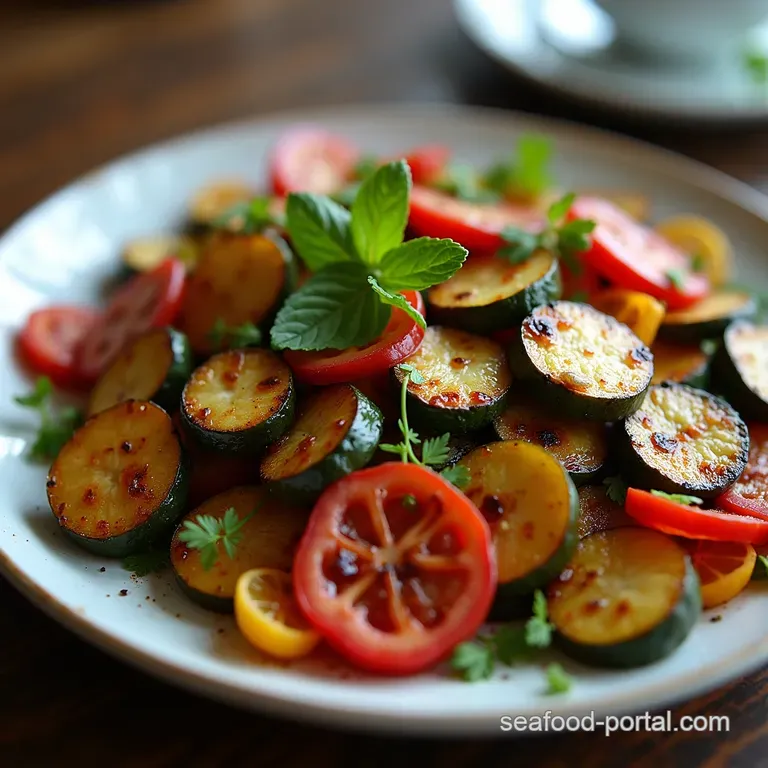
- Unveiling the Ultimate Summer Side: Smoky Charred Perfection
- Why This Grilled Vegetable Platter with Balsamic Glaze Steals the Show
- The Produce Pantheon: What You Absolutely Need to Source
- Step-by-Step Mastery: Prepping and Perfecting the Vegetables
- Elevating Your Platter: Variations and Next-Level Toppings
- Storing Leftovers and Reheating for Day-Two Enjoyment
- Recipe FAQs
- 📝 Recipe Card
Unveiling the Ultimate Summer Side: Smoky Charred Perfection
There is something inherently magical about vegetables that have kissed the flame of a grill. The heat transforms their natural sugars, coaxing out a profound depth of flavour that boiling or even standard roasting simply cannot replicate.
We are moving beyond the notion of the sad, lifeless side dish; this is a celebration of texture, colour, and intense, smoky sweetness. Our destination today is the Grilled Vegetable Platter with Balsamic Glaze , a dish so vibrant and compelling it often steals the spotlight from the main event.
This Roasted Vegetables With Balsamic Glaze Recipe adaptation brings that robust, fire kissed flavour right to your serving board, making it ideal for everything from backyard barbecues to elegant al fresco dining.
Why This Grilled Vegetable Platter with Balsamic Glaze Steals the Show
This recipe elevates simple produce into something truly memorable. It’s not just about cooking vegetables; it’s about harnessing the power of high heat and balancing it with a sophisticated, tangy glaze.
The brief description I have for this undertaking emphasizes vibrant produce kissed by smoke, finished with a sticky, sweet and-sour balsamic reduction that adheres beautifully to every surface.
It requires minimal fuss Prep Time is a swift 20 minutes, and total time hovers around 40 minutes meaning you spend less time hovering over the heat source and more time enjoying the results.
With an easy difficulty level, this is achievable for any home cook looking to impress.
From Farmers Market Haul to Fire Kissed Feast
The success of any great Grilled Vegetable Platter with Balsamic Glaze hinges entirely on the quality of your ingredients. Think seasonal abundance! When sourcing your produce, look for firmness and bright colour.
We are incorporating a wide variety of textures, from firm peppers and onions to tender zucchini and asparagus. Since the cooking time varies significantly between these items, careful preparation is vital to ensure everything finishes perfectly tender crisp simultaneously.
Achieving That Essential Grill Char Without Burning
The secret to achieving that coveted char those beautiful dark lines that signal deep flavour development lies in temperature control and not overcrowding the cooking surface. A medium high heat (around 400° F or 200° C) is crucial.
Too cool, and the vegetables steam; too hot, and the sugars burn instantly before the interior softens. We must oil the grates generously before placing anything down to prevent frustrating sticking, which often leads to tearing when trying to flip.
This quick, intense sear is what separates truly great Best Bbq Vegetables from merely cooked ones.
The Secret to a Truly Unforgettable Balsamic Reduction
While the smoky vegetables provide the foundation, the balsamic glaze is the showstopper. Forget thin, watery drizzles. We are aiming for a reduction that is syrupy and clings dramatically to the surface of the grilled items.
This involves simmering high-quality balsamic vinegar and yes, quality matters here often with a touch of brown sugar for enhanced stickiness, until it coats the back of a spoon.
This thickened Dressing For Grilled Vegetables is so flavourful it practically eliminates the need for heavy cheese toppings, keeping the dish light and naturally wholesome.
The Produce Pantheon: What You Absolutely Need to Source
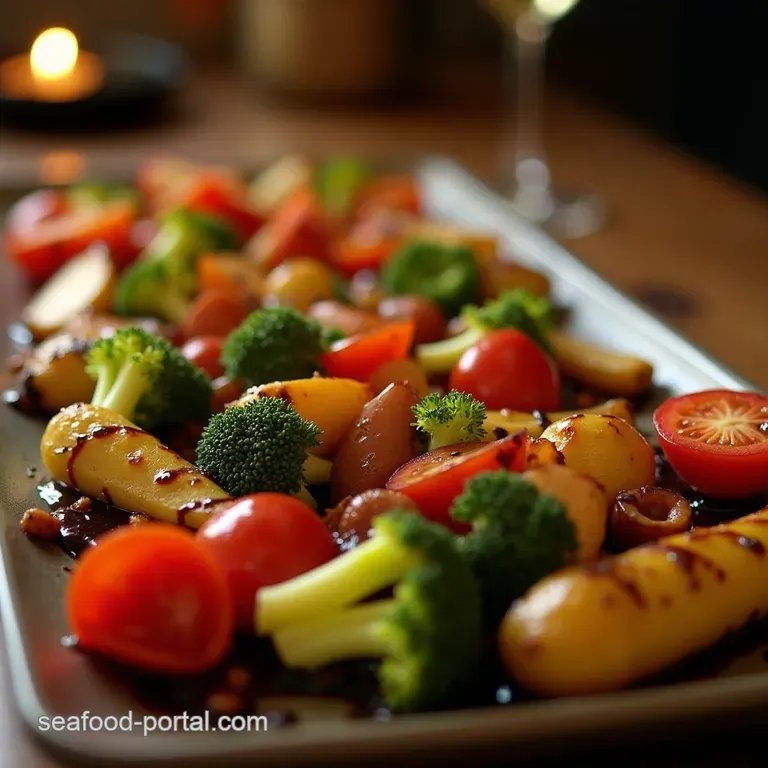
To build a truly impressive Grilled Veggie Board , variety is paramount. We need vegetables that hold their shape well under heat and others that soften beautifully.
For our main components, we’ll focus on substantial items like two medium zucchinis, sliced lengthwise into half inch planks, and a robust mix of bell peppers one red and one yellow quartered for maximum surface area exposure to the flame.
On top of that,, a large red onion, cut into thick wedges ensuring the root holds the layers together, provides a wonderful sweetness when caramelized. Rounding out the core are whole or halved Baby Bella mushrooms and a generous bunch of asparagus, trimmed of its woody ends.
Finally, smaller florets of broccoli or broccolini are perfect additions for texture contrast.
Essential Vegetables for Optimal Grilling Structure
When considering Best Vegetables For Grilling , think density. Vegetables like carrots, butternut squash, or even thick slices of eggplant are fantastic additions, though they may require a slight head start on the grill or blanching beforehand.
For this recipe, we rely on the natural structure of peppers, onions, and zucchini to withstand the direct heat beautifully. These are the Veggies For Grilling that provide the satisfying chewiness that contrasts with the soft interior.
The Simple Marinade That Replaces Heavy Seasonings
We want the inherent flavour of the fire and the natural sweetness of the vegetables to shine, so we opt for a light but aromatic marinade. This mixture consists of a quarter cup of good quality extra virgin olive oil, which helps transfer heat and prevent drying.
To this, we introduce two finely minced garlic cloves, one tablespoon of freshly chopped rosemary, one teaspoon of dried oregano, kosher salt, and black pepper. This combination is sufficient to flavour the produce without masking the beautiful smoky undertones achieved on the grill.
Must Have Tools for Perfect Grill Marks (No Parmesan Required)
Your primary tool is, naturally, a clean and well oiled grill, whether charcoal, gas, or a cast iron grill pan. Beyond that, a sharp chef’s knife is essential for uniform slicing, which dictates even cooking.
You will also need a small saucepan for creating the reduction and a large mixing bowl for tossing the marinated components. A good basting brush is helpful for applying a little extra oil to the grates before you begin.
Related Recipes Worth Trying
- Easy Garlic Herb Grilled Vegetables with Smoky Char — Transform your BBQ with these tender Garlic Herb Grilled Vegetables A simple marinade gives amazing flavour to this easy grilled vegetable recipe Perfect...
- Smoky Perfection UltraCrispy Grilled Chicken Wings — Forget deepfrying Learn the secret to unbelievably Crispy Grilled Chicken Wings using baking powder for a shatteringly crisp skin The best Grilled Wings...
- Best oven roasted Sweet Potato Halves with MapleThyme — Achieve the best oven roasted sweet potato halves with crispy edges and sweet insides This easy sweet potato preparation uses maple and thyme for incredible...
Step-by-step Mastery: Prepping and Perfecting the Vegetables
The initial phase focuses on meticulous preparation before the heat is even applied. After washing and slicing all your chosen produce according to size guidelines ensuring those zucchini planks are consistently half an inch thick the next critical action is whisking together the marinade components: olive oil, minced garlic, fresh rosemary, oregano, salt, and pepper in a large bowl.
Toss all the prepped vegetables thoroughly in this mixture until every piece is lightly slicked. Allow this mixture to sit for at least ten minutes, letting the salt begin its work drawing out a touch of moisture, which assists in better caramelization later.
Washing, Slicing, and Tossing: The Pre-Grill Ritual
Uniformity is your friend here. When slicing zucchini, if the planks are too thin, they will turn to mush upon contact with the grill. If they are too thick, the exterior will char before the interior softens. Aim for that sweet spot.
The red onion wedges must retain their root connection so they don’t disintegrate when flipped. Remember, a quick rinse and thorough drying of the asparagus ensures no stray water steams the vegetable once it hits the hot grates.
Reducing the Balsamic: Simmering to That Perfect Syrup Consistency
While the vegetables rest in their bath of herbs and oil, turn your attention to the glaze. In a small saucepan, combine one cup of balsamic vinegar with one tablespoon of brown sugar (if you desire extra body and slight sweetness this is optional).
Bring this gently to a simmer over medium heat, then immediately reduce the heat to low. Allow it to bubble softly for 10 to 15 minutes. The volume should decrease by roughly half, and the texture should become noticeably thicker it needs to be syrupy enough to coat the back of a spoon lightly.
Crucially, remove it from the heat; it will continue to thicken significantly as it cools down.
Assembling Your Showstopping Grilled Vegetable Platter with Balsamic Glaze
Once the vegetables are cooked, remove them immediately and arrange them visually appealingly on your serving platter. Alternate colours and textures lay the charred zucchini planks next to the bright red onion wedges and nestle the asparagus spears between the peppers.
This step transforms mere cooked produce into a genuine Grilled Vegetable Platter with Balsamic Glaze . Drizzle that cooled, sticky reduction generously over the arranged platter just moments before presenting it.
Checking for Doneness: Tender Crisp vs. Fully Softened
The desired texture is "tender crisp," which means the vegetables are yielding when pierced with a fork but still retain a distinct, pleasant bite and structural integrity. Vegetables like broccoli and peppers take the longest; add them first.
Asparagus and mushrooms cook fastest and should be added toward the end of the grilling sequence, usually requiring only three to four minutes per side.
Elevating Your Platter: Variations and Next Level Toppings
While this Grilled Vegetable Platter with Balsamic Glaze stands tall on its own, adding a final textural flourish can make it restaurant worthy. We have deliberately kept the core recipe free of heavy additions like Parmesan to maintain its natural elegance and dietary flexibility.
However, next level toppings might include toasted pine nuts sprinkled over the top for crunch, a scattering of fresh basil leaves torn by hand just before serving, or perhaps a light dusting of smoked paprika added to the initial marinade for a deeper, earthier complexity.
Optional Flavor Boosts: Dodging the Garlic/Parmesan Rut
If you find yourself wanting an extra kick beyond the rosemary and oregano, consider adding one teaspoon of smoked paprika to the marinade for a deeper smokiness, enhancing the natural char flavour.
Another option is incorporating finely grated orange zest into the balsamic reduction near the end of its cooking time; the citrus brightens the heavy vinegar notes beautifully.
Making This Dish Vegan, gluten-free, or Keto Friendly
One of the joys of this preparation is its inherent adaptability. It is naturally vegan and gluten-free! For those monitoring carbohydrate intake, ensure you skip the optional tablespoon of brown sugar in the balsamic reduction entirely; balsamic vinegar itself contains natural sugars, but omitting the added sugar keeps the net carbs lower while still providing sufficient tang.
Troubleshooting: Why Did My Glaze Crystalize?
If your glaze hardens too much upon cooling, it usually means one of two things happened: either the vinegar quality was poor, or you reduced it for too long. If it becomes rock hard, reheat it gently with a teaspoon of water or fresh balsamic vinegar, stirring constantly until it loosens back into a thick syrup consistency.
Serving Suggestions: Pairing the Best Wines with Charred Veggies
The inherent sweet acidity of the glaze requires a wine that can handle both the vinegar tang and the smokiness. A crisp, dry white wine like a Sauvignon Blanc, whose herbaceous notes complement the rosemary, works wonderfully.
Alternatively, for red wine lovers, choose a light bodied, slightly chilled Beaujolais or a young Pinot Noir; their bright red fruit notes won't clash with the charred elements.
Storing Leftovers and Reheating for Day-Two Enjoyment
Any leftover Grilled Vegetables With Balsamic Glaze stores beautifully. Place the vegetables in an airtight container in the refrigerator for up to three days. It’s important to store the vegetables separately from any leftover glaze, as the glaze tends to get rock hard when chilled.
To enjoy the next day, briefly reheat the vegetables on a baking sheet in a 350° F ( 175° C) oven for about 5– 7 minutes, just until warmed through.
Drizzle with fresh glaze or a splash of high-quality olive oil just before serving to bring back that just off-the-grill moisture.
Recipe FAQs
What’s the secret to getting good char marks on my Grilled Vegetable Platter with Balsamic Glaze without burning them?
It all comes down to high heat and speed! Make sure your grill is properly preheated to medium high heat it should be hot enough that you hear a satisfying sizzle immediately when the veggies hit the grates.
Keep an eye on softer items like zucchini, turning them quickly once clear grill marks appear, aiming for that lovely smoky flavour.
My balsamic glaze turned out too runny. How can I fix it or prevent it next time?
If it's runny, pop it back on a very low simmer and reduce it further until it coats the back of a spoon lightly; remember, it thickens considerably as it cools down off the heat. Next time, use a decent quality balsamic vinegar (the expensive stuff is worth it here!) and be patient during the reduction process it takes a good 10 15 minutes to get that perfect syrupy consistency.
I’m grilling for a crowd; how far ahead of time can I prep the vegetables for this platter?
You can certainly do the prep work ahead of time, which is always a lifesaver when hosting! Chop all your vegetables and mix up the marinade the morning of, keeping them separate in airtight containers in the fridge.
Don't toss them in the marinade until about an hour before you plan to grill, though, or they might get a bit soggy!
Can I make this Grilled Vegetable Platter with Balsamic Glaze entirely on the barbecue, or do I need an indoor grill pan?
Absolutely, the barbecue (gas or charcoal) is the ideal place for this! If you are using an outdoor grill, you'll get that quintessential smoky flavour that a pan just can't replicate. Just remember to oil those grates well before laying the veg down to avoid a right mess and ensure easy flipping.
What are the best alternative vegetables I can swap in if my local market doesn't have asparagus this week?
You’ve got loads of options, depending on what’s in season! Think sturdy root veg like thick slices of parsnip, or perhaps some colourful sweet potatoes cut very thin. Alternatively, large Portobello mushroom caps or slices of firm eggplant (aubergine) work splendidly with that balsamic drizzle, so don't fret if the asparagus bin is empty.
How should I store leftovers, and will this dish taste good the next day?
Leftovers are best kept in an airtight container in the fridge for up to three days; they tend to lose a bit of their crispness, naturally. To revive them, give them a quick blast in a hot oven (around 400°F/200°C) for about 5 7 minutes avoid the microwave, as that tends to make grilled veg rubbery, which is a tragedy!
Charred Veg Platter Balsamic