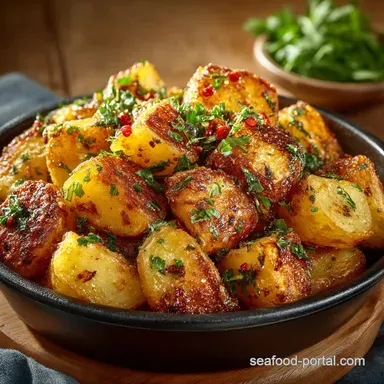
The Golden Standard Proper Southern Fried Potatoes with Sweet Onion Bacon Lardons
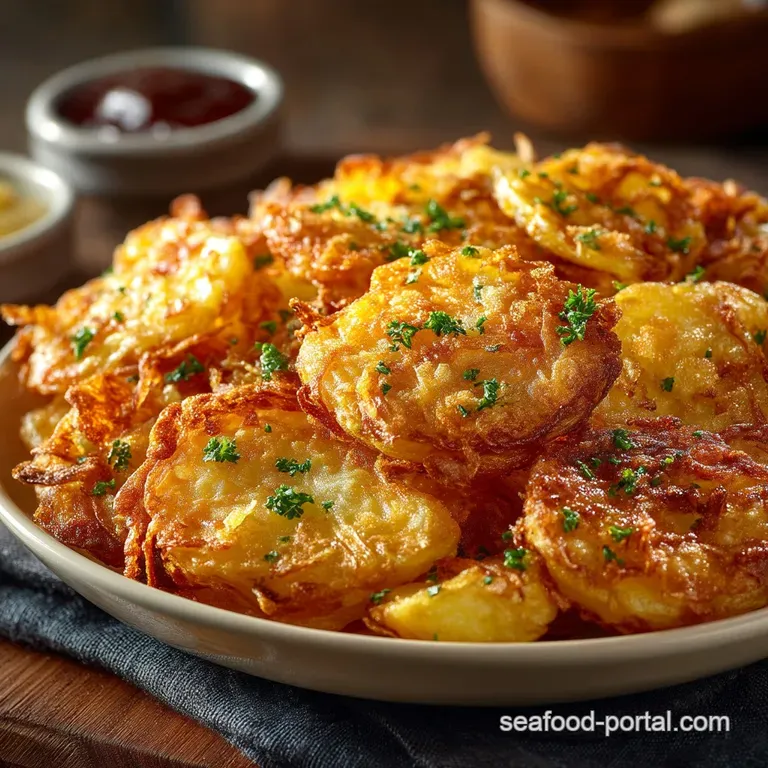
- Unlocking Comfort: Why These Southern Fried Potatoes Reign Supreme
- The Heritage Secret to Achieving Authentic Southern Flavor
- Assembling Your Cast of Flavor Components for Fried Potatoes
- The Step-by-Step Choreography for Flawless Southern Fried Potatoes
- Mastering the Art of the Stovetop Sear
- Elevating Your Fried Potato Game: Pro Tips and Variations
- Storing Leftovers: Keeping the Crunch Alive Until Tomorrow
- Recipe FAQs
- 📝 Recipe Card
Unlocking Comfort: Why These Southern Fried Potatoes Reign Supreme
There are certain dishes that instantly transport you back to a place of warmth, family gatherings, and slow weekend mornings, and for many, Southern Fried Potatoes are at the top of that list.
This isn't the hurried, under-seasoned hash you find in a quick-service diner; this is a culinary experience rooted in patience and rendered fat. We are aiming for that sublime textural contrast: a shatteringly crisp, deep golden exterior clinging to an interior that melts on the tongue.
Whether you’re seeking the ultimate Potato Sides or the foundational element for a grand Southern breakfast spread, mastering this technique will elevate your kitchen game significantly.
The Heritage Secret to Achieving Authentic Southern Flavor
The magic of truly great Southern Fried Potatoes lies in honoring the process, it’s less about a tricky recipe and more about methodical execution.
We’re pulling inspiration from generations of home cooks who understood that great flavor takes time to coax out of humble ingredients. This method ensures that every bite delivers savory depth from rendered fat and the subtle sweetness of properly caramelized onions.
More Than Just Hash Browns: Defining Crispy Perfection
What separates a mediocre fried potato from an exceptional one? Uniformity and dryness. When we discuss crispy perfection, we mean achieving a deep Maillard reaction on the surface of each slice, a feat impossible if moisture is present.
The secret to transforming simple sliced potatoes into true Sliced Fried Potatoes Skillet stars is ensuring the potatoes are sliced consistently thin, ideally about 1/8 of an inch, and then aggressively dried before they ever meet the hot fat.
The Essential Role of Patience in Stovetop Sizzling
If you rush the process, you end up with steamed, soft potatoes. The key to a successful Home Fry Recipe Potatoes session is low-and-slow rendering followed by medium-high searing.
We must allow the natural sugars in the potatoes and onions to brown deeply without burning, and this usually requires a total cook time stretching nearly an hour. This slow dance on the stovetop is what builds layers of flavor and texture that define the authentic article.
Setting the Stage for a Legendary Breakfast Side
To create the Southern Fried Potatoes Recipe standard, we lean heavily on traditional flavor enhancers. The foundation is built upon rendering thick-cut bacon until crisp, yielding a luxurious, savory grease that coats everything.
This rendered fat, combined with sweet onions, provides the aromatic base upon which the potatoes will caramelize beautifully. Forget starting with neutral oil; the bacon fat is non-negotiable for true authenticity.
Assembling Your Cast of Flavor Components for Fried Potatoes
Before any heat is applied, gathering your components is essential. For this dish, we need quality starch, excellent flavor carriers, and a few minor textural aids.
Selecting and Prepping the Perfect Starchy Foundation
For the perfect texture, you need a potato that crisps well on the outside while maintaining a fluffy interior. We typically look for high-starch varieties for this application.
The Aromatic Trio: Onions, Herbs, and Rendering the Bacon Fat
The recipe begins by dicing about four ounces of good quality, thick-cut bacon into small lardons. These go into a cold cast-iron skillet. Slowly raising the heat allows the fat to render out completely, resulting in crisp, savory bits that we later reserve.
Once the bacon is removed, the resulting fat, our main cooking medium, is sautéed with one large sweet onion, such as a Vidalia, until translucent and sweet, about five to seven minutes.
A small addition of kosher salt and a generous grinding of black pepper are applied liberally to everything, ensuring seasoning penetrates all layers.
Essential Equipment for Achieving Deep Golden Crusts
While you can use a large, heavy stainless steel pan, the very best results for Fried Potatoes Skillet endeavors are achieved using cast iron.
Cast iron retains and distributes heat so evenly that it minimizes hot spots, preventing premature burning while encouraging deep, even browning across the entire batch of potatoes.
Why Russets or Yukon Golds are Non-Negotiable Here
When selecting your starch, Russet potatoes are an excellent choice due to their high starch content, which leads to a fluffier interior. However, Yukon Golds offer a slightly richer, butterier profile while still achieving adequate crispness.
Both work brilliantly for this style of Easy pan-fried Potatoes . The preparation involves peeling them and slicing them uniformly thin, aiming for about 1/8 of an inch thickness for consistency.
After slicing, rinse them thoroughly under cold water until the water runs clear to remove surface starch, then dry them aggressively, this step is critical for avoiding steam.
Related Recipes Worth Trying
- Foolproof Air Fryer Baked Potatoes Crispy Skin Fluffy Inside — Forget soggy bottoms Learn the simple Air Fryer Baked Potatoes Recipe for skins that crackle perfectly in half the time Get that ideal fluffy texture now
- The Ultimate Better Than Takeout Shrimp Fried Rice Recipe — Stop ordering in This easy Shrimp Fried Rice recipe gives you perfectly separated smoky grains and plump shrimp in under 30 minutes Get the secret to...
- Wok Masters Quick Shrimp Fried Rice Recipe Better Than Takeout — Stop queuing for the takeaway This easy Shrimp Fried Rice recipe delivers restaurantquality flavour using dayold rice and essential techniques Get cooking
The step-by-step Choreography for Flawless Southern Fried Potatoes
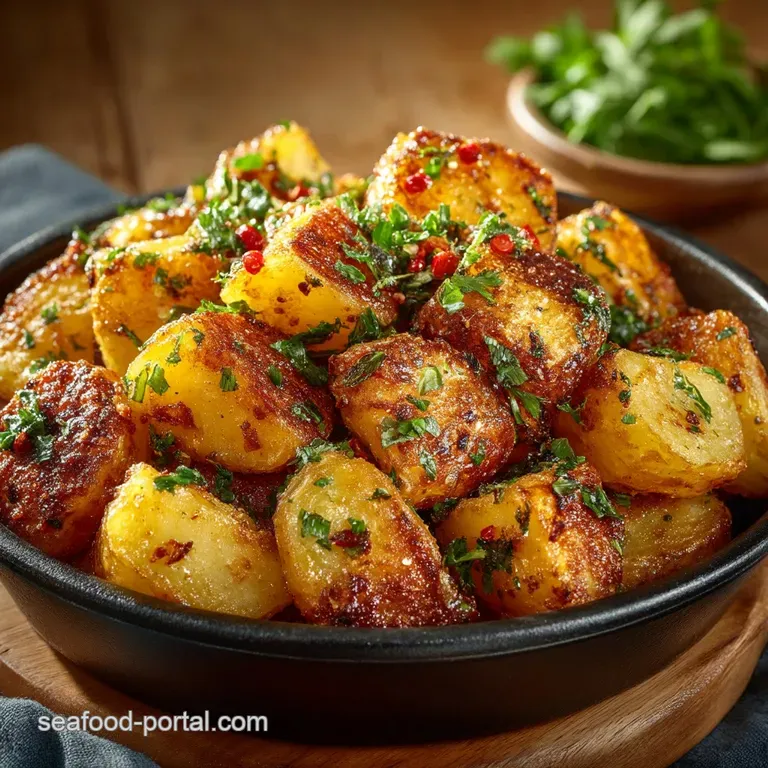
This is where How To Cook pan-fried Potatoes transitions from theory to practice. The process must be sequential: render fat, soften aromatics, sear the potatoes, introduce moisture for internal cooking, and then re-sear for the final crust.
If you're aiming for that extra textural element found in some Southern Fried Potatoes with Flour , lightly toss your dried slices with just one tablespoon of all-purpose flour before they hit the pan; this helps stabilize the exterior crust.
Mastering the Art of the Stovetop Sear
Once your components are prepped and your bacon fat is sizzling pleasantly, the real work begins, maintaining the right temperature balance.
Phase One: Softening the Aromatics Before the Sizzle
Remember, the onions were cooked down first in the rendered fat until soft. After setting those aside with the reserved bacon, you should have ample fat remaining for the potatoes.
If you used only a small amount of bacon, adding a tablespoon of neutral oil or even duck fat at this point will ensure you have enough medium to prevent scorching. Place the dried, seasoned potato slices into the hot fat, ensuring they are in a relatively single layer.
Techniques for Getting That Signature Crisp Edge
Resist the urge to stir immediately. Allow the potatoes to sit, undisturbed, over medium-high heat for a full five to seven minutes. This foundational sear creates the initial, non-negotiable crust.
Once a deep golden color has developed on the bottom layer, then you can begin turning them gently with a wide metal spatula.
The Crucial Resting Period: Preventing Steam and Soggy Interiors
This is the secret trick to getting the inside tender without burning the outside: steam them briefly. After an initial turning session, sprinkle the potatoes lightly with about two tablespoons of water or broth and immediately cover the skillet with a tight-fitting lid for five minutes.
This traps steam, effectively poaching the interior of the potato slices. Remove the lid, and the moisture will evaporate quickly, allowing you to return to the searing process.
Final Seasoning Adjustments for Maximum Impact
After the steaming phase, it may take another fifteen to twenty minutes of slow turning and searing until the potatoes are fork-tender throughout and achieve that deep, mottled brown crust.
Only once they are fully cooked and crispy do you return the reserved bacon and onions to the pan, along with two tablespoons of unsalted butter for a final, rich sheen. Taste now, adjusting the kosher salt and pepper one last time for the final impact.
Elevating Your Fried Potato Game: Pro Tips and Variations
While the base recipe is flawless, sometimes you want to push the boundaries of your Potato Sides . A few simple additions can transform a classic plate.
Creative Add-Ins: Pepper Jack Cheese and Smoked Paprika Twists
For a modern twist, consider sprinkling Pepper Jack cheese over the top during the final two minutes of cooking, letting the residual heat melt it into gooey pockets between the crispy slices.
Alternatively, for a smoky depth that complements the bacon, incorporate a half-teaspoon of smoked paprika along with your initial salt and pepper seasoning.
A Note on Oil Choices: Maximizing Heat Retention
While bacon fat provides unmatched flavor, if you must supplement, opt for fats with high smoke points. Duck fat is a phenomenal second choice, providing a rich mouthfeel similar to bacon grease.
If using vegetable or canola oil, ensure the pan is sufficiently hot before adding the potatoes to maximize the frying effect over the steaming effect.
Troubleshooting: Fixing Under-Browned Batches
If your potatoes are tender but lack the deep golden hue you desire, turn the heat up to medium-high (watch closely!) and spread the potatoes out in a thinner layer. Do not stir for 3–4 minutes at a time, allowing the heat to fully draw out the moisture and promote browning.
If they seem too greasy, drain off a tablespoon of the cooking fat before continuing the sear.
Storing Leftovers: Keeping the Crunch Alive Until Tomorrow
If, by some miracle, you have leftovers of these delectable Southern Fried Potatoes and Onions , know that the enemy of reheating is moisture. To revive the crunch, the best approach is to reheat them in a dry, hot skillet (preferably cast iron) over medium-high heat, spreading them out thinly, without covering them.
This allows the exterior moisture to evaporate, restoring much of the initial crispness. Serve immediately alongside eggs and grits for the ultimate second-day feast.
Recipe FAQs
How can I make sure my Southern Fried Potatoes get crispy and not soggy?
The secret is twofold: vigorous drying and temperature control. After slicing and rinsing, you must dry your potatoes until they feel almost powdery; moisture is the enemy of crispness!
Also, ensure your cast iron skillet is properly preheated with the bacon grease/fat before adding the spuds, allowing them to sear immediately rather than steam.
Can I use a different type of potato instead of Russets for this recipe?
Absolutely! While Russets are great for fluffiness, Yukon Golds are often preferred by many home cooks for Southern Fried Potatoes because they hold their shape slightly better and have a natural buttery flavour. Just be sure to keep your slices uniform, regardless of which potato you choose, for even cooking.
I don't have bacon fat; what's the best substitute for flavour?
If you're skipping the bacon, you'll need a good fat replacement. Duck fat is a truly superb, traditional substitute that adds incredible depth. If that’s a step too far, use a neutral, high-smoke-point oil like canola or vegetable oil, and then stir in a teaspoon of smoked paprika at the end to mimic that lovely smoky note.
How long can I store leftover Southern Fried Potatoes, and how do I reheat them?
Cooked potatoes are best eaten fresh, but they will keep happily in an airtight container in the fridge for about three days, though they might lose some of that fresh crunch. To reheat, skip the microwave, as it just steams them!
Instead, spread them in a single layer on a hot baking sheet in a 400°F (200°C) oven, or toss them back into a hot, dry skillet for a few minutes until they crisp up again.
Is it okay to slice the potatoes ahead of time?
You can slice them up to a day in advance, but you must take care, or they'll turn grey, a bit like when you leave an apple out too long! Once sliced, immediately plunge them into a bowl of cold water.
Crucially, before frying, you must drain them completely and dry them thoroughly, or you’ll ruin the crisping process.
The Golden Standard Proper Southern Fried Potatoes Recipe