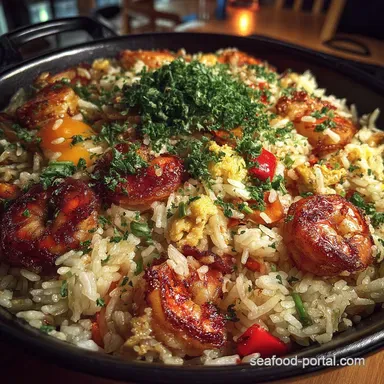
The Ultimate Better Than Takeout Shrimp Fried Rice
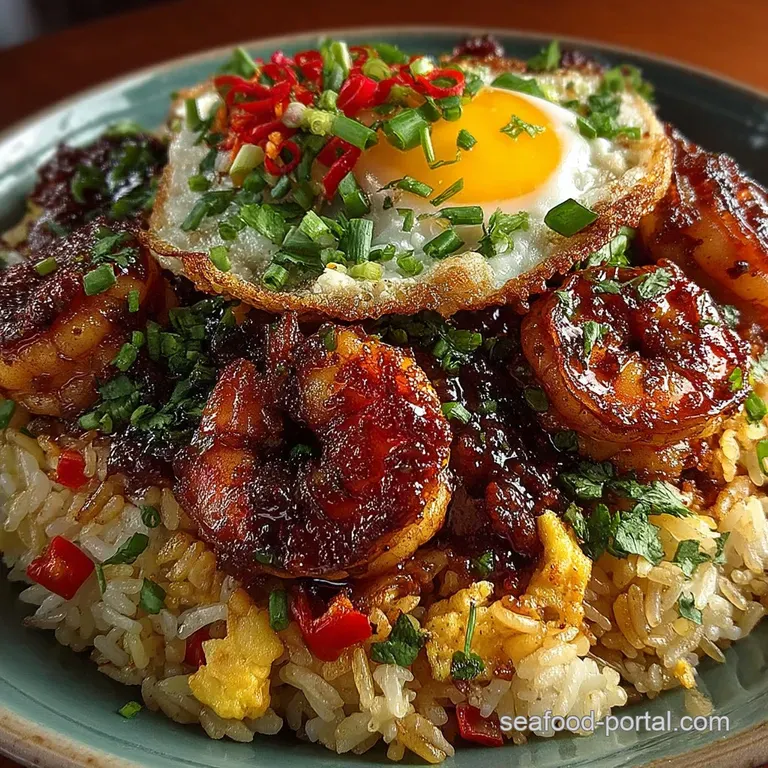
- Bidding Farewell to Lukewarm Takeaway: Our Superior Shrimp Fried Rice Formula
- Unlocking the Secrets to Restaurant-Quality Texture and Flavour
- Sourcing the Essential Components for Stellar Shrimp Fried Rice
- The Step-by-Step Choreography of Flawless Fried Rice Creation
- Mastering the Art of High-Heat Stir-Frying
- Elevating Your Homemade Shrimp Fried Rice Experience
- Troubleshooting Common Fried Rice Pitfalls
- Recipe FAQs
- 📝 Recipe Card
Bidding Farewell to Lukewarm Takeaway: Our Superior Shrimp Fried Rice Formula
We’ve all been there: the late night craving strikes, you order out, and what arrives is a bowl of rice studded with sad, rubbery shrimp and vegetables swimming in oil. It’s a universal disappointment, but I am here today to decisively put an end to that cycle.
Making truly exceptional Shrimp Fried Rice at home is not a mystical process reserved only for expert Cantonese chefs; it’s a technique driven operation that is surprisingly fast.
This Shrimp Fried Rice Recipe is designed to deliver that elusive, smoky perfection the kind that makes you question every dollar you’ve ever spent on takeout.
In less than half an hour, you’ll be enjoying a dish that is vibrant, fresh, and deeply satisfying, establishing itself quickly as the Best Shrimp Fried Rice you’ve ever made.
Unlocking the Secrets to Restaurant Quality Texture and Flavour
The magic of great fried rice doesn't come from a secret ingredient; it comes from respecting the physics of cooking rice at high heat. Achieving that distinctive, slightly charred yet tender texture relies on a few core principles that we will execute flawlessly in this guide.
Why Day-Old Rice Is Non-Negotiable for Perfect Frying
If you take only one piece of advice from this entire article, let it be this: use cold, day-old rice. Freshly cooked rice contains too much surface moisture. When you throw it into a hot pan, that moisture turns to steam, inevitably leading to a sticky, clumpy result the exact opposite of what we’re aiming for.
Refrigerated, day-old rice grains have firmed up and dried out slightly, allowing them to separate beautifully and develop a lovely crisp exterior when introduced to high heat. For this dish, aim for about four cups of cooked white rice, chilled overnight.
Achieving Smoky 'Wok Hei' Without a Dedicated Wok
The signature smoky aroma imparted by professional woks is called wok hei (the breath of the wok). While a true carbon steel wok over a powerful gas flame is ideal, you can mimic this effect at home.
The key is using the hottest heat setting possible on your stove and ensuring your pan is large enough a heavy bottomed skillet or cast iron pan works wonderfully to allow the ingredients room to sear rather than steam.
Work quickly and keep the ingredients moving, allowing them contact with the scorching hot surface.
The Umami Core: What Makes This Recipe Shine
While the Shrimp Fried Rice Ingredients list is simple, the flavour profile hinges on the sauce. We are building a robust umami base using a blend of traditional Asian pantry staples.
The secret weapon here is oyster sauce; it provides a complex, savoury depth that just soy sauce alone cannot achieve. Combined with the subtle heat from white pepper, this creates the authentic flavour profile you associate with quality Chinese Shrimp Fried Rice .
Sourcing the Essential Components for Stellar Shrimp Fried Rice
Great results start with quality components. Because this dish cooks so rapidly, everything must be ready to go before you even turn on the burner this is known as mise en place .
Selecting the Plumpest Prawns for Maximum Juiciness
For this recipe, we call for one pound of large shrimp. The most important preparation step here is ensuring they are peeled, deveined, and, critically, patted completely dry. Moisture inhibits searing, and we want our shrimp to be beautifully pink and caramelized, not steamed.
Patting them dry is a non-negotiable step for achieving juicy, perfectly cooked shellfish that complements the rice without making it soggy.
Must Have Aromatics: Garlic, Ginger, and Spring Onion Breakdown
Our aromatic foundation is built upon three pillars: garlic, fresh ginger, and white onion. These are sautéed briefly at the beginning to perfume the oil. Use about three cloves of minced garlic and a teaspoon of minced ginger. We use white or yellow onion for a sharper flavour punch than sweet Vidalia.
The green parts of the scallions are reserved for the very end as a fresh, colourful garnish.
Optimal Oil Choices for High Heat Stir Frying
Since we are cooking at high temperatures, you need a neutral, high smoke point oil. Canola, vegetable, or refined peanut oil are perfect choices. Olive oil has too low a smoke point for this intense heat.
We'll use a small amount of sesame oil at the very end, as its low smoke point means it should only be used for flavouring, not for frying.
A Precise Guide to the Finishing Sauce Blend
This is the flavour payload of our Easy Shrimp Fried Rice . In a small bowl, whisk together two tablespoons of low-sodium Shrimp Fried Rice Soy Sauce , one tablespoon of oyster sauce, a teaspoon of dark soy sauce (optional, primarily for colour), and a quarter teaspoon of white pepper.
Having this premixed ensures you can pour it in all at once, coating the rice evenly without any section getting overly saturated.
Related Recipes Worth Trying
- Wok Masters Quick Shrimp Fried Rice Recipe Better Than Takeout — Stop queuing for the takeaway This easy Shrimp Fried Rice recipe delivers restaurantquality flavour using dayold rice and essential techniques Get cooking
- Best Homemade Shrimp Alfredo Recipe Creamy Foolproof — Tired of split sauce This Easy Shrimp Alfredo Recipe guarantees a restaurantquality velvety Shrimp Alfredo Sauce every time Just 45 minutes for pure comfort...
- The Best Shrimp Alfredo Recipe Creamy Foolproof — Tired of splitting sauces This foolproof Shrimp Alfredo Recipe delivers rich velvety Homemade Shrimp Alfredo Sauce every time Ready in 35 minutes
The step-by-step Choreography of Flawless Fried Rice Creation
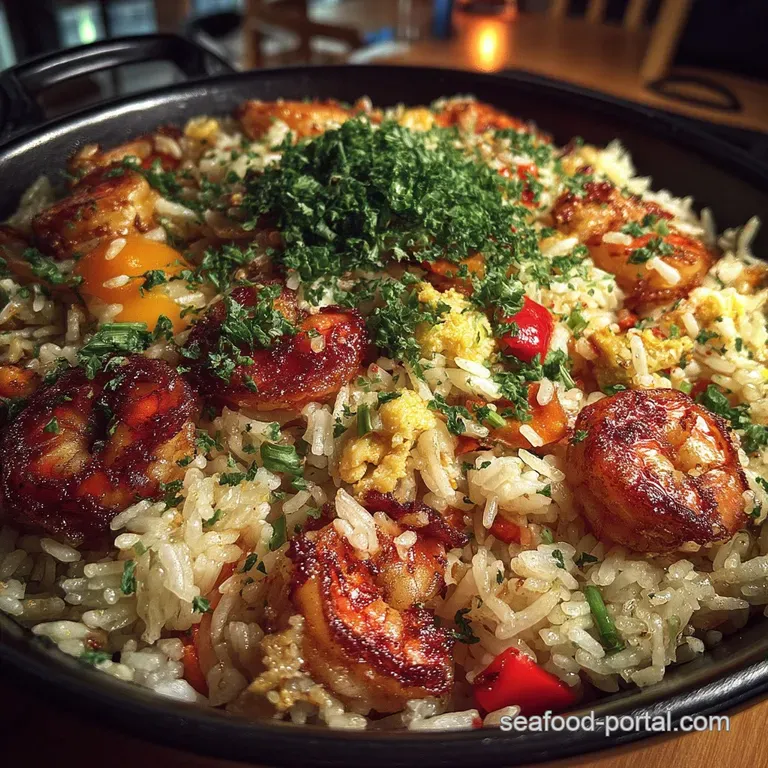
The total cooking time for this entire meal is under 15 minutes once you start applying heat, which means preparation is key.
- Prep the Flavour Bases: First, ensure your Shrimp Fried Rice Ingredients are measured out. Whisk your sauce blend together in a small vessel and set it near the stove.
- Cook the Eggs: Heat one tablespoon of your neutral oil in the wok over medium high heat. Pour in three lightly beaten eggs and quickly scramble them until they are just set but still look slightly moist. Immediately remove these fluffy ribbons from the pan and set them aside.
- Sear the Shrimp: Add another tablespoon of oil to the hot wok. Add your dried shrimp and cook them fast about 90 seconds until they turn pink. Remove them immediately and join the cooked eggs.
- Sauté Aromatics: Add the final tablespoon of fresh oil. Toss in the minced garlic, ginger, and diced onion. Stir constantly for about 30 seconds until they become intensely fragrant. Be vigilant to prevent the garlic from burning!
- Add Vegetables & Rice: Toss in one cup of frozen peas and carrots (no need to thaw them). Stir fry for a minute. Now, add your four cups of cold rice. Use a sturdy spatula to break up any clumps and toss vigorously over high heat for 3– 4 minutes, ensuring every grain gets heated through and lightly toasted.
Mastering the Art of High Heat Stir Frying
This is where we bring everything together, maintaining that crucial high heat to develop texture.
Prepping Your Ingredients: Mise en Place for Speed
As mentioned, having everything chopped, measured, and positioned near your stove is vital. When the wok is ripping hot, you cannot stop to mince garlic or measure soy sauce; the ingredients waiting in the pan will burn instantly. This entire process demands focus and speed.
The Technique for Scrambling Eggs into Fluffy Ribbons
When cooking the eggs, the pan should be hot, but not scorching. Pour the eggs in and let them set for just a few seconds before gently pushing them around. The goal is soft, barely cooked curds, not firm, browned omelets.
Removing them quickly preserves their delicate texture, which reappears perfectly when folded back into the finished Shrimp Fried Rice .
Building Layers: Integrating Shrimp and Vegetables Correctly
We cook the shrimp separately because they cook the fastest, and we want to ensure they don't overcook while waiting for the rice to toast. The frozen vegetables are added next; their low temperature briefly cools the pan, which is actually helpful as it allows the aromatics to soften slightly without burning while the vegetables defrost slightly in the residual heat.
The Final Toss: Introducing the Rice and Sauce Emulsification
After toasting the rice, push it to one side of the pan. Pour your pre-mixed sauce into the empty space. Allow the sauce to sizzle and slightly reduce for about 10 seconds. This brief caramelization deepens the flavour before you toss it aggressively through the rice, coating every grain without soaking it.
Finally, return the shrimp and eggs, add a teaspoon of sesame oil, and stir through the sliced scallions for one final minute.
Elevating Your Homemade Shrimp Fried Rice Experience
While the base recipe is fantastic, experimentation is where the true joy of cooking lies. You can easily adapt this foundation to create new experiences. For instance, introducing thinly sliced red bell pepper or finely shredded cabbage along with the peas and carrots adds a fantastic fresh crunch.
A splash of rice vinegar right at the end can introduce a lovely, subtle tang that brightens the heavy, savoury Shrimp Fried Rice Soy Sauce notes.
Troubleshooting Common Fried Rice Pitfalls
Even with careful attention, minor hiccups can occur. If your rice still seems a bit too wet, don't panic. Keep it on the highest heat, spread it thinly across the surface of the pan, and let it sit undisturbed for 30 60 seconds at a time to encourage evaporation and searing.
If your shrimp came out chewy, it was likely overcooked; next time, pull them out earlier and return them only during the final minute of reheating.
Creative Swaps and Next Level Ingredient Variations
For a different flavour profile, try swapping half the soy sauce for fish sauce for an intensely savoury, almost Thai inspired taste. If you can find it, a small drizzle of Shaoxing rice wine added when you pour in the sauce mixture provides complex background notes.
Many enthusiasts swear by adding a teaspoon of MSG for that unparalleled restaurant flavour boost, though it’s entirely optional.
Storage Guidelines for Leftover Perfection
Any leftover Shrimp Fried Rice should be cooled rapidly before storing. Place leftovers in shallow, airtight containers and refrigerate for up to three days.
To reheat, use a non-stick skillet over medium heat, adding just a teaspoon of oil or a tablespoon of water, covering the pan briefly to trap steam, then uncover and toss until heated through.
Nutritional Insights for the Health Conscious Cook
While this is comfort food, it’s surprisingly balanced. Our estimated Shrimp Fried Rice Calories hover around 450-490 per serving, largely due to the rice, but the high protein content from the shrimp keeps you satisfied longer.
To reduce the fat content slightly, use only two tablespoons of oil total and rely more on non-stick spray for the initial egg scramble.
Ensuring Every Grain is Separate: Moisture Control Tips
Remember the primary rule: cold, dry rice. Beyond that, avoid overcrowding your pan. If you are doubling this recipe for a crowd, cook it in two separate batches. Overfilling the pan causes steam to build up faster than the heat can dissipate it, leading to that undesirable gummy texture.
Quick cooking over intense heat is the ultimate technique for achieving separation.
Recipe FAQs
Why does my Shrimp Fried Rice always turn out mushy instead of fluffy?
That's the classic pitfall! The number one rule for fluffy fried rice is using cold, day-old rice; fresh rice has too much moisture and will steam rather than fry. Also, ensure your pan is screaming hot when you add the rice so it sears quickly rather than sitting and steaming.
Can I use fresh shrimp instead of frozen for this Shrimp Fried Rice recipe, and how should I prepare them?
Absolutely, fresh shrimp are brilliant if you have them! The key preparation step, regardless of whether they are fresh or frozen, is to pat them completely dry with paper towels before they hit the heat. Excess moisture causes steaming, preventing that lovely sear we want.
What's the secret to getting that authentic smoky flavour, even if I don't have a massive wok?
That smoky flavour is called 'wok hei,' and while a huge wok helps, the principle is high heat and quick cooking. Use the largest, heaviest skillet you own (cast iron is superb) and don't overcrowd the pan; cook in batches if necessary to maintain that intense heat.
I’m allergic to shellfish what's a good protein substitute for the shrimp in this recipe?
No worries, we can easily swap that out! Diced, pre-cooked chicken breast works wonderfully, or for a vegetarian twist, use firm tofu that you’ve pressed well and pan-fried separately until crispy. Just ensure your substitute protein is cooked before you toss it back in at the end.
How long will leftover Shrimp Fried Rice keep in the fridge, and is it safe to reheat?
Leftovers are fantastic for a quick lunch the next day; they will keep safely in an airtight container in the fridge for up to three days. When reheating, add a tiny splash of water or soy sauce and warm it gently in a skillet over medium heat, tossing constantly, rather than microwaving, which can dry it out.
Best Shrimp Fried Rice