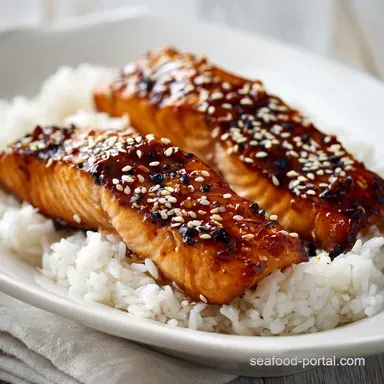
Salmon Rice Bowl: Crispy and Glazed
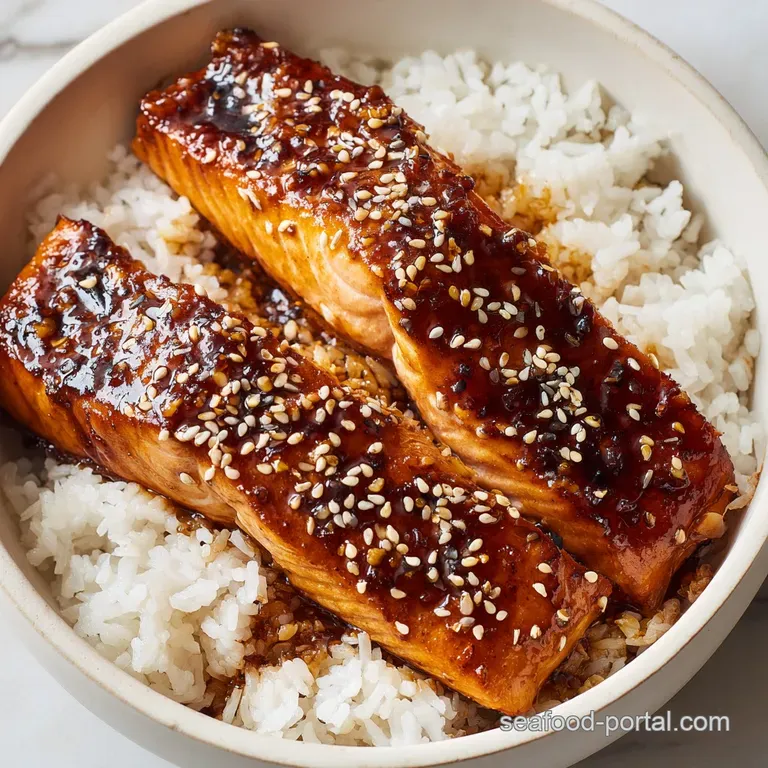
- Time: 10 min active + 10 min cook = Total 20 minutes
- Flavor/Texture Hook: Shatter crisp skin with a sticky, vibrant glaze
- Perfect for: A high energy weeknight dinner or a healthy meal prep win
- The Boldest Salmon Rice Bowl Recipe
- Quick Win Recipe Specs
- The Secret to Sizzle
- Cook Method Comparison
- Component Analysis
- Vibrant Components List
- The Essential Gear
- The Step-by-Step Process
- Fixing Common Glitches
- Bold Flavor Twists
- Adjusting the Volume
- Busting Bowl Myths
- Freshness and Zero Waste
- The Best Pairings
- Recipe FAQs
- 📝 Recipe Card
The Boldest Salmon Rice Bowl Recipe
That sudden, aggressive sizzle when the skin hits the hot oil is the best sound in the kitchen. I remember the first time I tried to make a "healthy" bowl like this. I was so worried about the calories that I steamed the fish. It was bland, gray, and honestly, a total waste of a good fillet.
I almost gave up on the whole concept until I realized that the secret isn't in the "health" part, but in the contrast.
We've all been there, right? You see those vibrant, street style bowls on Instagram and think they're a breeze, but then your rice turns into a sticky clump or your salmon ends up as dry as a cardboard box. I spent a few weekends messing around with pan temperatures and glaze timings until I found the sweet spot.
Now, this is my go to when I want something that feels like a treat but doesn't leave me feeling sluggish.
The payoff here is the clash of temperatures and textures. You've got the steaming jasmine rice, the cold snap of cucumber, and that salmon that's velvety on the inside but has a skin that actually shatters when you bite into it. It's a punchy, bold way to eat fish that doesn't feel like a "diet" meal. Let's crack on.
Quick Win Recipe Specs
When you're staring at a clock after a long day, you don't want a recipe that pretends to be fast but actually takes an hour. This one is the real deal. We're talking 20 minutes from the moment you pull the salmon out of the fridge to the moment you're diving in.
It's a high impact meal with very little friction.
The beauty of this bowl is that it's modular. While the rice is doing its thing in the cooker, you can just chop and toss. There's no complex prep or fancy equipment required. Just a skillet and a bowl. It's the ultimate expression of "maximum flavor, minimum effort" that fits perfectly into a busy schedule.
To make sure this stays a quick win, I always suggest prepping the veggies first. There's nothing worse than having a perfectly seared piece of salmon sitting there getting cold while you're frantically slicing an avocado. Get the "cold" stuff done, and then focus entirely on the heat of the pan.
The Secret to Sizzle
The reason this recipe actually works comes down to a few simple physics tricks. It's not about being a pro; it's about knowing which levers to pull to get that street food quality at home.
Sugar Char: Honey in the glaze caramelizes quickly, creating that sticky, mahogany coating that clings to the fish.
Skin Tension: Pressing the fillets down for those first 10 seconds stops the fish from curling, ensuring every millimeter of skin hits the oil.
Starch Wash: Rinsing the jasmine rice removes the excess surface starch, which is the difference between a fluffy grain and a gummy mess.
Temperature Contrast: The cold cucumber and avocado cut through the richness of the fatty salmon and the spicy mayo, keeping the palate refreshed.
Cook Method Comparison
Depending on how much you want to baby your salmon, you might choose different paths. I personally swear by the skillet, but some days the oven is just easier.
| Method | Time | Texture | Best For |
|---|---|---|---|
| Stovetop | 10 min | Shatter crisp skin | Maximum flavor and crunch |
| Oven | 15 min | Evenly tender | Cooking multiple fillets at once |
| Air Fryer | 12 min | Firm and charred | Minimal cleanup |
The stovetop method is the one I've detailed here because it gives you that bold, charred exterior that you just can't replicate in an oven. If you're feeling lazy, the oven works, but you'll miss out on that specific "restaurant" crust.
Component Analysis
Not every ingredient is just there for filler. Each one plays a specific role in building the flavor profile of the bowl.
| Ingredient | Science Role | Pro Secret |
|---|---|---|
| Honey | Glaze Thickener | Adds a glossy finish and balances the salty soy |
| Jasmine Rice | Absorbent Base | Use a 1:1.5 ratio for the fluffiest texture |
| Sriracha | Acid/Heat | The vinegar in the sauce cuts the richness of the mayo |
| Salmon Skin | Flavor Vessel | Don't discard it; it's where the deepest savory notes live |
Vibrant Components List
I've kept the list lean and punchy. Trust me on this: don't bother with low-fat mayo here. You need the fat to carry the heat of the sriracha.
For the Teriyaki Salmon
- 1.25 lb salmon fillets, skin onWhy this? Skin on is non negotiable for the crunch
- 3 tbsp soy sauce (or tamari for gluten-free)
- 1 tbsp honeyWhy this? Creates the sticky, glossy glaze
- 1 tsp freshly grated ginger
- 1 clove garlic, minced
- 1 tbsp neutral oil (like avocado or grapeseed)
For the Rice Base
- 1.5 cups jasmine riceWhy this? Naturally fragrant and fluffy
- 2.25 cups water
- ½ tsp salt
For the Fresh Toppings
- 1 cup cucumber, thinly sliced
- 1 large avocado, slicedWhy this? Adds a velvety contrast
- ½ cup shelled edamame
- ½ cup shredded carrots
- 2 scallions, thinly sliced
For the Spicy Mayo Drizzle
- ¼ cup mayonnaise
- 1 tbsp sriracha
- 1 tsp lime juiceWhy this? Brightens the heavy mayo
The Essential Gear
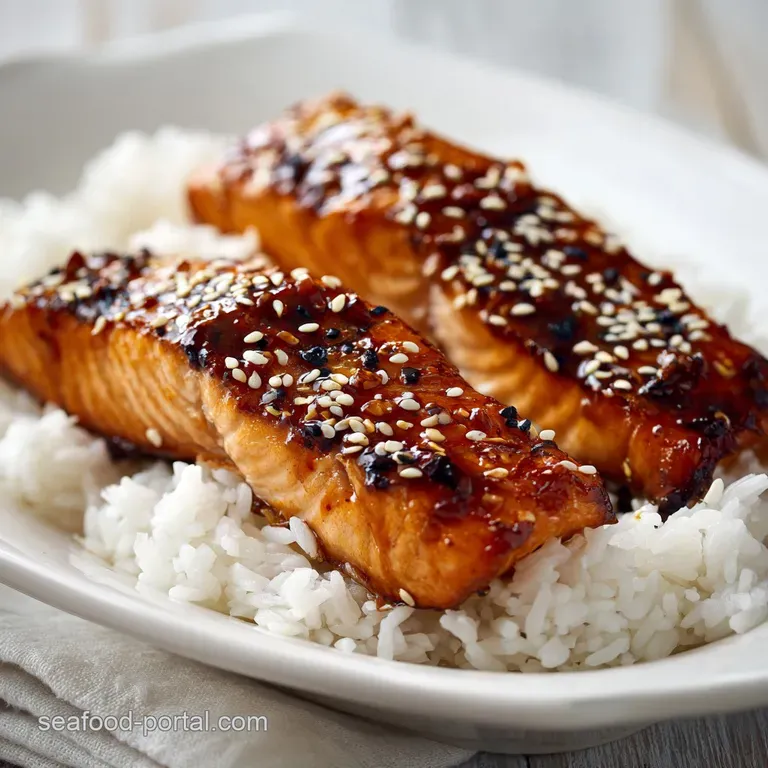
You don't need a professional kitchen to pull this off, but a couple of tools make the process way smoother. If you're using a non stick pan, that's fine, but a stainless steel or cast iron skillet (like a Lodge) is what really gets that skin to shatter.
For the rice, a standard rice cooker is the easiest path, but a medium saucepan with a tight fitting lid works just as well. Just make sure the lid actually seals, or your water will evaporate too fast and you'll end up with crunchy rice.
Finally, grab some paper towels. I can't stress this enough: wet salmon is the enemy of a good sear. You want that skin bone dry before it even thinks about touching the oil.
The step-by-step Process
Right then, let's get into the actual cooking. Follow these steps, and you'll avoid the "gray fish" tragedy.
Phase 1: The Fluffy Base
- Rinse the jasmine rice in a fine mesh strainer until the water runs clear. Note: This stops the rice from getting gummy
- Combine rice, water, and salt in a rice cooker or medium saucepan. Bring to a boil, then reduce to a low simmer, covered, for 15 minutes.
- Remove from heat and let sit undisturbed for 5 minutes before fluffing with a fork. Note: The resting period lets the steam redistribute
Phase 2: The Salmon Sear
- Whisk together soy sauce, honey, ginger, and garlic in a bowl to create the teriyaki glaze.
- Pat salmon fillets completely dry with paper towels. Brush half of the glaze over the flesh.
- Heat neutral oil in a skillet over medium high heat until it shimmers.
- Place salmon skin side down, pressing gently for 10 seconds. Sear for 4-5 minutes until the skin is mahogany colored and crisp.
- Flip the fillets and pour the remaining glaze into the pan. Cook for another 2-3 minutes until the glaze bubbles into a thick syrup and the internal temperature reaches 130°F (54°C).
Phase 3: The Bowl Assembly
- Divide the steamed rice evenly among four bowls.
- Arrange the sliced cucumber, avocado, edamame, and carrots in distinct sections atop the rice.
- Place one glazed salmon fillet in the center of each bowl.
- Whisk together the mayonnaise, sriracha, and lime juice, then drizzle in a zigzag motion across the bowls.
- Garnish with sliced scallions.
Chef's Tip: For an even bolder flavor, add a pinch of smoked paprika to the salmon before searing. It gives a hint of "grilled" flavor even if you're using a stovetop. Also, try freezing your butter for 10 minutes before using it to baste the fish if you want a more velvety finish.
Fixing Common Glitches
Even the best of us mess up sometimes. Maybe your sauce burned or your fish is sticking. Don't panic, it's usually a quick fix.
Why Your Salmon Sticking to the Pan
This usually happens because the pan wasn't hot enough or the fish was too cold. If you put cold salmon into a lukewarm pan, the proteins bond to the metal instead of searing. Let the oil shimmer first.
Sauce Burning Too Fast
Honey is basically liquid sugar, and sugar burns if it's exposed to high heat for too long. If your glaze is turning black before the fish is done, turn the heat down to medium and add a tiny splash of water to loosen it up.
Mushy Rice Texture
Too much water is the usual culprit here. If your rice feels like porridge, you might have over rinsed or used a lid that let too much steam escape, causing you to add more water than needed.
| Problem | Root Cause | Solution |
|---|---|---|
| Rubbery Salmon | Overcooked (above 140°F) | Pull fish at 130°F; let carryover heat finish it |
| Soggy Skin | Added glaze too early | Sear skin completely before adding any liquids |
| Bland Toppings | Lack of seasoning | Toss cucumbers in a pinch of salt and rice vinegar |
Common Mistakes Checklist
- ✓ Pat salmon completely dry with paper towels before searing
- ✓ Use a high smoke point oil to prevent acrid flavors
- ✓ Press the fish down for 10 seconds to ensure skin contact
- ✓ Let the rice rest for 5 minutes before fluffing
- ✓ Pull salmon at 130°F (54°C) to keep the center velvety
Bold Flavor Twists
Once you've got the base down, you can start playing with the ingredients. This is where the "bowl recipe" format really shines, you can swap almost anything.
If you want a more "Japanese" vibe, swap the honey for mirin and add a sprinkle of furikake over the rice. For a tropical twist, try using coconut rice instead of plain jasmine. It adds a creamy, nutty depth that pairs brilliantly with the salty soy glaze.
If you're not in the mood for a glaze, you can go the creamier route. I've found that a Crispy Skin Salmon Fillet works perfectly when paired with a cold, citrusy slaw.
Diet Swaps
- Low Carb: Replace the jasmine rice with cauliflower rice or a bed of massaged kale. Note: This will make the bowl less filling, so add extra avocado.
- Vegan Alternative: Swap the salmon for thick slabs of pan seared tofu and use coconut aminos instead of soy sauce.
Adjusting the Volume
Scaling a bowl recipe is generally easy, but there are a few traps you can fall into, especially with the rice and the glaze.
Scaling Down (2 Bowls) If you're just cooking for two, halve everything. However, don't halve the oil in the pan, you still need enough to cover the bottom to get that sear. For the rice, use a smaller pot so the water doesn't evaporate too quickly.
Scaling Up (8 Bowls) When doubling the recipe, don't double the garlic and ginger linearly. Use about 1.5x the amount, or the aromatics can become overpowering. Most importantly, work in batches.
If you crowd the pan with 8 fillets, the temperature will drop, the fish will steam instead of sear, and you'll lose that shatter crisp skin.
For the glaze, you can make a larger batch and keep it in the fridge for up to a week. Just remember to whisk it well before adding it to the pan.
Busting Bowl Myths
There are a few things people tell you about salmon bowls that are just plain wrong. Let's set the record straight.
Searing seals in the juices. This is a classic kitchen myth. Searing creates a crust (the Maillard reaction) that adds a massive amount of flavor, but it doesn't actually "seal" anything. Moisture loss happens regardless of how you sear. The key to juicy fish is internal temperature, not the crust.
Brown rice is always better for bowls. While brown rice has more fiber, the texture can be gritty in a bowl with soft avocado and velvety fish. Jasmine rice provides a cleaner, lighter base that lets the bold flavors of the teriyaki glaze stand out.
Freshness and Zero Waste
To keep these bowls tasting fresh, you have to be smart about how you store them. The salmon is the most sensitive part.
Storage Guidelines Store the cooked salmon and rice in separate airtight containers in the fridge for up to 3 days. I highly recommend storing the fresh toppings (cucumber, avocado) separately. If you mix them in, the rice will absorb the moisture from the vegetables and become mushy.
Reheating Tips Avoid the microwave for the salmon if you can. It'll turn the fish rubbery and kill the skin's crunch. Instead, pop the salmon back in a hot skillet for 2 minutes. For the rice, add a teaspoon of water and microwave it covered to steam it back to life.
Zero Waste Hacks Don't throw away your carrot peels or the ends of the scallions. Toss them into a freezer bag and use them the next time you make a vegetable stock. If you have leftover avocado, squeeze a bit of lime juice over it and store it with the pit inside to slow down the browning.
The Best Pairings
While the bowl is a complete meal, sometimes you want a little something extra on the side to round things out.
If you find the teriyaki flavor too heavy, a side of steamed bok choy with a splash of sesame oil provides a bitter, fresh contrast. For those who love a bit more decadence, a side of miso soup is the traditional way to start this kind of meal.
If you're planning a bigger spread, you could serve these bowls alongside a 5Minute Creamy Dill Sauce as a dipping option for the cucumber slices. The herbiness of the dill cuts through the sweetness of the honey glaze in a way that's surprisingly vibrant.
The real goal of this salmon rice bowl recipe is balance. You have the heat from the sriracha, the salt from the soy, the sweetness from the honey, and the freshness from the veggies. Once you nail that balance, you can basically put whatever you have in the fridge into the bowl and it'll still taste like a win.
Recipe FAQs
What to put on a salmon rice bowl?
Fresh, crunchy vegetables. Top your bowl with sliced cucumber, avocado, edamame, and shredded carrots for a balance of textures. If you enjoyed pairing these fresh ingredients here, see how they work in our salmon avocado sushi roll.
What are some common mistakes making salmon bowls?
Overcooking the fish or leaving the skin damp. Wet fillets won't sear properly, and cooking past 130°F (54°C) makes the salmon dry and tough.
What sauce is good for a salmon bowl?
A sweet-savory glaze paired with creamy heat. Use a combination of soy sauce, honey, ginger, and garlic for the fish, then drizzle sriracha-mayo over the top.
How to cook salmon for a diabetic?
Reduce or omit the honey in the glaze. Increase the amount of freshly grated ginger or add extra lime juice to maintain a bold flavor without the sugar spike.
How do I prevent the salmon and rice from drying out when reheated?
Add a splash of water to the rice before microwaving. Cover the bowl with a damp paper towel to trap steam and keep the jasmine rice fluffy.
How to make homemade spicy mayo for salmon bowls?
Whisk together mayonnaise, sriracha, and lime juice. Stir until the mixture is smooth and drizzle it in a zigzag motion across the finished bowl.
Is it true that salmon must be cooked until it is completely opaque?
No, this is a common misconception. Cooking salmon to an internal temperature of 130°F (54°C) ensures it stays velvety; cooking it until fully opaque often results in a dry texture.
Salmon Rice Bowl Recipe in 30 Minutes: Pan-Seared and Crispy