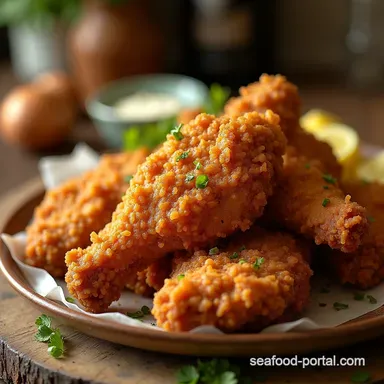
The Ultimate Crispy Buttermilk Southern Fried Chicken
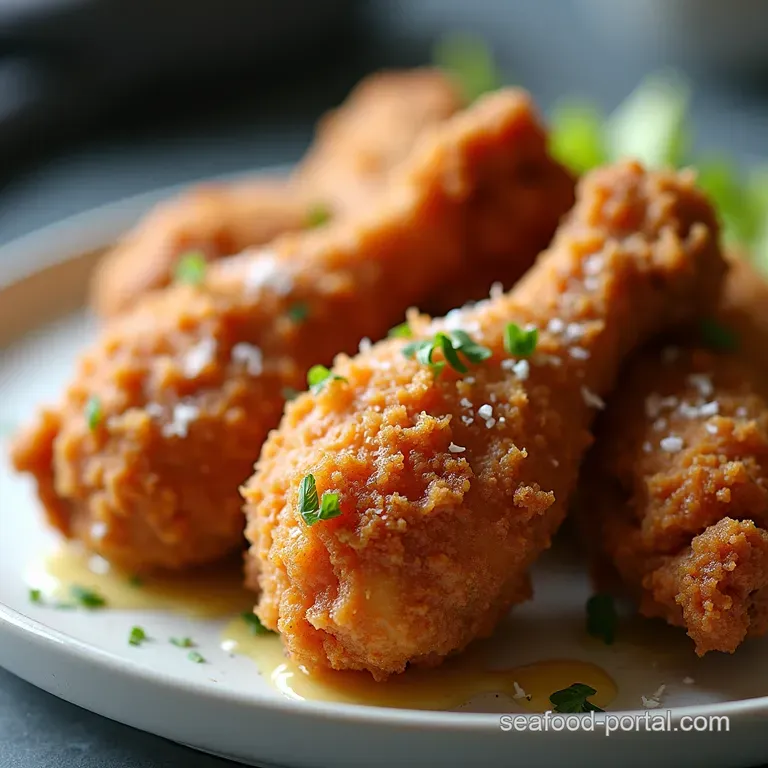
- Unlocking the Secrets to Authentic, Craggy Southern Fried Chicken
- Why This Buttermilk Soak Makes All the Difference
- Assembling Your Foundation: Essential Components for Excellence
- The Patient Path: From Marinade to Golden Perfection
- Executing the Double-Dip for Maximum Crunch
- Troubleshooting Common Frying Pitfalls
- Elevating Your Classic Southern Fried Chicken Meal
- Recipe FAQs
- 📝 Recipe Card
Unlocking the Secrets to Authentic, Craggy Southern Fried Chicken
There are few dishes that carry the weight of culinary nostalgia quite like true Southern Fried Chicken . It’s more than just poultry cooked in oil; it’s a method, a tradition, and a guarantee of comfort.
Many home cooks shy away from attempting this masterpiece, fearing a soggy exterior or, worse, undercooked meat, leading them to believe that achieving that perfect, craggy crust is reserved only for professional kitchens or specialized deep fryers. I’m here to tell you that assumption is entirely unfounded.
With precise temperature control and a little patience during the marination phase, this recipe transforms into your Easy Fried Chicken Recipe —delivering the Best Southern Fried Chicken experience right in your own kitchen.
We are aiming for the kind of crust that shatters satisfyingly upon impact, revealing Juicy Fried Chicken within.
Why This Buttermilk Soak Makes All the Difference
The foundation of any truly Authentic Southern Fried Chicken lies not in the flour, but in the liquid bath preceding it. The long soak in buttermilk is arguably the most vital step toward achieving a Crispy Fried Chicken Recipe that stands up to scrutiny.
Buttermilk, with its natural acidity, works wonders on tough muscle fibers. It tenderizes the meat gently over several hours, ensuring that when it hits the heat, the texture is incomparably soft.
On top of that,, the thick viscosity of the buttermilk clings beautifully to the meat, providing the perfect sticky base for the seasoned flour to adhere to later, setting the stage for those signature craggy edges.
A Culinary Promise: Crispy Exterior, Succulent Interior
Our goal here is duality: a crust that sings with salt, pepper, and spice, giving way to moist, flavourful meat. The balance is struck through time and temperature management. While the buttermilk tenderizes and seasons from the inside out, the specific inclusion of cornstarch and baking powder in the dredge (which we will detail shortly) reacts in the hot oil to create those distinctive, highly textured peaks and valleys that trap heat and maximize crispness.
This careful layering ensures that every bite offers that desired contrast between shatteringly Crispy Fried Chicken and tender meat.
Demystifying the Perfect 'Palaver Free' Home Fry
The biggest hurdle for the home cook is managing the oil. Overcrowding the pot drops the temperature too low, resulting in greasy chicken; oil that’s too hot burns the coating before the interior reaches safe temperatures.
The key to this Southern Fried Chicken Recipe is using a heavy bottomed pot, like cast iron, which retains heat stability, and an instant read thermometer. By maintaining a steady temperature between 300° F and 325° F, we ensure the moisture evaporates quickly from the coating, leaving behind a crisp shell while allowing the slower, internal cooking process to complete safely, yielding the Perfect Fried Chicken .
The Heritage Behind the Golden Crust
This method honours the traditions passed down through generations of Southern cooks. Before rapid refrigeration and modern temperature gauges, achieving Homemade Fried Chicken required an intuitive understanding of fat and heat.
Our adaptation uses modern tools to replicate that slow, consistent cooking process that allowed the coating to deepen in flavour and colour without scorching. The rich, savoury notes come from a generous application of simple, earthy spices that complement the buttermilk tang perfectly, ensuring a truly memorable meal.
Assembling Your Foundation: Essential Components for Excellence
To move beyond basic fried chicken and into the realm of truly great Southern Fried Chicken , one must treat the preparation like a carefully orchestrated event.
This starts with selecting the right components and ensuring every seasoning is mixed to absolute uniformity before the chicken ever sees the marinade. We start prepping the main attraction first: the poultry itself.
Choosing and Prepping Your Poultry Pieces
For the ultimate Southern Fried Chicken Wings Recipe variation or a standard mixed plate, bone-in, skin-on pieces are non-negotiable. The bone acts as a natural insulator, helping to prevent the meat closest to it from overcooking while the outside achieves that glorious golden hue.
If you are using breasts, slice them in half horizontally; this maximizes surface area contact with the dredge and significantly reduces the cooking time needed to reach the safe internal temperature of 165° F.
The Secret Soak: Buttermilk and Spice Ratios
Our marinade focuses on simplicity with impact. You’ll need about three cups of full fat buttermilk, which provides superior texture to low-fat alternatives. Crucially, mix in one tablespoon of Kosher salt and one tablespoon of your favourite flavourful hot sauce.
The salt begins the brining process right away, while the acidity kick starts the tenderizing action. The meat must be completely submerged and allowed to chill for at least four hours, though 12 to 24 hours yields the most tender result, making this an ideal dish for weekend prep.
The Oil Selection: Heat Stability and Flavour Profile
When selecting the medium for deep frying, stability is paramount. You need an oil with a high smoke point that won't impart an off-flavour once heated for an extended period. Peanut oil is the traditional favourite due to its clean taste and high smoke point, but canola or vegetable oil serve excellently as cost effective alternatives.
You need enough oil aim for at least a half inch depth in your pot to ensure the chicken pieces are mostly submerged, promoting even cooking.
Beyond Salt and Pepper: Uncommon Seasoning Additions
While salt and black pepper are the backbone of the dredge, we enhance it significantly. The secret to that deep, comforting flavour profile relies on a balanced mixture of garlic powder, onion powder, and paprika. The paprika not only adds colour but depth.
For those who crave a little background heat in their Southern Fried Chicken , a half teaspoon of cayenne pepper integrated into the dry mixture provides a gentle warmth that blossoms beautifully against the richness of the fat.
Related Recipes Worth Trying
- The Ultimate Fried Ice Cream Recipe Warm Crispy Shell — Learn how to make perfect Mexican Fried Ice Cream at home This recipe delivers a shatteringly crisp warm coating over a frozen centre So simple when you...
- The Ultimate Fried Ice Cream Recipe Rock Solid Centre — Stop soggy centres This easy Fried Ice Cream Recipe delivers a perfectly crisp warm coating every time inspired by traditional Mexican Fried Ice Cream Dessert
- Best Poached Chicken Recipe Moist Tender Results — Discover the foolproof technique for moist poached chicken breasts This low fat chicken recipe yields tender meat perfect for chicken salad Get cooking
The Patient Path: From Marinade to Golden Perfection
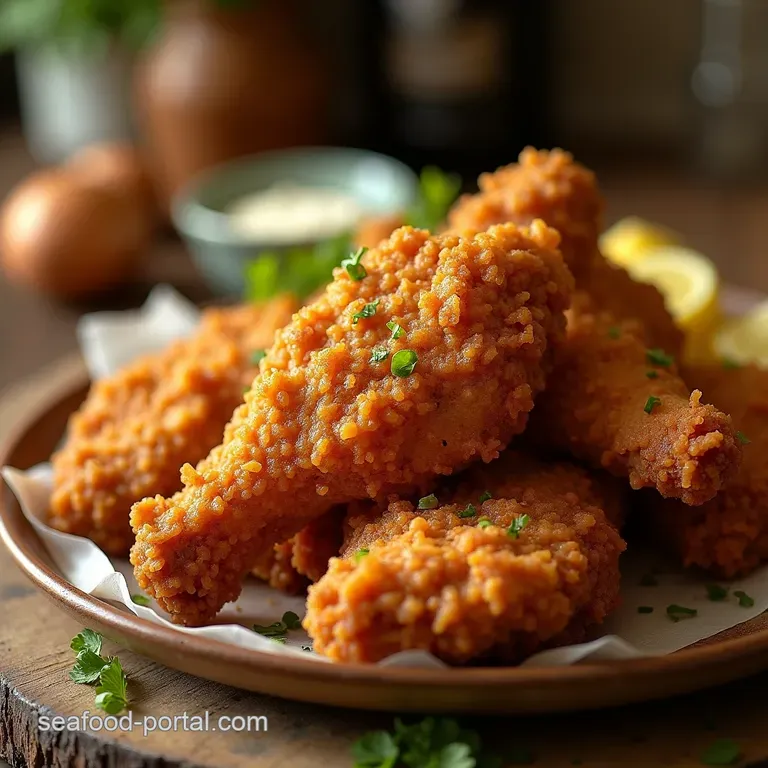
Once the chicken has soaked and absorbed that tangy goodness, the next steps require focus and timing. This phase is about creating a robust, layered crust that will survive the intense heat of the oil bath.
Executing the Double Dip for Maximum Crunch
The initial coating gets the chicken seasoned and covered, but the pursuit of the ultimate crunch the hallmark of Perfect Fried Chicken —demands a second pass.
This technique builds up extra texture, ensuring those highly sought after, shaggy bits that catch the oil and become super crisp.
The Critical Soaking Window: Timing Your Buttermilk Bath
After removing the chicken from the refrigerator, let it sit for about 20 minutes at room temperature while you prepare the dry dredge. This slight warming prevents a major temperature shock when it hits the hot oil.
When you transfer the pieces from the buttermilk to the flour, allow the heavy excess to drip off naturally before pressing into the flour mixture. This is where the first coat sets.
For the double dip variation, dip the coated chicken back briefly into the residual buttermilk, then immediately press it hard back into the dry flour, ensuring you really work the mixture into the meat to build the crags.
Achieving the Ideal Frying Temperature (The Thermal Sweet Spot)
Set your oil to precisely 325° F ( 160° C) before adding the first batch. Use tongs to gently lower the coated chicken pieces into the oil, one at a time, never crowding the pot.
Overcrowding causes the oil temperature to plummet, leading directly to greasy results. Monitor the thermometer constantly. If the temperature starts climbing above 330° F, reduce the heat slightly; if it dips below 300° F, increase it.
Maintaining this narrow window is the core secret to Homemade Fried Chicken success.
The Slow Cook Method for Deep Set Juiciness
Since we are using bone-in pieces, the frying time needs to be generous typically 12 to 15 minutes per batch, depending on size. This longer frying time at a moderate temperature is key to achieving that Juicy Fried Chicken interior.
A lower temperature cooks the heat slowly through the dense meat, preventing the outside crust from burning before the chicken reaches a safe 165° F internal reading.
Draining and Resting: Setting the Crust in Stone
Once the chicken reaches its target temperature, remove it with tongs. Crucially, place it immediately onto a wire rack set over a baking sheet. Do not use paper towels for draining, as they trap steam that will instantly turn the bottom of your crust soggy.
A light dusting of finishing salt while the chicken is piping hot enhances the overall flavour experience. Allow the oil to return to the correct temperature before beginning the next batch.
Troubleshooting Common Frying Pitfalls
If your chicken emerges pale, it means the oil temperature was too low, or you didn't leave it in long enough for the Maillard reaction to fully develop the golden colour. If the crust seems to be flaking off, you likely skipped the essential 15-minute rest period after dredging, which allows the flour to hydrate and cement itself to the moist chicken surface.
If the chicken tastes overly oily, the temperature dropped too low during frying, causing the batter to absorb excess fat instead of crisping rapidly.
Elevating Your Classic Southern Fried Chicken Meal
Once you have mastered this Southern Fried Chicken Recipe , you open the door to endless enjoyment. The next challenge isn't the frying, but how you preserve and present this culinary triumph.
Storing Leftovers and Reheating for Crisp Revival
Store any leftover chicken in an airtight container in the refrigerator for up to three days. To revive the crispness, avoid the microwave at all costs! The best method is reheating in a conventional oven or toaster oven preheated to 375° F ( 190° C).
Place the pieces directly on a wire rack (again, no flat plate) for about 10– 15 minutes. The dry heat will drive out residual moisture and crisp the exterior beautifully.
Nutritional Notes: Understanding the Indulgence
It’s important to acknowledge that deep fried food is an indulgence, rich in fat and sodium due to the brine and the cooking medium. This is meant to be a celebratory meal, not an everyday staple.
Savouring this Authentic Southern Fried Chicken occasionally, paired with lighter, vegetable focused sides, is the best way to appreciate its rich heritage without guilt.
Variations: Spicy Twists and Herbaceous Inclusions
While our base recipe offers a gentle heat, consider doubling the cayenne or even adding a dash of smoked paprika to the buttermilk soak itself for a deeper, smoky flavour infusion. For a brighter profile, consider stirring finely chopped fresh rosemary or sage into your dry dredge.
If you are looking specifically for Southern Fried Chicken Wings Recipe success, ensure they are dried very well before dredging, as their thin coating benefits from an even more aggressive double dip technique.
Pairing Suggestions: Sides That Complete the Southern Plate
The richness of this Perfect Fried Chicken demands sides that offer textural and acidic contrast. Creamy, buttery mashed potatoes and gravy are a classic counterpoint, but you absolutely need something sharp.
A vinegary, crunchy coleslaw cuts through the fat beautifully, while skillet fried green beans or sweet, slightly charred cornbread round out the ultimate southern spread. Enjoy every crunchy, juicy bite!
Recipe FAQs
How do I stop the crust from falling off my Southern Fried Chicken while it cooks?
That’s the eternal struggle! The real secret is the resting period: after you dredge the chicken, let it sit on the wire rack for 15 20 minutes before it hits the oil. This allows the buttermilk moisture to truly hydrate the flour, setting the coating firmly onto the meat so it doesn't slough off mid-fry.
What is the ideal oil temperature for frying, and what oil should I use?
Aim for a consistent temperature between 300°F and 325°F (150°C 160°C). Maintaining this temperature is crucial too hot burns the outside, too cool makes it greasy. Peanut, canola, or vegetable oil are best due to their high smoke points; avoid olive oil entirely for deep frying.
Can I prepare the chicken ahead of time, or does it need to be fried immediately after marinating?
The marinating part benefits greatly from advance prep; aim for the full 4 to 24 hours in the buttermilk for maximum tenderness. However, you should only dredge the chicken right before you intend to fry it. Once coated, do not let it sit for more than 30 minutes, or the crust may become soggy.
My chicken is perfectly brown, but the inside near the bone still seems pink what went wrong?
This usually means your oil temperature was slightly too high, leading to rapid browning of the exterior before the interior cooked through. Always use a thermometer and ensure the internal temperature reaches 165°F (74°C).
If using large pieces like breasts, you might benefit from lowering the heat slightly and extending the cooking time.
How should I store leftovers of this glorious Southern Fried Chicken?
Once completely cooled, store leftovers in an airtight container in the fridge for up to 3 days; avoid paper towels as they trap moisture. The best way to reheat is in a 350°F (175°C) oven on a wire rack for about 10 15 minutes this helps crisp the crust back up, avoiding the dreaded microwave sogginess.
Is there a non-buttermilk substitute for the marinade?
If you’ve run out of buttermilk, you can easily make a substitute by adding 3 tablespoons of white vinegar or lemon juice to 3 cups of regular whole milk and letting it sit for ten minutes until it curdles slightly. This achieves the necessary acidity to tenderise the meat before you dredge it.
Crispy Buttermilk Fried Chicken