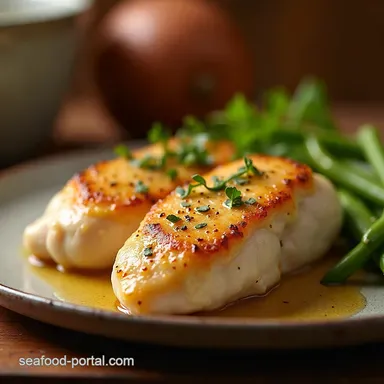
Chefs Secret Silky Smooth Poached Chicken Breasts the Foundation for Flavour
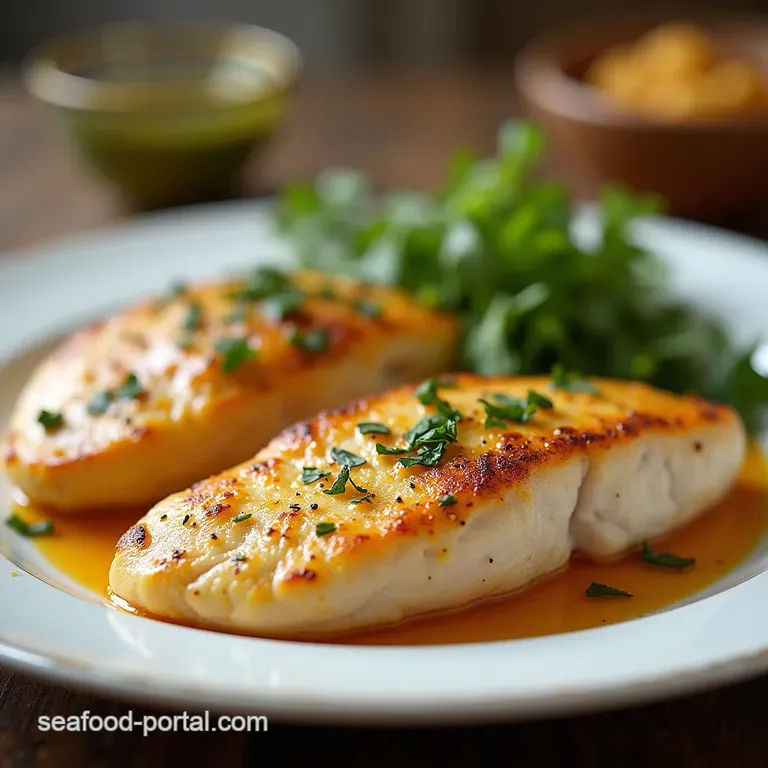
- Why Poaching is the Ultimate Method for Tender Poultry
- Unlocking the Flavour Potential of Simple Poached Chicken Breasts
- Building Blocks: Essential Components for a Flavourful Poaching Liquid
- Mastering the Gentle Submersion Technique
- Achieving Perfection: Timing and Temperature Control
- Creative Twists and Flavor Enhancements for Your Poached Protein
- Storing, Shredding, and Serving Suggestions for Leftovers
- Recipe FAQs
- 📝 Recipe Card
Why Poaching is the Ultimate Method for Tender Poultry
When it comes to preparing chicken breasts those notoriously lean cuts that often veer toward dry and stringy the method matters more than the marinade. Forget aggressive searing or high heat roasting for a moment; we’re talking about the quiet, elegant technique of poaching.
Poaching chicken breast is akin to giving your poultry a slow, gentle spa treatment. It utilizes gentle, controlled heat submerged in flavourful liquid, ensuring the muscle fibres remain relaxed and retain every drop of moisture.
This process yields incredibly succulent results, making it the foundational skill for truly moist chicken breast recipes . It’s simple, requires minimal active attention, and establishes the perfect base for countless dishes.
Unlocking the Flavour Potential of Simple Poached Chicken Breasts
The beauty of this Poached Chicken Breast Recipe lies in its simplicity married to its versatility. While the initial cooking is straightforward, the subtle infusion of aromatics means you aren't starting with bland meat.
This technique is brilliant for those seeking low fat chicken recipes because it requires no added oils or fats during the cooking process itself.
The Spa Treatment: How Gentle Heat Guarantees Moisture
The secret to truly tender results lies in temperature management. We aim for a gentle simmer, ideally maintaining a temperature range between 180° F and 190° F ( 82° C– 88° C).
A full, rolling boil is the enemy of moisture; it causes the exterior proteins to seize up rapidly, squeezing out internal juices. By keeping the heat low, the muscle fibres coagulate slowly and evenly, locking moisture deep within the core.
This controlled environment is what creates the sensationally tender poached chicken breast we aim for.
Beyond the Basic Boiled Bird: Elevating Your Chicken Prep
Many home cooks stop at simply submerging chicken in hot water, which is why the results are often underwhelming. To create the Best Poached Chicken Recipe , we must season the liquid itself. We are effectively creating an aromatic bath.
By using ingredients like kosher salt, whole peppercorns, bay leaves, and lightly smashed garlic cloves in our poaching liquid, we allow the chicken to absorb deep, savoury notes from the outside in, long before it's sliced or shredded.
Perfect for Salads and Light Suppers: Versatility at its Peak
Once cooked, these subtly seasoned Poached Chicken Breasts are incredibly adaptable. They are the ideal protein source when aiming for a light, healthy meal.
Whether you plan to dice them immediately for a classic Chicken Salad Chicken sandwich filling or slice them for a light supper served over fresh greens, the inherent juiciness ensures the final dish is satisfying, not dry.
Building Blocks: Essential Components for a Flavourful Poaching Liquid
To master How To Poach Chicken Breast , you need to treat the poaching liquid as your primary seasoning agent. Since the chicken isn't marinated beforehand, all foundational flavour must come from the surrounding bath.
You will need about 6 cups of liquid either water or a light, unsalted stock to ensure the chicken is fully submerged. This liquid is then transformed by adding flavour enhancers.
We rely on staples like a tablespoon of kosher salt for depth, a teaspoon of whole black peppercorns for mild spice, two dried bay leaves, a couple of lightly smashed garlic cloves, and half a medium onion quartered. For a hint of brightness, a couple of thin lemon slices can be added during the simmer.
Selecting the Right Chicken: Sourcing and Preparation Tips
For this preparation, use four average sized boneless, skinless chicken breasts, typically weighing between 6 and 8 ounces each. Before they enter the liquid, it’s important to trim off any thick, extraneous bits of fat.
Patting the trimmed breasts completely dry before adding them to the pan is a small but vital step that helps ensure an even cooking surface immediately upon submersion.
Crucial Tools: Beyond Just a Pot and Lid
While this technique seems simple, the right equipment enhances success significantly. You require a large, deep saucepan or Dutch oven something wide enough to allow the chicken to sit in a single layer rather than being stacked on top of itself.
A reliable set of tongs is essential for gently lowering and lifting the delicate meat. However, the most valuable tool in achieving professional results is an instant read thermometer. This removes all guesswork regarding doneness.
Related Recipes Worth Trying
- The Ultimate Moist Poached Chicken Breasts Recipe 30 Mins — Never suffer dry chicken again Learn how to poach chicken breast perfectly in an aromatic broth for incredibly moist results Great for salads or shredding
- Foolproof Poached Pears with Salted Butter Caramel Sauce — Elevate your dessert game with this showstopping Recipe for Poached Pears with Caramel Sauce Learn how to nail the tricky caramel step for perfect Pears in...
- The Flawless Poached Egg Foolproof Runny Yolk Every Time — Stop dreading the pan Learn how to make perfect poached eggs with a silky white and molten yolk using this simple sieve tutorial Start your brunch right
Mastering the Gentle Submersion Technique
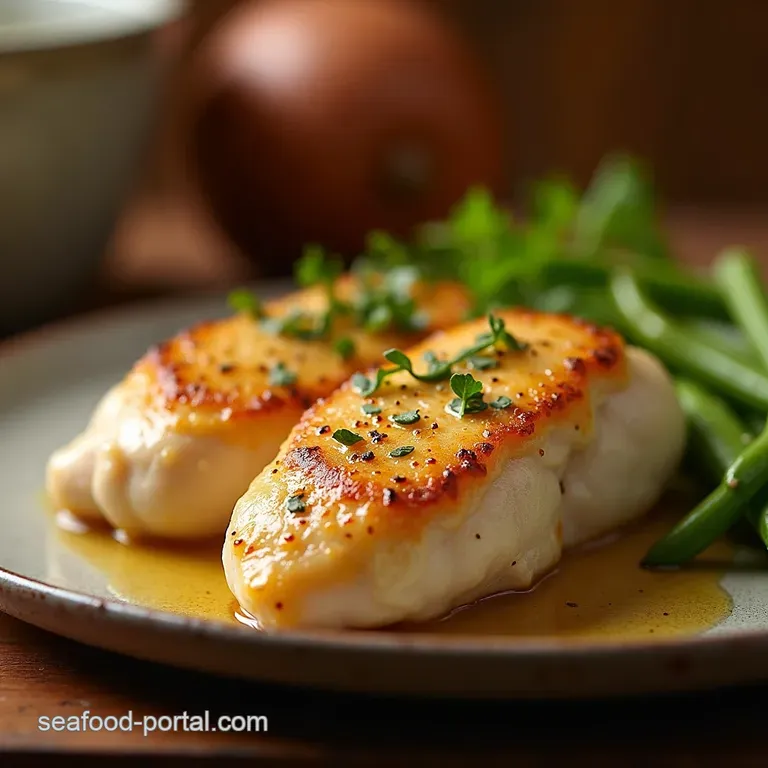
The process begins by combining your water or stock with all the selected aromatics and salt in the saucepan. Bring this mixture up to a boil over medium high heat. Once a vigorous boil is achieved, immediately reduce the heat to the lowest possible setting you want the liquid barely simmering, perhaps only seeing tiny, infrequent bubbles break the surface.
This is the critical moment before introducing the protein. Gently nestle the trimmed, dry chicken breasts into this barely simmering liquid, ensuring they are completely covered. If using lemon, place the slices on top. If the liquid level drops too low, add a splash more hot water, but maintain that gentle heat.
Achieving Perfection: Timing and Temperature Control
Creating the Ideal Aromatic Bath for Poached Chicken Breasts
The blend of onion, garlic, bay leaf, and peppercorns works harmoniously to infuse the meat subtly. Remember, the goal isn't to make the liquid taste strongly of these elements, but rather to provide a background warmth that complements the natural flavour of the poultry, preventing a flat taste.
Keep the pan partially covered, leaving a slight crack to allow steam to escape without dropping the overall liquid temperature too drastically.
The Gentle Introduction: Bringing the Liquid to Temperature
Once the chicken is submerged, you must focus intently on maintaining that delicate, barely simmering state. If the liquid starts to bubble too vigorously, immediately turn the heat down further.
This low-and-slow approach defines how to poach chicken breast effectively, preventing the exterior from becoming tough while the interior struggles to reach a safe temperature.
Determining Doneness: Knowing When to Pull Them Out
For four average sized breasts, you should anticipate a poaching time of 15 to 20 minutes. Start checking for doneness around the 15-minute mark using your instant read thermometer.
The chicken is fully cooked and safe to eat when the internal temperature registers precisely 165° F ( 74° C) at the thickest part of the breast. Pulling them out at this exact mark is crucial for retaining moisture.
The Essential Cooling Phase: Locking In Juiciness
Perhaps the most overlooked step in achieving that moist chicken breast recipe perfection is the rest period. Once the target temperature is hit, take the pan completely off the heat source, cover it tightly with a lid, and allow the chicken to rest in the warm poaching liquid for an additional 5 to 10 minutes.
This gentle, residual heat finishes the cooking process beautifully and redistributes the internal moisture, ensuring every bite is tender.
Creative Twists and Flavor Enhancements for Your Poached Protein
While the basic recipe is excellent on its own, experimentation elevates your poached meat. You can tailor the poaching liquid dramatically based on your intended final dish. For instance, if you plan to use the meat in Asian inspired wraps, ditch the bay leaves and add slices of fresh ginger, a few star anise pods, and a splash of light soy sauce to your water.
For a rustic, European flavour profile, substitute the herbs with a teaspoon of Herbes de Provence and a sprig of fresh thyme. Using high-quality broth instead of plain water is another fantastic substitution that deepens the overall flavour profile immensely.
Storing, Shredding, and Serving Suggestions for Leftovers
The resulting cooked chicken is fantastic immediately, but it’s also excellent when chilled and used over the next few days.
Nutritional Snapshot: A Light and Lean Protein Source
From a health perspective, this method is outstanding. A 6-ounce serving of poached chicken breast, prepared according to this method, clocks in at approximately 185 calories with a very low fat content (around 3g) and a substantial 35g of high-quality protein.
This makes it an ideal choice for weight management or clean eating plans, confirming its status among the best low fat chicken recipes available.
Optimal Storage Solutions for Maximum Freshness
To store your freshly cooked meat, allow it to cool completely. Once cooled, you have two excellent options. You can store the whole breasts submerged in a very small amount of the cooled poaching liquid in an airtight container in the refrigerator for up to four days.
This liquid bath keeps the meat perfectly hydrated even when chilled. Alternatively, shred the cooled meat immediately and store it dry in a sealed container for quicker use in salads or fillings.
Next Level Ideas: What to Create with Your Poached Meat
Once you have your beautifully cooked and moist meat, the culinary possibilities expand exponentially. Diced chicken is the foundation for a phenomenal, traditional Chicken Salad Chicken ; mix it with finely diced celery, a touch of Dijon mustard, and high-quality mayonnaise.
For something spicier, consider shredding the cooled meat and tossing it with a lime vinaigrette and chipotle powder, making it perfect for Spicy Infusions used in summer tostadas or healthy lettuce wraps.
The gentle flavour profile of Poached Chicken Breasts for Shredding means it readily accepts bold secondary flavourings without tasting muddy or overworked.
Recipe FAQs
Why is my Poached Chicken Breasts coming out a bit tough? I thought poaching was supposed to keep it moist!
That’s usually down to the heat being too high it’s the biggest culprit! If the poaching liquid is boiling aggressively (a rolling boil), the outside of the chicken toughens up instantly. You want a very gentle simmer just tiny bubbles forming now and then.
Remember, residual heat during the resting stage does a lot of the work, so keep it low and slow!
How can I tell when my Poached Chicken Breasts are perfectly cooked without drying them out?
Honestly, an instant read thermometer is your trusty sidekick here; it’s the only way to be certain. You’re aiming for an internal temperature of 165°F (74°C) in the thickest part.
Crucially, remove the pan from the heat and let the chicken rest submerged in the warm liquid for about 5-10 minutes afterwards; this gentle carry over cooking ensures every bit is cooked through yet still succulent.
Can I use water, or should I always use chicken stock for poaching?
You certainly can use water, especially if you pack the aromatics (like onion, bay leaf, and peppercorns) in well, as we do in the recipe. However, using a light stock or broth instead of water will give the meat a far richer underlying flavour.
Think of it as upgrading from tap water to proper tea it just tastes better!
How long will leftover poached chicken last in the fridge, and is it good for meal prep?
Poached chicken is brilliant for meal prepping because it holds its moisture so well! Stored correctly in an airtight container in the fridge, it should be good for 3 to 4 days. For best results, let it cool completely before storing, or even store it submerged in a little bit of its own strained poaching liquid.
I need to flavour the chicken more strongly what are some good flavour variations for poaching?
If you want to move beyond the classic British flavour profile, try an Asian twist: substitute the aromatics for slices of fresh ginger, a couple of star anise, and a splash of soy sauce. Alternatively, for a Mediterranean touch, throw in some lemon halves, garlic cloves, and a sprig of fresh rosemary.
It’s incredibly versatile!
Perfect Poached Chicken Breasts