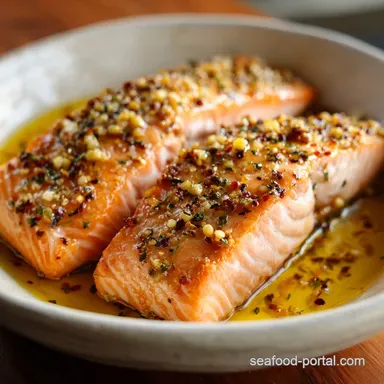
Bake a Salmon in the Oven: Buttery Roasted Fillets
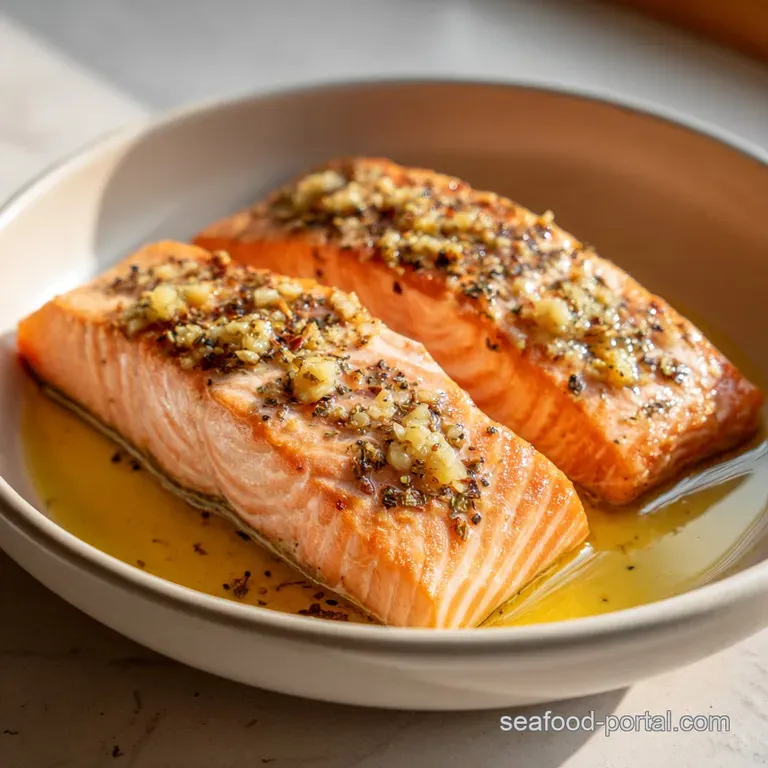
- Time: 10 min active + 15 min cooking = Total 30 mins
- Flavor/Texture Hook: Zesty, garlic infused crust with a buttery, silky center
- Perfect for: Quick weeknight dinner or a low stress date night
- Bake a salmon in the oven
- Why this approach works
- Component Analysis
- The Building Blocks
- Essential Kitchen Gear
- Step-by-Step Guide
- Solving Common Issues
- Troubleshooting Common Issues
- Adjusting for Different Sizes
- Common Misconceptions
- Storage and Zero Waste
- Serving Suggestions
- Recipe FAQs
- 📝 Recipe Card
That sharp, citrusy scent of lemon zest hitting melted butter is enough to make anyone's mouth water. I remember the first time I tried to make a "fancy" fish dinner for my parents.
I followed a recipe that told me to cook it slowly, and I ended up with this grey, rubbery slab that looked more like a pencil eraser than a meal. It was a total disaster, and the worst part was the "white stuff" leaking out everywhere, making the fish look like it was sweating.
The problem wasn't the fish, it was the temperature and the moisture. Most people are terrified of overcooking salmon, so they under heat the oven or over think the timing. I spent a few months experimenting with different fats and heat levels until I realized that a over high heat blast combined with a fat heavy glaze is the only way to go.
If you've ever struggled with salmon that feels mushy or, conversely, tastes like a cardboard box, this is for you. We're focusing on a over high heat method that creates a slight crust while keeping the inside silky.
You'll learn how to bake a salmon in the oven so it actually flakes apart with a fork, and we'll make sure that "white stuff" stays to a minimum.
Bake a salmon in the oven
Let's get into it. The secret to this dish isn't some fancy equipment, it's all about how you prep the surface of the fish. If there's water on the salmon when it hits the heat, it steams instead of roasting. That's how you get that soggy, unappealing texture.
By patting it bone dry and using a butter garlic blend, we create a barrier that keeps the juices inside.
I've found that center cut fillets are the way to go here. They have a consistent thickness, which means the edges don't overcook before the middle is done. If you use a tail piece, it'll be dry by the time the thick part is edible.
Trust me, spend the extra couple of dollars for the center cut; it makes the whole process way less stressful.
Right then, let's look at why this specific approach works so well. It's not just about flavor, it's about how the heat interacts with the proteins in the fish.
Why this approach works
- The Fat Barrier: Butter Glaze: The melted butter creates a protective layer that prevents the oven's dry heat from sucking the moisture out of the fillets.
- Surface Prep: Dry Searing: Removing surface moisture ensures the fish roasts instead of steaming, which helps the glaze stick and caramelize.
- High Heat: Fast Cooking: Using 400°F (200°C) allows the outside to firm up quickly while the inside stays tender, reducing the window for overcooking.
- Carryover Heat: The Rest Period: Letting the fish sit for 5 minutes allows the internal temperature to stabilize, ensuring a velvety texture throughout.
| Method | Time | Texture | Best For |
|---|---|---|---|
| oven roasted | 15 mins | Silky & Uniform | Easy cleanup, multiple fillets |
| Pan Seared | 10 mins | Crispy Skin, Tender | Single servings, high contrast |
| Poached | 20 mins | Very Soft, Moist | low-fat diets, delicate flavor |
| air fried | 12 mins | Slightly Charred | Ultra fast, small portions |
Component Analysis
| Ingredient | Science Role | Pro Secret |
|---|---|---|
| Unsalted Butter | Moisture Seal | Use browned butter for a nuttier, deeper flavor |
| Lemon Juice | Protein Tenderizer | Add it only to the glaze, not directly on raw fish for too long |
| Smoked Paprika | Flavor Depth | Adds a "grilled" aroma without needing a barbecue |
| Kosher Salt | Moisture Draw | Salt early to draw out surface moisture for a better crust |
The Building Blocks
For the fish, you want 1.5 lbs of center cut salmon fillets. I prefer skin on because the skin acts as a natural insulator, protecting the meat from the hot pan. If you're buying frozen, make sure it's completely thawed in the fridge overnight. Trying to bake a salmon in the oven while it's still icy in the middle is a recipe for uneven cooking. If you're in a rush, you can check out my frozen salmon tips to see how to handle that.
The Ingredients:
- 1.5 lbs salmon fillets, center cut Why this? Consistent thickness means even cooking across all pieces
- 1 tbsp olive oil Why this? High smoke point to prevent the parchment from smoking
- 1/2 tsp kosher salt Why this? Larger grains are easier to control than table salt
- 1/4 tsp cracked black pepper Why this? Coarse pepper adds a nice bite to the buttery glaze
- 3 tbsp unsalted butter, melted Why this? Provides a rich, velvety mouthfeel and seals in juices
- 3 cloves garlic, minced Why this? Fresh garlic is non negotiable for that aromatic punch
- 1 tbsp fresh lemon juice Why this? Cuts through the richness of the salmon fats
- 1 tsp lemon zest Why this? Contains the essential oils for a brighter scent
- 1/2 tsp smoked paprika Why this? Gives the fish a gorgeous golden color
- 1 tbsp fresh parsley, chopped Why this? Adds a fresh, grassy finish to the plate
Ingredient Swaps:
| Original Ingredient | Substitute | Why It Works |
|---|---|---|
| Unsalted Butter | Ghee (3 tbsp) | Higher smoke point. Note: Slightly more intense, nutty flavor |
| Smoked Paprika | Ancho Chili Powder | Similar color and earthiness. Note: Adds a very mild heat |
| Fresh Parsley | Fresh Dill | Classic salmon pairing. Note: Much more potent, anise like aroma |
| Lemon Juice | Lime Juice | Similar acidity. Note: Gives a more tropical, zesty vibe |
I've found that using a high-quality butter makes a noticeable difference here. Don't bother with the margarine or low-fat spreads; they don't have the same emulsifying properties and won't create that same velvety glaze.
Essential Kitchen Gear
You don't need a professional kitchen for this, but a few things make it easier. A rimmed baking sheet is a must, otherwise, the butter glaze will drip all over your oven floor and create a smoke show. I always line mine with parchment paper.
It's a lifesaver for cleanup and prevents the skin from sticking to the metal.
A small whisk or a fork works for the glaze, but a silicone brush is the real MVP. It lets you get every bit of that garlic lemon goodness onto the fish without tearing the delicate flesh. If you're checking the temperature, a digital meat thermometer is the only way to truly eliminate the guesswork. According to Serious Eats, relying on "fork flaking" can often lead to overcooking by the time you notice it.
Step-by-step Guide
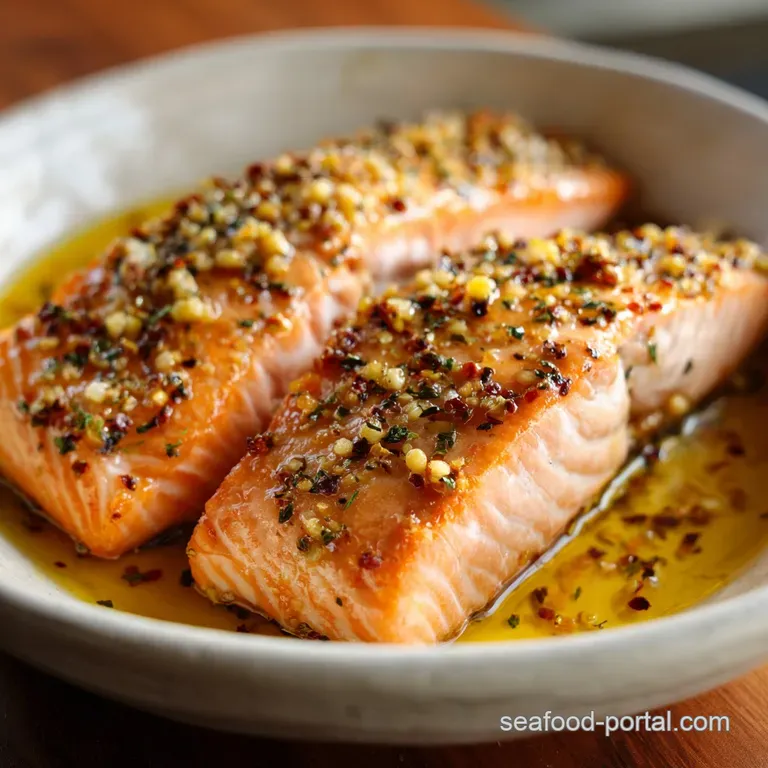
Let's crack on. Make sure your oven is fully preheated to 400°F (200°C) before you even touch the fish.
- Pat the salmon fillets completely dry with paper towels. Note: This is the most important step for a good crust
- Place the fillets on a parchment lined baking sheet and lightly brush the bottom with olive oil.
- In a small bowl, whisk together the melted butter, minced garlic, lemon juice, zest, and smoked paprika.
- Brush the butter mixture generously over the top and sides of each fillet. Wait for the aroma of the garlic to bloom as it hits the room temp fish.
- Season each fillet with salt and pepper.
- Bake for 12-15 minutes. Look for the butter to be bubbling and the edges to be slightly opaque.
- Use a thermometer to check for 135°F (57°C) for medium or 145°F (63°C) for well done.
- Remove from the oven and let the fish rest for 5 minutes. Note: The temperature will rise a few degrees while resting
- Garnish with fresh parsley and serve immediately.
Chef's Tip: If you want an even deeper flavor, try grating a tiny bit of fresh ginger into the butter glaze. It adds a subtle warmth that pairs beautifully with the lemon.
Also, try freezing your butter for 10 minutes before melting it if you want it to stay slightly thicker on the fish.
Solving Common Issues
But what about the sogginess? Or that weird white stuff that appears on top? We'll get to that. First, let's talk about the albumin. That white stuff is just protein leaking out of the muscle fibers. It's completely safe to eat, but it's usually a sign that the fish is cooking too fast or is already overdone.
Troubleshooting Common Issues
| Issue | Solution |
|---|---|
| Why Your Salmon is Dry | Usually, this is a timing issue. Every oven is a bit different, and salmon fillets vary in thickness. If you rely on the clock alone, you're gambling. Using a thermometer is the only way to ensure it |
| Why the Skin Sticks | This happens when the oven isn't hot enough or you didn't use enough oil on the pan. The skin needs to sear slightly against the surface to release itself. |
| Why it Tastes "Fishy" | This is often due to using frozen fish that wasn't thawed properly or using salmon that isn't fresh. A good lemon garlic glaze helps mask this, but starting with high-quality center cut fillets is the |
Adjusting for Different Sizes
If you're just cooking for yourself, a single 6oz fillet is easy. Just reduce the bake time by about 20%, usually around 10-12 minutes. Use a smaller baking sheet so the heat stays concentrated around the fish.
When you're feeding a crowd and doubling or tripling the recipe, don't crowd the pan. If the fillets are touching, they'll steam each other, and you'll lose that roasted finish. Work in batches or use two separate sheets.
Also, be careful with the salt and paprika; when scaling up, I only increase the spices to about 1.5x the original amount to avoid over seasoning.
If you're using a very thick fillet (over 1.5 inches), lower the oven temp to 375°F (190°C) and extend the time by 5-8 minutes. This ensures the middle cooks through without the outside becoming a brick.
Common Misconceptions
One of the biggest myths I hear is that you need to sear salmon in a pan first to "lock in the juices." Honestly, don't even bother with that if you're in a rush. Searing adds flavor, but it doesn't actually seal the meat. You can get a great result just by using a high temperature roast with a butter glaze.
Another common mistake is thinking that the fish is done when it "flakes." By the time salmon flakes easily with a fork, it's often already over the ideal internal temperature. If you want that velvety, restaurant style texture, pull it out while it's still a tiny bit translucent in the very center.
Storage and Zero Waste
If you have leftovers, store them in an airtight container in the fridge for up to 3 days. To reheat without drying them out, avoid the microwave. Instead, put the salmon in a covered dish with a teaspoon of water or a pat of butter and warm it in the oven at 275°F (135°C) for about 10 minutes.
For zero waste, don't toss the salmon skin if you happen to remove it. You can fry it in a pan with a little oil until it's shatter crispy and use it as a garnish. Also, if you have leftover lemon halves, squeeze them into your compost or use the rinds to infuse your olive oil.
Serving Suggestions
This dish is naturally rich, so you need something bright or earthy to balance it. I love pairing this with a side of roasted asparagus or a crisp arugula salad with a balsamic vinaigrette. If you want something more filling, a side of baked white fish for those who don't like salmon is a great way to cater to everyone.
For a low carb route, cauliflower mash or sautéed spinach works brilliantly. If you're feeling fancy, a wild rice pilaf with toasted almonds adds a nice crunch that contrasts the velvety salmon. Just remember to keep the side dish flavors simple so they don't compete with the lemon garlic glaze.
Whenever you bake a salmon in the oven using this method, you're getting a balance of acidity, fat, and high heat. It's the most reliable way to get a dinner on the table that feels like it came from a bistro but took less than 30 minutes to make.
Trust the thermometer, pat your fish dry, and enjoy that buttery, zesty goodness.
Recipe FAQs
Is it better to bake salmon at 375 or 400?
400°F is better. Higher heat creates a better exterior sear while keeping the center moist and tender.
How to cook salmon for a diabetic?
Focus on the lemon and garlic seasoning. These ingredients provide bold flavor without adding sugars or processed carbohydrates that impact blood glucose.
Is salmon fillet good for cholesterol?
Yes, it is. Salmon is rich in omega-3 fatty acids, which are known to help improve heart health and manage cholesterol levels.
What is the best temperature and time to cook salmon in the oven?
400°F (200°C) for 12–15 minutes. This window ensures the fish reaches a safe internal temperature of 135°F to 145°F without drying out.
Why did my salmon turn out dry?
You likely overcooked it. Because fillet thickness varies, relying on a timer alone is risky; always use a meat thermometer for precision.
Can I cook salmon in foil instead of on a baking sheet?
Yes, using foil locks in moisture. If you enjoyed the simplicity of oven-baking here, see how the same moisture-retention principle works in our Mediterranean tomato sauce recipe.
Is it true that salmon must be cooked until it flakes easily with a fork?
No, this is a common misconception. While flaking is a general indicator, using a thermometer to hit 135°F is the only way to avoid overcooking the fish.
Bake a Salmon in the Oven in 25 Minutes